Glute Ham Developer Hip Extension
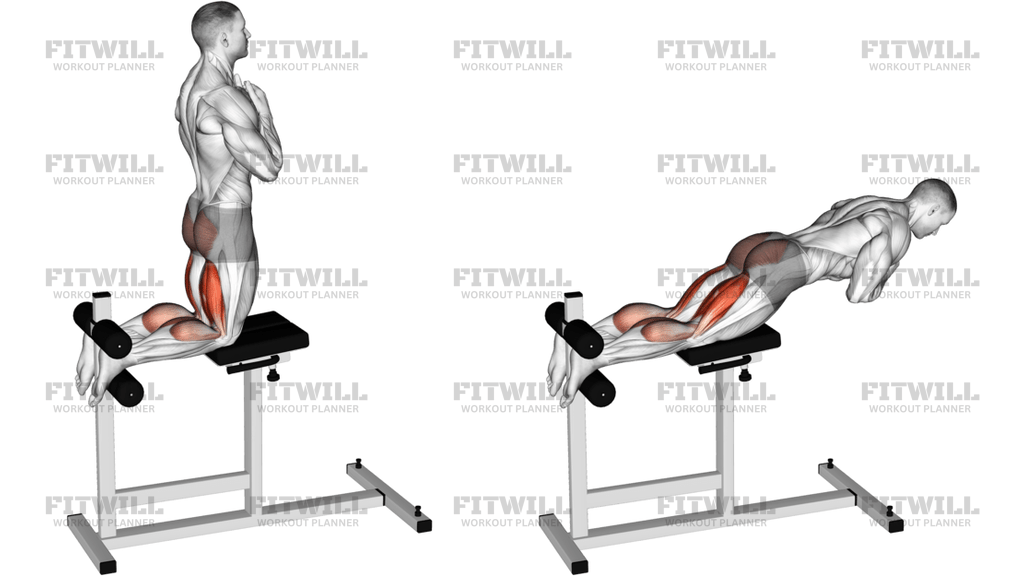
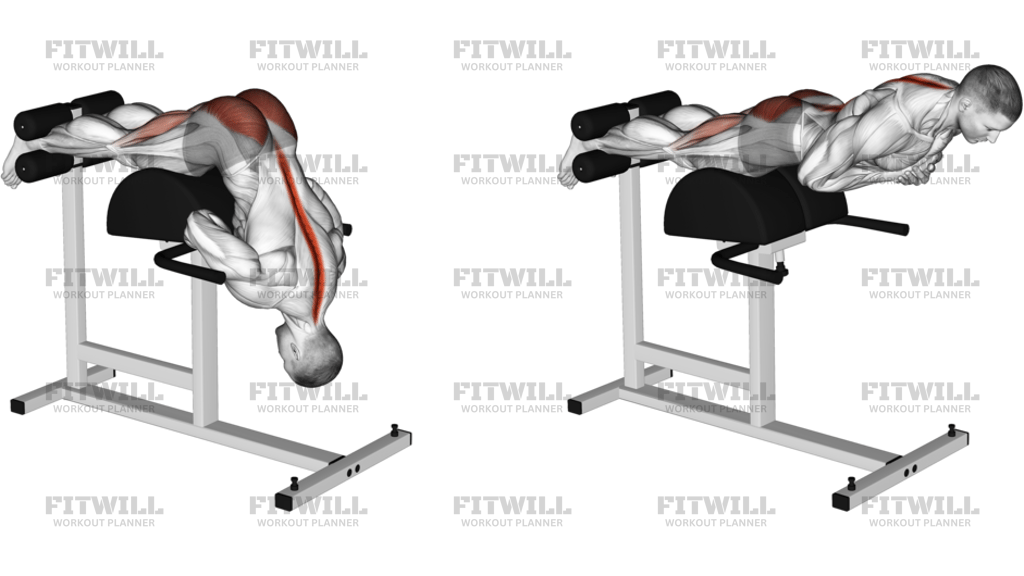
Glute Ham Developer Hip Extension is a bodyweight posterior-chain exercise performed with the hips supported on a GHD pad and the ankles locked under the roller pads. It teaches you to extend the hips against body weight while keeping the torso organized, so the glutes and hamstrings do the work instead of momentum or a loose lower back. Because the machine fixes your feet and pelvis in place, a small change in setup has a big effect on where the tension lands.
This movement is especially useful for building glute strength, hamstring control, and trunk stability without adding a barbell on your back. The glutes drive the extension, the hamstrings assist through the range, and the core and spinal erectors keep the pelvis from dumping forward. That makes Glute Ham Developer Hip Extension a practical accessory for posterior-chain days, warmups before hinging or sprint work, and controlled strength work when you want a precise hip pattern.
The setup matters more than people expect. The front of the hips should sit on top of the pad, the thighs should stay supported, and the ankles should stay firmly trapped under the rollers so the body can hinge cleanly around the hips. From there, lower the torso in a smooth arc until you reach a comfortable stretch through the hips and hamstrings, then drive the hips back into the pad to come up. The finish should feel like a strong hip extension, not a dramatic back bend.
A good rep is quiet and deliberate. Exhale as you extend, keep the ribs stacked over the pelvis, and stop the ascent when the body is straight from head to heels or just slightly beyond that line if the machine and mobility allow it. If you throw the chest up or arch hard through the lumbar spine, the exercise turns into a lower-back movement instead of a hip extension. The goal is a clean hinge with the glutes finishing the rep.
For most people, body weight is enough to start, and higher reps work well once the groove is consistent. If the bottom position pulls too hard on the low back or the hamstrings cramp, shorten the range and keep the descent controlled. When the setup is right and the tempo stays honest, Glute Ham Developer Hip Extension gives you a simple, repeatable way to train the posterior chain with a lot of tension and very little equipment.
[ Workout Log & Planner ]
Put your next workout in Fitwill
Keep your plan and training log ready when you are.


Instructions
- Set the front of your hips on top of the GHD pad and hook both ankles firmly under the roller pads.
- Lie face down with your thighs supported, your legs straight, and your body balanced so you can hinge freely around the hips.
- Cross your arms over your chest or hold them lightly against your torso so your upper body stays quiet during the rep.
- Brace your abdomen, keep your ribs stacked over your pelvis, and keep your neck long before you start.
- Lower your torso in a smooth hip hinge until you feel a controlled stretch through the glutes and hamstrings.
- Pause briefly at the bottom without bouncing or losing pressure under the ankles.
- Drive your hips into the pad and squeeze your glutes to lift your torso back up.
- Finish when your body forms a straight line from head to heels, not by over-arching the lower back.
- Exhale on the way up, then lower under control and repeat for the planned reps.
Tips & Tricks
- Set the pad so the hip crease sits just over the top edge; if you are too far forward, the rep will feel unstable and slide into the low back.
- Keep the ankles pinned under the rollers the whole time. If your feet shift or slip, shorten the range before adding more reps.
- Think about pushing the hips into the pad on the way up instead of throwing the chest upward.
- Stop the top position when the torso is straight. A big lumbar arch usually means the glutes finished and the back took over.
- Use a slower descent than ascent if you want more hamstring tension and less momentum.
- If the bottom stretch cramps your hamstrings, reduce the depth and keep the hips moving in a smaller arc.
- Keep your head in line with your torso so the neck does not yank the upper body into the rep.
- Body weight is enough for most sets; load the movement only after you can repeat the same torso path every rep.
Frequently Asked Questions
What does Glute Ham Developer Hip Extension work most?
It mainly trains the glutes and hamstrings, with the core and lower back helping you keep the torso organized on the GHD.
How do I know the GHD is set up correctly?
Your hips should sit supported on the pad and your ankles should be locked in under the rollers before you start hinging. If you feel like you are sliding forward or falling off the pad, the setup is off.
Should Glute Ham Developer Hip Extension feel like a lower-back exercise?
No. You should feel the hip drive from the glutes and hamstrings first, while the lower back stays braced and quiet. If the lumbar spine is doing most of the work, shorten the range and stop arching at the top.
Can beginners use Glute Ham Developer Hip Extension?
Yes, but start with body weight and a short range of motion. The movement gets much harder when you chase depth before you can keep the hips and ribs stacked.
How is this different from a back extension?
A Glute Ham Developer Hip Extension uses the GHD with your ankles anchored and a larger hip arc, so it usually asks more from the glutes and hamstrings. A back extension is often shorter and more upright.
What is the most common mistake on this exercise?
People usually overextend at the top and turn it into a back bend. Finish by squeezing the hips forward, not by flaring the ribs and arching the low back.
What rep range works well for Glute Ham Developer Hip Extension?
Moderate to higher reps usually work best because the movement rewards clean rhythm and control. Stop the set as soon as the torso path starts changing or the ankles lose their anchor.
What should I do if my hamstrings cramp during the descent?
Reduce the range and slow the lowering phase until the tension feels manageable. A smaller hip arc is better than forcing a deep bottom position and losing control.