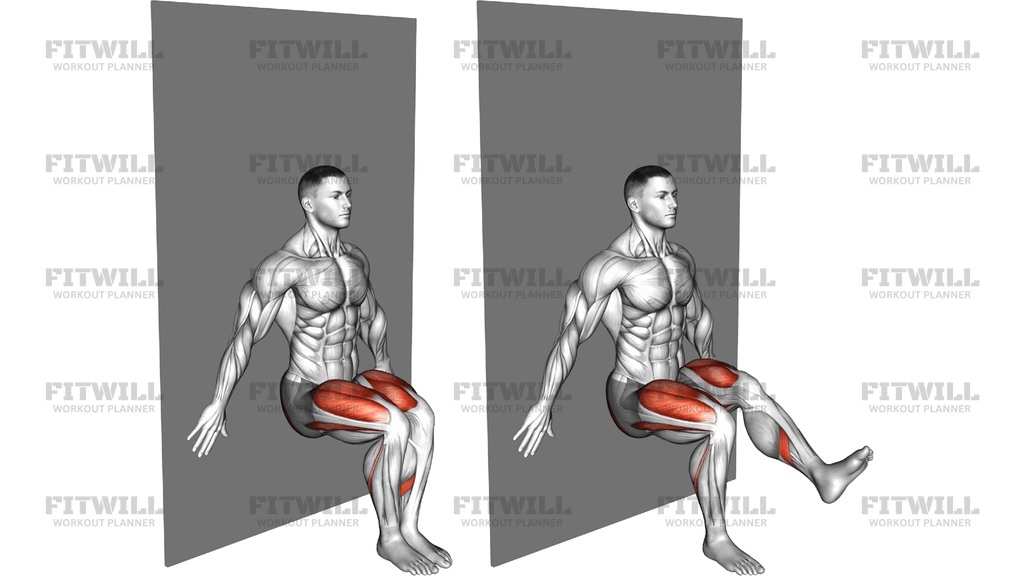
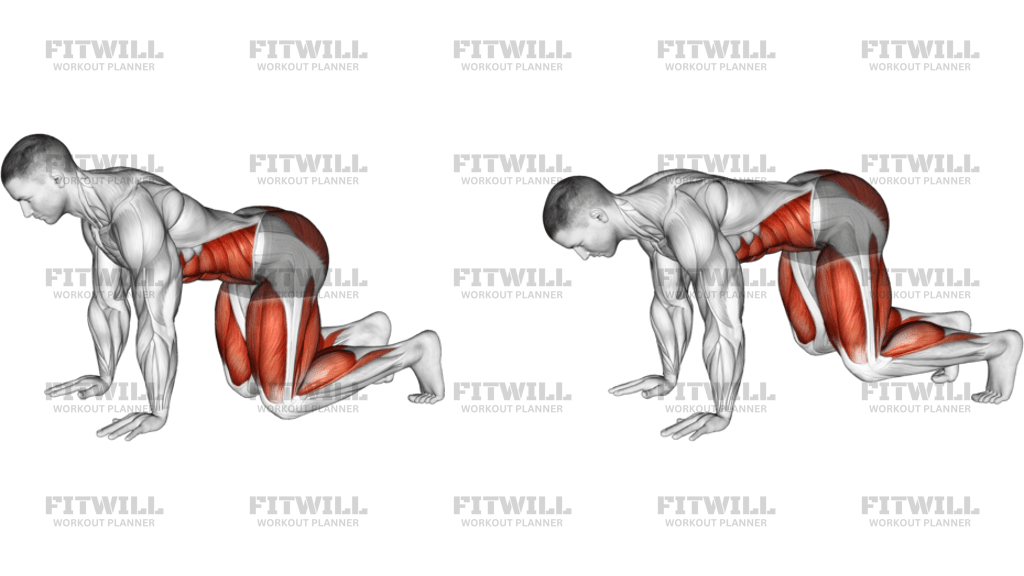
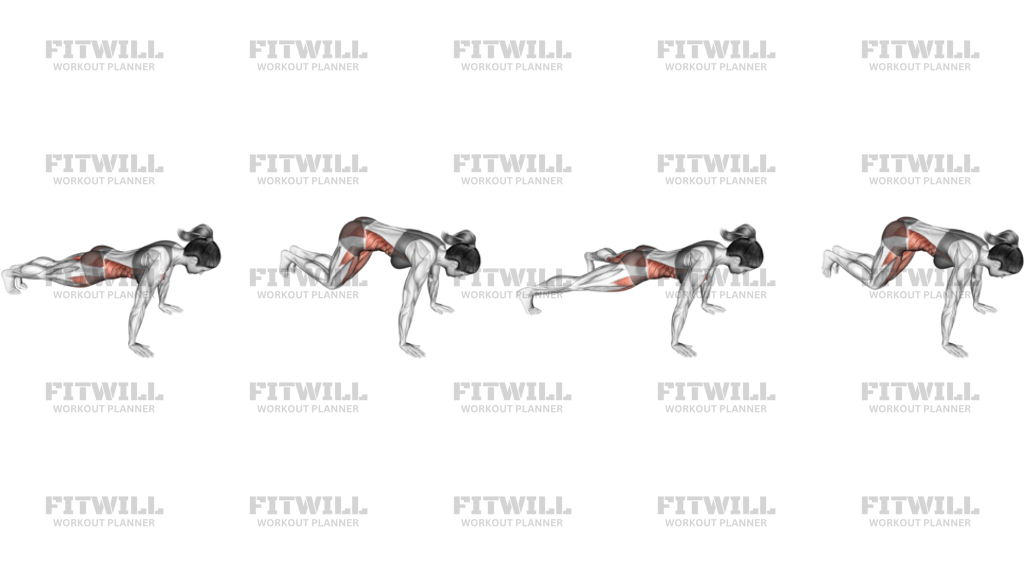
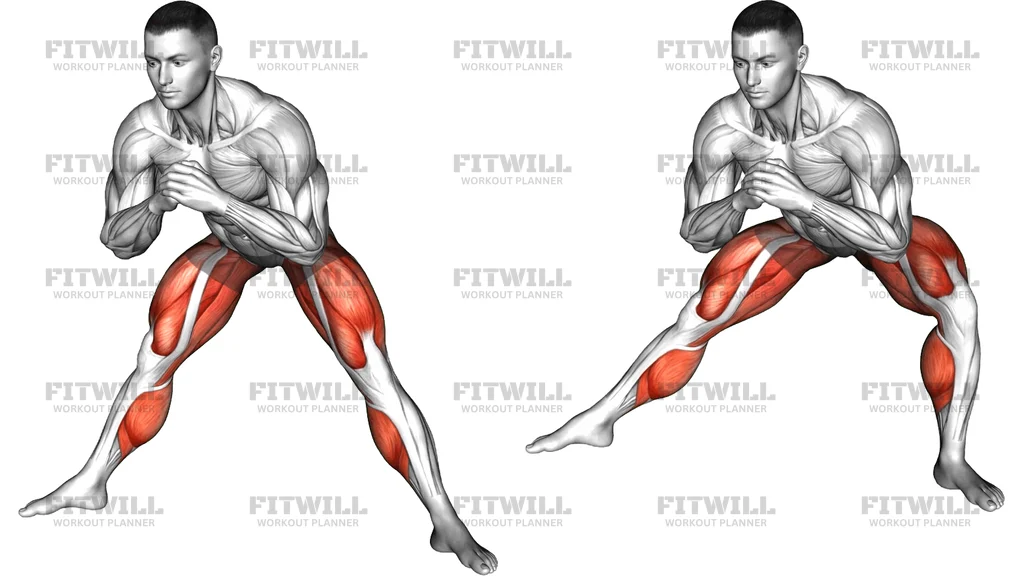
Incline Alternate Flutter Kicks
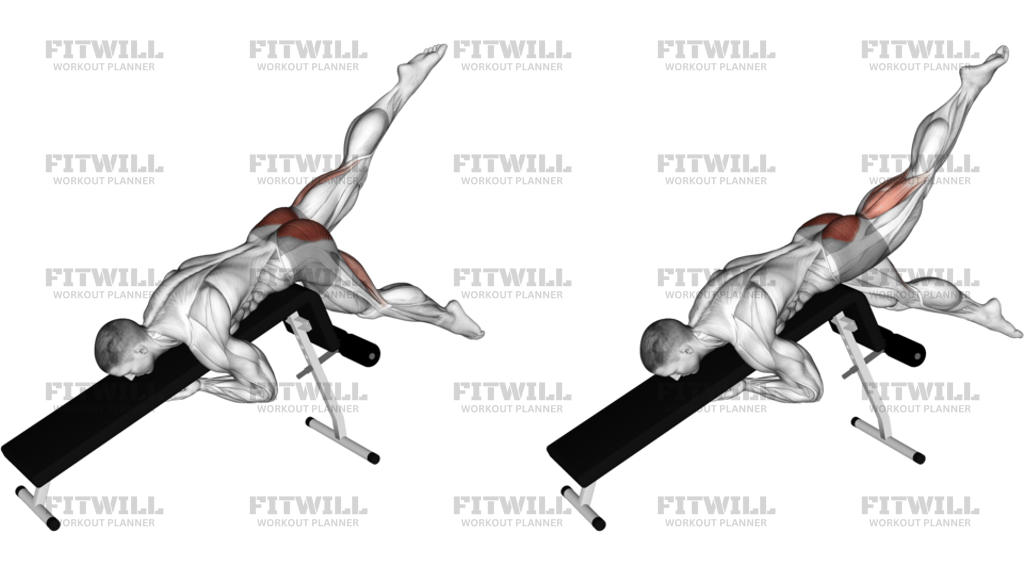
Incline Alternate Flutter Kicks are a bodyweight core drill performed on a fixed incline bench or padded incline surface. You recline with your upper back supported, legs extended in front of you, and one leg moving as the other lowers in a small alternating flutter. The movement looks simple, but the real work comes from holding the pelvis steady while the lower abs and hip flexors keep the legs hovering without letting the low back arch.
The incline changes the leverage of the exercise. Compared with floor flutter kicks, the supported angle gives you a clearer range to work through and makes it easier to keep the torso organized, but it also exposes any loss of control faster. If you let the ribs flare or the pelvis tip forward, the legs will swing and the stress shifts out of the abs and into the hip flexors and lower back. The bench angle is part of the exercise, not just a place to lie down.
Good reps are small, quick, and precise. Each kick should come from alternating hip flexion and extension while the trunk stays quiet. Keep the legs long, the toes pointed or neutrally extended, and the kicks low enough that the lower back stays pressed into the pad. The exercise works best when you can keep the same body shape from the first kick to the last, instead of chasing height or speed.
This variation fits well in core circuits, warm-ups, or conditioning blocks where you want trunk endurance and clean pelvic control. It can be regressed by reducing the incline, shortening the leg lever with a slight knee bend, or cutting the set before the low back starts to lift. It can be progressed by lengthening the hold, increasing the number of kicks, or slowing the return phase. If the bench setup causes neck strain or your hips slide around, lower the incline or switch to a flatter support until the position feels stable.
[ Workout Log & Planner ]
Put your next workout in Fitwill
Keep your plan and training log ready when you are.


Instructions
- Set a low incline bench or padded incline surface and sit so your upper back is supported near the top edge.
- Lean back until your torso is reclined and grip the bench or pad beside your hips for stability.
- Extend both legs straight in front of you and lift them so your heels hover a few inches off the floor or bench line.
- Tuck your ribs down and press your lower back into the support before the first kick.
- Keep one leg slightly higher while the other lowers, alternating in a small fluttering pattern.
- Move from the hips without swinging the whole body or letting the legs drift too high.
- Keep the kicks quick but controlled, with straight legs and soft knees if you need a regression.
- Breathe steadily through the set, then lower both legs with control when your low back starts to arch.
Tips & Tricks
- A lower incline usually makes it easier to keep the pelvis tucked and the legs under control.
- Small kicks work better than big kicks; the goal is continuous tension, not height.
- If your lower back lifts off the pad, shorten the set or bend the knees slightly.
- Keep your shoulders relaxed against the bench instead of curling your neck forward.
- Hold the bench firmly so your torso does not slide when the fluttering speed increases.
- Pointing the toes can help keep the legs long, but do not overarch the low back to do it.
- Stop before the hip flexors take over and the motion turns into uncontrolled leg swinging.
- If the bench angle feels awkward, use a flatter setup and build up to the incline later.
Frequently Asked Questions
What muscles do Incline Alternate Flutter Kicks work?
They primarily challenge the lower abs and hip flexors while also demanding steady core stabilization to keep the pelvis from tipping forward.
How is the incline version different from regular flutter kicks?
The incline bench changes the leverage and makes torso position more noticeable, so you have to control the pelvis and rib cage even more carefully.
Should my legs stay straight during the flutter?
Yes, keep them long with only a soft bend if you need to make the exercise easier without losing control.
How high should my feet travel?
Keep the kicks low and compact. If the feet rise too high, the low back usually arches and the abs lose tension.
What is the most common mistake on this bench exercise?
The usual problem is turning the movement into fast leg swinging while the torso slides or the lower back peels away from the support.
Can beginners use Incline Alternate Flutter Kicks?
Yes, but they should start with a low incline, shorter sets, and slightly bent knees if they cannot keep the back pinned down.
Where should I feel the exercise working?
You should feel a strong burn in the front of the hips and lower abs, not strain in the neck or lower back.
How can I make the movement harder?
Use a steeper incline, keep the legs straighter, increase the set duration, or slow the lowering leg so the abs stay under tension longer.