Standing Single Leg Calf Raise Balance
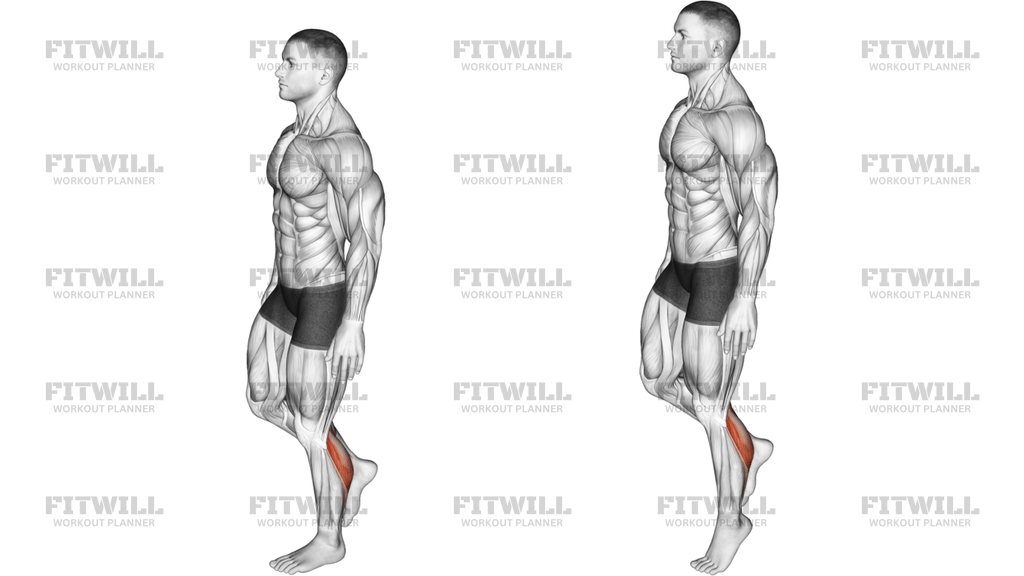
Standing Single Leg Calf Raise Balance is a bodyweight calf exercise that combines ankle strength with single-leg stability. One foot does the lifting while the other stays off the floor, so the set challenges the calf, the foot, and the hip to stay organized at the same time. It is a useful movement for anyone who wants stronger calves, better balance, and more control during running, jumping, hiking, or simple day-to-day single-leg tasks.
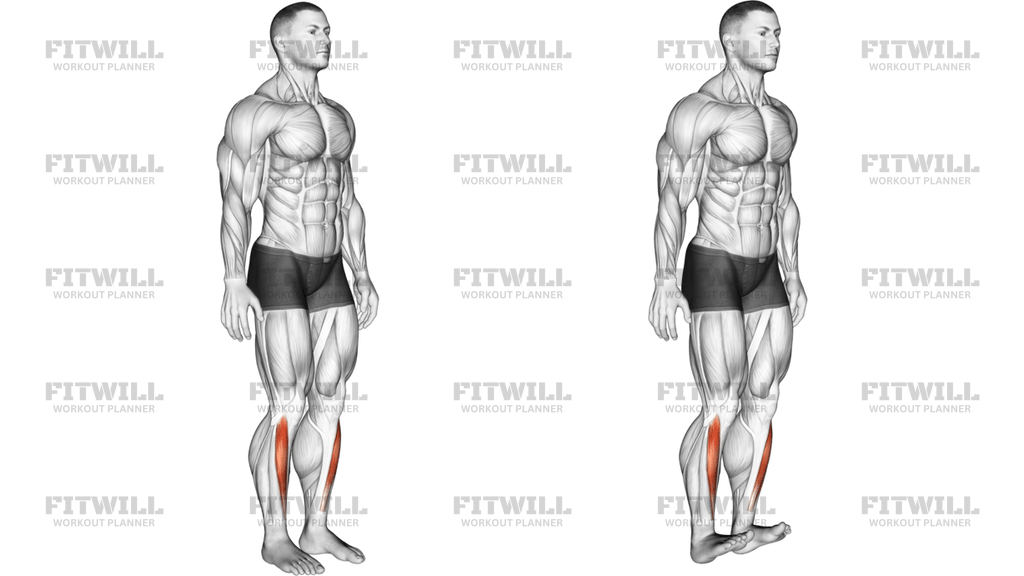
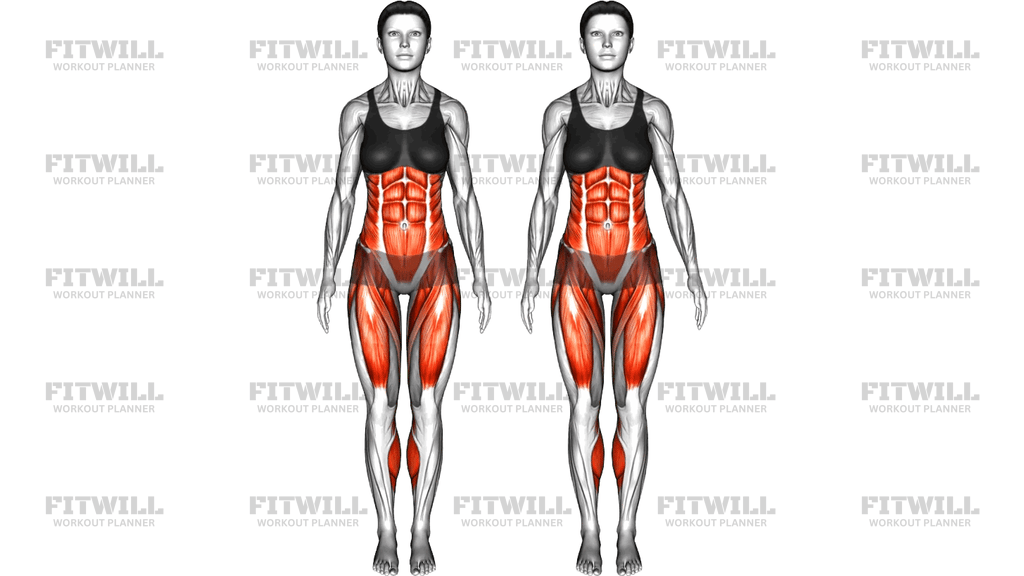
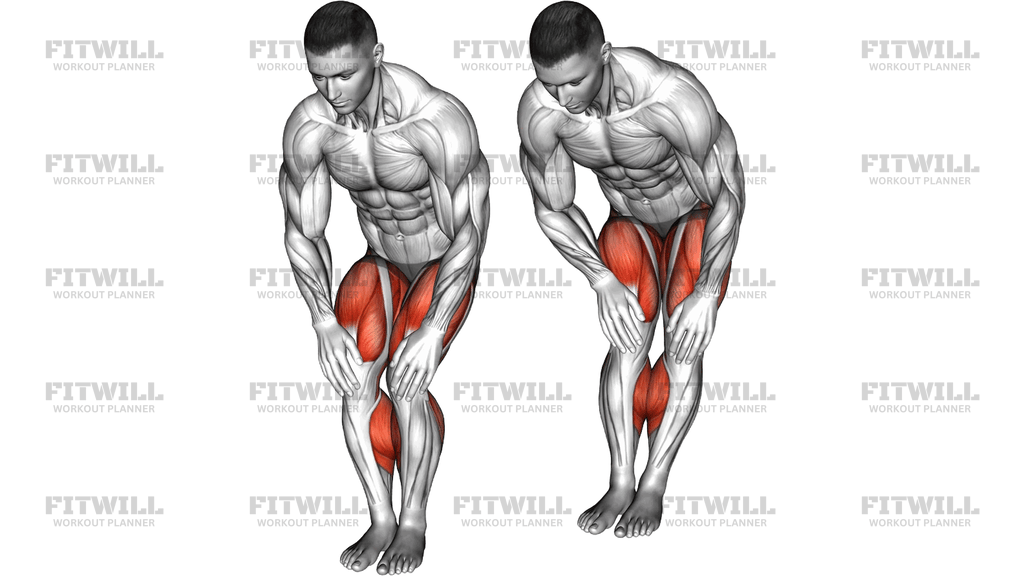
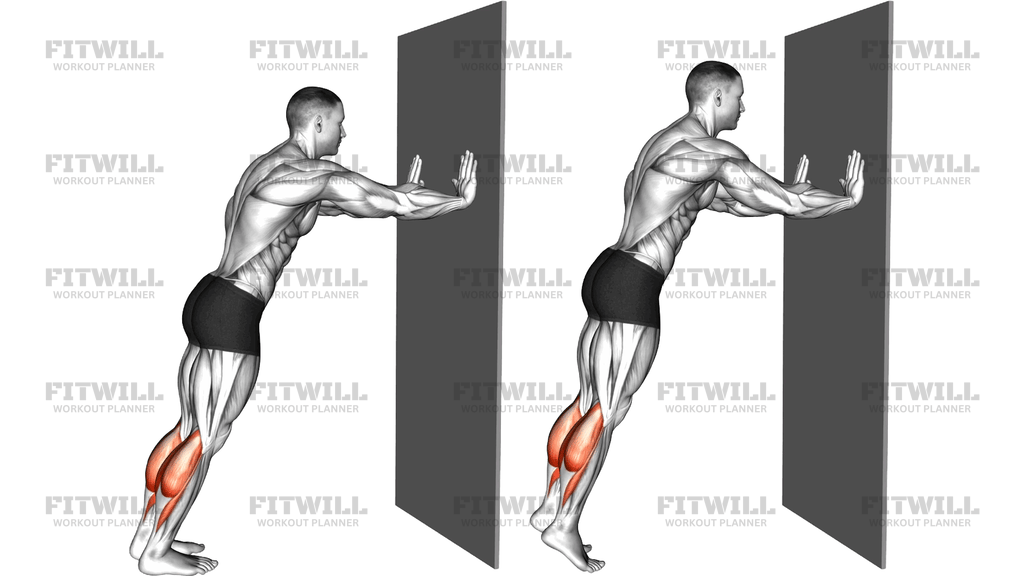
The main driver is the calf on the standing leg, especially the gastrocnemius as you rise onto the ball of the foot. The soleus helps control the lower portion of the rep, while the glutes and trunk keep the pelvis from tipping or twisting as you balance. If the knee caves, the arch collapses, or the torso sways, the rep turns into a balance escape instead of a clean calf raise.
A good setup starts on a flat floor with the working foot planted squarely and the free foot hovering lightly behind or beside you. Keep pressure through the big toe, little toe, and heel before the heel leaves the ground. The standing knee should stay soft, not locked hard backward, and the ribs should stay stacked over the pelvis so you can move straight up instead of leaning forward to cheat the top position.
Drive the heel up as high as you can without rolling the ankle outward or swinging the free leg for help. Pause briefly at the top, then lower slowly until the heel nearly touches the floor again under full control. That slow return matters because it keeps tension on the calf and teaches the ankle to control bodyweight through the entire rep instead of bouncing through the bottom.
Standing Single Leg Calf Raise Balance fits well as accessory work after leg training, as a warm-up before impact sports, or as a finish when you want direct calf work without equipment. Beginners can use a wall or rack for a fingertip of support, but the support should only steady the body, not drive the rep. Keep the motion smooth, stop the set when the heel height or balance quality drops, and switch sides only after you have finished the planned repetitions with the same control on both legs.
Fitwill
Log Workouts, Track Progress & Build Strength.
Achieve more with Fitwill: explore over 9600 exercises with images and videos, access built-in and custom workouts, perfect for both gym and home sessions, and see real results.
Start your journey. Download today!




Instructions
- Stand on a flat floor with one foot planted and the other foot hovering lightly off the ground behind you.
- Spread your weight across the big toe, little toe, and heel of the standing foot before you start the first rep.
- Keep your hips level, chest tall, and ribs stacked over the pelvis so the standing leg can work without your torso leaning.
- Take a small inhale, then press through the ball of the standing foot to raise your heel as high as you can.
- Squeeze at the top for a brief pause without rolling the ankle outward or letting the free leg swing.
- Exhale as you lower the heel slowly until it nearly reaches the floor again.
- Keep the standing knee softly bent and steady through the entire rep instead of locking it back.
- Use a fingertip on a wall, rail, or rack only if you need balance help, and keep the support light.
- Finish the set by placing the free foot down under control, then repeat on the other side.
Tips & Tricks
- Keep pressure through the big toe as you rise so the arch does not collapse inward.
- If your ankle rolls to the outside at the top, shorten the range slightly and keep the heel path straight up and down.
- A soft knee keeps the calf loaded better than a locked knee, especially when you are balancing on one leg.
- Lower for two to three seconds on the way down; that slow eccentric is where the calf usually loses tension first.
- Use the lightest possible fingertip support if balance is the limiting factor, not a full push into the wall.
- Stop the set when your heel height starts shrinking, because shorter reps usually mean momentum has taken over.
- If the free leg is swinging to help you, reset and make the standing foot do the work on its own.
- A small pause at the top helps you feel the calf contract without bouncing through the ankle.
Frequently Asked Questions
What muscles does Standing Single Leg Calf Raise Balance work?
Standing Single Leg Calf Raise Balance mainly targets the calves, especially the gastrocnemius, with help from the soleus, glutes, and core to keep you balanced.
Should Standing Single Leg Calf Raise Balance be done on a floor or a step?
A flat floor is the safest starting point. A step can add more stretch at the bottom, but only use it if you can keep the heel path controlled and the ankle from wobbling.
Should my standing knee be straight in Standing Single Leg Calf Raise Balance?
Keep the knee mostly straight but not locked hard backward. A slight softness helps you stay balanced and keeps the calf working through the full rep.
Why do I lose balance during Standing Single Leg Calf Raise Balance?
Balance usually slips when you shift onto the outside of the foot, lean your torso forward, or swing the free leg for help. Keep pressure under the big toe and stack your ribs over your pelvis.
Can I hold onto a wall during Standing Single Leg Calf Raise Balance?
Yes. A light fingertip touch is fine if it keeps your form honest, but avoid using the wall to push yourself through the rep.
How high should my heel rise in Standing Single Leg Calf Raise Balance?
Raise the heel as high as you can without rolling the ankle outward or shifting your body weight onto the toes. The top position should feel strong, not unstable.
What is the biggest mistake in Standing Single Leg Calf Raise Balance?
The biggest mistake is bouncing through the bottom and turning the rep into a quick hop. That takes tension off the calf and removes the balance challenge.
How can I make Standing Single Leg Calf Raise Balance harder?
Slow down the lowering phase, add a brief pause at the top, or reduce hand support. You can also move to a small step once the flat-floor version feels steady.