Lying Air Cycles
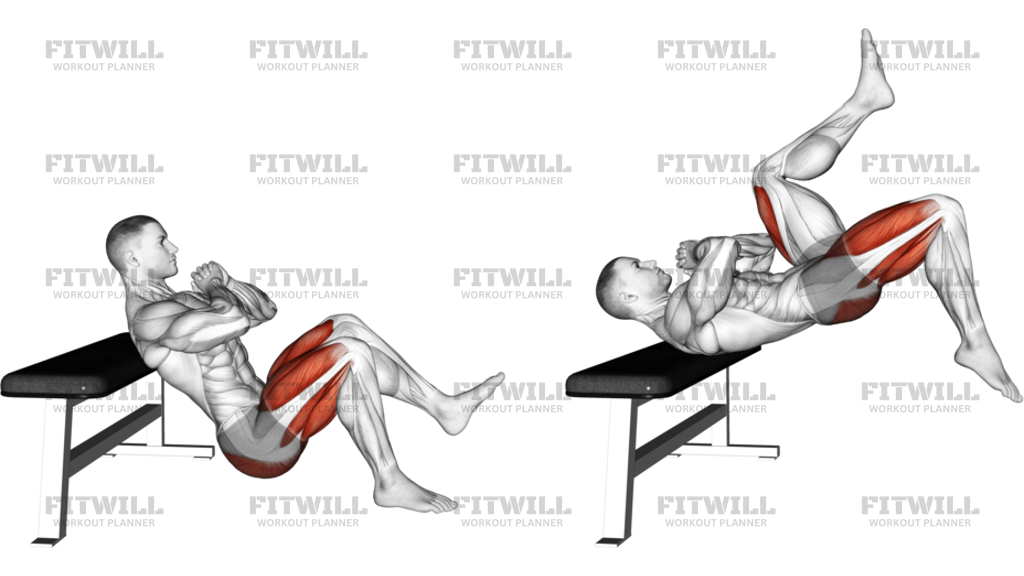
Lying Air Cycles is a floor-based core exercise where you pedal the legs in the air while keeping the torso quiet and the pelvis controlled. It is useful when you want a bodyweight movement that challenges lower abdominal control, hip flexor coordination, and trunk endurance without needing a machine or external load. The value of the exercise comes from keeping the movement smooth and deliberate rather than chasing speed.
The position matters because the lower back can take over if the ribs flare or the legs drift too low. Lying flat with the shoulders relaxed and the arms reaching long or resting by the sides gives you a stable base while the hips and abdominal wall do the work. A clean set should feel like the legs are cycling under control while the center of the body stays organized.
Lying Air Cycles are also a good test of how well you can coordinate alternating leg motion without letting one side of the pelvis twist or pop off the floor. When they are done correctly, the motion is small enough to stay honest but large enough to challenge the abs through a long set. That makes them a practical choice for core circuits, warmups, or accessory work after heavier lower-body training.
The easiest mistake is turning the movement into a fast bicycle kick with a loose trunk. If the knees bend and extend too wildly or the legs drop too low, the work shifts away from the abs and into momentum and hip flexors. Keeping the tempo steady, the breath controlled, and the range consistent makes Lying Air Cycles far more productive than chasing a bigger-looking rep.
Use them when you want a no-equipment core drill that reinforces pelvic control, rib position, and alternating leg coordination. They work well as a finisher, a low-impact conditioning piece, or a regression before more advanced leg-lowering and flutter variations. The goal is not to whip the legs around; the goal is to keep the trunk stable while the legs trace a smooth, repeatable cycle.
[ Workout Log & Planner ]
Put your next workout in Fitwill
Keep your plan and training log ready when you are.


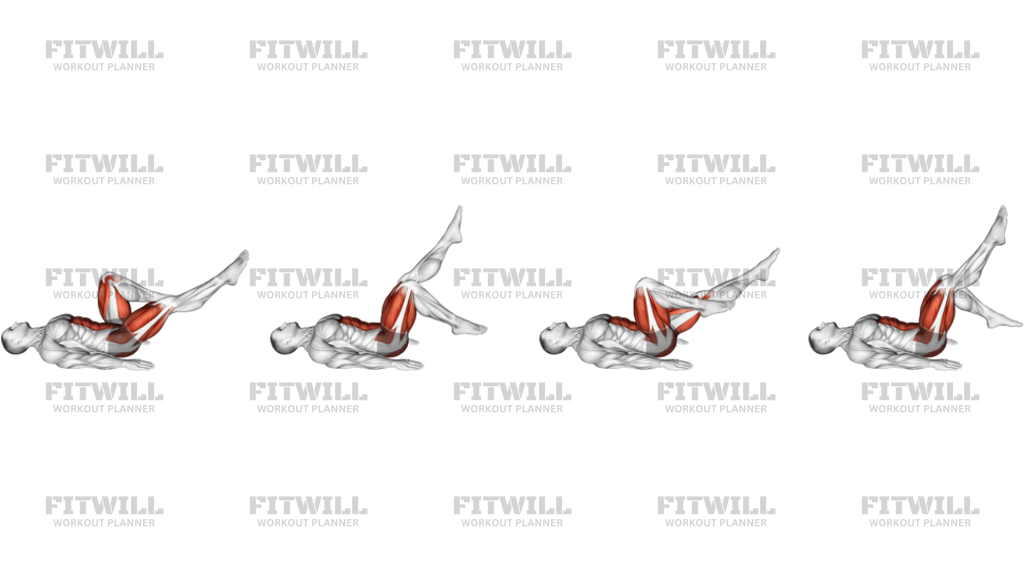
Instructions
- Lie on your back on a mat with your head down, arms by your sides or lightly braced on the floor, and your legs extended together.
- Press your lower back gently toward the mat and set your ribs down before you start the first rep.
- Lift both legs off the floor to a controlled starting height with the knees slightly bent, not locked out or dangling low.
- Keep one leg reaching long as the other leg bends in toward your torso, beginning a smooth alternating cycle.
- Pedal the legs in the air in a steady rhythm, with the hips staying as level as possible instead of rocking side to side.
- Keep the movement small enough that your lower back does not arch away from the mat.
- Exhale as one leg extends and the other folds in, then inhale as you switch sides and keep the neck relaxed.
- Continue for the planned number of cycles, then lower both legs under control and reset on the mat.
Tips & Tricks
- If your lower back pops off the mat, raise the legs higher and shorten the cycling range.
- Think of the thighs moving from the hips, not the feet kicking through a big arc.
- Keep the knees soft; locking them out usually makes the motion jerky and harder to control.
- A slow, even cadence works better than fast pedaling because it keeps tension on the abs.
- Let the shoulders stay heavy on the floor so the neck does not start doing the work.
- If your hips twist, make the circles smaller and keep both thighs traveling in the same plane.
- Use a tiny pause each time one leg reaches long if you want more control at the hardest point.
- Stop the set when you can no longer keep the pelvis quiet instead of adding speed to finish the reps.
- For a harder version, lower the working leg slightly only if the low back stays anchored.
Frequently Asked Questions
What does Lying Air Cycles work the most?
Lying Air Cycles mainly challenge the abs, especially the lower trunk, while the hip flexors help drive the alternating leg motion.
Should my lower back stay on the floor during Lying Air Cycles?
Yes. If your lower back arches up, the legs are probably too low or the cycle is too large, so shorten the range and raise the legs.
How fast should I do Lying Air Cycles?
Use a controlled pace that lets you switch legs without bouncing. Fast pedaling usually turns the drill into momentum work instead of core control.
Are Lying Air Cycles hard on the neck?
They should not be if your head stays relaxed on the mat. Keep your chin neutral and avoid pulling on the neck with your hands.
Can beginners do Lying Air Cycles?
Yes, but beginners should start with a smaller range and slower tempo. If needed, keep the legs higher and bend the knees more to make the position easier.
What is the most common mistake with Lying Air Cycles?
The most common mistake is letting the torso rock while the legs move too low and too fast. Keep the pelvis steady and let the abs control the switch.
Should I keep my legs straight in Lying Air Cycles?
A slight knee bend is fine and often better for control. Straight legs make the lever longer, which can be too demanding if your core is still working on stability.
How can I make Lying Air Cycles harder without weights?
Slow the tempo, lower the cycling legs a little while keeping the back flat, or extend the working leg farther on each switch without losing control.