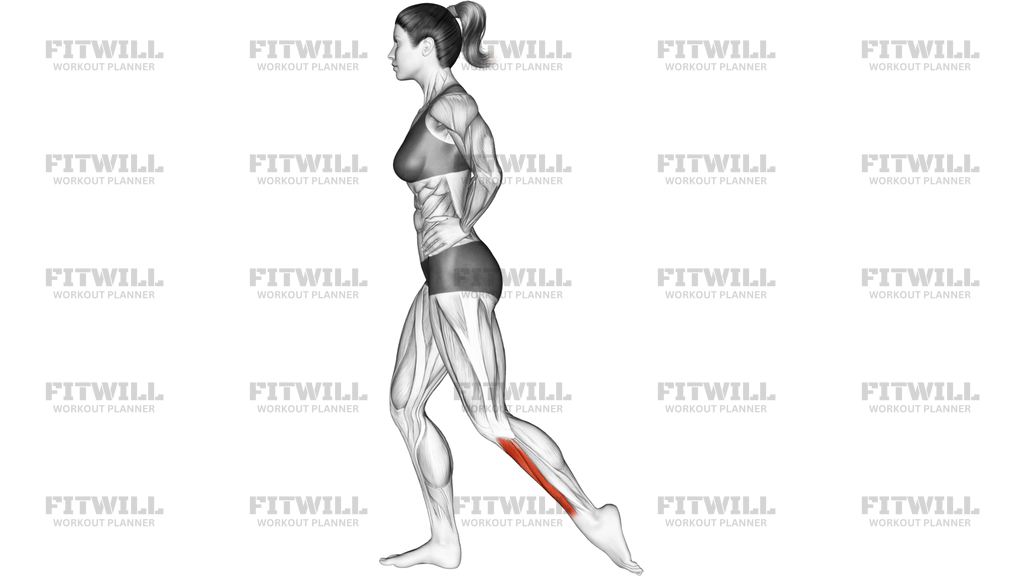
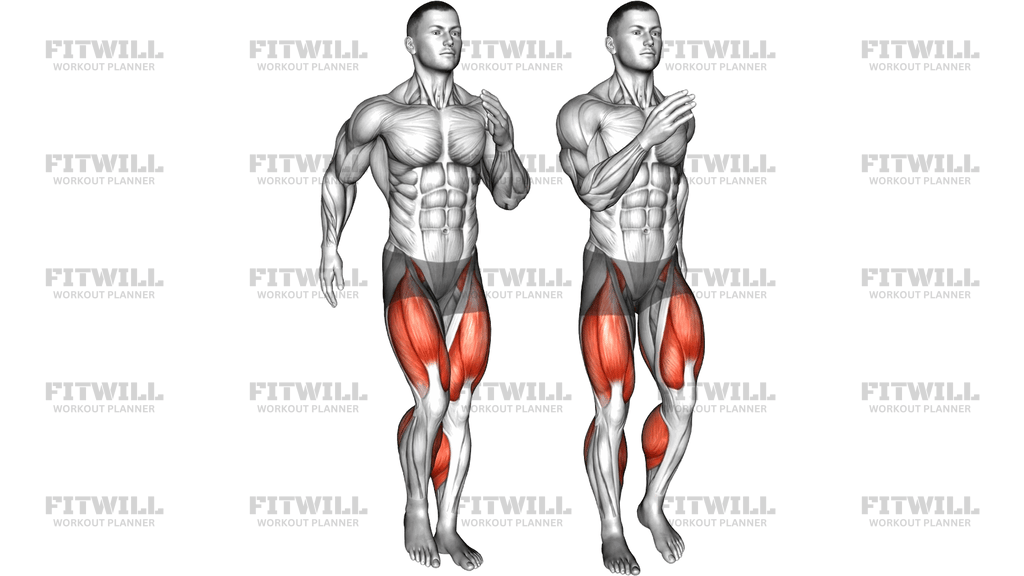
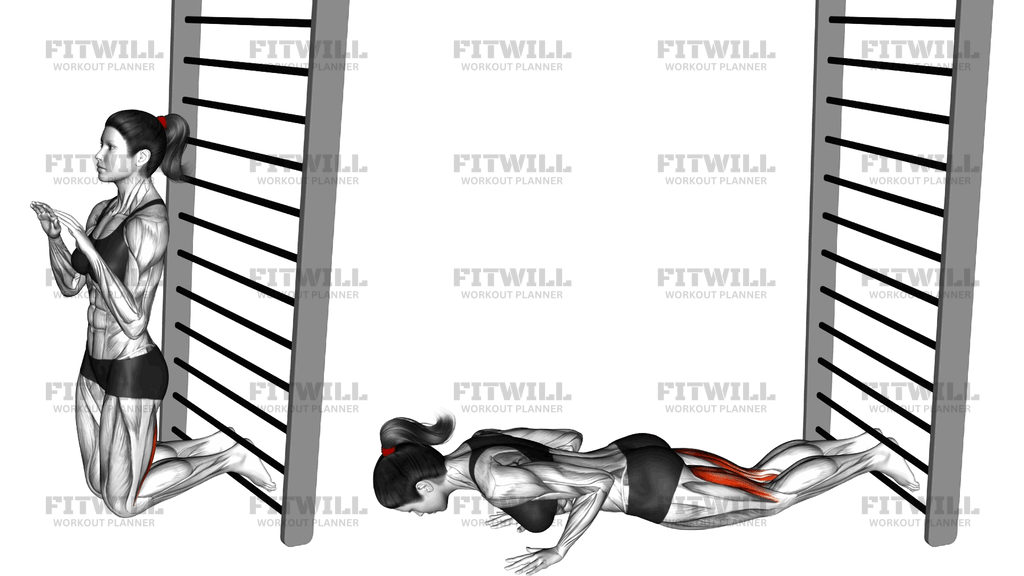
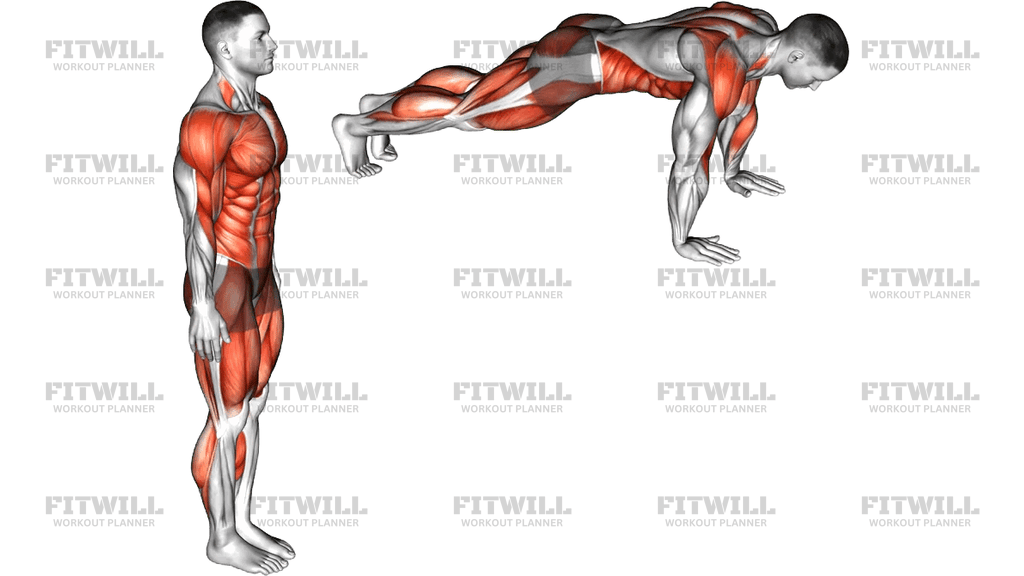
Standing Calf Raise Circle
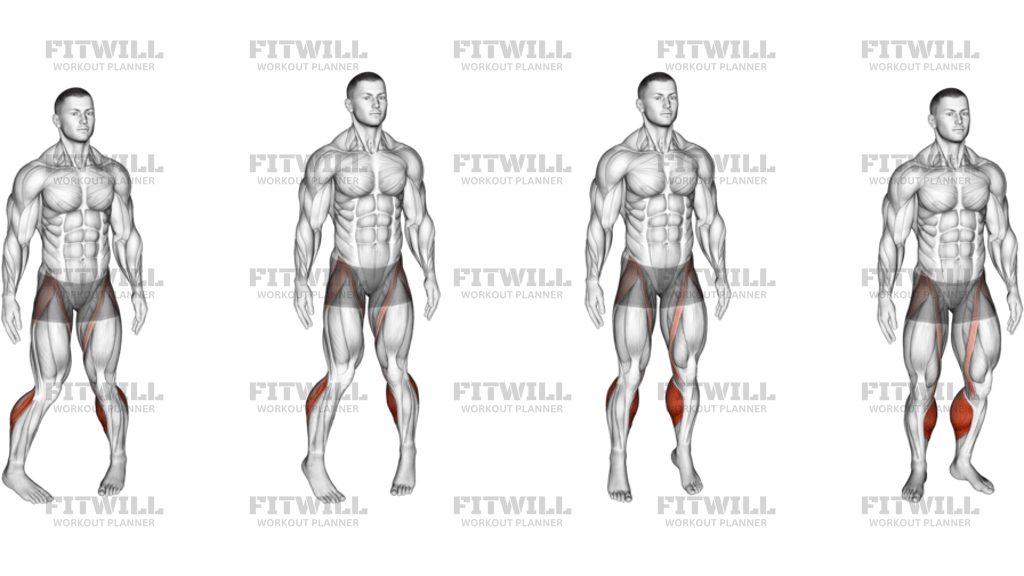
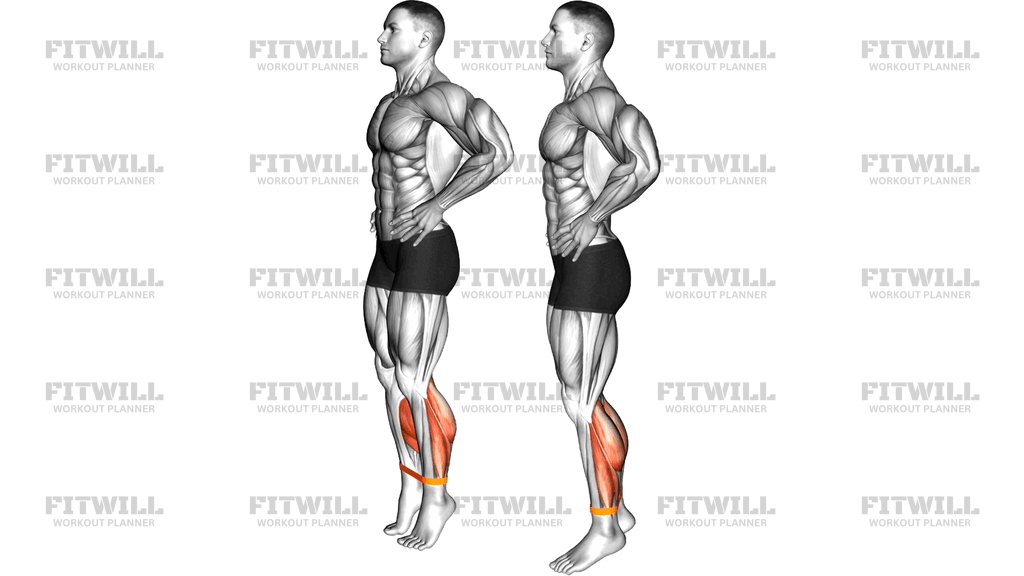
Standing Calf Raise Circle is a bodyweight calf exercise built around a small, controlled circular motion at the ankles. Instead of just rising straight up and down, you stay tall on the balls of your feet and trace a circle through the heels and lower legs, which adds a balance challenge while keeping steady tension on the calves.
That circular path makes the exercise useful for people who want more than a basic calf raise. It trains the gastrocnemius and soleus while also asking the feet, ankles, and lower legs to stay organized as pressure shifts around the forefoot. The result is a movement that can be used for calf activation, ankle control, or a light accessory finisher when you want precision rather than heavy loading.
The setup matters because the movement only works when you can keep your torso stacked and your support points quiet. Stand with your feet about hip-width apart, weight centered over the balls of the feet, and your knees softly bent rather than locked. Use a wall or post with one hand if you need balance, then lift the heels enough to feel the calves engage before starting the circle.
Each repetition should stay small and smooth. Move the heels in one direction, then reverse them after a set or at the midpoint, keeping the arches from collapsing and the ankles from rolling hard to either side. The goal is not a dramatic swing; it is a clean circle that keeps the calves under tension while the rest of the body stays still.
Standing Calf Raise Circle is especially useful as a warm-up before lower-body training, as an ankle-control drill for runners and field athletes, or as light finishing work when heavy calf loading does not fit the session. It is also a good option for beginners because the load is just bodyweight, but the movement still demands coordination. If the exercise turns into hip swaying or foot wobbling, shorten the circle and slow the tempo until the lower legs can control it again.
Fitwill
Log Workouts, Track Progress & Build Strength.
Achieve more with Fitwill: explore over 9600 exercises with images and videos, access built-in and custom workouts, perfect for both gym and home sessions, and see real results.
Start your journey. Download today!




Instructions
- Stand tall with your feet about hip-width apart, then place your weight over the balls of both feet.
- Keep your knees softly bent and stack your ribs over your hips so you can balance without leaning forward.
- Lightly touch a wall, rack, or post with one hand if you need help staying steady.
- Rise onto your toes until your heels are lifted and your calves are fully engaged.
- From the top position, draw a small circle with your heels by rolling pressure forward, outward, back, and inward.
- Keep the balls of your feet planted and let the motion come from the ankles instead of the hips.
- Reverse the circle after the planned number of reps or after each set, depending on your workout.
- Lower the heels with control, reset your stance, and repeat for the next rep or set.
Tips & Tricks
- Keep the circle small; if the arch collapses, the range is too big for clean calf work.
- Think about moving the heels around the forefoot, not swinging the knees or hips.
- Use fingertip support only when needed so the calves still have to control the motion.
- A soft knee bend helps the soleus stay involved and usually makes the circle smoother.
- Pause briefly at the highest heel position if you want more tension on the calves.
- If your ankles roll hard to the outside, reduce the circle and keep pressure centered under the big toe mound.
- Slow the tempo until each direction of the circle looks identical and does not wobble.
- Stop before the lower legs cramp; calf circles get sloppy once fatigue takes over the foot position.
Frequently Asked Questions
What muscle does Standing Calf Raise Circle target most?
It mainly targets the calves, especially the gastrocnemius and soleus, while the feet and ankles help control the circular path.
Can beginners perform this exercise?
Yes. Because it uses bodyweight, beginners can learn the foot position and balance demands without needing extra load.
Should my heels make a big circle in Standing Calf Raise Circle?
No. Keep the circle small and smooth so the calves stay loaded and the ankles do not roll sharply from side to side.
Do I need to hold onto something for Standing Calf Raise Circle?
A light fingertip touch on a wall or rack is fine if balance is an issue, but do not lean so much that the calves stop working.
What should I feel moving during the circle?
You should feel the work around the calves and ankles, not a twist through the hips or a wobble in the knees.
Is Standing Calf Raise Circle more of a strength exercise or a warm-up?
It can be either, but it is especially useful as a warm-up, accessory drill, or light finisher rather than a heavy strength movement.
What is the biggest mistake in Standing Calf Raise Circle?
The most common mistake is letting the feet collapse or the body sway while trying to make the circle too large.
How do I make Standing Calf Raise Circle harder?
Slow the tempo, reduce hand support, and pause higher on the toes before each circle so the calves stay under tension longer.