Kick Side Jump
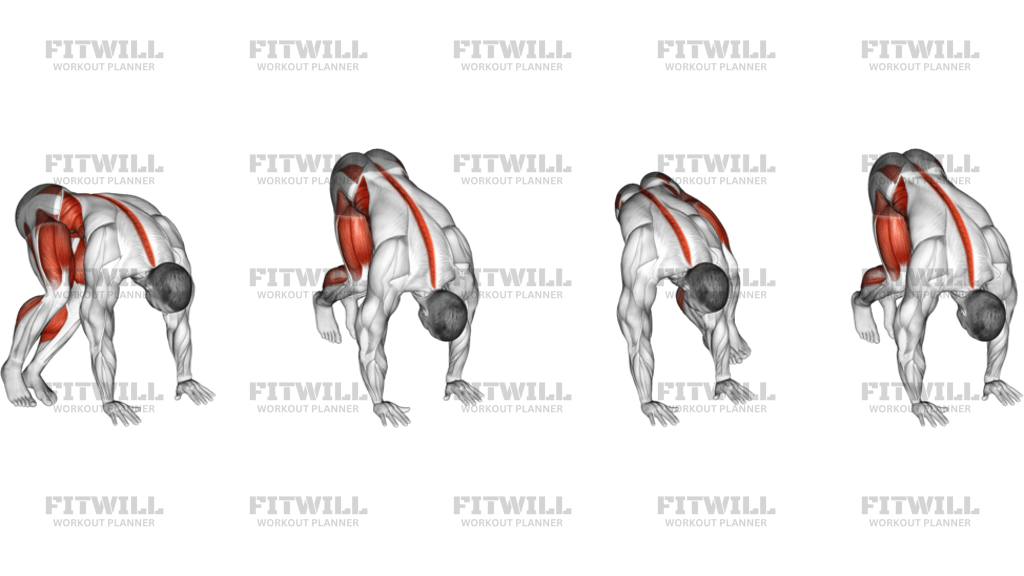
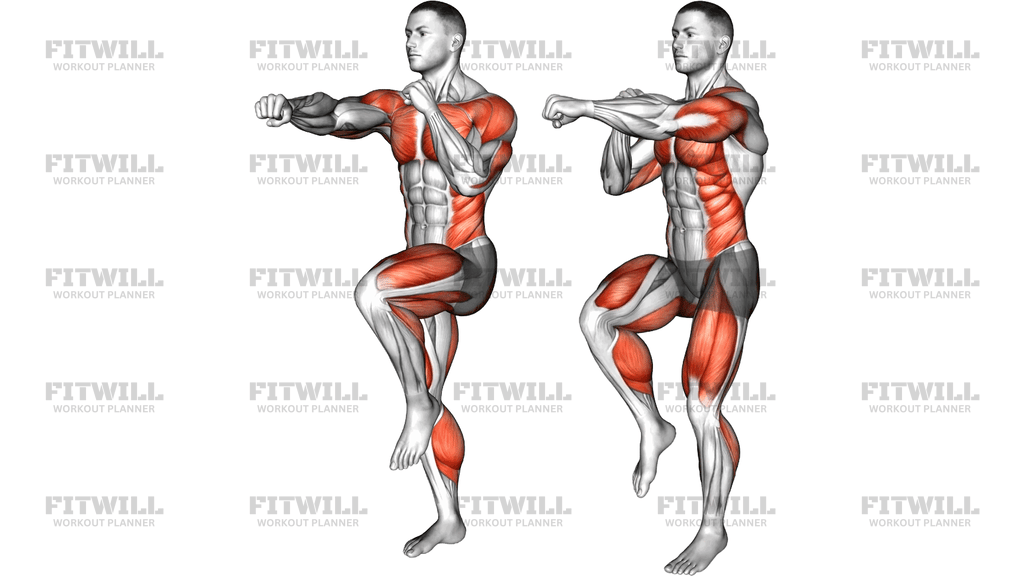
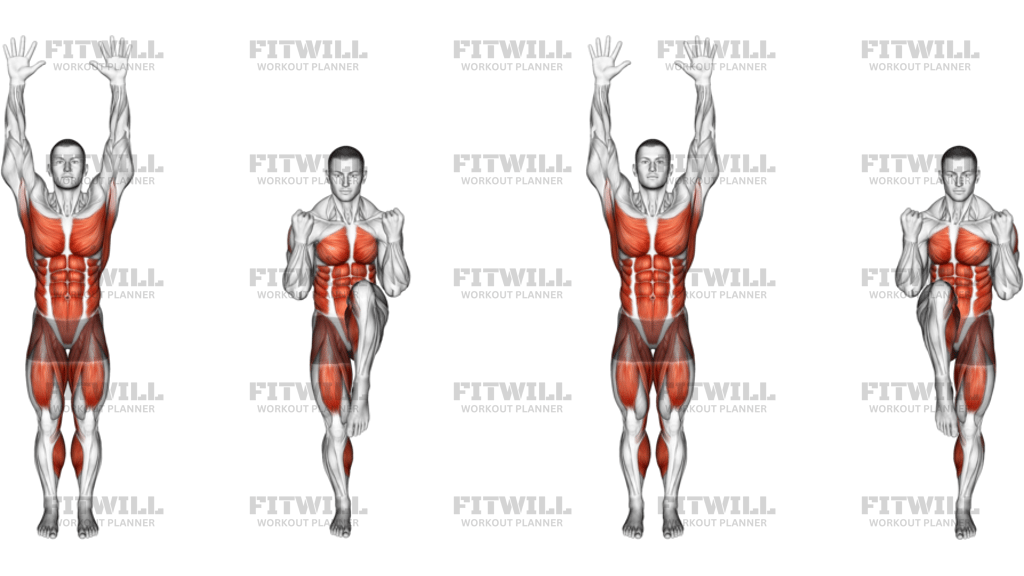
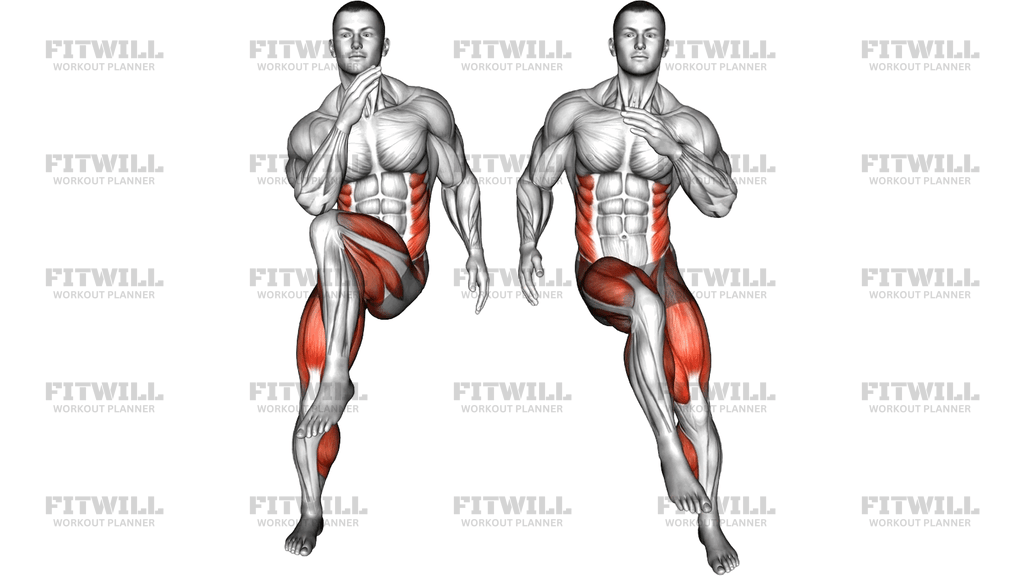
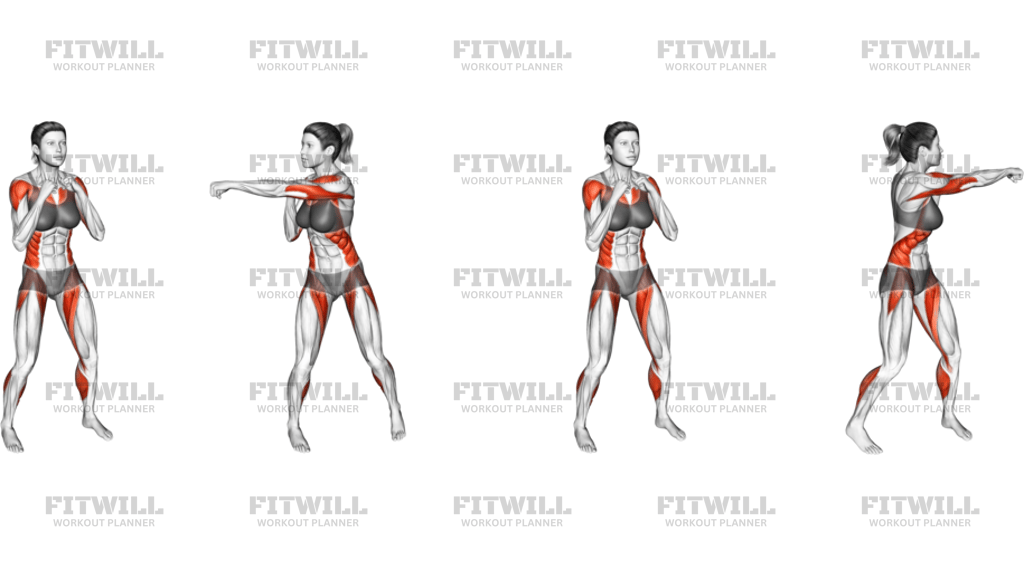
Kick Side Jump is a bodyweight plyometric drill built around quick lateral drives, soft landings, and a compact athletic crouch. It is useful when you want to train side-to-side power without loading the movement with external weight. The emphasis is on staying springy and organized while the feet leave and meet the floor repeatedly.
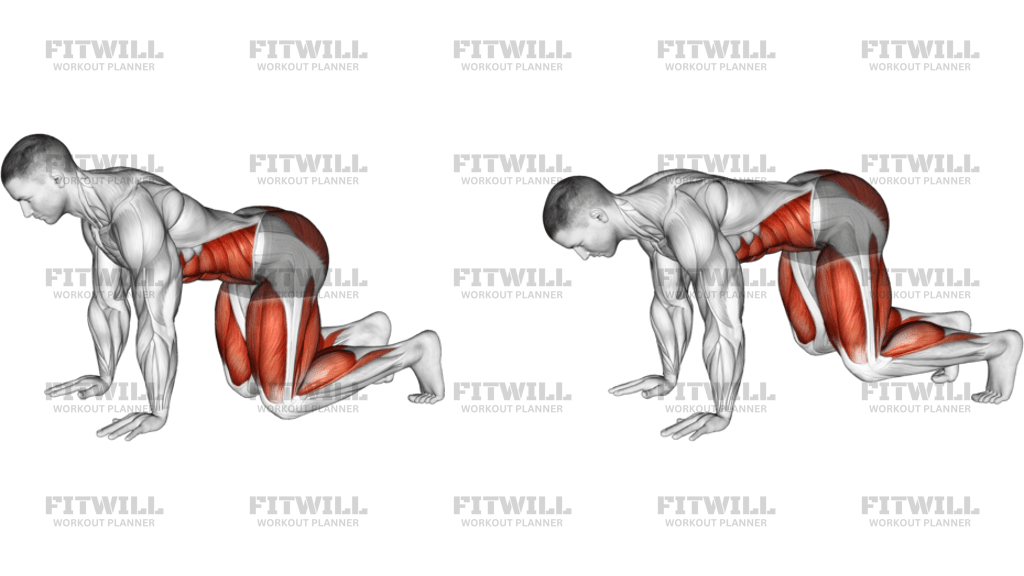
The setup matters because this exercise starts from a low, floor-supported position. With your hands close to the floor, hips hinged, and knees bent, you have to keep your center of mass under control before each jump. That position lets you shift from one side to the other without collapsing through the trunk or throwing the legs wildly off line.
Kick Side Jump challenges the lower body and core together. The legs provide the push, but the torso has to stay braced so the jump stays clean and the landing stays quiet. If the upper body drifts, the exercise becomes a scramble; when the body stays compact, each rep feels more like a deliberate athletic change of direction.
Use a small, repeatable side-to-side distance and let the landing absorb through the ankles, knees, and hips. The goal is not maximum height; it is crisp floor contact, fast redirection, and a controlled kick or drive to the next side. That makes the drill a good fit for warmups, conditioning blocks, or plyometric circuits where coordination matters as much as speed.
Because this is a jumping drill, technique should always outrank volume. Stop the set if the landings get loud, the knees cave inward, or the torso starts twisting to create extra momentum. Beginners can scale it down by reducing the jump distance or turning the side jump into a step-and-drive pattern until the rhythm feels stable.
Fitwill
Log Workouts, Track Progress & Build Strength.
Achieve more with Fitwill: explore over 9600 exercises with images and videos, access built-in and custom workouts, perfect for both gym and home sessions, and see real results.
Start your journey. Download today!




Instructions
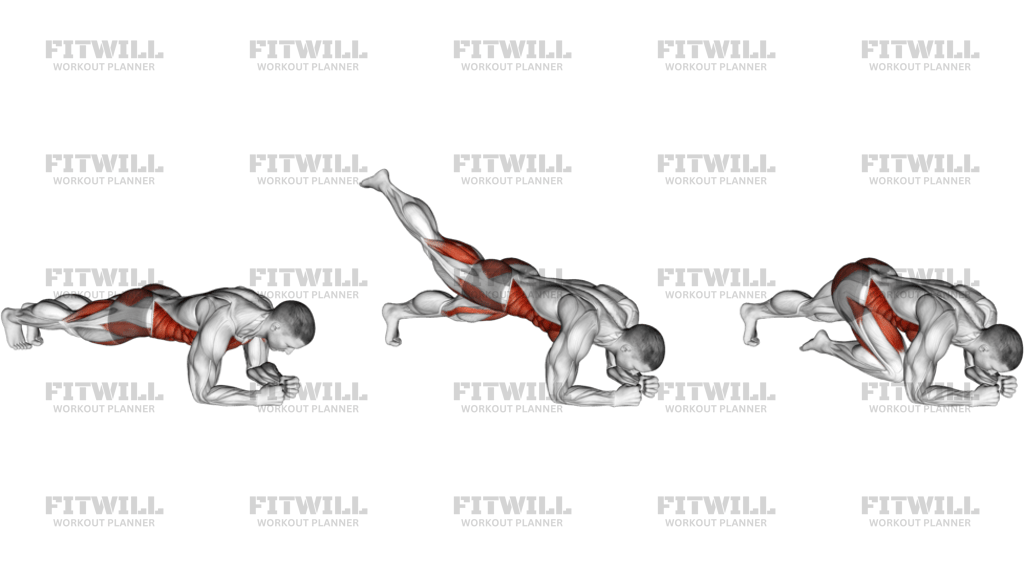
- Start in a low crouch with both palms near the floor, shoulders over your hands, hips hinged, and knees bent.
- Keep your weight on the balls of your feet and your chest angled toward the floor so you can spring sideways without losing balance.
- Brace your midsection, keep your neck long, and look a few feet ahead of your hands.
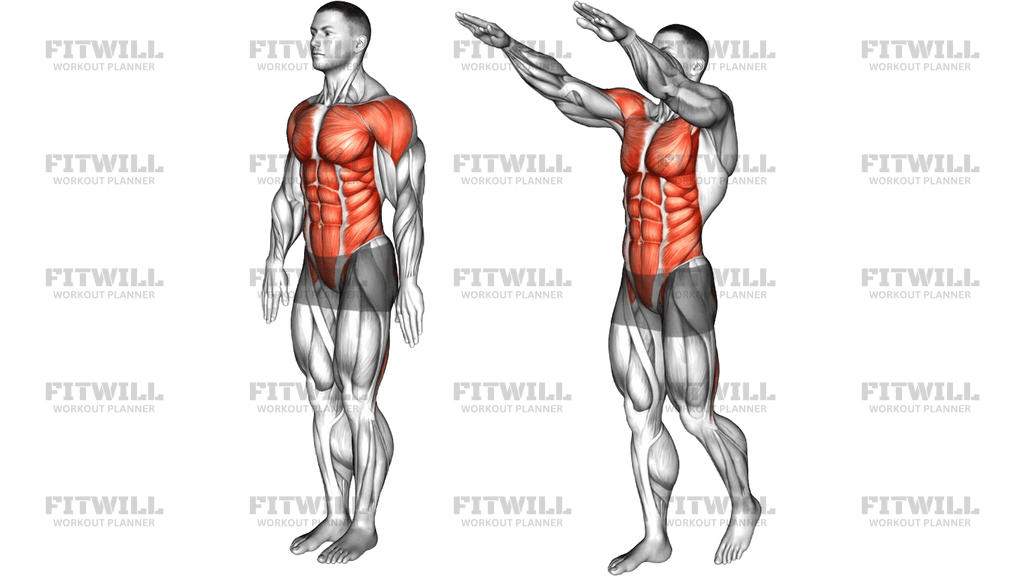
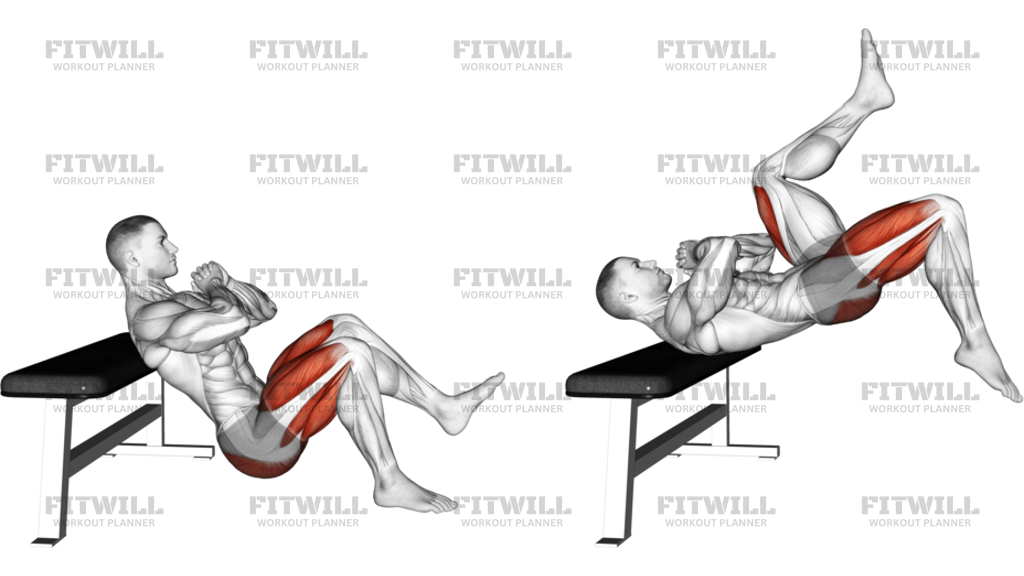
- Shift your weight into one side, then drive off the floor and jump laterally with a small kicking motion through the free leg.
- Land softly on the opposite side with bent knees and quiet feet, letting the ankles, knees, and hips absorb the impact.
- Re-stack the crouched position before the next rep instead of letting your torso spin open.
- Use your hands lightly for balance if needed, but do not dump your weight into them.
- Exhale as you jump and inhale as you settle into the landing.
- Continue alternating sides for the planned reps, then stand up under control when the set is finished.
Tips & Tricks
- Think of this as a quick lateral spring, not a big jump. Small, sharp reps usually look cleaner and land better than huge side travel.
- Keep the landing quiet. If your feet slap the floor, shorten the jump and soften the knee bend on contact.
- Let the kick be a controlled drive through the leg, not a wild swing that pulls your hips open.
- If your shoulders collapse toward one hand, raise your chest slightly and reduce the speed until you can stay square.
- Keep your knees tracking over your toes on every landing so the force spreads through the whole leg.
- Use a short stance if you feel unstable; a narrower crouch often makes the side switch easier to control.
- Stop a set as soon as the torso starts rotating to buy the jump instead of the legs doing the work.
- Treat the floor contact like a spring: load, push, land, reset, and repeat without pausing too long.
Frequently Asked Questions
What muscle does Kick Side Jump target most?
It mainly trains the legs and glutes through the side jump, with the core working hard to keep your torso from twisting.
Can beginners perform this exercise?
Yes, but beginners should keep the jump small and focus on soft, balanced landings before trying to move faster.
Do my hands stay on the floor during Kick Side Jump?
They can stay close to the floor for balance, especially in the low crouch shown here, but the legs should still create the jump.
What is the biggest form mistake?
Throwing the torso and twisting through the shoulders instead of pushing sideways with the legs is the most common error.
Should Kick Side Jump feel like cardio or strength work?
It can feel like both, but the priority is plyometric control and lateral power rather than steady aerobic pacing.
What should I do if the landing feels unstable?
Reduce the side-to-side distance and slow the reset so you can re-center your feet before the next jump.
What are good alternatives to Kick Side Jump?
Skater hops, side-to-side squat jumps, or a step-and-drive version work well if you need a lower-impact substitution.
How many reps should I do?
Keep the reps low to moderate and stop before your landings get loud or your posture starts to break down.
Is Kick Side Jump safe for the wrists?
It can be if the hands only assist balance, but elevate the hands or skip the floor support if your wrists do not tolerate the crouched position well.