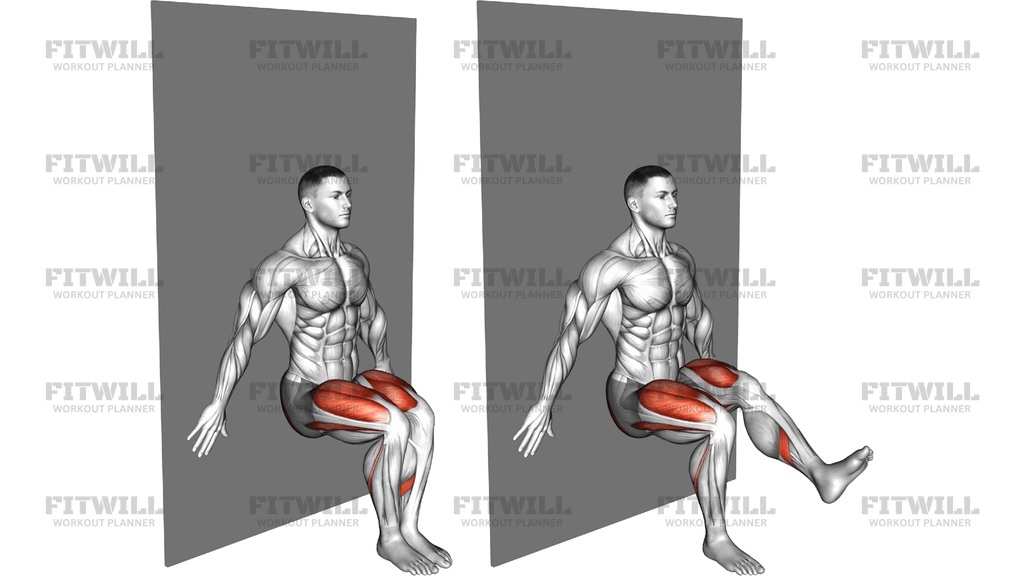
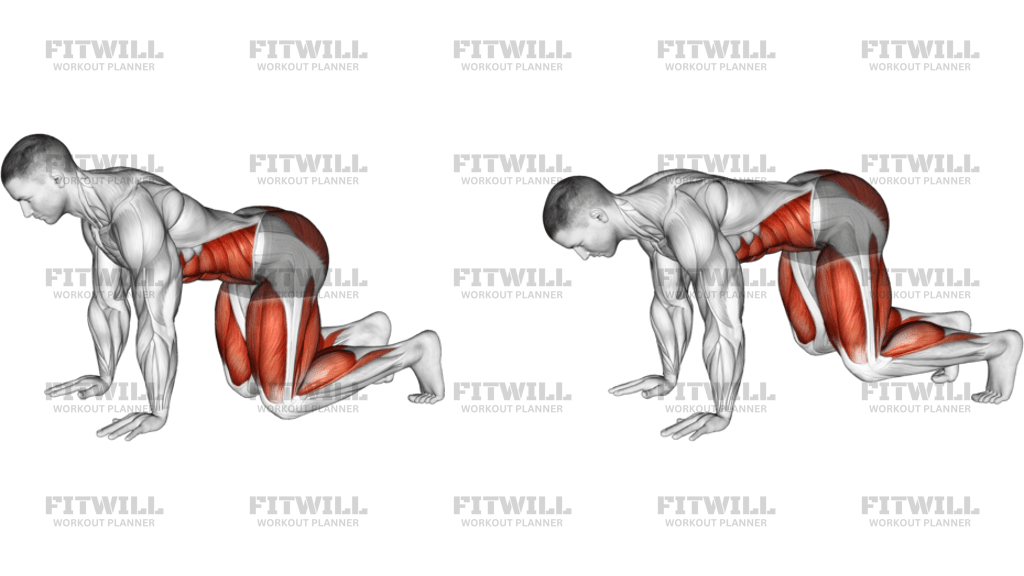
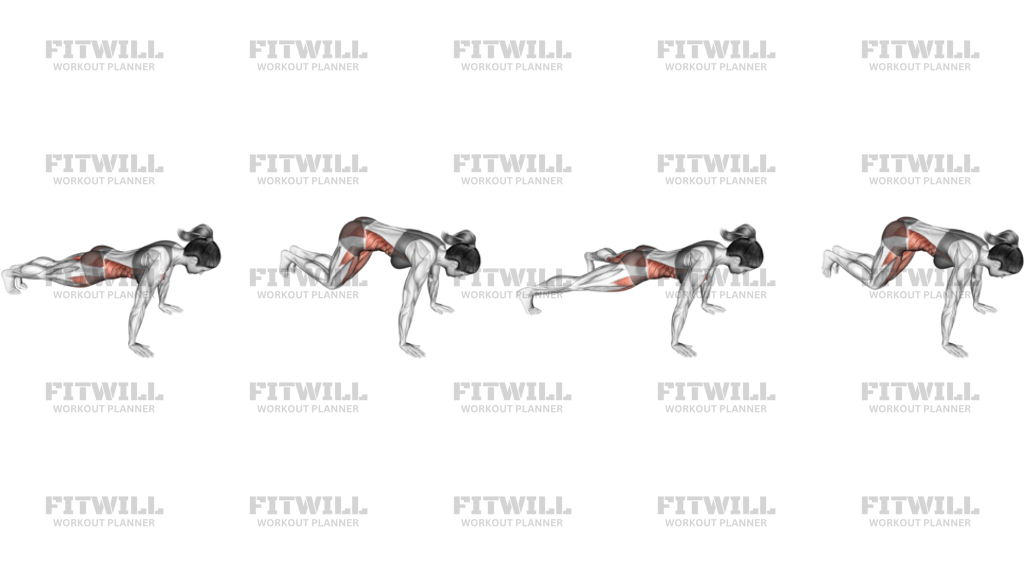
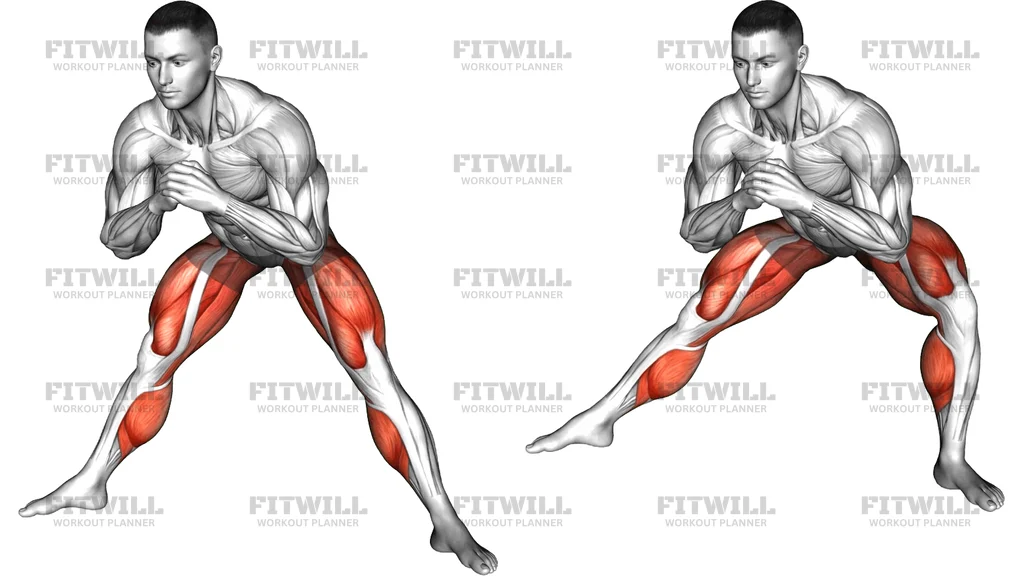
Standing Leg Circle
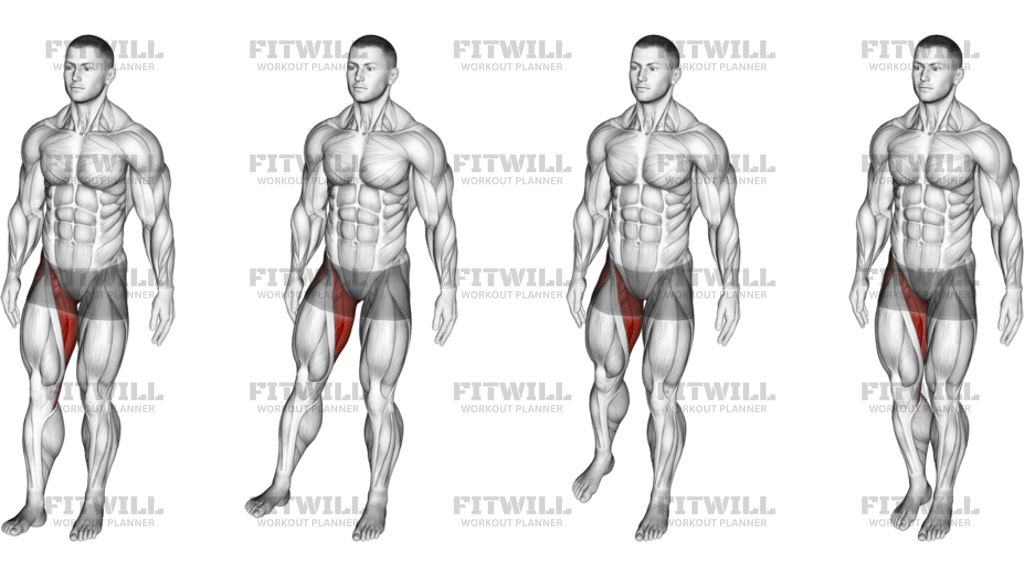
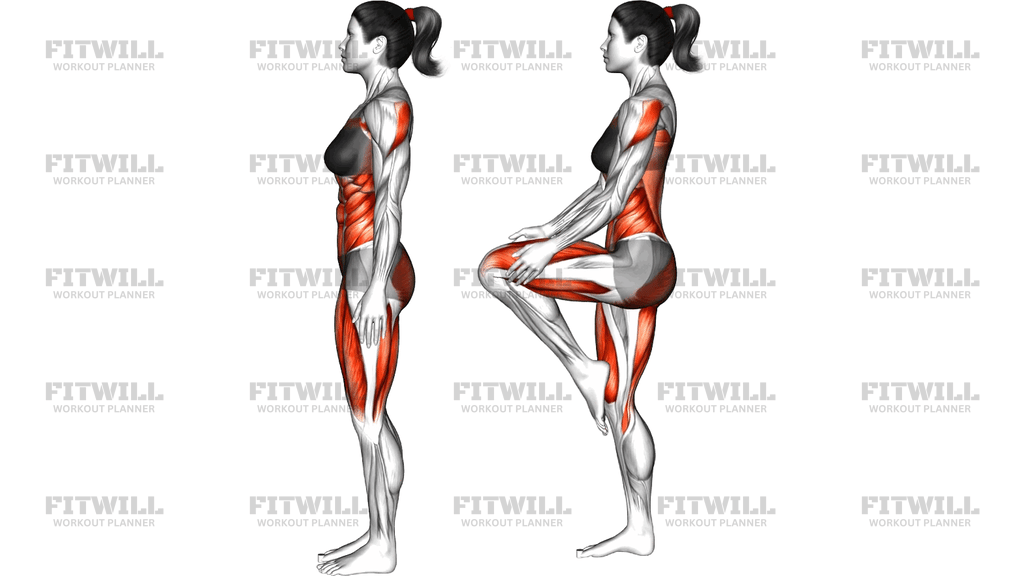
Standing Leg Circle is a bodyweight hip control drill that asks one leg to trace a smooth circle while the other leg keeps you upright. It is useful as a warm-up, activation drill, or low-load accessory movement when you want better hip awareness, cleaner balance, and more control around the pelvis. The exercise looks simple, but the quality comes from keeping the torso quiet while the free leg moves through a deliberate path.
This movement trains the hips, glutes, and deep core to work together, with the standing leg doing most of the stabilizing. The lifted leg should move from the hip socket instead of swinging from the knee or lower back. When the circle is clean, you should feel the standing side steadying the body and the working side guiding the leg through the front, side, and back of the circle without jerking.
Start by standing tall on one leg, with the other foot hovering a few inches off the floor. A light fingertip hold on a wall or rack can help if balance is the limiting factor, but the support should stay minimal. Keep your ribs stacked over your hips, soften the standing knee, and let the lifted leg draw a controlled loop while the pelvis stays level.
The best repetitions are small, smooth, and repeatable. If the circle gets too large, the low back starts to arch, or the standing hip shifts side to side, the range is too aggressive. Keep the motion pain-free, breathe steadily, and reverse direction with the same level of control so both hips get equal attention.
Standing Leg Circle fits well in sessions where you want joint preparation, balance practice, or a gentle way to wake up the hip stabilizers before heavier lower-body work. It also works as a corrective-style drill when one side feels less coordinated than the other. Use it with patience: the goal is not height or speed, but a steady circle that keeps the standing leg, pelvis, and trunk organized from start to finish. Over time, cleaner circles usually matter more than bigger circles, because they teach the hips to move independently without losing posture.
[ Workout Log & Planner ]
Put your next workout in Fitwill
Keep your plan and training log ready when you are.


Instructions
- Stand tall with your feet under your hips and shift your weight onto one leg.
- Let the other foot hover a few inches off the floor and keep a soft bend in both knees.
- Stack your ribs over your pelvis and keep your torso facing forward.
- Brace lightly through your midsection so the standing hip stays level.
- Sweep the free leg forward, out to the side, back behind you, and down to complete one slow circle.
- Keep the circle small enough that your standing foot does not roll or spin.
- Breathe out through the effort and inhale as the leg passes through the easiest part of the circle.
- Complete the planned reps, then reverse the circle and repeat on the other side.
- Lower the lifted foot under control and reset your stance before the next set.
Tips & Tricks
- Use fingertip support on a wall or rack if you cannot keep the pelvis level without it.
- Keep the lifted knee slightly bent; locking the leg straight usually turns the circle into a swing.
- Make the circle from the hip joint, not by twisting the foot or lower back.
- If the standing knee caves inward, shorten the circle and press the standing foot tripod-style into the floor.
- A smaller circle with a quiet torso is more useful than a big circle with trunk sway.
- Stop the rep if you feel a sharp pinch in the front of the hip or groin.
- Reverse directions evenly so one hip does not get all the work in the same pattern.
- Move slowly enough that you can feel the standing glute and outer hip control each pass.
Frequently Asked Questions
What does Standing Leg Circle train?
It mainly trains hip control, balance, and pelvic stability, with the standing glute and deep core doing most of the stabilization work.
Is Standing Leg Circle a stretch or a strength drill?
It is mostly a low-load mobility and control drill. You should feel gentle movement around the hip, but the real goal is coordination and stability.
Do I need to hold onto something during Standing Leg Circle?
Not necessarily, but a light fingertip touch on a wall or rack is helpful if balance keeps you from controlling the circle cleanly.
Should the working leg stay straight?
No. A soft bend in the knee usually makes the circle smoother and reduces strain on the hip and lower back.
How big should the circle be in Standing Leg Circle?
Small enough that your pelvis stays level and your torso does not sway. If the movement starts looking like a swing, the circle is too large.
What muscles should I feel most?
You should feel the standing glute, outer hip, and deep core holding you steady, with the moving leg working through the hip rather than the knee.
What is the most common mistake?
The most common mistake is using momentum from the trunk or lower back instead of tracing a controlled circle from the hip.
How can I make Standing Leg Circle harder?
Reduce the amount of hand support, slow the circle down, or make the path slightly larger while keeping the pelvis quiet.