Silent Burpee
Silent Burpee is a low-impact, bodyweight conditioning drill built around a squat, floor contact, plank, and a controlled return to standing. Unlike a classic burpee, this version is meant to stay quiet and organized: the feet land softly, the trunk stays braced, and the hands move directly to the floor instead of chasing speed. It is useful when you want a metabolic exercise without the jumpy, high-noise finish.
The movement challenges the quads, glutes, shoulders, core, and calves while also asking your breathing to keep pace with the work. Because the exercise changes levels quickly, the setup matters: a stance that lets you squat comfortably, palms placed firmly on the floor, and a plank position that keeps the ribs stacked over the pelvis. If the start position is sloppy, the transitions get noisy and the lower back tends to sag.
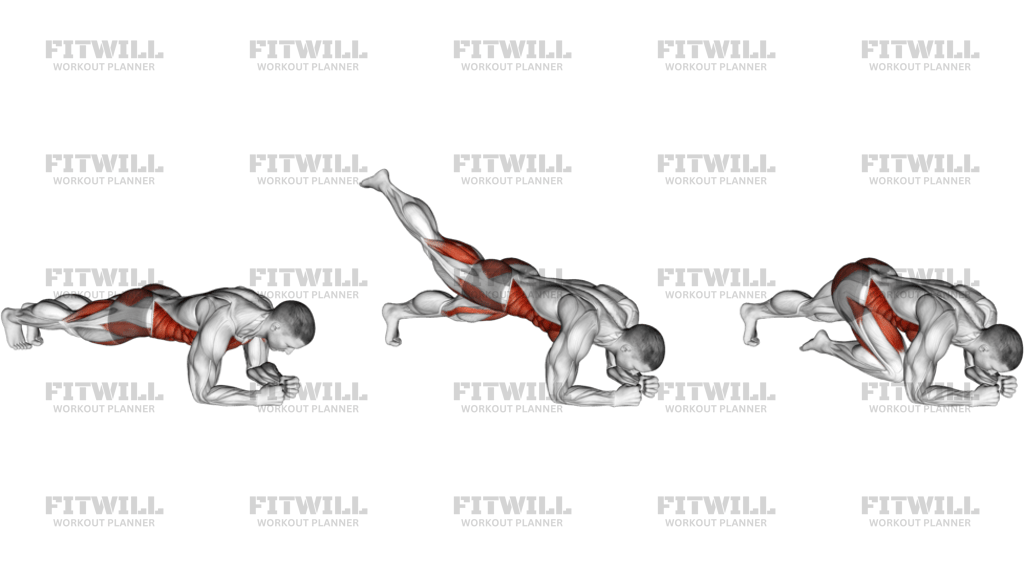
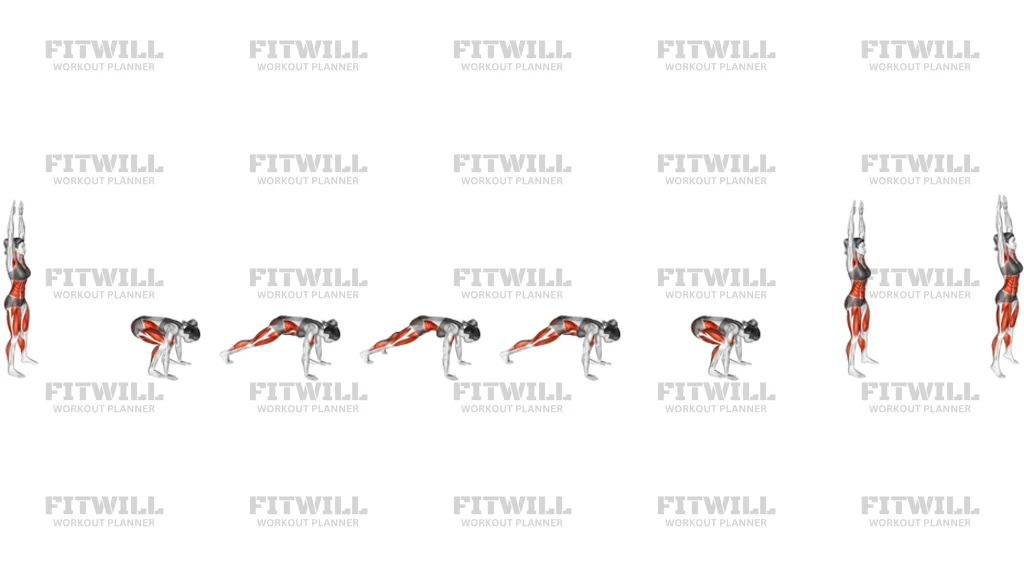
To perform Silent Burpee well, lower under control, put the hands down in front of the feet, step the feet back one at a time to a strong high plank, then step the feet back underneath you and stand tall. The "silent" part comes from absorbing each transition with bent knees and deliberate foot placement, not from freezing the movement. Keep the chest proud in the squat and avoid rushing the return.
This exercise works well in warm-ups, circuit training, bodyweight sessions, or conditioning finishers when you want a full-body effort that does not require equipment. It can also be a practical progression for someone learning how to coordinate floor-to-stand movement before adding a jump or push-up. If your goal is power, the tempo should still stay crisp, but the rep should never look chaotic.
The safest repetitions are the ones where you can keep your hands planted, your plank stable, and your landing quiet from start to finish. If the shoulders drift behind the wrists, the hips drop in plank, or the squat turns into a fold at the waist, shorten the pace and clean up the mechanics before adding speed. Done well, Silent Burpee is a simple conditioning tool that builds work capacity without turning every rep into a noisy impact drill.
Fitwill
Log Workouts, Track Progress & Build Strength.
Achieve more with Fitwill: explore over 9600 exercises with images and videos, access built-in and custom workouts, perfect for both gym and home sessions, and see real results.
Start your journey. Download today!




Instructions
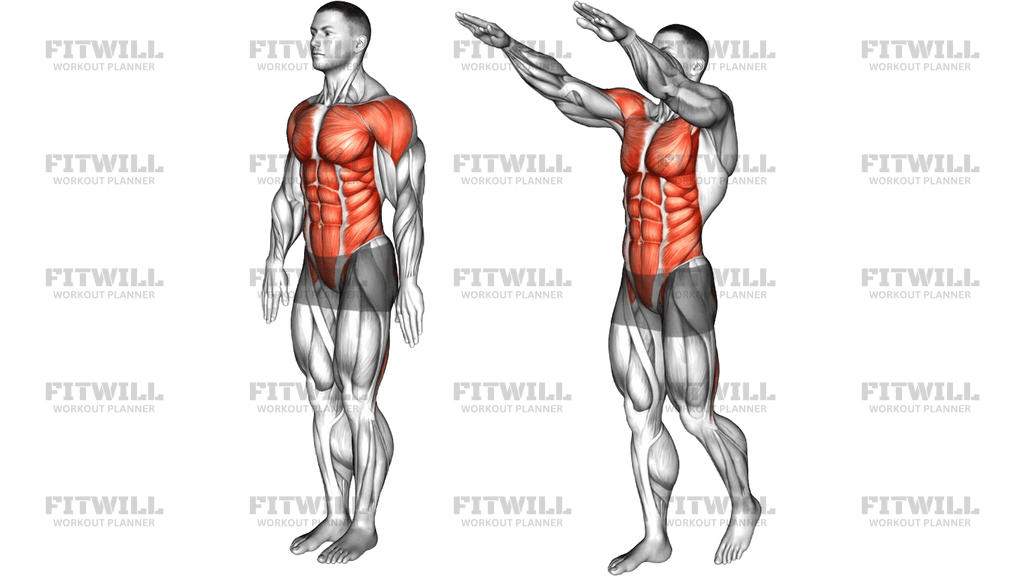
- Stand tall with your feet about hip-width apart and reach your arms overhead to begin.
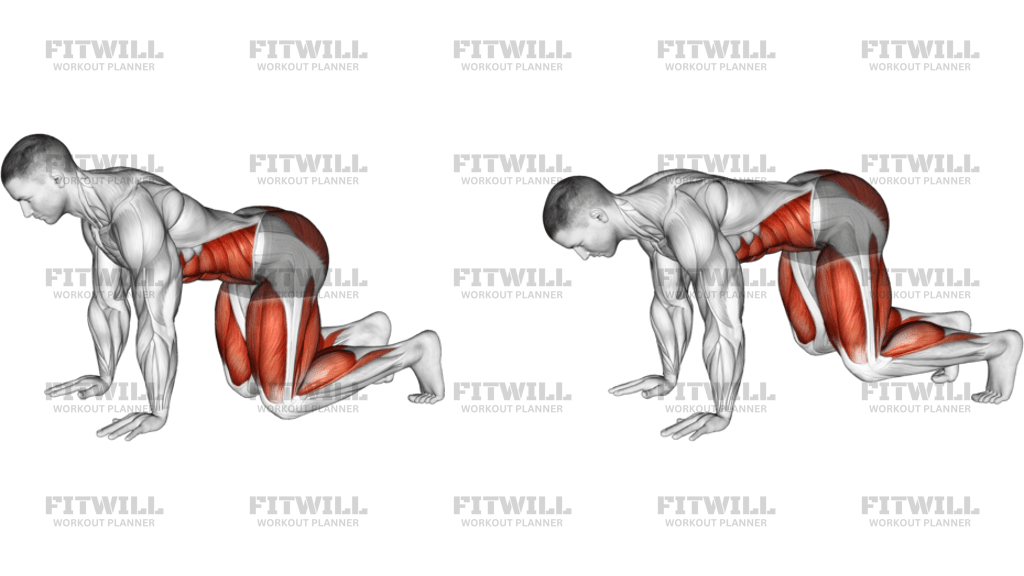
- Bend your knees and hips to sit into a squat, then place both hands on the floor just in front of your feet.
- Shift your weight into your palms and step both feet back to a high plank, stacking your shoulders over your wrists.
- Keep your body in one line from head to heels and brace your core so your lower back does not sag.
- Step one foot at a time back under your hips, landing softly in a low squat with your heels down.
- Drive through your feet to stand up, keeping the movement smooth rather than explosive.
- Finish by reaching your arms overhead and squeezing your glutes at the top.
- Repeat for the planned number of reps, keeping every foot landing as quiet as possible.
Tips & Tricks
- Place your hands flat on the floor far enough in front of your toes that you can step back without collapsing your chest.
- Step back instead of jumping back if you want the quietest version and less impact on the knees and ankles.
- Keep your shoulders slightly in front of your wrists in plank so your upper body stays active and stable.
- Do not let your hips sag when both feet are back; think of pulling your belt buckle toward your ribs.
- Keep your heels down as you rise out of the squat so the stand-up does not turn into a forward fold.
- Exhale as you step in and stand up, which helps keep the rep smooth and prevents breath-holding.
- If the floor-to-stand transition gets messy, slow the rep down before adding more speed.
- Stop the set when the landings start getting loud, because that usually means the core and hips have stopped controlling the descent.
Frequently Asked Questions
What muscles does Silent Burpee work?
It mainly trains the quads, glutes, shoulders, core, and calves while also giving you a strong conditioning effect.
Is Silent Burpee the same as a regular burpee?
It uses the same floor-to-stand pattern, but the goal here is quieter, lower-impact transitions instead of a jumpy, explosive rep.
Do I need to jump my feet back?
No. Stepping the feet back and in is a better match for the silent version and usually keeps the rep cleaner.
Should I add a push-up?
Not unless your program specifically calls for it. The version shown here is a bodyweight squat-to-plank-to-stand drill without a push-up.
How do I keep the rep quiet?
Lower into the squat with bent knees, place the feet down softly, and avoid snapping into the top position.
Can beginners do this exercise?
Yes, especially if they step back and step in instead of jumping and keep the pace moderate.
Why do my wrists feel loaded in the plank?
Your hands may be too far forward or your shoulders may be drifting behind the wrists; keep the palms under the shoulders and spread the fingers.
Where should I feel the hardest part?
Most people feel the legs and lungs during the stand-up, with the core and shoulders working to keep the plank solid.