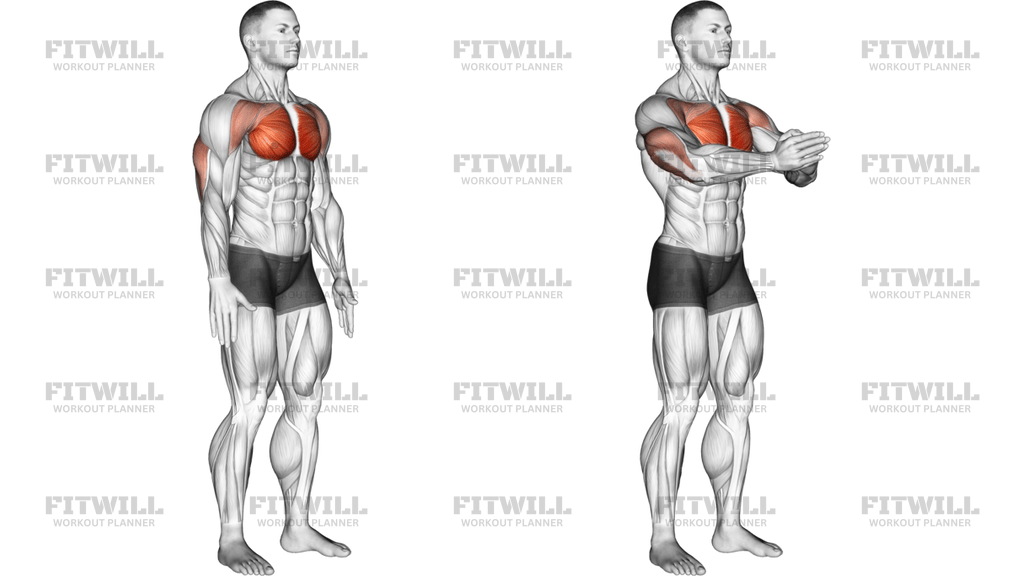
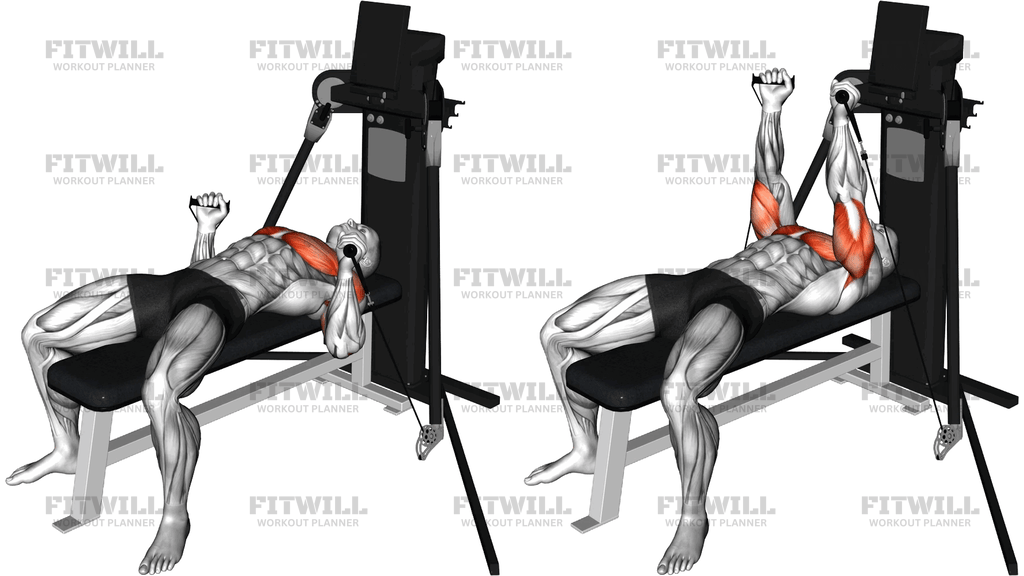
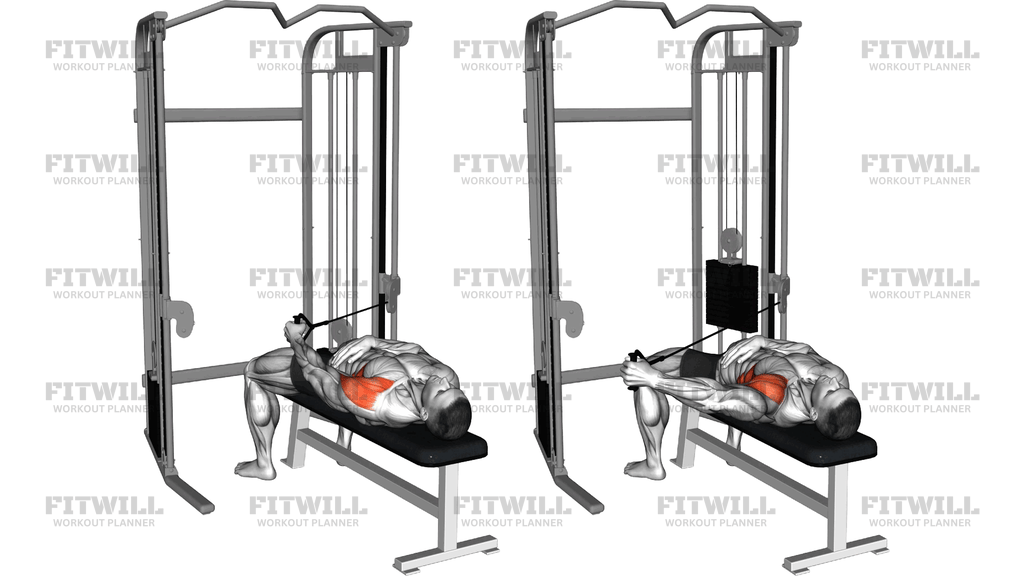
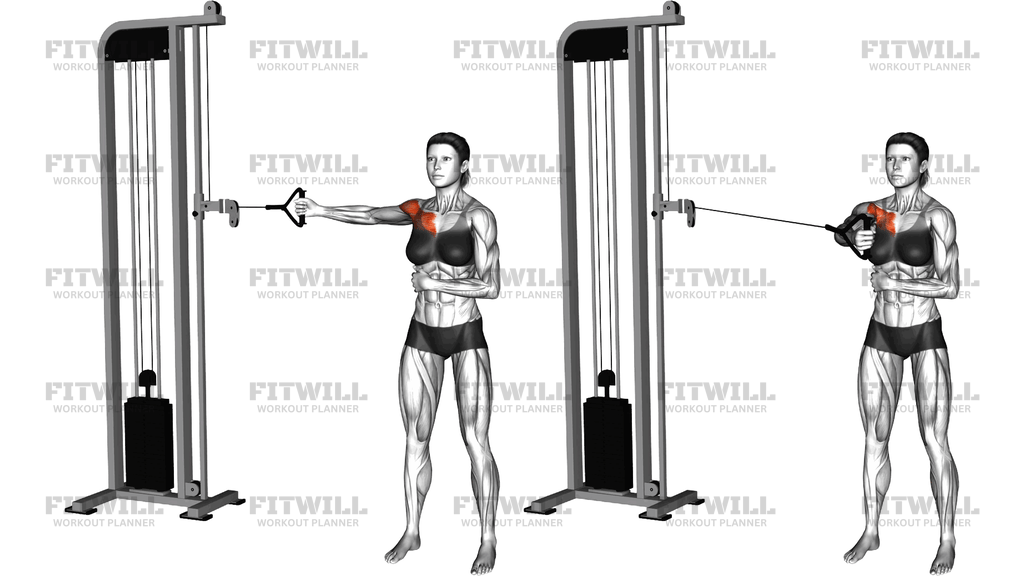
Cable Shoulder 90 Degrees Internal Rotation
Cable Shoulder 90 Degrees Internal Rotation is a cable drill for training shoulder internal rotation with the upper arm fixed at shoulder height and the elbow bent to 90 degrees. The setup matters because the exercise only stays clean when the shoulder joint does the work and the torso, wrist, and elbow stay quiet. Used well, it builds control for the rotator cuff and the larger internal rotators while teaching the shoulder to rotate under tension instead of collapsing into shrugging or trunk twist.
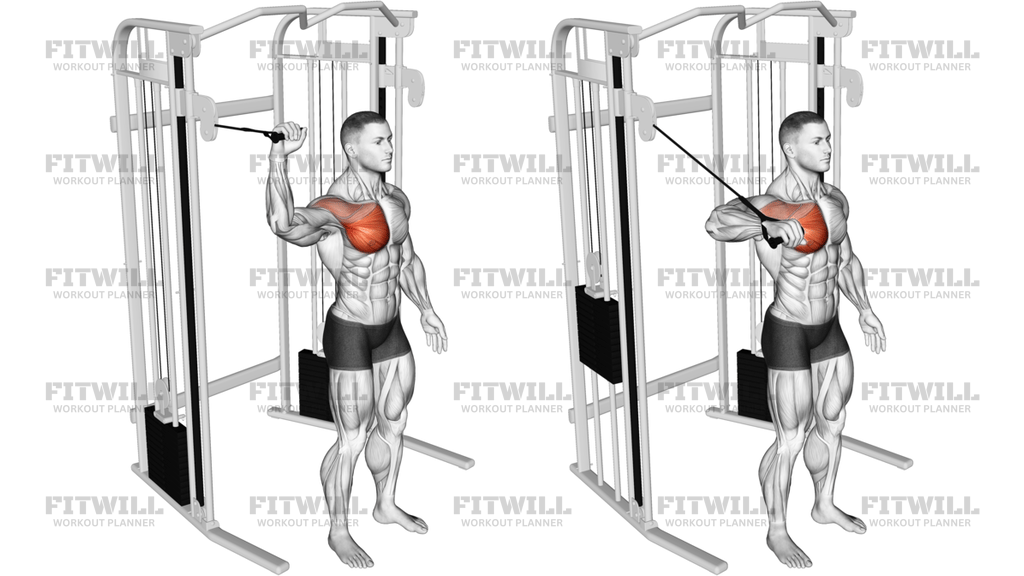
Set the pulley at about shoulder height, stand side-on to the stack, and hold the handle with the working upper arm raised out from the body and the elbow still bent at a right angle. From there, the forearm should start more vertical or slightly behind the line of the torso, depending on your cable angle. That fixed arm position is the key feature of the exercise: the upper arm stays level and the forearm rotates through the arc.
As you rotate inward, move only at the shoulder and bring the forearm toward the front of the body with a smooth, controlled path. Keep the ribcage stacked, the neck relaxed, and the shoulder blade from hiking upward. The rep should end when you have reached the strongest internally rotated position you can control without the elbow dropping, the wrist bending, or the torso turning to help.
This movement is useful as a light strength accessory, prehab drill, or warm-up variation when you want more shoulder control before pressing, throwing, or overhead work. It should feel precise rather than heavy. If the cable pulls your body around or the front of the shoulder feels pinchy, shorten the range and reduce the load. For most lifters, the best results come from slow reps, clean alignment, and a strict end range rather than maximal resistance.
[ Workout Log & Planner ]
Put your next workout in Fitwill
Keep your plan and training log ready when you are.


Instructions
- Set the cable pulley at shoulder height and stand side-on to the stack with the working arm farthest from it.
- Raise the working upper arm until it is level with your shoulder and bend the elbow to 90 degrees.
- Hold the handle so the forearm starts vertical or slightly behind the torso line, with the wrist straight.
- Brace your ribs down, keep the neck long, and avoid shrugging the working shoulder up toward the ear.
- Rotate the forearm inward from the shoulder while keeping the upper arm fixed in place.
- Bring the hand forward in a smooth arc until you reach the strongest controlled internal-rotation position.
- Pause briefly without letting the elbow drop, the wrist bend, or the torso twist.
- Return the forearm back to the start slowly against the cable and reset before the next rep.
Tips & Tricks
- Keep the elbow pinned at shoulder height; if it drifts down, the set has become too heavy.
- Think about rotating from the shoulder socket, not twisting the wrist or forearm by itself.
- Use a light load that lets you feel the end range without yanking the shoulder forward.
- A split stance usually helps keep the torso still when the cable starts to pull you open.
- Stop the rep before the front of the shoulder feels pinchy or before the ribcage flares.
- Keep the wrist stacked over the forearm so the handle does not fold the hand backward.
- Exhale as you rotate inward and inhale as you return to the start under control.
- If the stack slams or you lose the forearm angle, shorten the range and slow the tempo.
Frequently Asked Questions
What does Cable Shoulder 90 Degrees Internal Rotation train?
It trains shoulder internal rotation strength and control, with the rotator cuff and other internal rotators doing most of the work.
Why is the upper arm held at 90 degrees?
That fixed upper-arm position isolates shoulder rotation and makes it easier to tell whether the elbow is drifting or the torso is helping.
Where should the cable be set up?
Set the pulley around shoulder height so the handle can load the arm without forcing the shoulder up or down.
Can beginners do this exercise?
Yes, but only with very light resistance and a strict setup. It is a precision drill, not a strength test.
What is the most common mistake?
Letting the elbow drop, shrugging the shoulder, or turning the torso to fake a bigger range of motion.
Should I feel this in the front of my shoulder or chest?
You may feel the front of the shoulder working, but sharp pinching is a warning sign. Reduce the range if the joint feels crowded.
Is this a good warm-up before pressing or throwing?
Yes. Light sets can help wake up shoulder control before benching, overhead work, or sports that use a lot of arm rotation.
How should I progress it?
Add small amounts of resistance only after you can keep the elbow fixed, the wrist neutral, and the return phase slow.