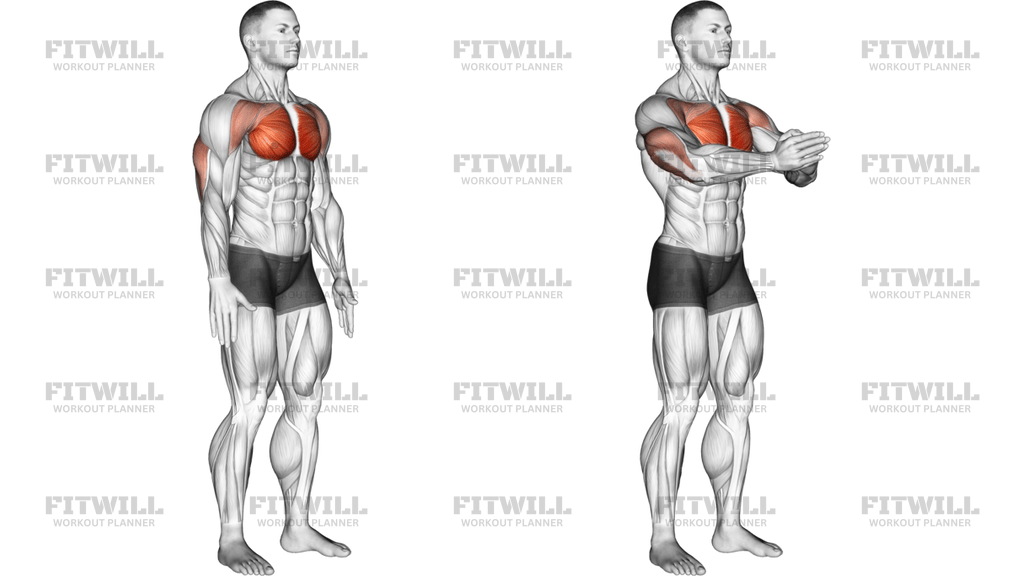
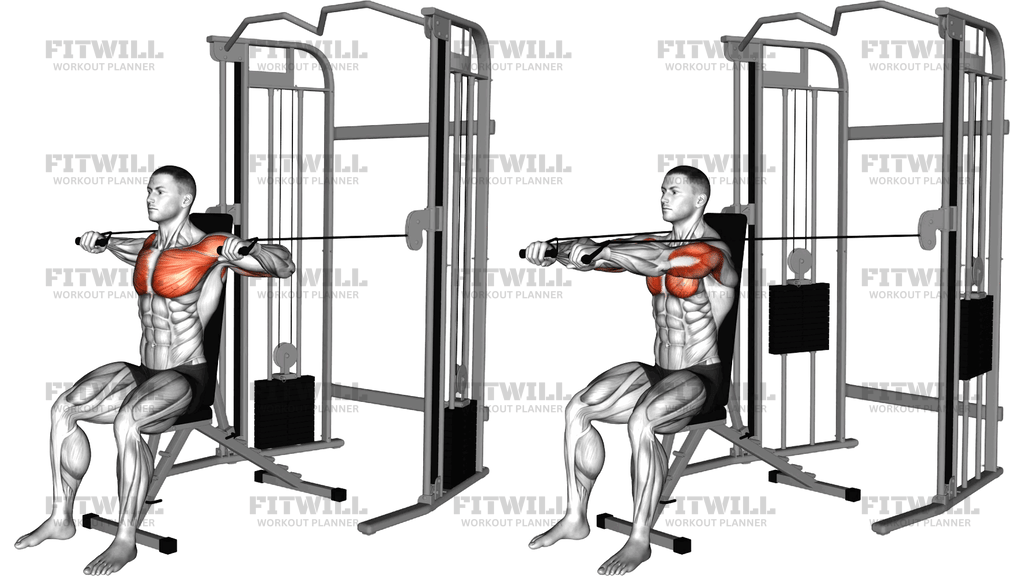
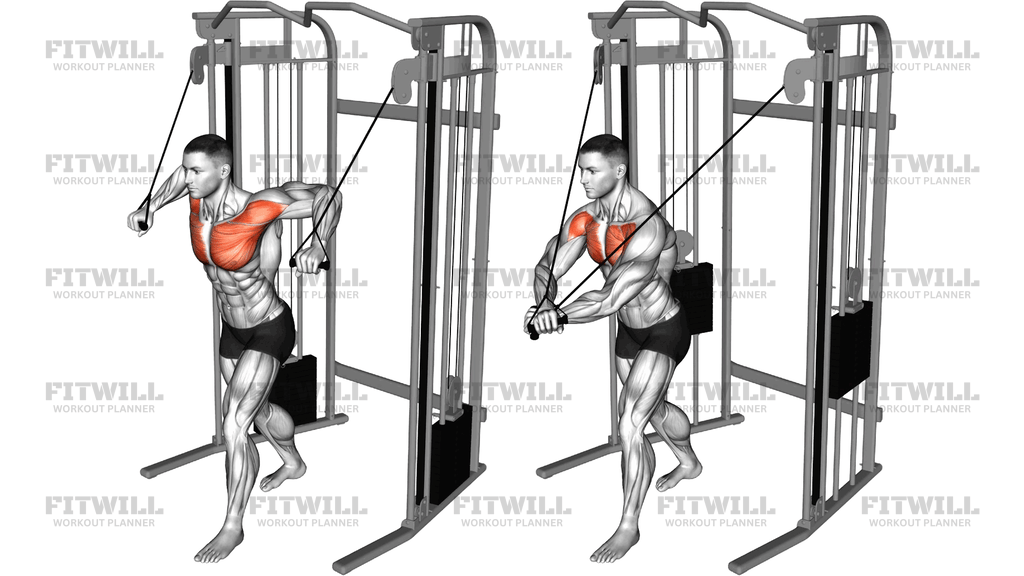
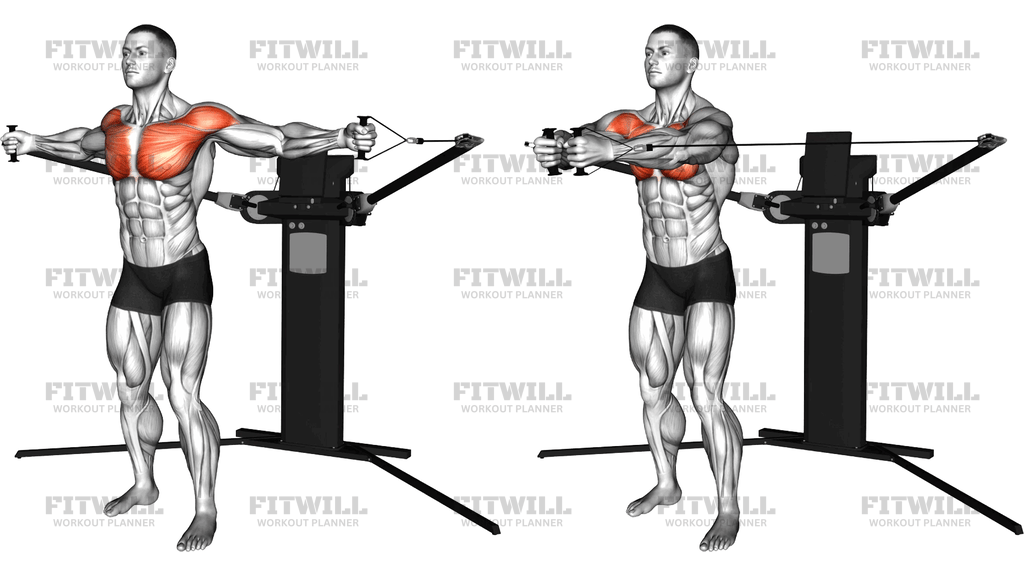
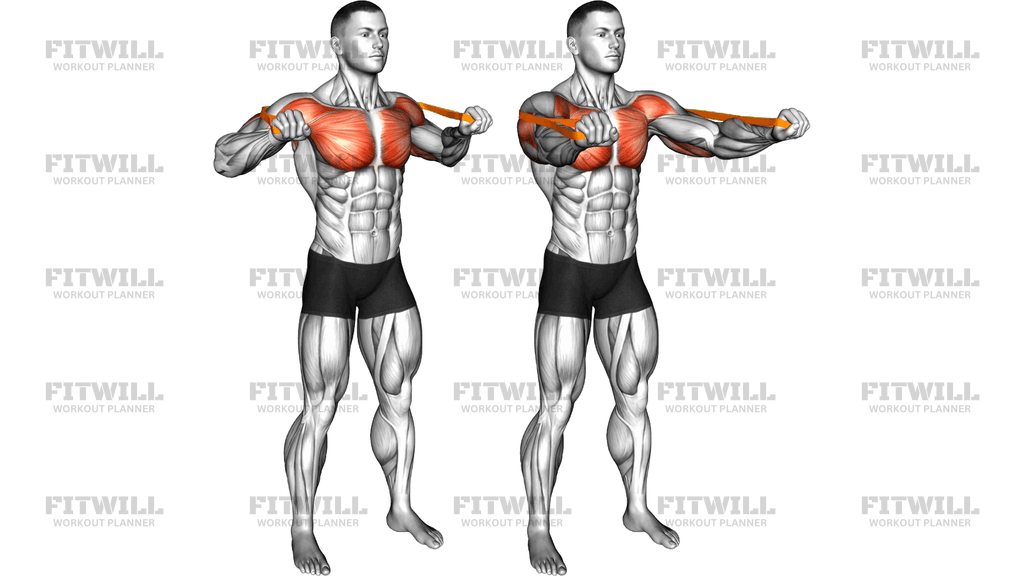
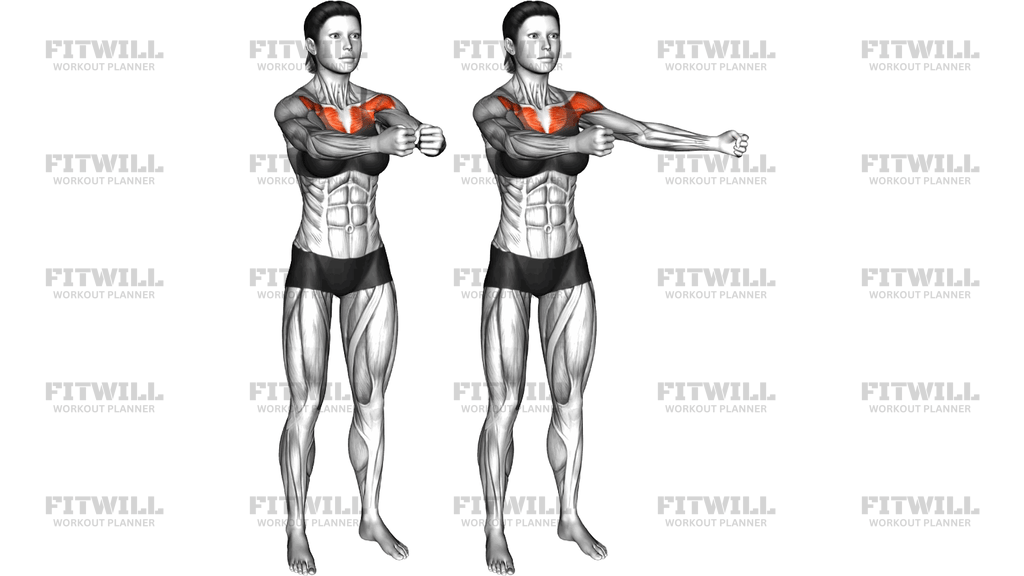
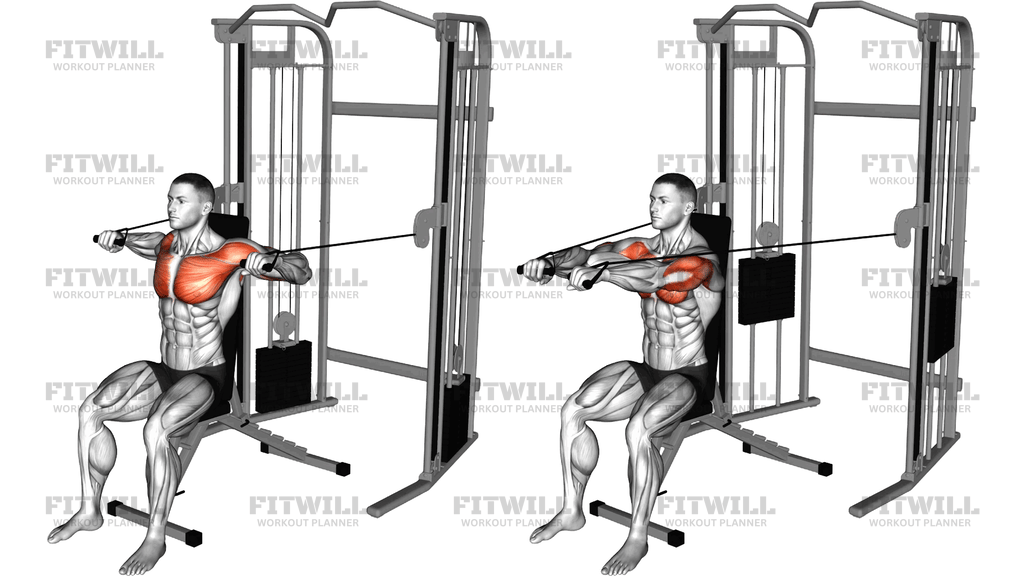
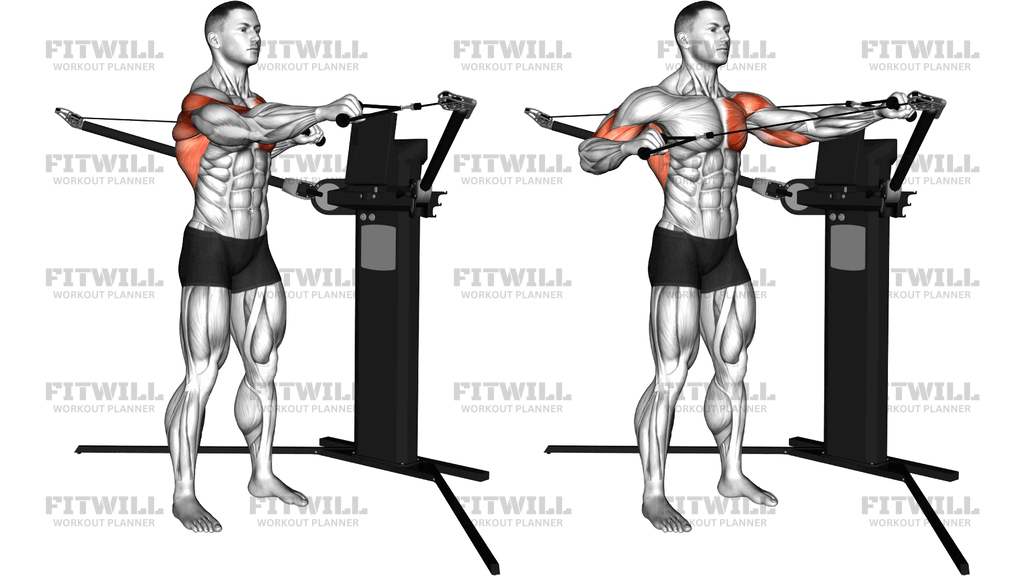
Cable One-Arm Incline Press On Exercise Ball
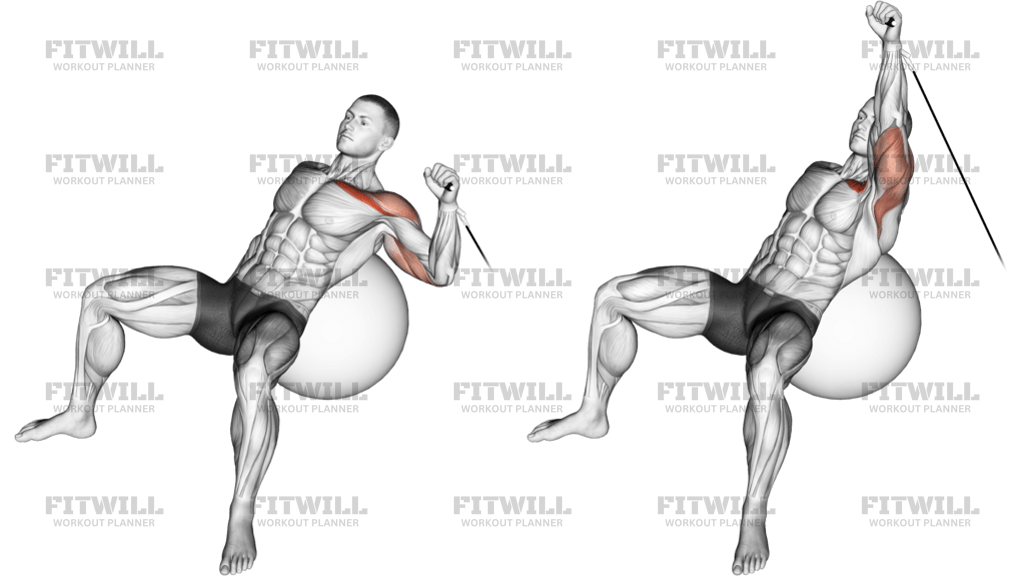
Cable One-Arm Incline Press On Exercise Ball is a unilateral pressing variation that combines a cable handle with the unstable support of an exercise ball. The movement is simple in concept, but the setup matters because the ball asks your upper back, ribs, and hips to stay organized while one arm does the pressing. That makes it a useful chest exercise when you want the rep to train control as well as force production.
The main driver is the chest, with the front shoulder and triceps helping finish the press. Because one side works at a time, the torso has to resist twisting toward the cable, which adds a real anti-rotation challenge for the core. Done well, Cable One-Arm Incline Press On Exercise Ball gives you a strong chest contraction without turning the set into a sloppy balance drill.
Set the pulley low enough that the handle starts below shoulder height, then recline on the ball so your shoulder blades and mid-back are supported. Plant your feet wide so the ball feels steady before the first rep, and keep the working elbow bent with the wrist stacked over it. From there, press in a smooth upward arc and finish with the hand above the chest line rather than drifting into a shrug.
The unstable base changes how the press feels, so lighter to moderate resistance usually works best. A controlled lowering phase helps keep the chest loaded and prevents the cable from yanking your torso out of position. Use Cable One-Arm Incline Press On Exercise Ball as accessory chest work, a unilateral strength builder, or a lower-load press on days when you want extra trunk control without a heavy bench setup.
Keep the ribcage from flaring and avoid letting the shoulder roll forward at the bottom. If the ball starts sliding or your torso twists before the arm finishes, shorten the range and reset your feet before the next rep. The best repetitions feel smooth, centered, and repeatable, with the cable path and body position staying almost identical from the first rep to the last.
[ Workout Log & Planner ]
Put your next workout in Fitwill
Keep your plan and training log ready when you are.


Instructions
- Set a single handle on a low cable and sit back on the exercise ball so your shoulder blades and mid-back are supported.
- Walk your feet forward and plant them wide enough that the ball stays steady before you pick up the handle.
- Hold the handle in one hand beside the outside of your chest with your elbow bent and your wrist stacked over the elbow.
- Let the cable tension settle the arm into the start position with the upper arm slightly below shoulder height.
- Brace your ribs down and lightly squeeze your glutes so your torso stays quiet on the ball.
- Press the handle up and slightly inward until your arm is straight without snapping the elbow closed.
- Keep your chest lifted and avoid rotating your shoulders or hips toward the cable as you finish the press.
- Lower the handle slowly back to the start while keeping the cable taut and the shoulder from rolling forward.
- Reset your shoulder, breathing, and foot pressure before each next rep, then sit up carefully and switch sides when the set is done.
Tips & Tricks
- Use less weight than a regular cable press because the ball removes a fixed base of support.
- Keep your feet wider if the ball shifts when the handle leaves the chest line.
- A slightly tucked elbow usually feels better than flaring the upper arm straight out to the side.
- Press in a gentle upward-and-inward arc so the cable line matches the incline angle of the movement.
- Exhale as the handle leaves the chest; if your ribs pop up, reset before the next rep.
- Take 2 to 3 seconds on the lowering phase so the chest stays loaded instead of letting the cable pull you off position.
- If the front of the shoulder pinches, shorten the bottom range and keep the elbow a little closer to the ribcage.
- Do not let the nonworking side twist toward the cable; the rep should look almost the same from setup to finish.
- Stop the set as soon as the ball starts sliding or your torso starts leading the press.
- Keep the neck relaxed and avoid shrugging the working shoulder toward your ear at the top.
Frequently Asked Questions
What does Cable One-Arm Incline Press On Exercise Ball work most?
The chest is the main mover, with the front shoulder and triceps helping finish the press. The ball and single-arm setup also make the core work to keep the torso from rotating.
Why use an exercise ball for Cable One-Arm Incline Press On Exercise Ball?
The ball removes the fixed support of a bench, so your upper back, hips, and trunk have to stay organized while you press. That can make the exercise feel harder even with lighter loads.
Where should the cable start on Cable One-Arm Incline Press On Exercise Ball?
The handle should start from a low pulley so the line of pull comes from below shoulder height. That lets you press up and slightly inward instead of forcing a flat, awkward path.
How wide should my feet be on Cable One-Arm Incline Press On Exercise Ball?
Wide enough that the ball stays still when you press. If the ball rolls, widen your stance or shorten the range before adding load.
Should my elbow flare out on Cable One-Arm Incline Press On Exercise Ball?
Not fully. Keep the elbow slightly tucked so the shoulder feels supported and the press stays on the chest instead of turning into a front-delt grind.
Can beginners do Cable One-Arm Incline Press On Exercise Ball?
Yes, but start with a very light handle and focus on keeping the ball stable. If the setup feels too unstable, learn the press on a bench first and return to the ball later.
How do I keep from twisting during Cable One-Arm Incline Press On Exercise Ball?
Keep both feet planted, ribs stacked over the pelvis, and the nonworking shoulder quiet. If you still rotate, reduce the load and shorten the pressing arc.
What is a good substitute for Cable One-Arm Incline Press On Exercise Ball?
A one-arm incline dumbbell press on a bench is the closest simpler option. It removes some instability while keeping the same chest-focused pressing pattern.