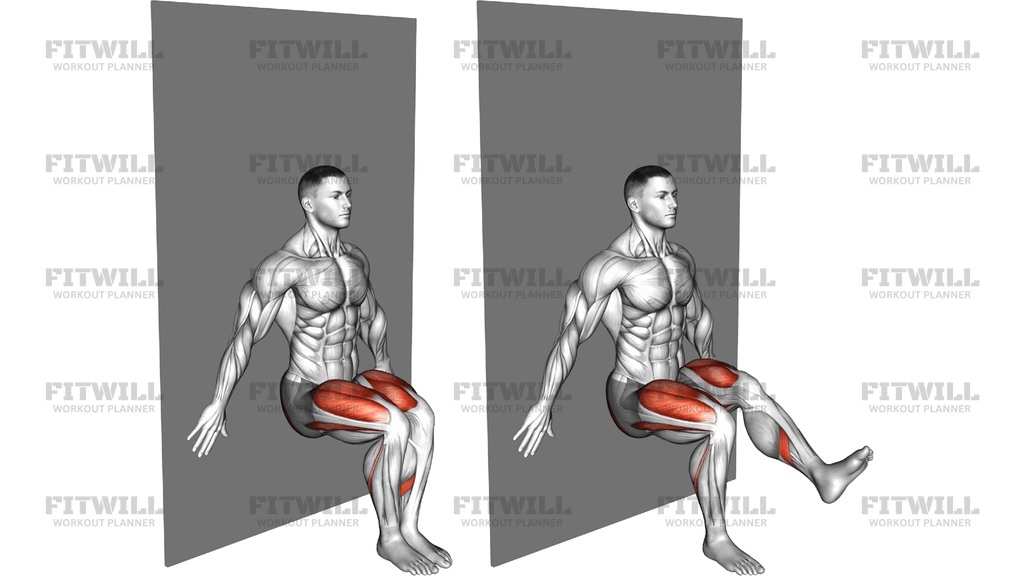
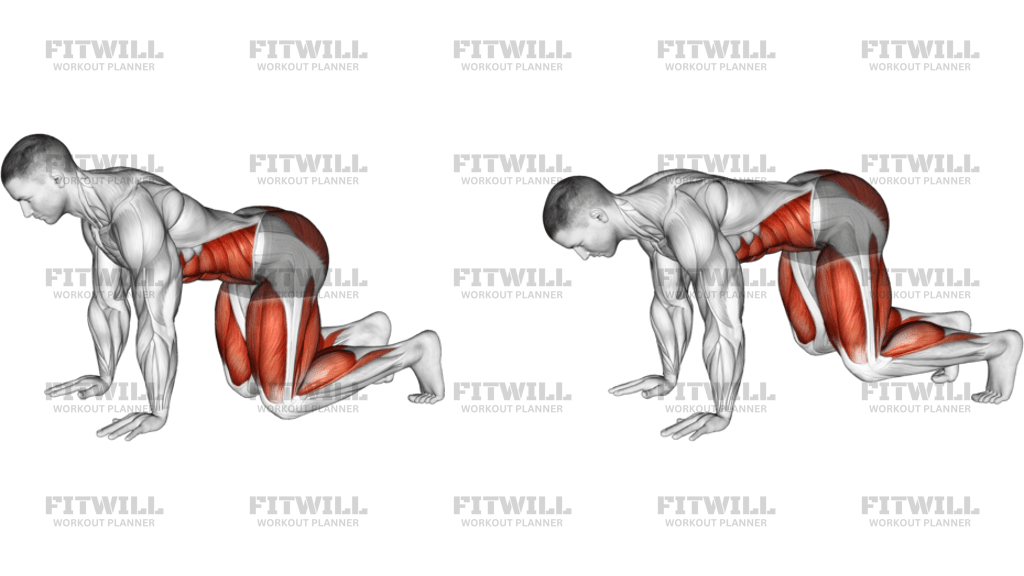
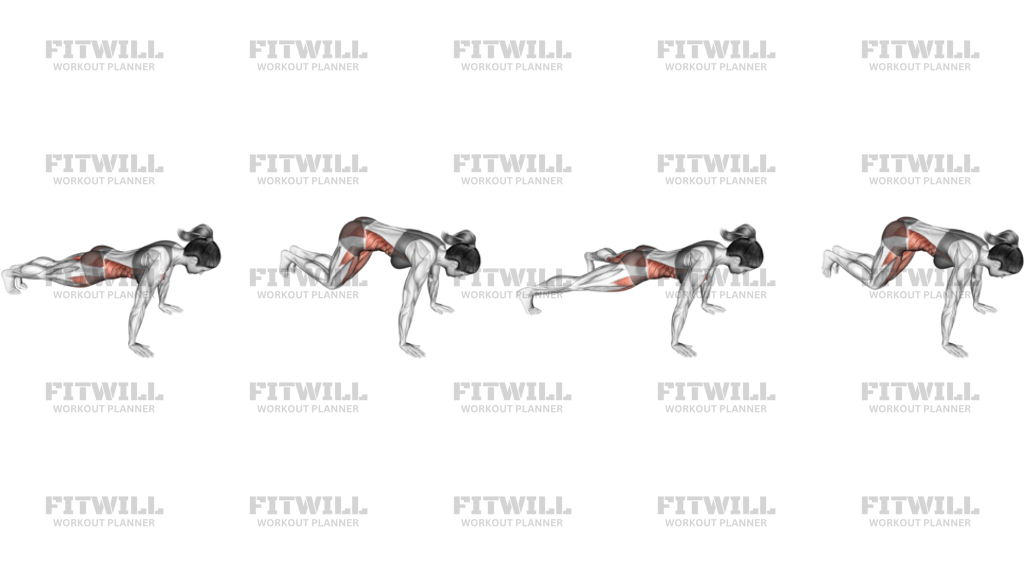
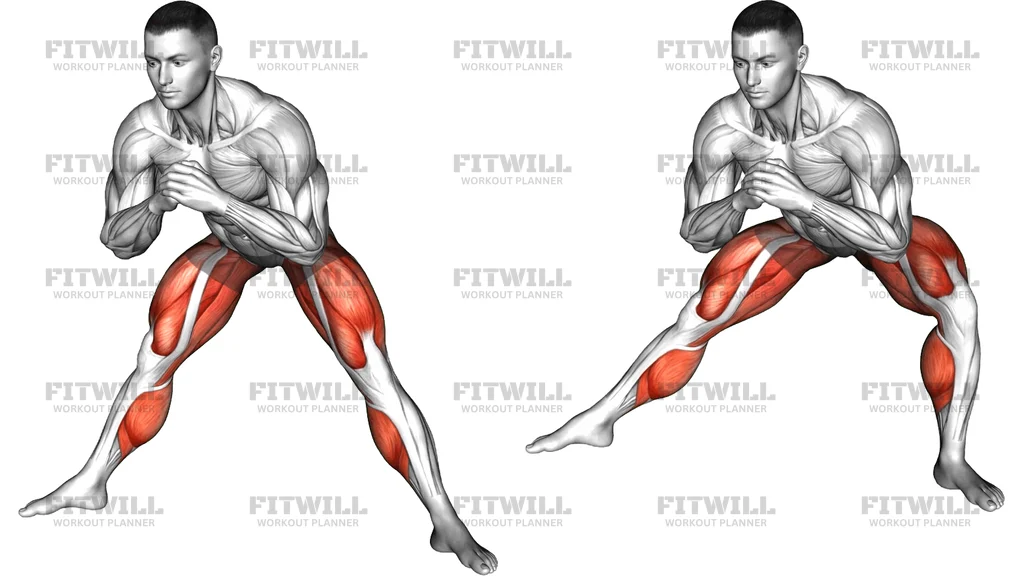
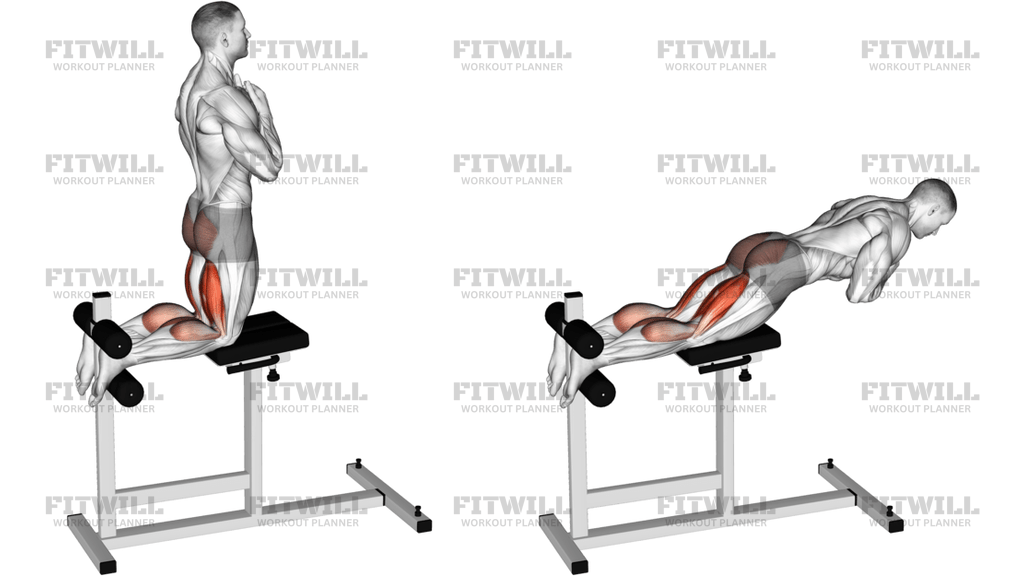
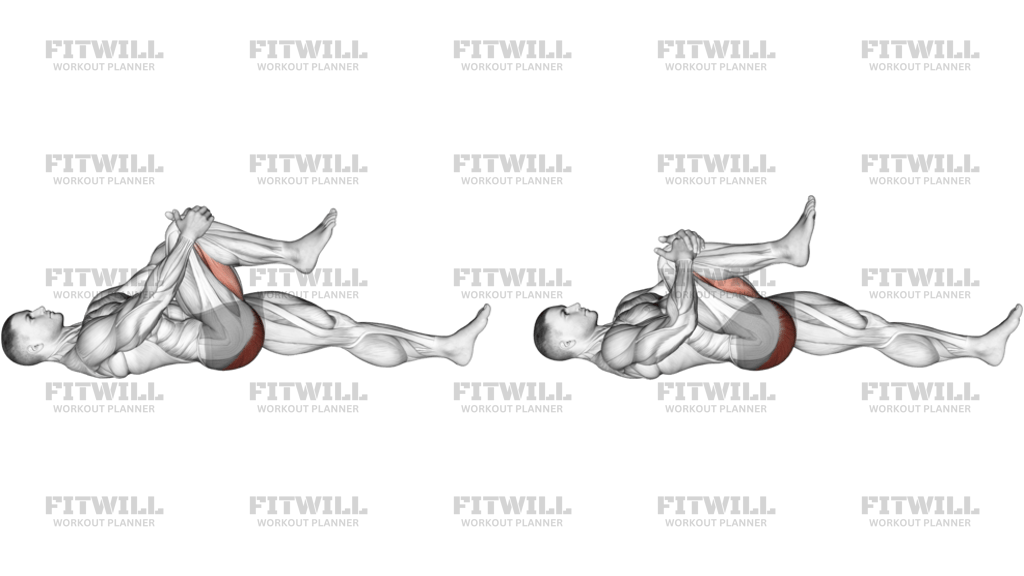
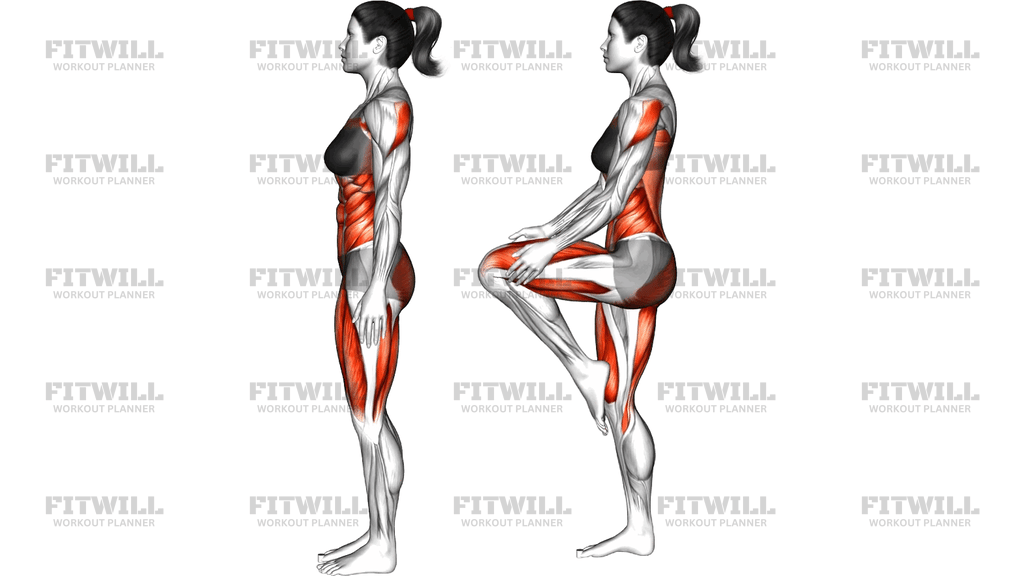
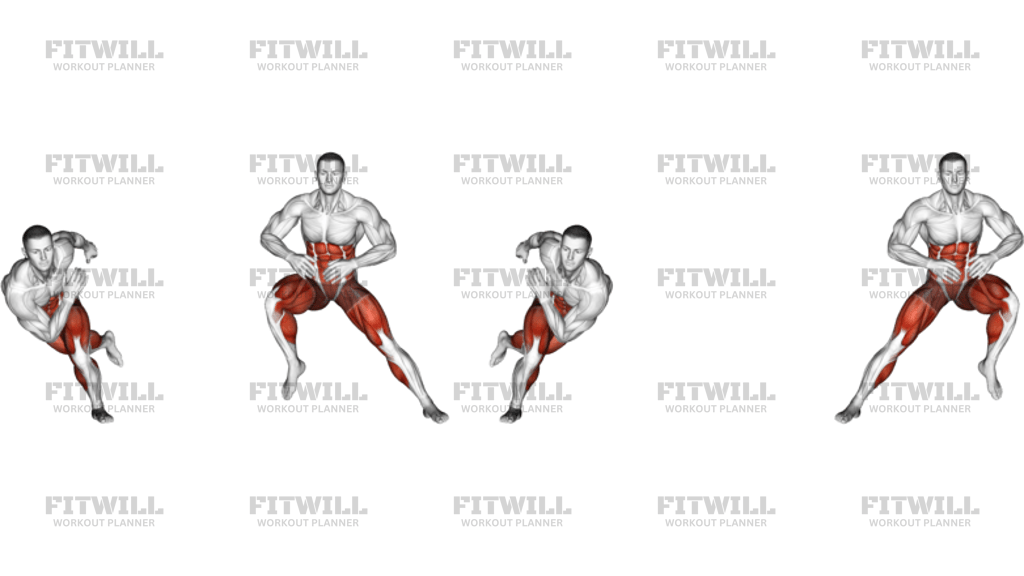
Kneeling Pulse
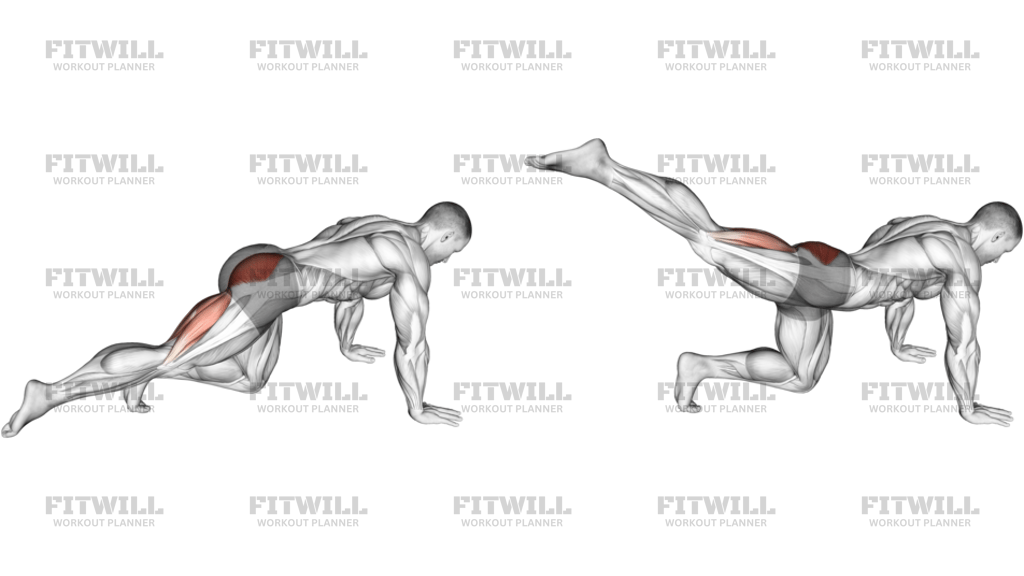
Kneeling Pulse is a bodyweight floor exercise built around a short, controlled pulse from an all-fours position. It is usually used to train the glutes and hips while the core and shoulders keep the trunk steady. The small range makes it useful when you want local muscle work without loading the spine or turning the movement into a full kickback.
The setup matters because this exercise is easy to turn into a back arch if the pelvis drifts or the ribcage flares. Start with your hands under your shoulders and your supporting knee under your hip, then square both hips to the floor before the working leg moves. A stable base lets the glute do the work instead of the lower back taking over.
From there, lift the working leg behind you and pulse from the hip with a short, deliberate range. Think about squeezing the glute to raise the leg a few inches, then lowering it only far enough to keep tension on the target side. Keep pressure even through both hands and avoid shifting your weight so far to one side that the torso twists.
Because the motion is small, quality matters more than height. A cleaner set will usually feel like steady tension in the glute, a little hamstring involvement, and only mild effort in the core and shoulders. If you feel the low back or neck more than the hip, reduce the range and slow the rhythm until the pelvis stays quiet.
Kneeling Pulse works well as a warm-up drill, glute activation movement, or accessory exercise at the end of a lower-body session. It is also a practical option for beginners who need a simple floor-based pattern before progressing to banded kickbacks or loaded hip extension work. Keep the movement smooth, controlled, and symmetrical so each pulse starts from a stable kneeling position.
[ Workout Log & Planner ]
Put your next workout in Fitwill
Keep your plan and training log ready when you are.


Instructions
- Get on the floor on your hands and one knee, with the supporting knee under the hip and both hands under the shoulders.
- Keep the torso long, brace lightly through the abdomen, and square both hips toward the floor before lifting the working leg.
- Extend the working leg behind you and raise it until you feel the glute turn on without arching your lower back.
- Keep the lifted leg in line with the torso and pulse it a few inches up and down from the hip.
- Squeeze the glute at the top of each pulse and avoid swinging the leg or twisting the pelvis.
- Lower the leg only until you still feel tension on the working side, then pulse again.
- Breathe out through the upward effort and keep your ribs down as the leg moves.
- Finish the set by lowering the leg, bringing both knees back under you, and resetting the starting position before switching sides.
Tips & Tricks
- If the lower back arches, shorten the pulse and think about lifting the leg from the back pocket, not the foot.
- Keep your hips level; rolling open to the side usually means the glute is losing tension.
- Press evenly through both hands so the shoulders do not collapse into the working side.
- A bent supporting knee and a soft elbow position can make the floor setup feel steadier during longer sets.
- Do not chase height on the lifted leg; a smaller pulse with a still pelvis is usually better.
- Keep the foot of the working leg relaxed or lightly flexed, but do not kick from the knee.
- Slow the rhythm if you start bouncing through the bottom of the pulse.
- Stop the set when the movement turns into lumbar extension or the torso starts rocking side to side.
Frequently Asked Questions
What muscles does Kneeling Pulse work?
It mainly hits the glutes and hips, with the core and shoulders working to keep your torso steady. The hamstring on the working side usually assists, but it should not take over the whole movement.
Is Kneeling Pulse a glute exercise or a core exercise?
It is primarily a glute exercise, but the core is important for preventing your pelvis from tipping or your low back from arching. If your abs are doing all the work, the leg is probably not moving through a clean hip pulse.
How high should I lift the working leg?
Lift it only as high as you can without rotating the hips or feeling the low back take over. For most people, the best rep is a small lift and pulse, not a big kick.
Why do I feel Kneeling Pulse in my lower back?
That usually means the pelvis is tilting forward and the ribcage is flaring. Shorten the range, slow the pulse, and think about squeezing the glute to move the leg instead of arching the spine.
Can beginners do Kneeling Pulse?
Yes. The bodyweight setup makes it beginner-friendly, and the small range lets you learn hip extension control before moving to banded or loaded variations.
Should my working knee stay bent or straight?
Either version can work, but the leg should stay consistent from rep to rep and the motion should come from the hip. If a bent knee helps you keep the pelvis square, use that version and keep the pulse small.
How many reps should I do?
This movement usually works best for moderate to high reps, such as 12-25 per side, because the load is light and the goal is controlled tension. Stop when the pelvis starts shifting or the pulses get sloppy.
What can I use instead of Kneeling Pulse?
A quadruped donkey kick, banded hip extension, or glute bridge is a good substitute if you want a similar glute-focused pattern. Choose the version that lets you keep the low back quiet and the hips square.