Roll Neck Rotation Lying On Floor
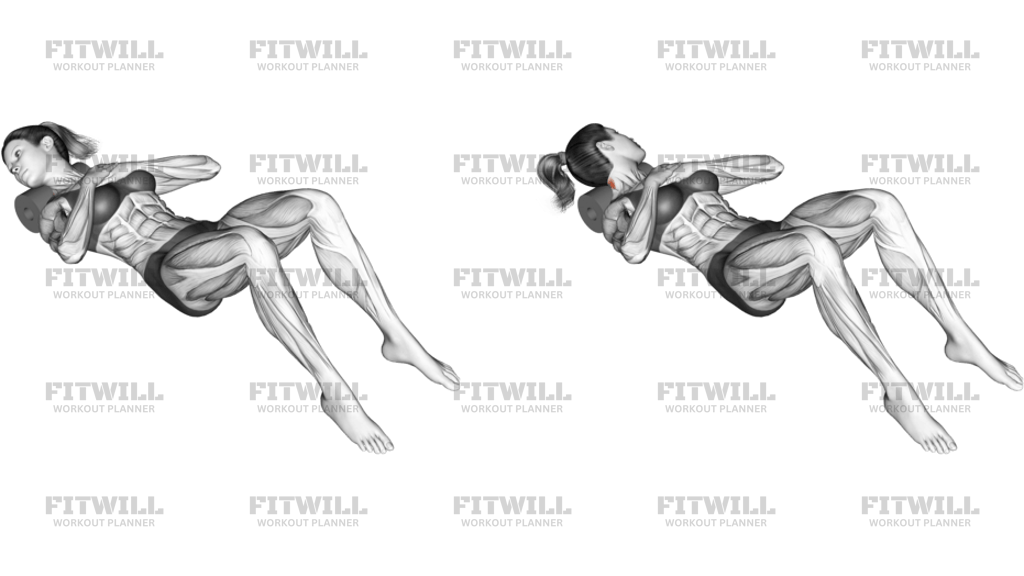
Roll Neck Rotation Lying On Floor is a gentle cervical mobility drill performed on your back. It uses the floor to remove balance demands so you can focus on smooth head rotation and relaxed neck positioning. The exercise is most often used to reduce stiffness, restore comfortable range of motion, or prepare the neck before upper-body training.
The setup matters because the neck only moves cleanly when the rest of the body is quiet. Lie on your back with your shoulders relaxed, your ribs down, and your head supported as the setup requires. If a small roll or towel is part of your version, it should support the upper neck or upper back without forcing the chin upward. The goal is a calm starting position, not a forced stretch before the first rep.
From there, rotate the head slowly to one side until you feel a mild opening along the neck, then return through center and rotate to the other side. Keep the chin level, the jaw soft, and the shoulders heavy on the floor so the movement comes from the cervical spine instead of the torso. A smooth tempo and even breathing matter more than a big range.
This drill is best used as light corrective or preparatory work rather than a hard stretch. It can fit well in a warm-up, recovery session, or mobility block after long periods of sitting. If one side feels tighter, shorten the range on that side and keep the repetition symmetrical and controlled instead of chasing end range.
Stop short of sharp pain, pinching, dizziness, or tingling. Clean reps should feel organized and repeatable, not strained. When the neck is sensitive, small controlled turns are usually better than aggressive rotation, and progress should come from better control first, then a little more range over time.
[ Workout Log & Planner ]
Put your next workout in Fitwill
Keep your plan and training log ready when you are.


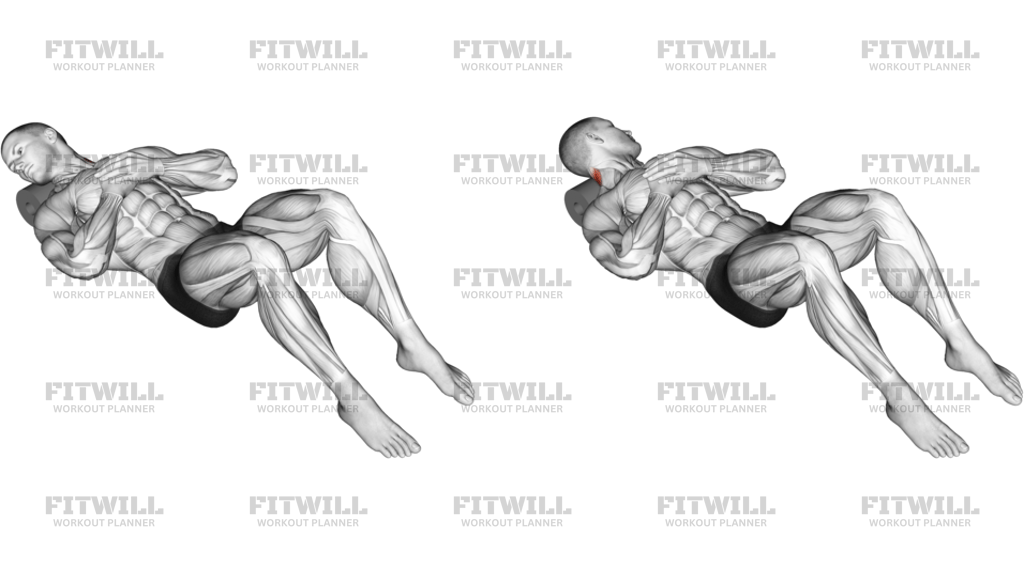
Instructions
- Lie on your back on the floor with your knees bent and your feet flat.
- Set the roll or towel where your program shows it, then let your head and neck rest lightly without lifting your chin.
- Keep your shoulders relaxed, your ribs down, and your jaw unclenched before you start.
- Begin with your eyes toward the ceiling and your chin in a neutral position.
- Slowly rotate your head to one side until you feel a gentle neck stretch, but stop before any pinch or strain.
- Pause briefly, breathe out, and keep the torso quiet so the shoulders do not roll with the head.
- Return through center with the same slow tempo, then rotate to the opposite side.
- Alternate sides for the planned number of repetitions, then finish with the head neutral on the floor.
Tips & Tricks
- Keep the jaw loose; clenching the teeth often limits how far the neck can rotate.
- Move only as far as the first mild stretch, not to a hard end-range twist.
- If one shoulder wants to lift, shorten the range and reset the upper back before the next rep.
- Use a slower tempo on the tighter side instead of forcing both sides to match immediately.
- Let the roll or towel support you; do not press the head into it to create more range.
- Exhale as you rotate and inhale as you come back to center.
- Stop the set if the rotation creates sharp pain, dizziness, or a pinching sensation at the base of the skull.
- Treat this as warm-up or recovery work, not as a loaded strength movement.
Frequently Asked Questions
What does Roll Neck Rotation Lying On Floor train?
It mainly trains neck rotation mobility and gentle control around the cervical spine.
Where should the roll or towel go in this exercise?
If your version uses one, it should support the neck or upper back without pushing the chin up or forcing the head into a strained position.
How far should I turn my head on the floor?
Only rotate until you feel a mild stretch. If the range turns into a pinch or a hard end-range pull, shorten it.
Should my shoulders move with my head?
No. Keep the shoulders heavy on the floor and let the neck do the rotating.
Is this a good beginner neck exercise?
Yes. The floor makes it easier to control, as long as the range stays small and comfortable.
When is this exercise most useful?
It works well in a warm-up, mobility block, or recovery session after sitting for long periods.
What if one side feels tighter than the other?
Use a slightly smaller range on the tight side and avoid forcing the head into symmetry.
When should I stop immediately?
Stop if you feel dizziness, tingling, radiating symptoms, or sharp pain through the neck or head.