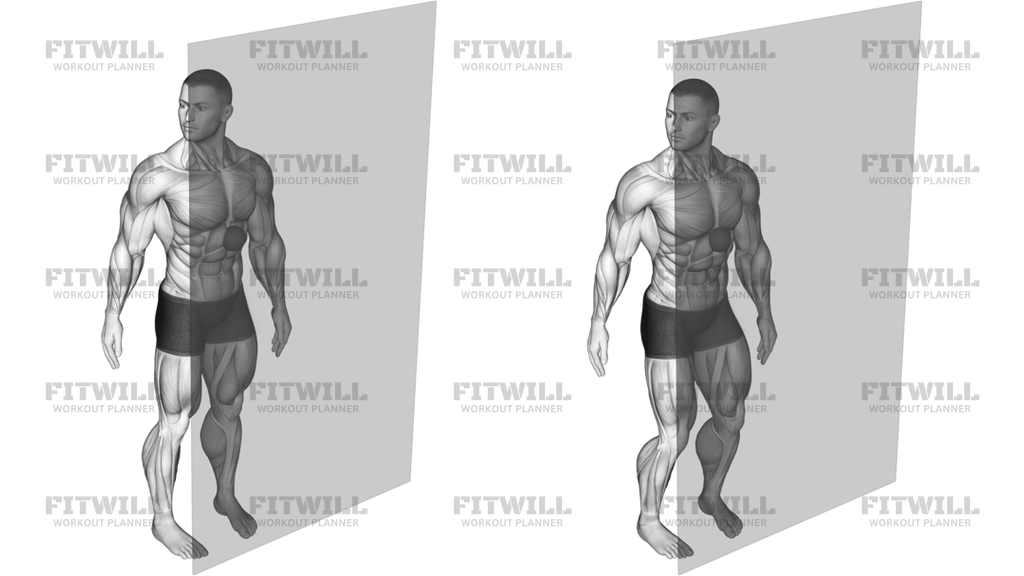
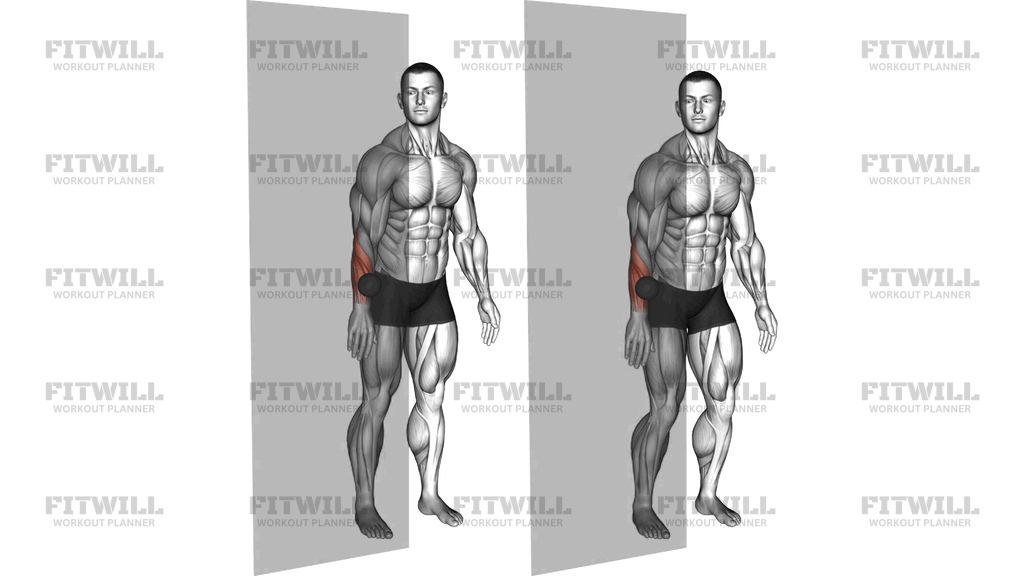
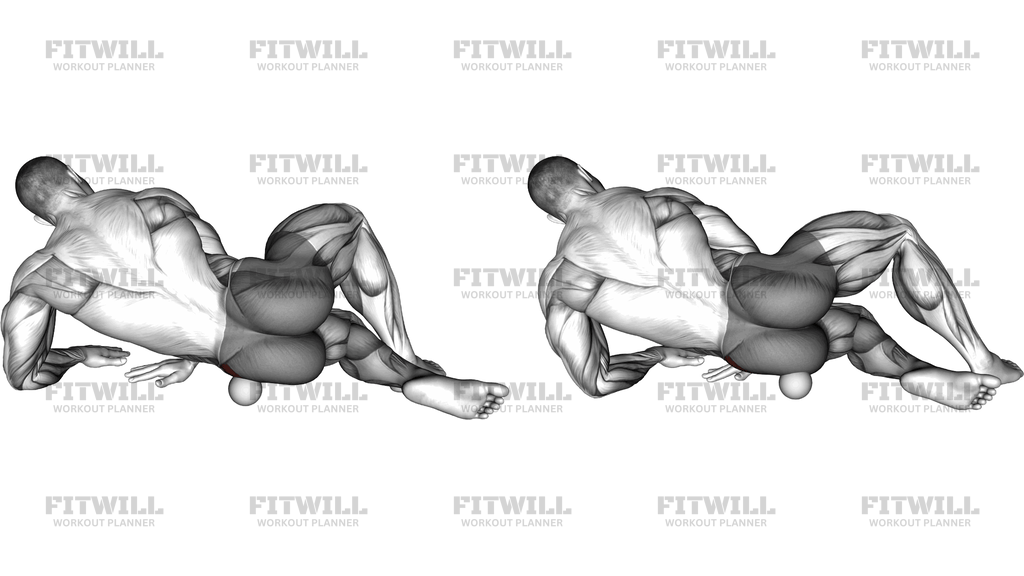
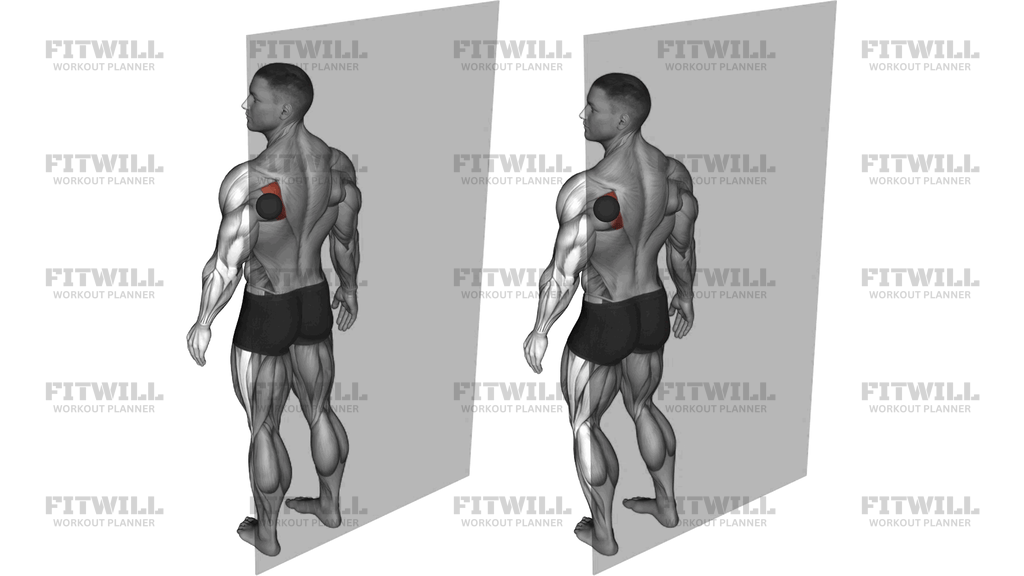
Roll Ball Side Lying Scalene Muscles Activation Side POV
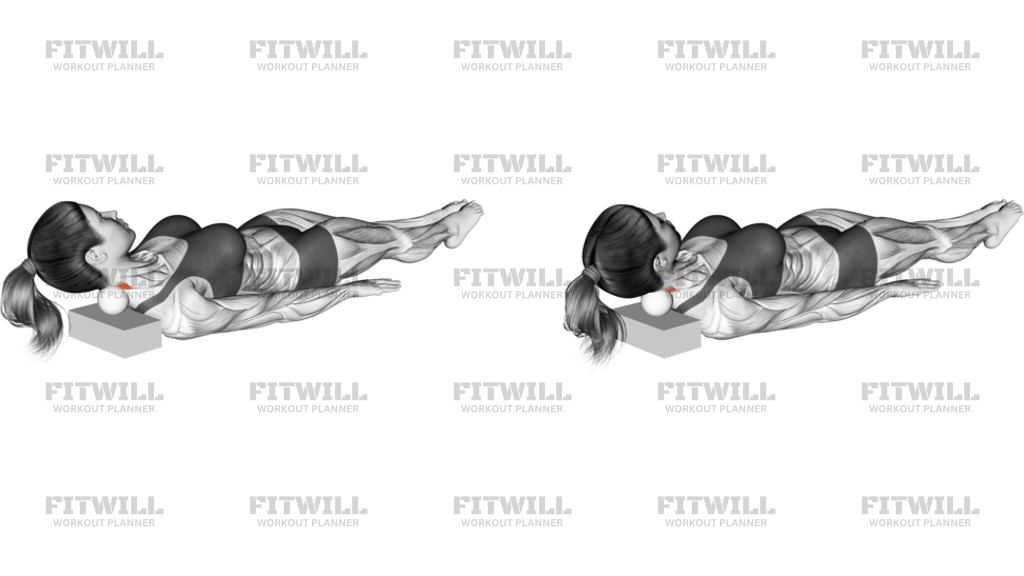
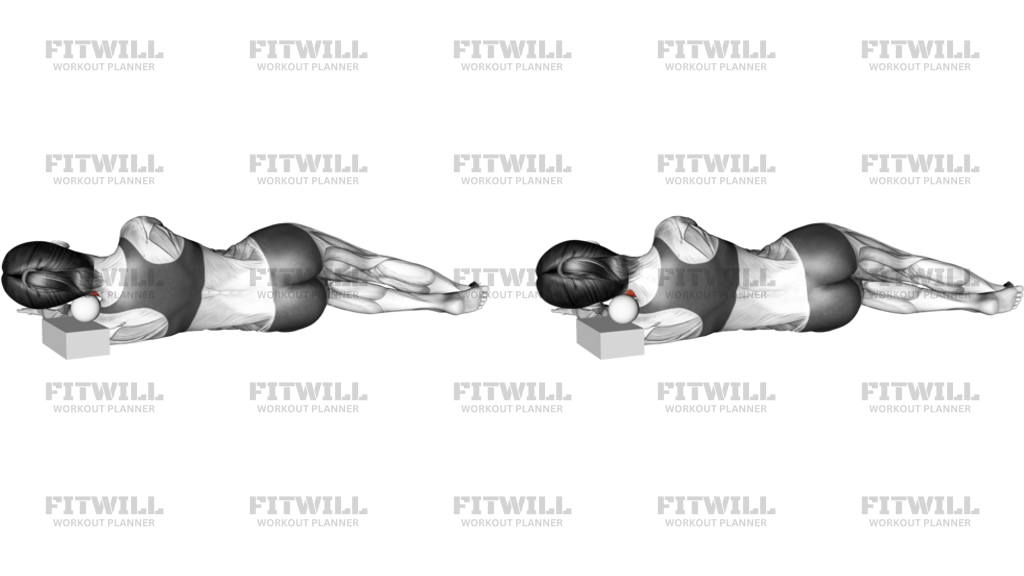
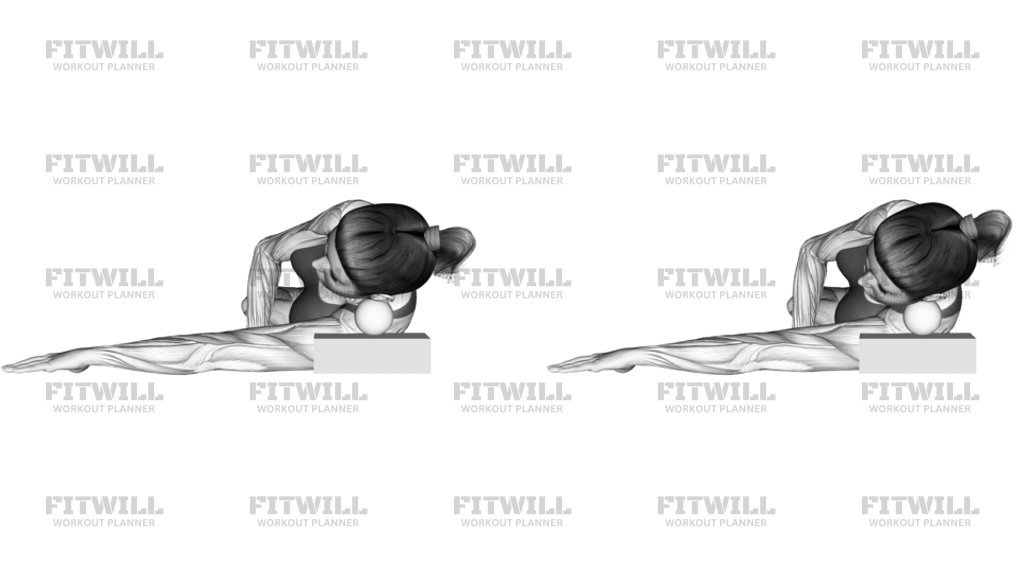
Roll Ball Side Lying Scalene Muscles Activation Side POV is a side-lying neck drill that uses a small roll ball to place light, focused pressure along the side of the neck. The image shows the head supported in a side-lying position with the ball sitting just under the lateral neck near the upper shoulder, which makes this a precision exercise for sensing and organizing the scalene area rather than a big-range strength move.
The scalene muscles help with neck side-bending, small cervical stabilization, and ribcage assistance during breathing, so the setup matters. When the ball is positioned correctly, you should feel a controlled effort along the front-side of the neck without jamming the throat, shrugging the shoulder, or twisting the torso to fake more range. The goal is a clean contact point that lets the neck work while the jaw stays relaxed and the breath stays smooth.
Because the movement is so small, the quality of the position matters more than the size of the motion. Keep the body stacked on the side, let the head settle into the ball, and make tiny nods, micro turns, or subtle side-bend adjustments until you find the spot that lights up the scalene line. If you press too hard or let the head drift forward, the tension tends to move into the jaw, upper trap, or throat instead of the intended neck tissues.
Use this drill as a warm-up, mobility reset, or accessory activation when the neck feels stiff from desk work, heavy upper-body training, or sustained posture. It is most useful when the reps stay calm and repeatable, with no chasing of extreme range. If you feel pinching, tingling, dizziness, or symptoms that travel into the arm, stop the set and back off immediately. Light pressure and steady breathing should be enough to make the exercise productive.
[ Workout Log & Planner ]
Put your next workout in Fitwill
Keep your plan and training log ready when you are.


Instructions
- Lie on your side on a flat bench or mat with the roll ball placed under the side of your neck just above the collarbone, and let the top hand rest lightly on your head for support.
- Stack your shoulders and hips, extend your legs, and keep the chest and pelvis from rolling backward or forward.
- Relax your jaw, soften your throat, and settle the neck onto the ball before you begin the rep.
- Take a quiet inhale, then make a tiny chin tuck or micro side-bend so the scalene line presses gently into the ball.
- Hold the pressure for a moment without shrugging the upper shoulder or gripping the jaw.
- Breathe out slowly and let the neck ease a few millimeters before repeating the same small motion.
- Use very short, controlled reps or brief isometric holds rather than trying to force a large range of motion.
- If the contact drifts onto the throat, spine, or jaw, reset the ball before continuing.
- Stop immediately if the movement creates sharp pain, dizziness, tingling, or numbness.
- Repeat on the other side once the planned work on the first side is complete.
Tips & Tricks
- Place the ball on the soft scalene line above the collarbone, not directly on the windpipe or cervical spine.
- Keep the upper shoulder heavy so the neck does not turn into a shrugging exercise.
- Small adjustments in head angle change the target area quickly, so move the ball only a few millimeters at a time.
- If you feel the jaw taking over, reduce pressure and let the mouth stay slightly open.
- The most useful reps are usually tiny; chasing a bigger range often sends the work into the upper trap.
- Breathe into the lower side ribs instead of holding your breath against the ball.
- Use enough pressure to feel the neck working, but not enough to lose smooth breathing or create a pinch.
- A folded towel under the head can make the setup more tolerable if the bench feels too hard.
- Keep the torso still so the neck, not the whole body, creates the motion.
- Stop the set as soon as the sensation changes from targeted work to irritation or radiating symptoms.
Frequently Asked Questions
What does Roll Ball Side Lying Scalene Muscles Activation Side POV target most?
It mainly targets the scalene muscles on the side of the neck, with nearby deep neck stabilizers helping to control the position.
Where should the roll ball sit on my neck?
Place it on the soft side of the neck just above the collarbone, beside the front edge of the upper shoulder. Avoid the throat and the bony spine.
Is this more of an activation drill or a stretch?
It is best treated as a light activation and mobility drill. You should feel a controlled neck effort or release, not a forced stretch.
Can beginners do this safely?
Yes, if the pressure stays light and the movement stays tiny. Beginners should avoid forcing range or pressing hard into the ball.
What should I feel during the set?
A focused, mild effort along the side of the neck is ideal. If you mainly feel the jaw, upper trap, or throat, adjust the ball position.
How long should I hold each side?
Short holds of a few breaths or a handful of very small reps are usually enough. The neck responds better to calm, precise work than to long grinding holds.
What is the most common mistake with this exercise?
Most people either press too hard or shrug the shoulder up toward the ear, which shifts the work away from the scalene area.
When should I stop immediately?
Stop if you get sharp pain, tingling, dizziness, numbness, or any symptom that travels into the arm.