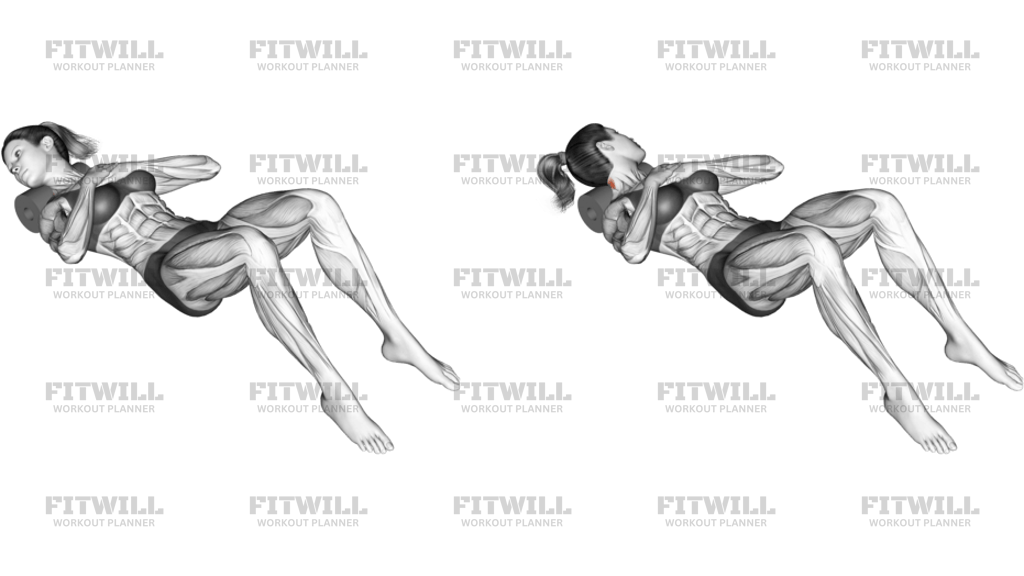
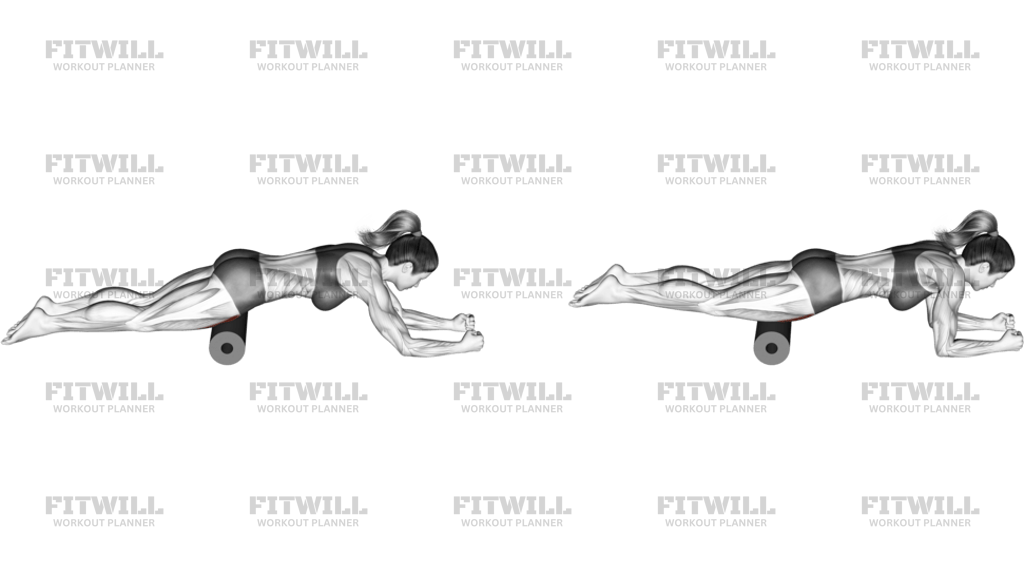
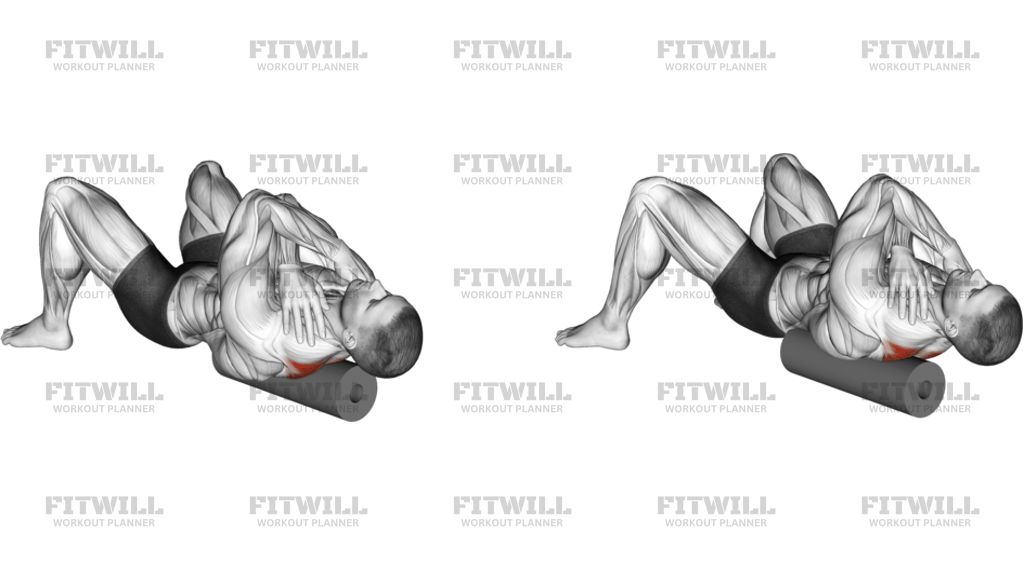
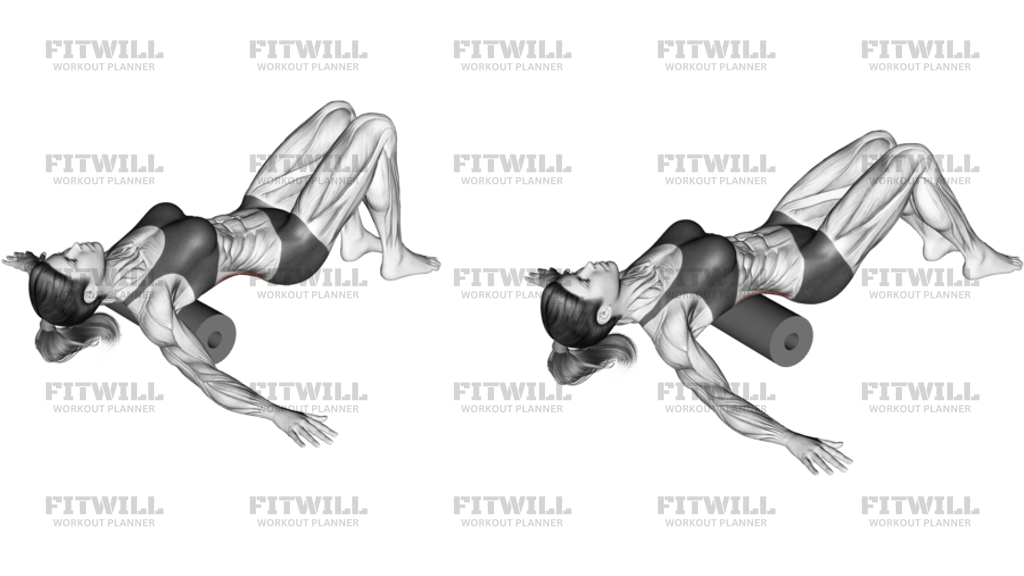
Roll Posterior Shoulder Lying On Floor
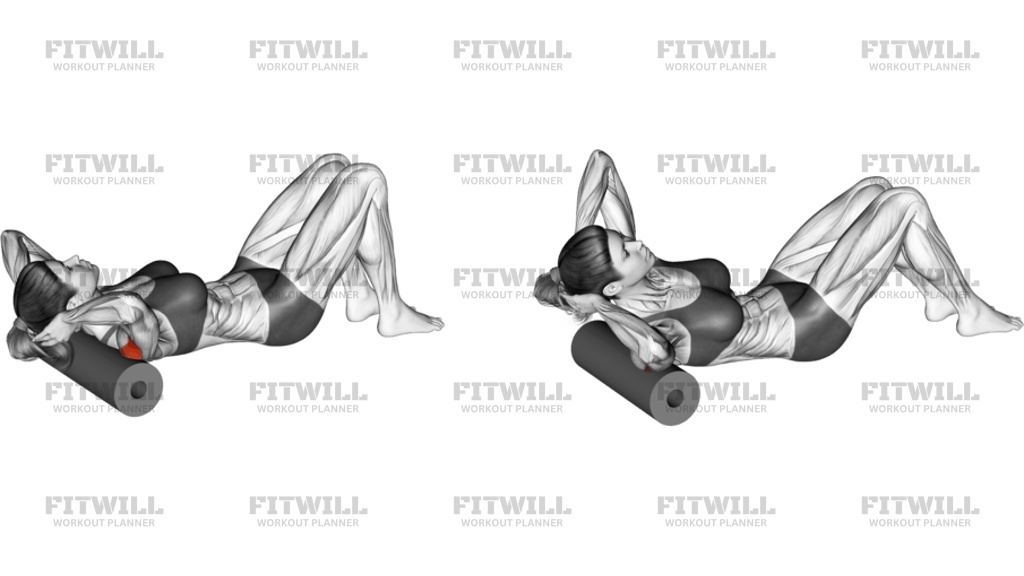
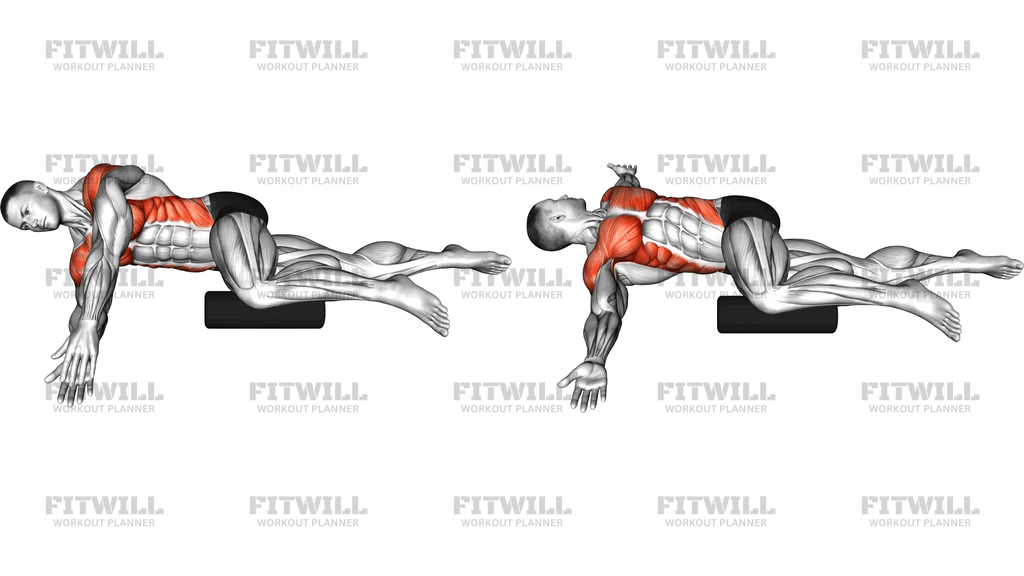
Roll Posterior Shoulder Lying On Floor is a floor-based foam rolling drill for the back of the shoulder, the rear deltoid, and the upper edge of the rotator cuff. The image shows the shoulder and upper side of the torso supported on a foam roller while the body uses small, controlled shifts to find tight spots. It is not a power exercise; the value comes from applying steady pressure to the posterior shoulder without letting the neck or low back take over.
This movement is useful when the back of the shoulder feels stiff, pinched, or overworked from pressing, pulling, overhead work, or daily desk posture. By lying on the floor, you can control how much bodyweight is on the roller and keep the pressure focused on the rear shoulder instead of collapsing into the upper traps. The goal is to create a smooth, tolerable massage effect that improves tissue tolerance and shoulder comfort.
Good execution depends on a stable setup. The roller should sit under the posterior shoulder or rear upper arm, with the head and torso relaxed enough to let the upper body sink into it. Keep the movement small and deliberate so the pressure stays on the target tissue. If you roll too far forward or too high toward the neck, the sensation quickly shifts away from the shoulder and becomes less useful.
Use each pass to explore the area slowly, pausing on tender spots long enough to let the pressure settle. Breathe steadily and keep the ribs from flaring as you shift. The best rep feels like a controlled scan, not a fast back-and-forth grind. If the pressure turns sharp, numb, or joint-like, back off and move the roller slightly lower, farther back, or reduce how much weight you place on it.
This drill works well in a warm-up, recovery block, or cooldown before pressing and overhead work. It also fits between upper-body sets when the shoulder needs a reset without adding fatigue. Beginners can usually do it safely because the floor limits pressure, but the setup still matters: use enough support to relax, enough pressure to feel the tissue, and enough control to avoid rolling onto the bony point of the shoulder.
[ Workout Log & Planner ]
Put your next workout in Fitwill
Keep your plan and training log ready when you are.


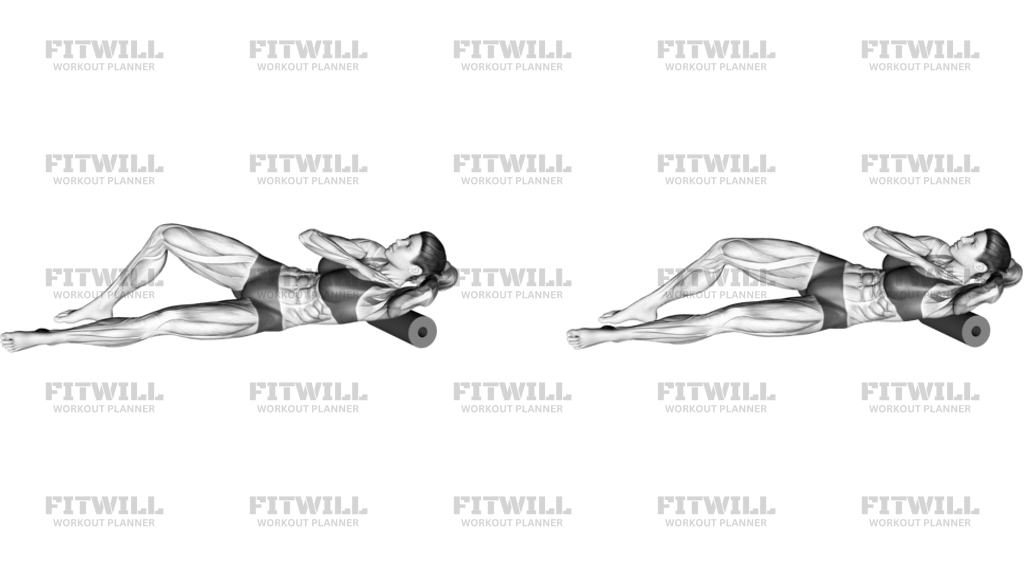
Instructions
- Place a foam roller on the floor and lie on your side with the posterior shoulder or rear upper arm resting on the roller.
- Support your head with the hand on the floor side and bend your top knee slightly so you can balance your bodyweight.
- Let the chest stay relaxed and square enough that the roller stays on the back of the shoulder instead of drifting up into the neck.
- Use the bottom arm and legs to shift your body a few inches forward and back to find the tender band along the posterior shoulder.
- Roll slowly across the rear deltoid and outer upper shoulder, keeping the movement short and controlled.
- Pause on any tight spot for a breath or two, then ease a little farther along the same line.
- Keep the pressure tolerable and avoid sharp pain, tingling, or numbness as you move.
- Breathe out as you settle into the pressure and keep the neck relaxed the whole time.
- After the planned passes, carefully roll off the tender area and reset before switching sides.
Tips & Tricks
- Place the roller on the fleshy back edge of the shoulder, not directly on the tip of the acromion or the neck.
- Use the floor to reduce pressure by sharing more weight through the opposite leg and forearm if the spot feels too intense.
- Keep the rolling range short; this drill works better with slow pressure than with long sweeping passes.
- If the sensation jumps into the front of the shoulder, rotate slightly back so the roller stays on the posterior tissues.
- A light exhale when you find a tight spot helps the shoulder soften into the roller.
- Stop immediately if you get numbness, tingling, or a sharp joint-like pain rather than a muscular ache.
- Use this before pressing or pulling sessions when the rear shoulder feels stiff, but keep the pressure gentle enough that you are not fatigued afterward.
- Switch sides and compare tension so one shoulder does not get overloaded while the other is ignored.
Frequently Asked Questions
What does Roll Posterior Shoulder Lying On Floor target?
It mainly targets the rear deltoid and the back edge of the shoulder, with some upper-back and rotator-cuff involvement.
Is this a strength exercise or a mobility drill?
It is a mobility and soft-tissue drill, not a loading exercise. The benefit comes from controlled pressure and breathing.
Where should the foam roller sit on the shoulder?
Set it under the back of the shoulder or rear upper arm, not under the neck or directly on the bony point of the shoulder.
How much pressure should I use on the roller?
Use enough pressure to feel a deep muscular ache, but not so much that you guard, hold your breath, or feel joint pain.
Why is it done lying on the floor?
The floor limits how much bodyweight you put into the roller, which makes the pressure easier to control and safer for the shoulder.
Can I do this before bench pressing or overhead pressing?
Yes. It can work well in a warm-up if the shoulder feels stiff, as long as you keep the pressure light and do not fatigue the area.
What should I avoid while rolling the posterior shoulder?
Avoid fast grinding, shrugging into the neck, rolling onto numb areas, and pressing directly on the shoulder joint.
How long should I stay on a tight spot?
Usually one or two slow breaths is enough before you move on to the next tender area.