Vertical Leg Raise On Parallel Bars
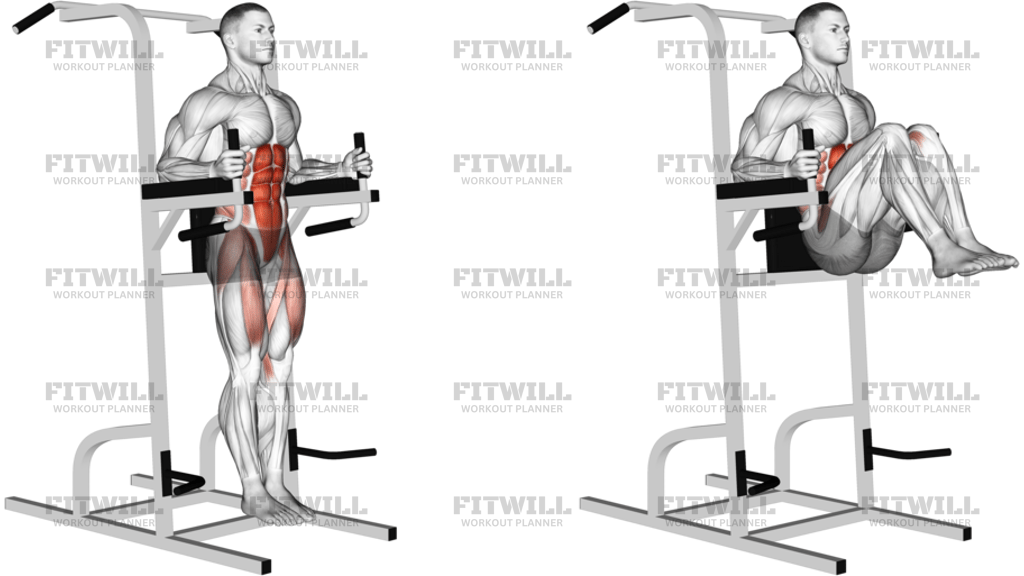
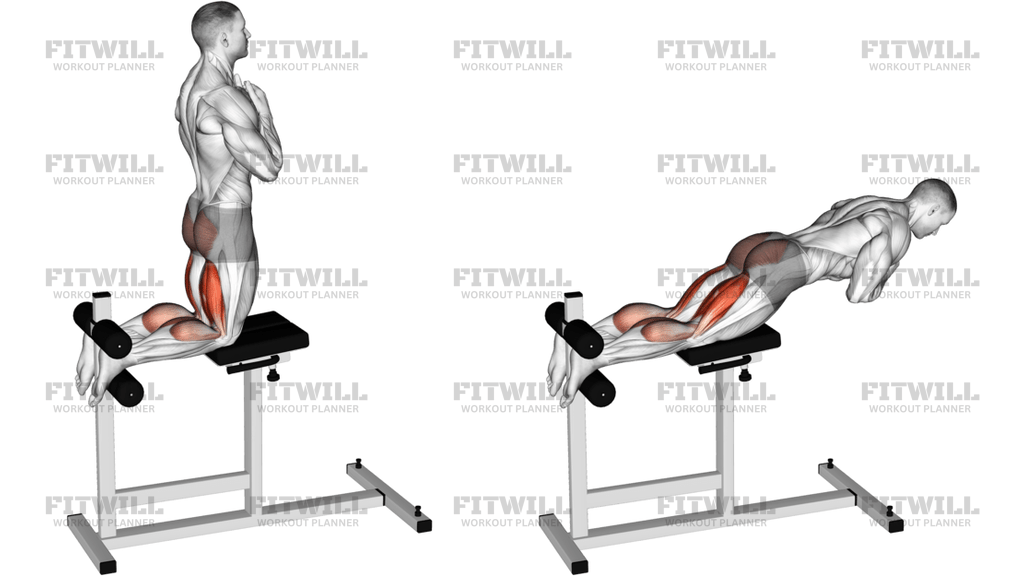
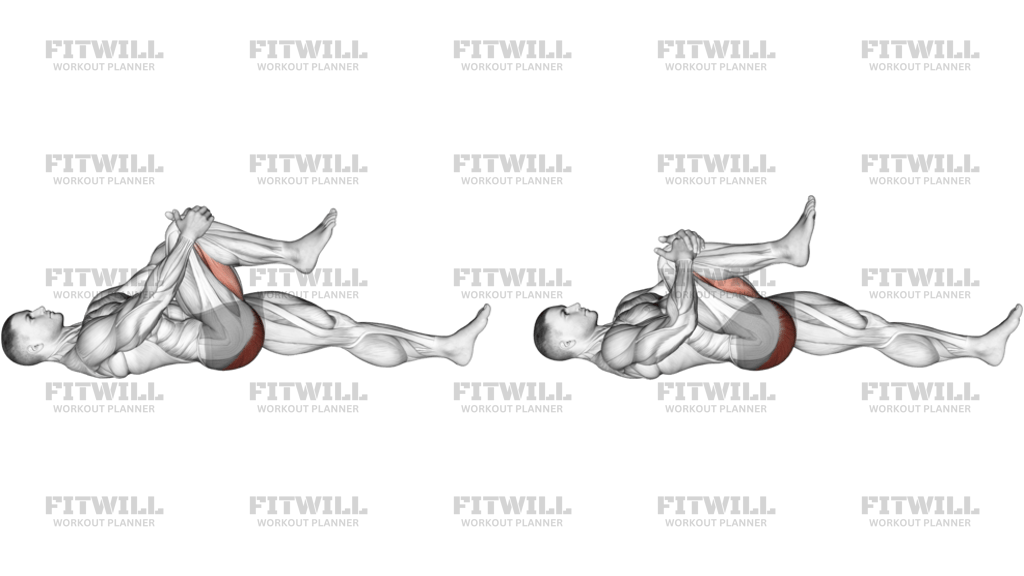
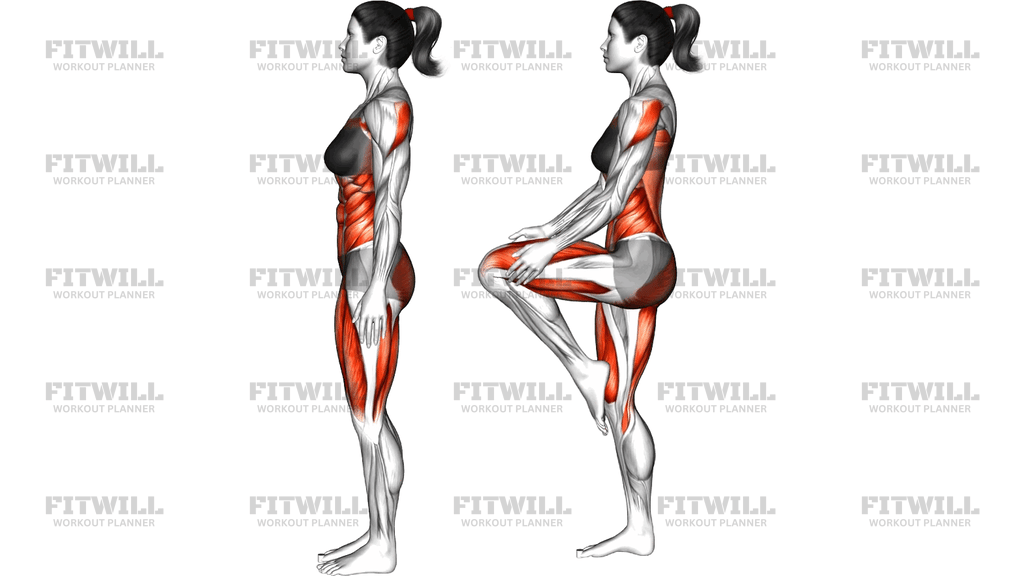
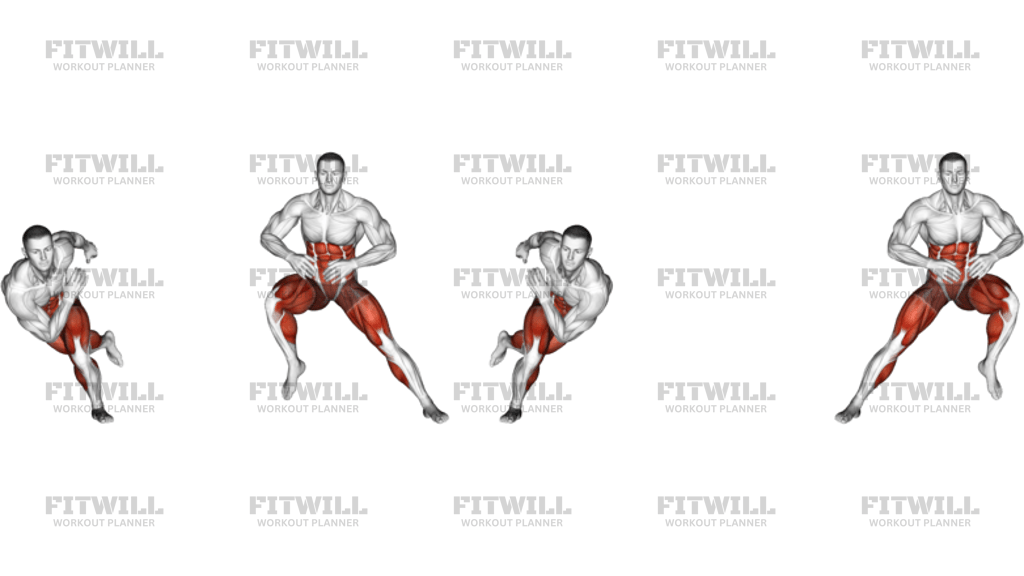
Vertical Leg Raise on Parallel Bars is a bodyweight core-and-hip-flexor exercise performed from a supported dip station or captain's-chair style apparatus. In the image, the torso stays tall between the pads while the forearms grip the handles and the legs travel upward in front of the body. That setup makes the movement look simple, but the real work comes from keeping the pelvis from tipping forward and preventing the body from swinging as the knees or straight legs rise.
This exercise is especially useful for training the lower abs, hip flexors, and the deep trunk muscles that keep the ribs, pelvis, and spine organized under load. The shoulders, lats, and grip also work isometrically to keep you steady on the bars. If the setup is sloppy, the rep turns into a swing; if the setup is solid, the abs can control both the lift and the lowering phase with much better tension.
The most important part of the movement is the start position. Press the upper arms or forearms firmly into the pads, hold the handles without shrugging, and let the torso settle into a tall, stacked position. From there, lift the knees or legs by curling the pelvis upward instead of simply kicking the legs forward. The top of the rep should feel like a compact crunch through the lower abdomen, not a loose hip hinge.
On the way down, lower the legs slowly until the trunk stays controlled and the lower back does not arch hard against the support. A small pause at the top can make the rep much stricter, but only if you can keep the shoulders packed and the torso quiet. This is a good accessory exercise for people who want direct core work without lying on the floor, and it can be progressed by straightening the knees, increasing range, or slowing the eccentric portion.
Use a range you can control without swinging, and stop the set when the torso starts to rock or the legs stop lifting under control. For beginners, bent-knee raises are usually the best starting version. For more advanced lifters, straighter legs and a deliberate pelvic curl make the exercise much harder while keeping the same basic parallel-bar setup.
[ Workout Log & Planner ]
Put your next workout in Fitwill
Keep your plan and training log ready when you are.


Instructions
- Set your forearms or upper arms on the pads and grip the parallel handles so your chest stays lifted and your shoulders do not shrug.
- Let your body hang in a tall supported position with the back neutral, legs together, and feet clear of the floor.
- Brace your midsection, then tuck the pelvis slightly so the lower back does not arch before the first rep.
- Raise your knees or straight legs forward and upward until the thighs approach the torso or the shins come near parallel, depending on the version you are using.
- Keep the lift smooth and avoid kicking, leaning back, or letting the torso swing as the legs rise.
- Squeeze the abs at the top for a brief pause while the shoulders and grip keep the body steady on the bars.
- Lower the legs under control until the pelvis and torso stay stacked and the movement is still strict.
- Reset the shoulders and breathing after each rep, then repeat for the planned number of repetitions.
Tips & Tricks
- If the hips rock forward, shorten the range and focus on a small posterior pelvic tuck at the top of each rep.
- Keep the handles squeezed lightly but firmly; a death grip usually turns the movement into shoulder tension instead of ab work.
- Think about curling the pelvis toward the ribs rather than just lifting the knees, especially on the last third of the rep.
- Bending the knees makes the exercise much easier and helps you learn the supported hanging position before progressing to straighter legs.
- Do not let the lower back arch hard at the bottom; that usually means the descent is too fast or the range is too deep.
- A slow lowering phase builds more control than fast reps and makes it harder to cheat with momentum.
- Keep the shoulders depressed and the neck long so the torso stays organized against the pads instead of shrugging upward.
- Stop the set when the legs start swinging from the bottom position, because the next reps will shift stress away from the abs.
Frequently Asked Questions
What muscles does Vertical Leg Raise on Parallel Bars work most?
It mainly trains the lower abs and hip flexors, with the obliques, lats, grip, and shoulder stabilizers helping keep the torso steady.
Is this the same as a captain's chair leg raise?
Yes. The image shows a captain's-chair style setup on parallel bars with forearm support and a vertical torso.
Should I keep my knees bent or legs straight?
Bent knees are the best starting option. Straight legs increase the lever arm and make it much harder to keep the pelvis from swinging.
How high should I raise my legs?
Raise them as high as you can without leaning back or swinging. A clean, controlled knee lift is better than a higher but sloppy rep.
Why do my shoulders or grip get tired first?
The handles and pads still have to stabilize your body, so grip and shoulder endurance matter. If they fail early, you may be holding too tightly or shrugging into the pads.
Can beginners do this exercise safely?
Yes, but start with a bent-knee version and a short range. The supported position makes it accessible as long as the body stays quiet.
What is the most common form mistake?
Swinging the legs and arching the lower back. Both usually mean the rep is being driven by momentum instead of the abs.
How can I make the movement harder?
Use straighter legs, slow the lowering phase, or add a brief pause at the top while keeping the torso fixed on the pads.