Seated Foot Slide
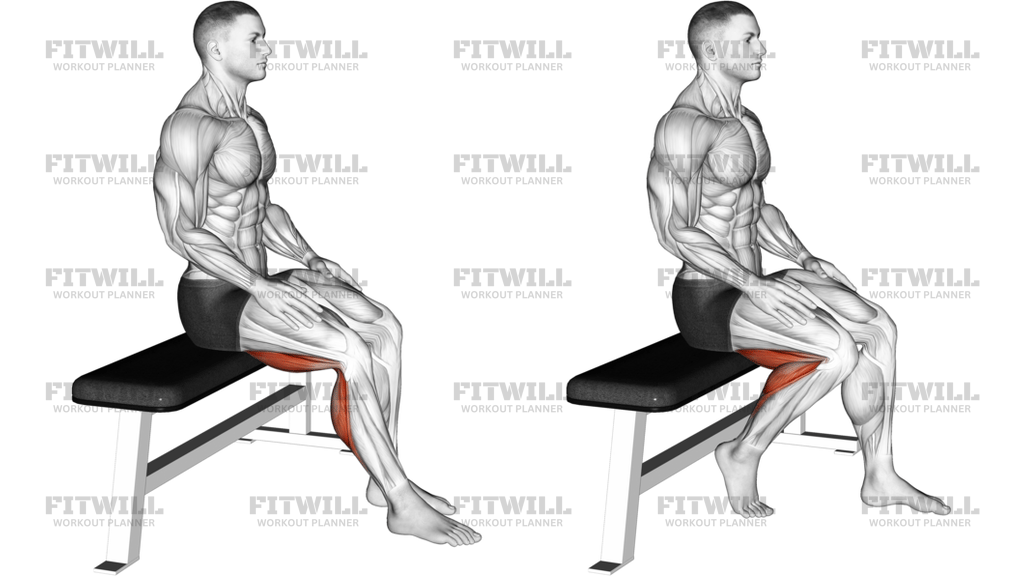
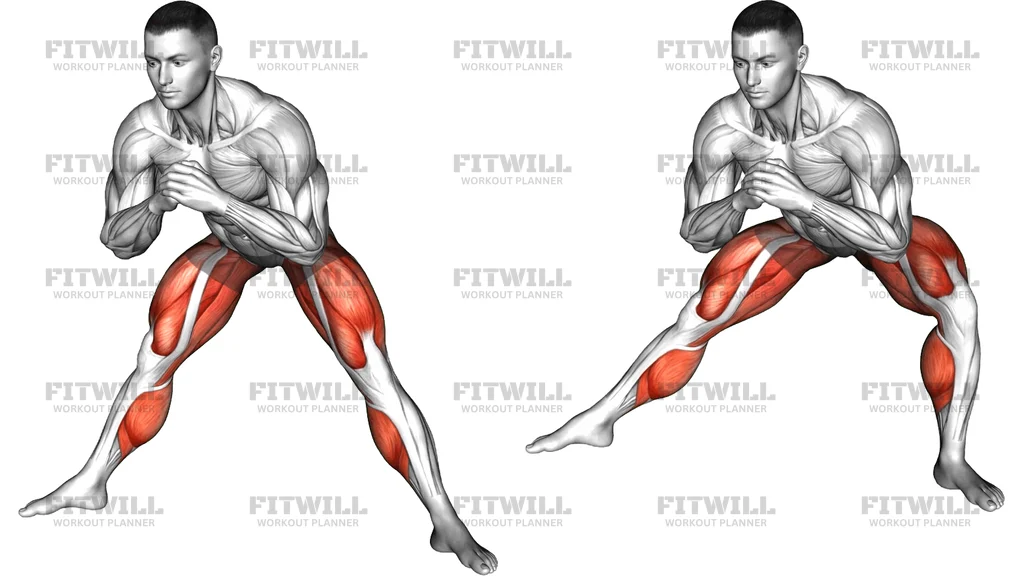
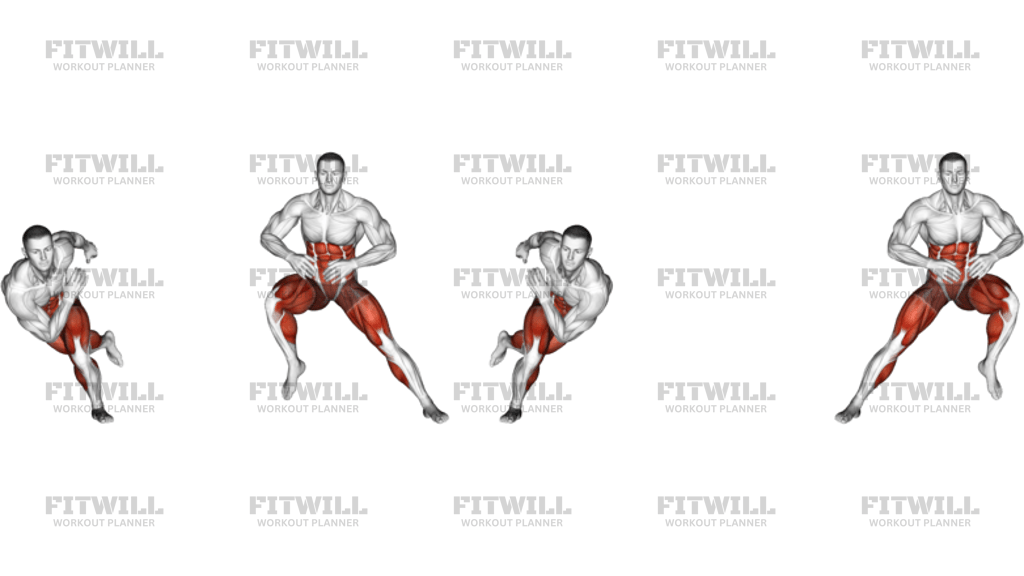
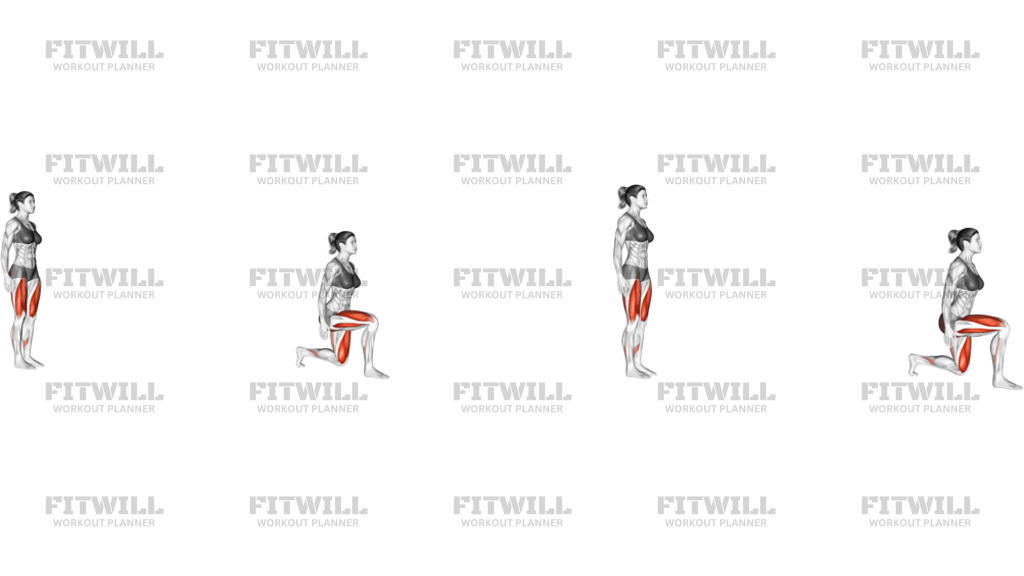
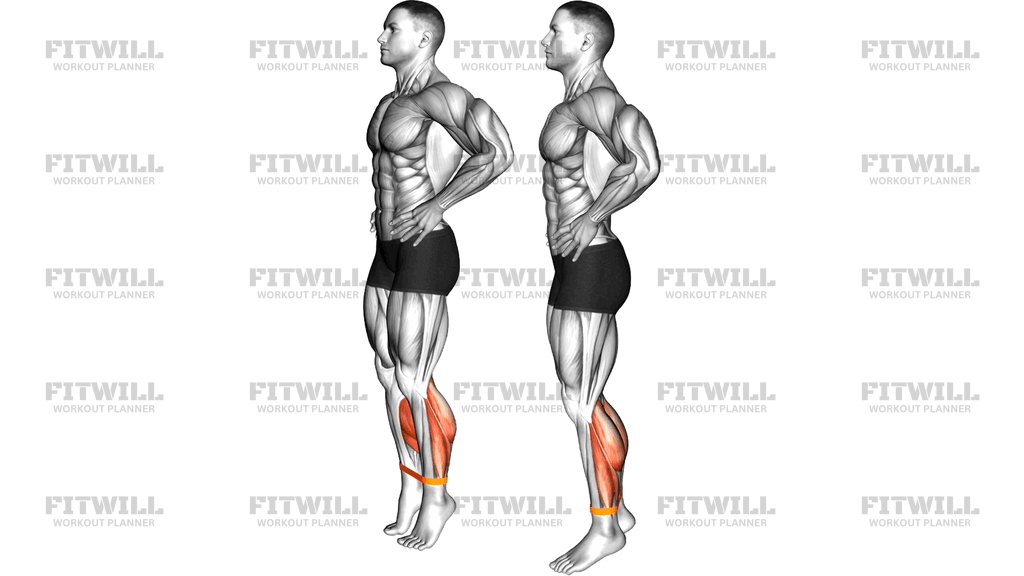
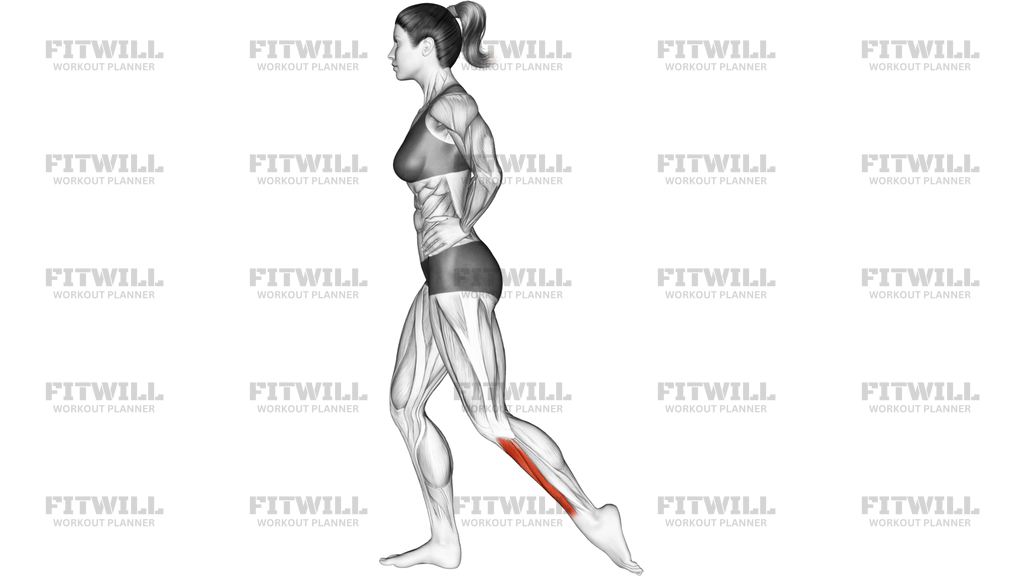
Seated Foot Slide is a bodyweight lower-body exercise that uses a bench and floor contact to train a smooth sliding leg action with very little setup. The movement shown here looks more like a seated hamstring slide than a calf drill, so the content should be read as a controlled posterior-chain exercise where the heel glides away from the bench and then pulls back under the body. It is useful when you want a simple, joint-friendly way to build control through knee flexion and extension without needing a machine.
The main work comes from the hamstrings, with the glutes, calves, and deep trunk muscles helping you keep the pelvis steady on the bench. That support matters because the slide becomes much harder to control if you lean back, twist, or let the hips drift forward. A tall seated posture also keeps the rep honest and makes the sliding leg do the work instead of momentum.
Set the bench far enough from the floor contact so the working foot can slide freely without snagging. Start with the heel planted lightly, the other foot grounded if needed for balance, and the torso stacked over the hips. From there, the slide should feel like a deliberate reach away from the bench followed by a strong pull back, not a kick outward or a fast jerk.
Seated Foot Slide is a good choice for beginners who need a low-load way to learn hamstring engagement, and it also works well as accessory work after squats, hinges, or running sessions. Because the resistance is mostly bodyweight and friction-based, small changes in floor texture, footwear, and bench height can change the difficulty a lot. The exercise should stay pain-free and controlled; if the knee or hamstring feels sharp, shorten the range and slow the return.
Use Seated Foot Slide when you want repeated, technical reps that teach the leg to extend and recover without losing trunk position. It fits warm-ups, rehab-style strength work, and lower-body circuits where you want tension and coordination more than brute load. The best sets are the ones where every slide looks the same, the heel stays quiet, and the pelvis stays anchored to the bench from the first rep to the last.
Fitwill
Log Workouts, Track Progress & Build Strength.
Achieve more with Fitwill: explore over 9600 exercises with images and videos, access built-in and custom workouts, perfect for both gym and home sessions, and see real results.
Start your journey. Download today!




Instructions
- Sit tall on the bench with one heel lightly planted on the floor in front of you and the other foot set wherever it helps you balance.
- Keep your hips square on the bench, your chest lifted, and your hands resting on your thighs or the bench for light support.
- Set the working heel flat enough to slide smoothly, with the toes relaxed so the leg can travel without catching.
- Brace your trunk and keep your pelvis still before you start the slide.
- Slide the working heel away from the bench until the knee opens to a comfortable, controlled range.
- Pause briefly at the farthest point you can reach without losing a tall torso or shifting your hips.
- Pull the heel back toward the bench by flexing the knee and keeping the foot in contact with the floor.
- Exhale as you pull back in and inhale as you slide out, keeping the motion smooth and even.
- Reset fully between reps if needed, then repeat for the planned number of repetitions.
Tips & Tricks
- If the foot sticks, change to smoother shoes or a less grippy floor so the heel can glide instead of jolting forward.
- Keep the sit bones heavy on the bench; if your hips slide with the leg, the hamstrings lose tension and the rep turns into body English.
- Do not let the sliding leg whip out fast. The eccentric return is where the hamstrings usually work hardest in this exercise.
- A shorter slide is fine if the heel starts lifting or the knee caves inward on the way back.
- Hold the torso tall instead of leaning back to chase a bigger range. The bench is for support, not for taking load off the working leg.
- Use the hands only for balance. If you push down hard through the arms, the lower body stops doing the work.
- Think about drawing the heel back under you rather than just bending the knee. That cue helps keep the slide controlled and intentional.
- Stop the set if you feel cramping behind the thigh; that usually means the range is too long or the tempo is too fast for the current setup.
Frequently Asked Questions
What muscles does Seated Foot Slide work?
It mainly trains the hamstrings, with help from the glutes, calves, and trunk muscles that keep you steady on the bench.
Is Seated Foot Slide good for beginners?
Yes. It is a low-load way to learn how to control a sliding leg without needing a machine or heavy resistance.
How should my foot be positioned on the floor?
Keep the heel in contact with the floor or surface so it can glide smoothly, and relax the toes enough that the foot does not snag during the slide.
What is the most common mistake in Seated Foot Slide?
The usual mistake is letting the hips move with the leg or rushing the return. Keep the bench contact stable and make the pull back slow and deliberate.
Why does the image show a seated hamstring focus if the name sounds generic?
The movement shown is a seated leg slide pattern that clearly loads the back of the thigh more than the calves, so the coaching cues should match that visible hamstring emphasis.
Can I make Seated Foot Slide harder without adding weight?
Yes. Use a smoother floor, increase the slide distance, slow the return, or keep the non-working leg lifted so the sliding leg has to do more of the work.
Should my torso lean back during the slide?
No. A tall torso helps keep the pelvis anchored on the bench and prevents the movement from turning into a hip shift instead of a leg slide.
Is Seated Foot Slide safe for sore knees or hamstrings?
It can be, if you keep the range short and the tempo controlled. Any sharp pain, pinching, or cramping means you should reduce the slide distance or stop the set.