Lean Forward Stretch
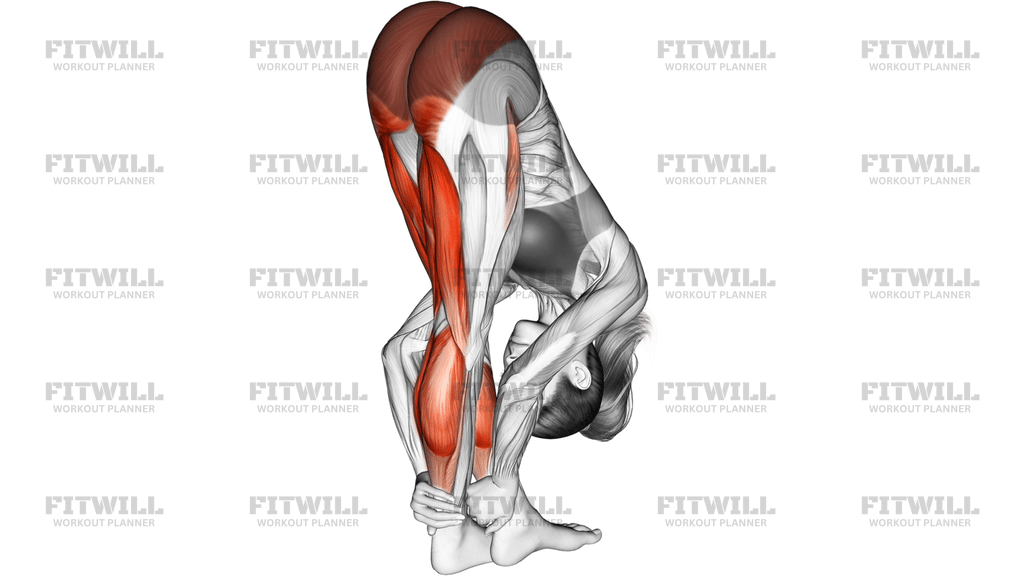
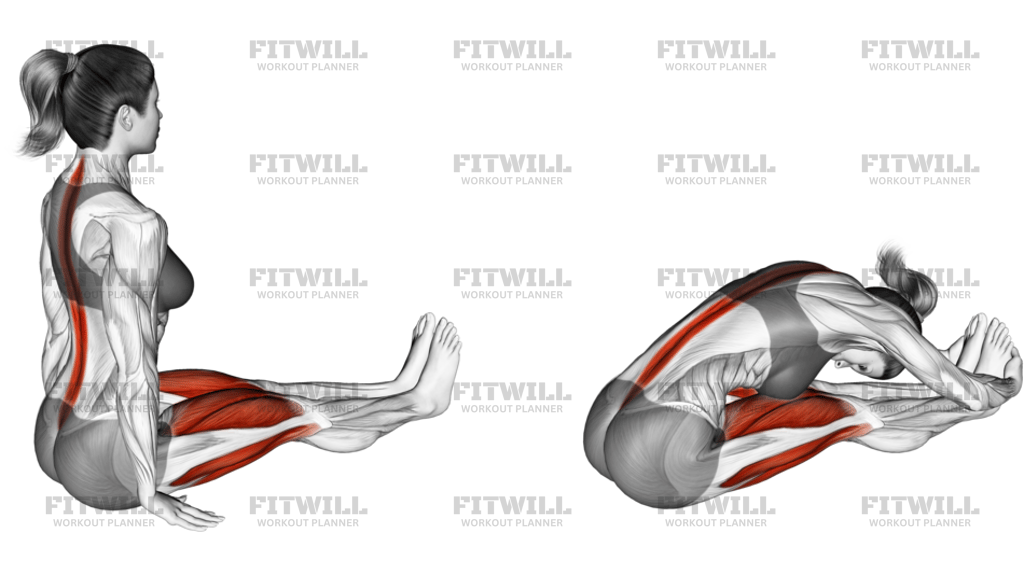
Lean Forward Stretch is a seated forward fold on an exercise mat with both legs extended straight in front of you. The image shows a long-sit position where you hinge toward the feet, so the exercise is best understood as a hamstring-and-back-line stretch rather than a standing bend or a hip opener. The goal is to lengthen the back of the thighs, calves, and the tissues along the lower back while keeping the torso organized and the breath calm.
The setup matters because this stretch changes a lot depending on whether you sit tall first or collapse immediately. Starting with the pelvis grounded, legs long, and feet active makes it easier to fold from the hips instead of rounding aggressively through the spine. That cleaner hinge lets you stay in control and keeps the stretch where you want it, rather than dumping stress into the low back or yanking on the shoulders.
This is not a max-range test. A good rep is a slow fold, a brief pause in a reachable end position, and a controlled return to upright sitting. You should feel tension building along the hamstrings and calves as you reach toward the feet, with the chest traveling toward the thighs instead of the head diving first. If the knees need a small bend to keep the stretch smooth, that is a better option than forcing the legs straight and losing position.
Use the stretch when you want a simple, floor-based way to restore length after lower-body training, opening work before deadlifts or squats, or a cooldown after running and cycling. It is also useful for people who spend a lot of time seated and need a repeatable way to work the posterior chain without equipment. Keep the movement pain-free, keep breathing steady, and stop short of any sharp pull behind the knees or in the lower back.
[ Workout Log & Planner ]
Put your next workout in Fitwill
Keep your plan and training log ready when you are.


Instructions
- Sit on the mat with both legs straight in front of you and your feet flexed so the toes point up.
- Place your hands beside your hips, sit tall through the crown of the head, and keep the chest open before you move.
- Take a small breath in, then hinge forward from the hips instead of rounding immediately through the low back.
- Slide your hands toward your shins, ankles, or feet at a pace you can control.
- Keep the knees mostly straight, but allow a slight bend if it helps you keep the fold smooth and pain-free.
- Reach the chest toward the thighs and let the head follow naturally instead of forcing the forehead down first.
- Exhale and settle into the stretch for a brief pause without bouncing or pulling hard with the arms.
- Press the hands lightly into the mat or feet, then reverse the hinge and return to a tall seated position.
- Repeat with the same smooth range, staying even on both sides of the body.
Tips & Tricks
- Flexing the ankles harder usually increases the stretch along the calves as well as the hamstrings.
- If your lower back rounds first, reduce the range and think about tipping the pelvis forward before reaching farther.
- A small knee bend is better than locking the legs and losing a clean hip hinge.
- Keep the feet active rather than letting them flop outward; that makes the line from hamstrings to calves easier to control.
- Reach with a long spine first, then deepen the fold after the torso is already moving forward.
- Use your exhale to soften the back-line tension instead of trying to force depth with your hands.
- If the stretch feels sharp behind the knees, back off and shorten the reach to the shins or ankles.
- Avoid yanking on the feet; the arms should guide the shape, not drag the body into position.
Frequently Asked Questions
What does Lean Forward Stretch mainly work?
It mainly stretches the hamstrings and the back line of the body, with extra length work for the calves and lower back.
Should my legs stay straight in this seated forward fold?
Yes, keep them mostly straight, but a slight bend is fine if it helps you keep the fold smooth and pain-free.
Where should my hands go during the stretch?
Start with your hands on the mat beside your hips, then slide them toward your shins, ankles, or feet as you hinge forward.
Why do my hamstrings feel tighter when I flex my feet?
Pulling the toes up increases tension through the back of the legs, which often makes the stretch feel stronger along the hamstrings and calves.
Is it normal to feel this in my lower back too?
A mild pull in the lower back can happen, but the main sensation should stay in the back of the thighs rather than becoming a low-back compression feeling.
How far should I fold toward my feet?
Fold only as far as you can keep the chest moving forward and the stretch pain-free; reaching the feet is optional, not mandatory.
Can I use a strap or towel with this stretch?
Yes, a strap or towel around the feet can help if your hands cannot comfortably reach the feet without rounding hard.
What is the most common mistake in this stretch?
The biggest mistake is collapsing through the spine or bouncing at the bottom instead of hinging forward and breathing into the hold.