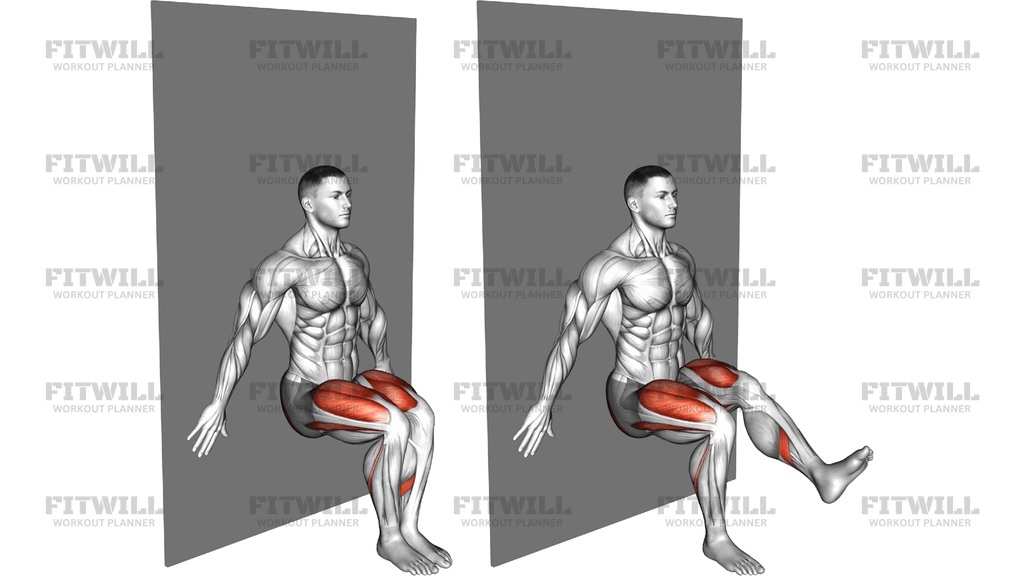
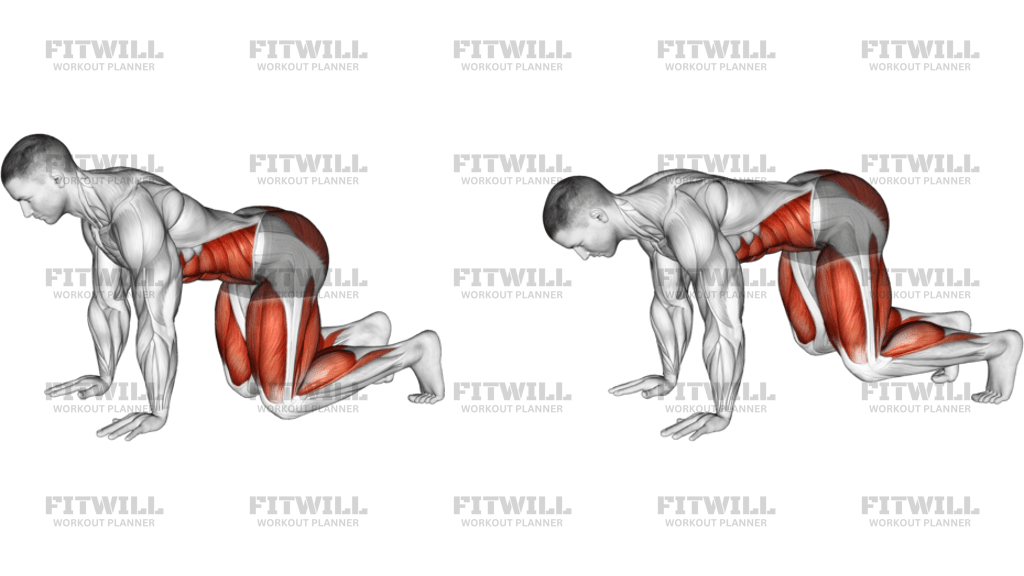
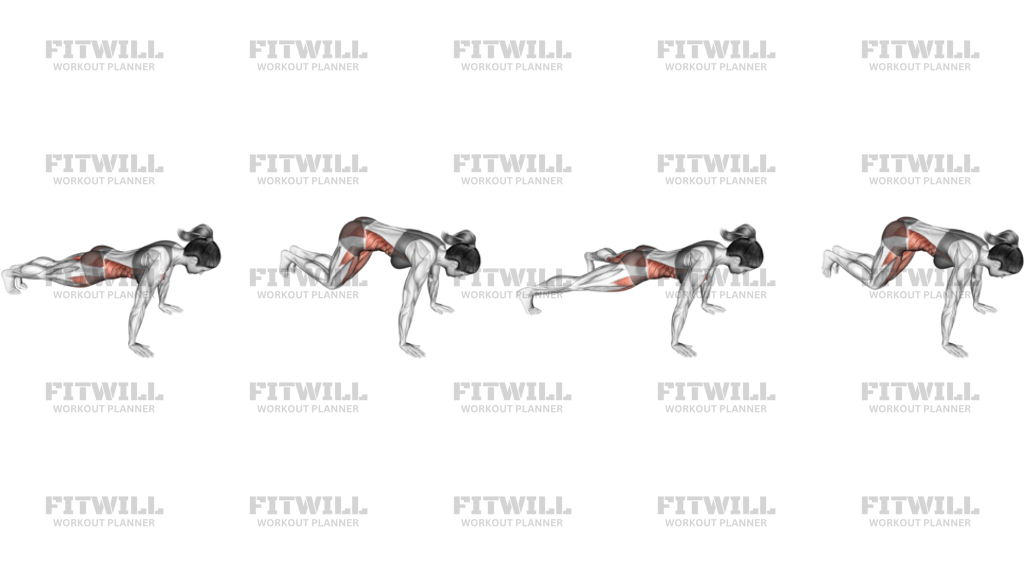
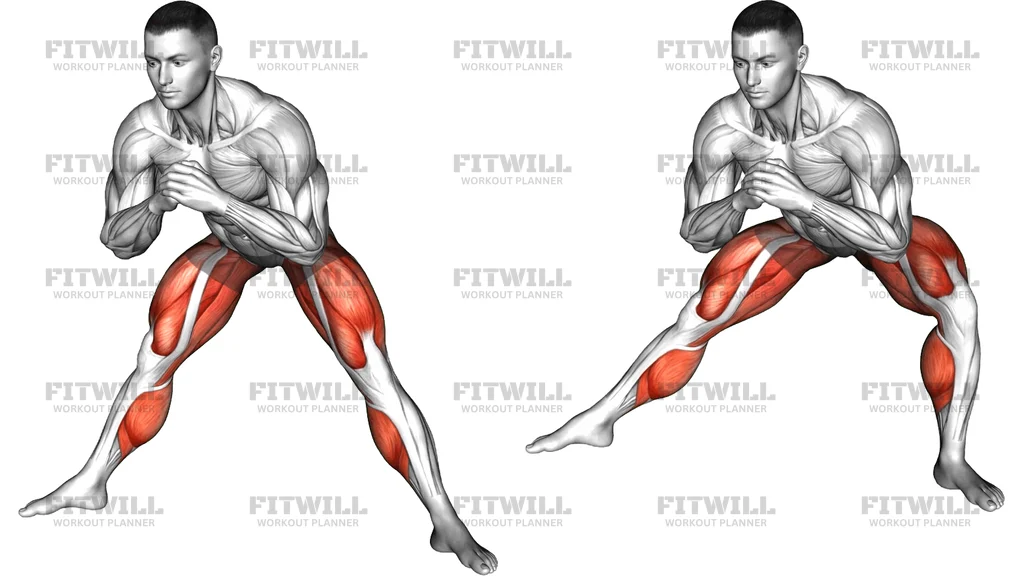
Lying Alternate Straight Leg Circle
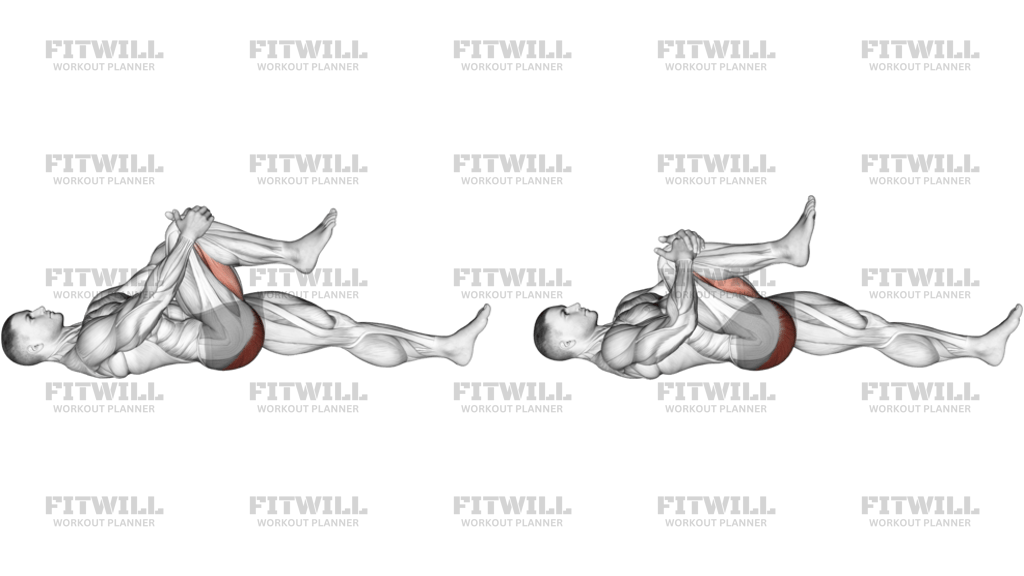
Lying Alternate Straight Leg Circle is a bodyweight floor drill for controlled hip motion, pelvic stability, and lower-abdominal coordination. You perform it on your back with one leg moving in a smooth circle while the other leg stays long and quiet, so the hips have to create the motion without letting the low back twist or arch. It is less about chasing a big range and more about keeping the pelvis steady while the working leg travels through a clean, repeatable circle.
The movement is useful for warming up the hips, teaching control around the hip joint, and preparing the trunk for exercises that demand leg control in a fixed torso position. Because the legs stay straight, the hip flexors, lower abdominals, and deep stabilizers all have to coordinate to keep the motion smooth. If the circle gets too large or the leg drops too low, the pelvis usually starts to roll and the quality of the rep falls off.
The setup matters. Lie flat on a mat with both shoulders heavy on the floor, ribs down, and the non-working leg long and active. The moving leg should stay straight with the foot pointed or lightly dorsiflexed depending on the goal, and the pelvis should remain square to the ceiling. Once you start the circle, the leg should trace a controlled loop from the hip socket rather than swinging from the knee or pulling with momentum.
A good repetition feels deliberate and organized. Circle the leg through a comfortable path, keep the trunk quiet, and alternate sides only when you can keep the same level of control. Breathing should stay steady, with an exhale helping you brace as the leg passes through the most demanding part of the circle. If the lower back lifts, the neck tightens, or the hips rock side to side, the circle is too big or the pace is too fast.
This exercise fits well in a warm-up, core stability block, rehab-style session, or accessory circuit where precise control matters more than load. It is a strong option for beginners if the circle is kept small and the range is pain-free. More advanced lifters can use slower tempo, longer pauses, or stricter alternating patterns to make the drill more challenging without turning it into a swinging leg raise.
[ Workout Log & Planner ]
Put your next workout in Fitwill
Keep your plan and training log ready when you are.


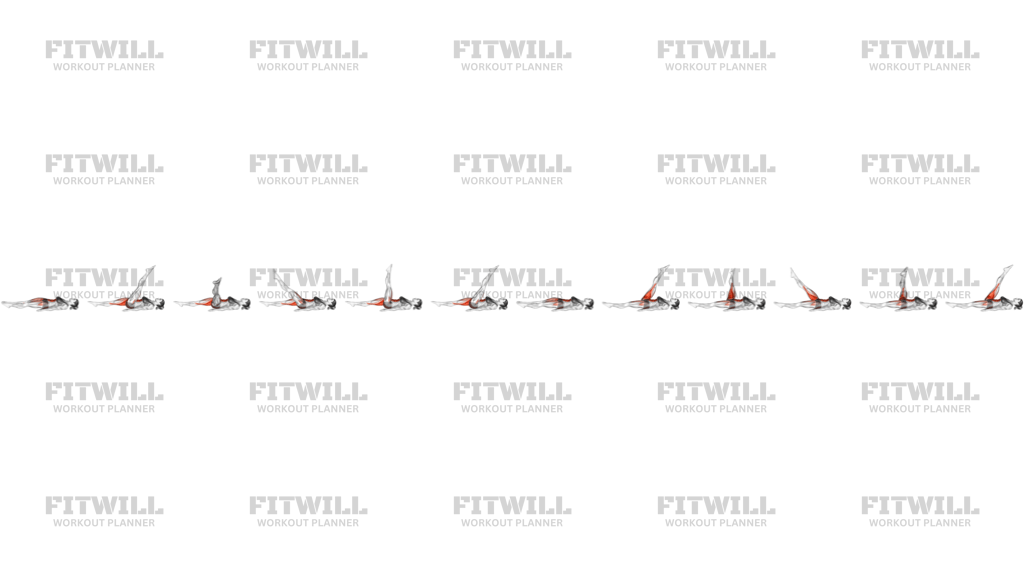
Instructions
- Lie on your back on a mat with both legs straight, arms relaxed by your sides, and your lower back gently pressed into the floor.
- Keep one leg long on the floor while the other leg lifts straight up so the hip is stacked over the pelvis.
- Set your ribs down and lightly brace your abs before the leg starts moving.
- Trace a slow circle with the raised leg, moving from the hip instead of bending the knee.
- Keep the standing leg quiet and avoid letting the pelvis rock or twist as the moving leg travels around.
- Finish the circle back at the top position with the leg still straight.
- Switch legs and repeat the same size circle on the other side, keeping the pace even.
- Exhale through the hardest part of each circle and reset your brace before the next rep.
Tips & Tricks
- Keep the circles small enough that your low back stays flat on the mat.
- Think of the leg moving inside the hip socket, not sweeping from the knee.
- If your hip flexors cramp, shorten the range and slow the tempo before you fatigue them further.
- The non-working leg should stay long and still; if it lifts or bends, you are losing pelvic control.
- A pointed foot makes the leg feel longer, while a slightly flexed foot can help you keep the knee locked out.
- Move slowly enough that you can pause for a beat at the top of each circle without wobbling.
- Do not let the ribs flare when the leg lowers, or the exercise turns into a low-back compensation drill.
- Use a smooth breathing pattern instead of holding your breath through the entire set.
Frequently Asked Questions
What does Lying Alternate Straight Leg Circle train?
It trains hip control, pelvic stability, lower-abdominal bracing, and coordinated motion through the hip joint.
Is this a stretch or a strength exercise?
It is best treated as a control and mobility drill. The work comes from keeping the pelvis quiet while the leg circles.
How big should the leg circle be?
Only as big as you can keep the lower back down and the hips square. Smaller circles are usually better than forced range.
Should my knee stay locked out the whole time?
Yes. The leg should stay straight so the movement comes from the hip rather than from bending and straightening the knee.
What should I feel working?
You should feel the front of the hip, lower abs, and deep stabilizers working to control the circle without the pelvis shifting.
Can I do both directions?
Yes. Many people circle one direction for a set, then reverse the circle to challenge control from both sides of the hip.
Why does my lower back want to arch?
Usually the circle is too large or the leg is too low. Shorten the path, keep the ribs down, and reset the brace before each rep.
Is this suitable before leg training?
Yes. It works well in a warm-up because it primes hip motion and trunk control without adding fatigue from external load.