Bodyweight Skipping
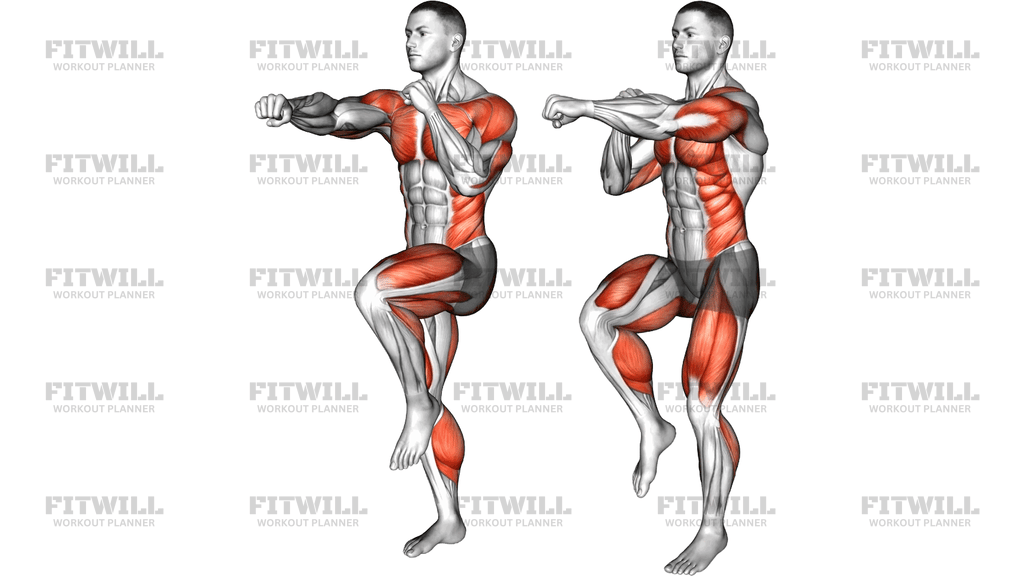
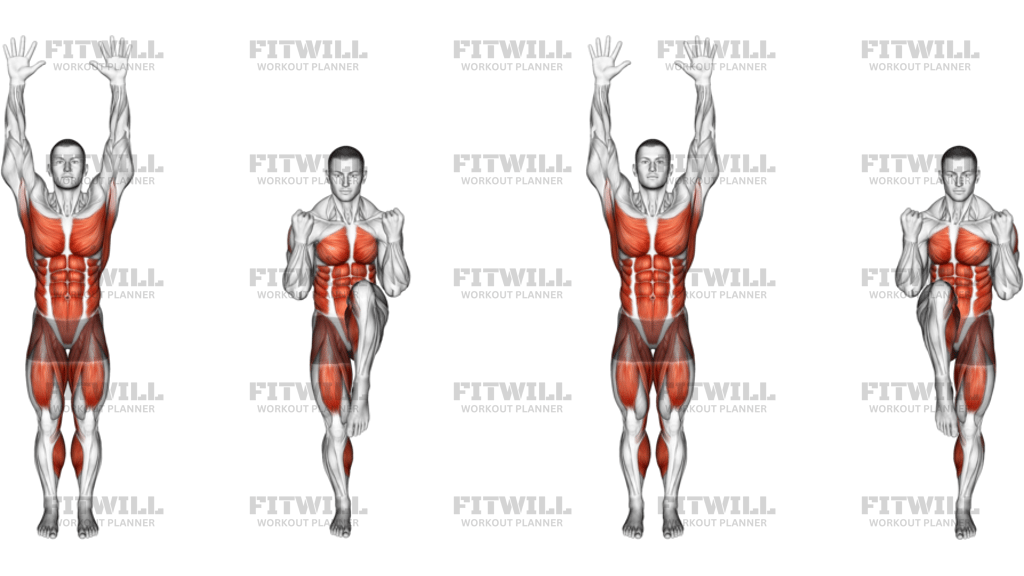
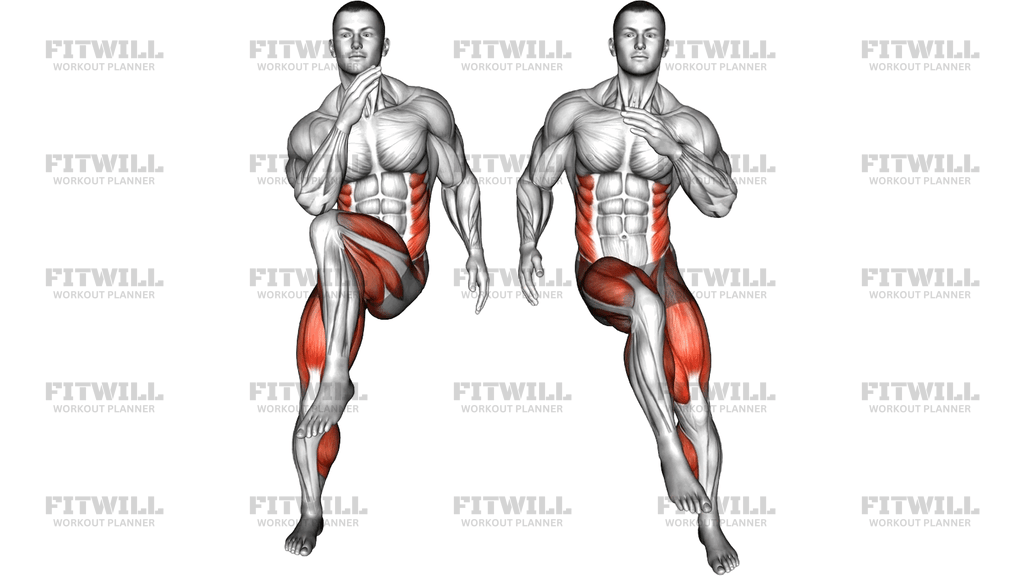
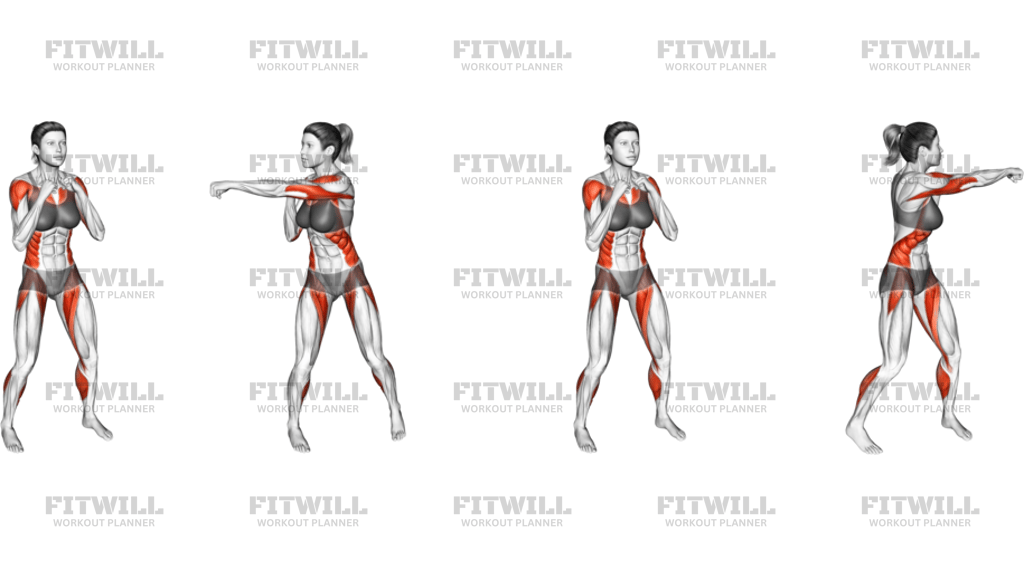
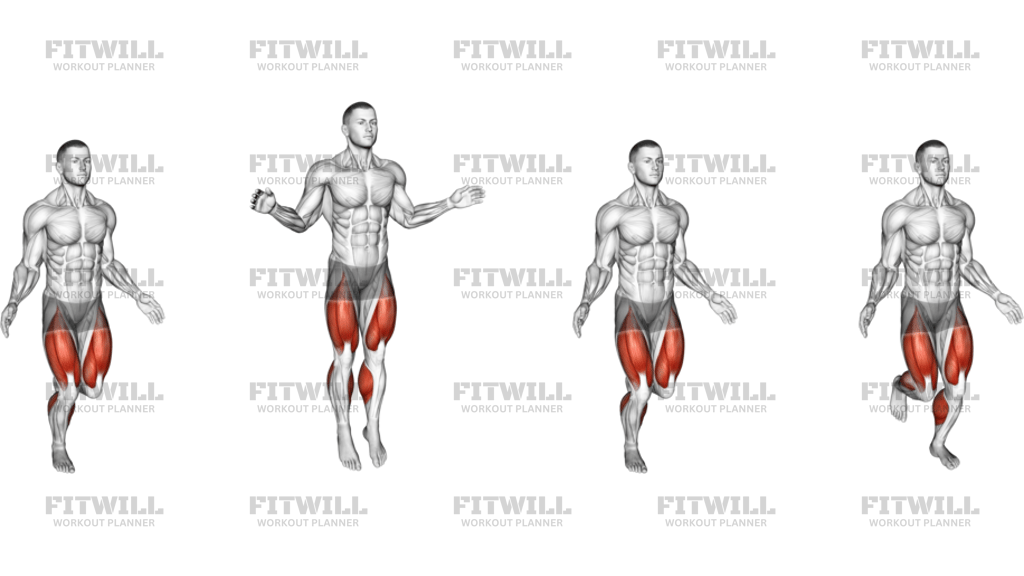
Bodyweight Skipping is a low-load plyometric drill built around quick alternating hops and a springy ankle action. It is used to warm up for running, conditioning, and sport work because it teaches rhythm, foot speed, calf stiffness, and quiet landings without needing external load. In this version, the arms stay in a light rope-turning position while the feet switch rapidly beneath the body, so the exercise feels more like coordinated elastic work than a strength lift.
The main training effect comes from the feet, ankles, calves, and lower legs repeatedly absorbing and returning force. The quads, glutes, hip flexors, and core help keep the torso upright and the pelvis steady, while the shoulders and forearms only provide a small amount of arm rhythm. The more controlled the posture, the more useful each rep becomes for coordination and elastic conditioning.
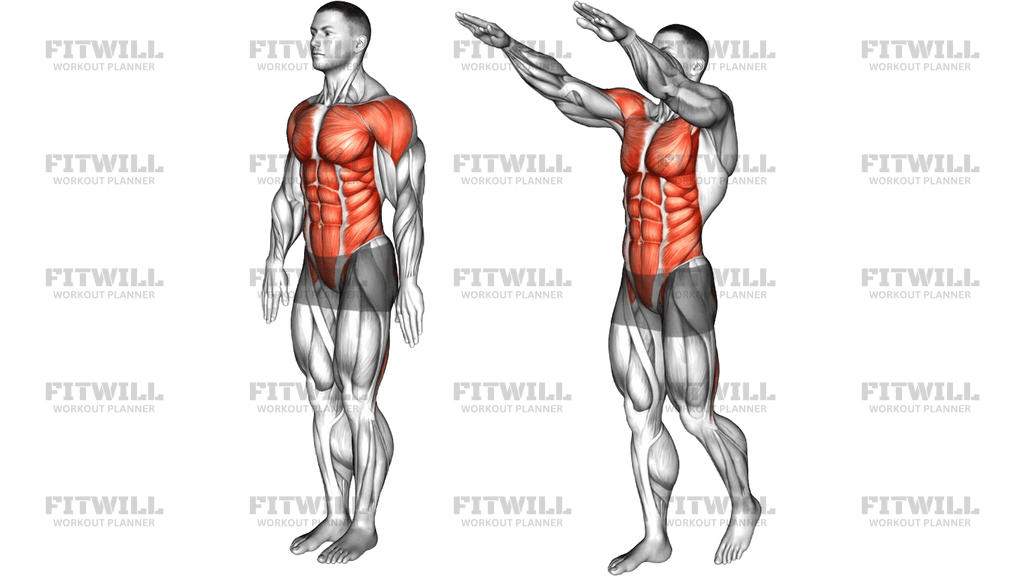
Set up in a tall stance with the ribs stacked over the pelvis, eyes forward, and elbows close to the sides. Keep the hands slightly in front of the hips and begin with tiny alternating hops or a gentle running skip. The goal is to stay light on the balls of the feet, land under the center of mass, and keep the contacts short so the body rebounds immediately instead of sinking.
Use Bodyweight Skipping as a warm-up, conditioning interval, or coordination drill before faster running, agility, or lower-body training. It is easy to scale by reducing the pace, shortening the interval, or switching to two-foot hops if alternate-foot rhythm is too demanding. Keep the hops quiet, stop if the Achilles tendon or shins start to complain, and choose a surface and shoe that let the lower legs spring without feeling beaten up.
[ Workout Log & Planner ]
Put your next workout in Fitwill
Keep your plan and training log ready when you are.


Instructions
- Stand tall with your feet under your hips and your elbows bent at your sides, as if you are holding short jump-rope handles.
- Stack your ribs over your pelvis, look forward, and keep a light brace through your midsection before you start.
- Begin with tiny alternating hops so one foot leaves the floor as the other one lands.
- Stay on the balls of your feet and let the heels lower only as much as needed to keep the rhythm smooth.
- Turn the wrists in small circles or trace a light rope-swing path with the hands, without swinging the shoulders.
- Keep each hop low and quick so the contacts feel springy instead of bouncy.
- Let the knees bend just enough to absorb the landing, then rebound immediately into the next skip.
- Breathe in a steady rhythm while you skip, then slow the cadence before you step out of the pattern.
Tips & Tricks
- If your shoulders start climbing toward your ears, your arm circles are too big for this drill.
- Think quick spring rather than high jump; extra airtime usually kills the cadence.
- Keep the landing under your hips instead of reaching the foot forward, or the skip turns into a shuffle.
- The lower legs should feel elastic, not jammed; if the calves feel rigid, shorten the hop.
- Use short intervals first, because coordination breaks down before breathing does.
- If you are skipping without a rope, keep the same wrist rhythm you would use with a very light rope.
- A quiet landing usually means the pace and hop height are appropriate for the surface you chose.
- Stop before the shins or Achilles tendons start to feel irritated; this drill should feel springy, not punishing.
Frequently Asked Questions
What muscles does Bodyweight Skipping work most?
It emphasizes the calves, ankles, feet, and lower legs, with the quads, glutes, hip flexors, and core helping keep the skip organized.
Is this the same as jump rope?
It uses the same skipping rhythm and arm position, and it can be performed with or without an actual rope depending on the workout.
Should I alternate feet or hop with both feet?
The version shown here is an alternate-foot skip, but two-foot hops are a useful regression or variation when the rhythm is not there yet.
How high should I jump?
Only high enough to clear the floor. The drill should feel quick and springy, not like a power jump.
Can beginners do Bodyweight Skipping?
Yes, beginners can use short intervals, low hop height, and a slower cadence until the footwork feels automatic.
Why do my shoulders get tired so fast?
Usually the hands are circling too far from the body. Keep the elbows near your ribs and let the wrists do most of the work.
Why do my shins or calves feel sore afterward?
That usually means the contacts were too hard, the volume was too long, or the surface was too firm for your current tolerance.
Where should I feel the exercise most?
Most of the work should show up in the calves, feet, and ankles, with the torso staying tall and quiet.