Dumbbell Alternate Hammer Srtict Curl
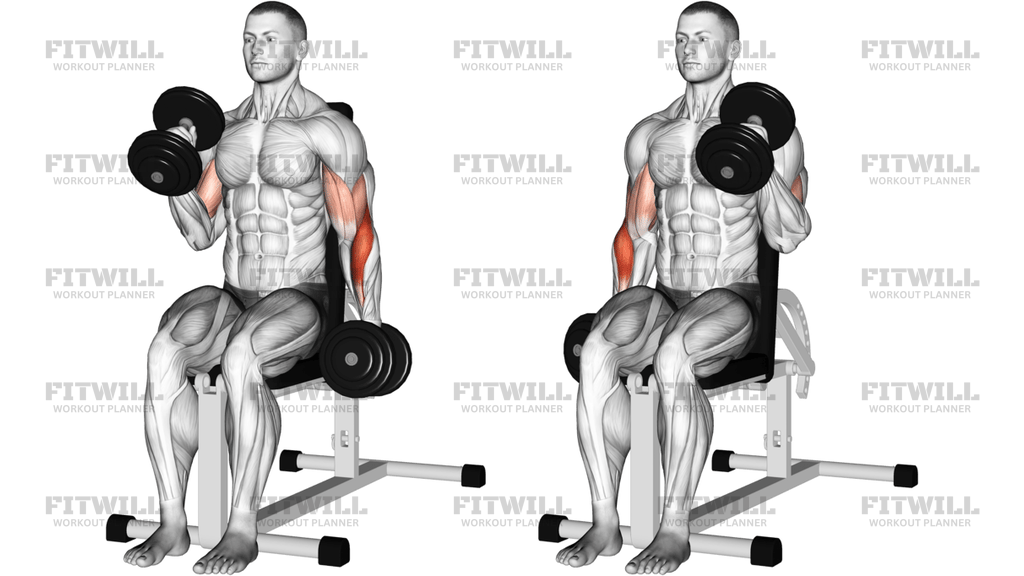
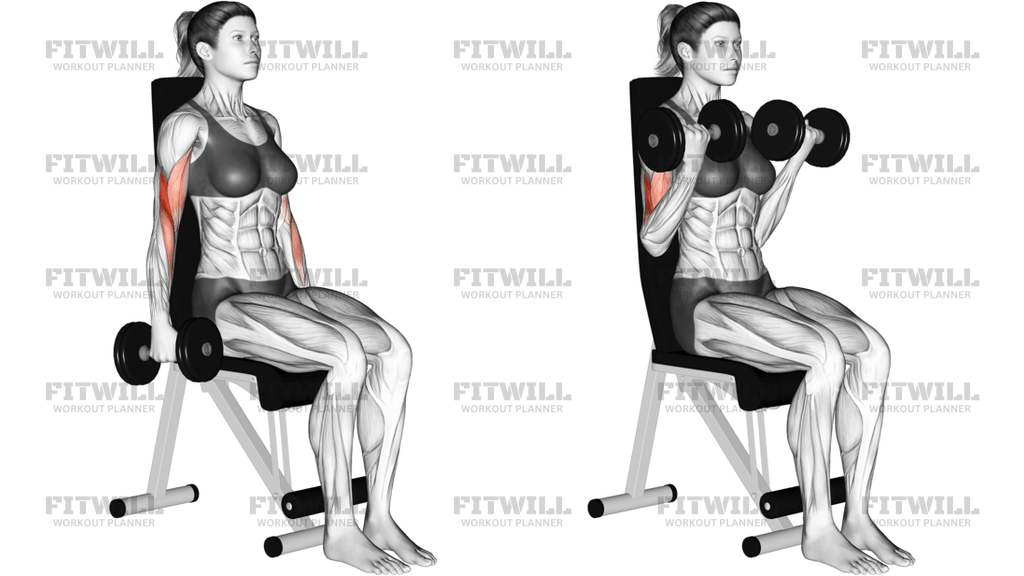
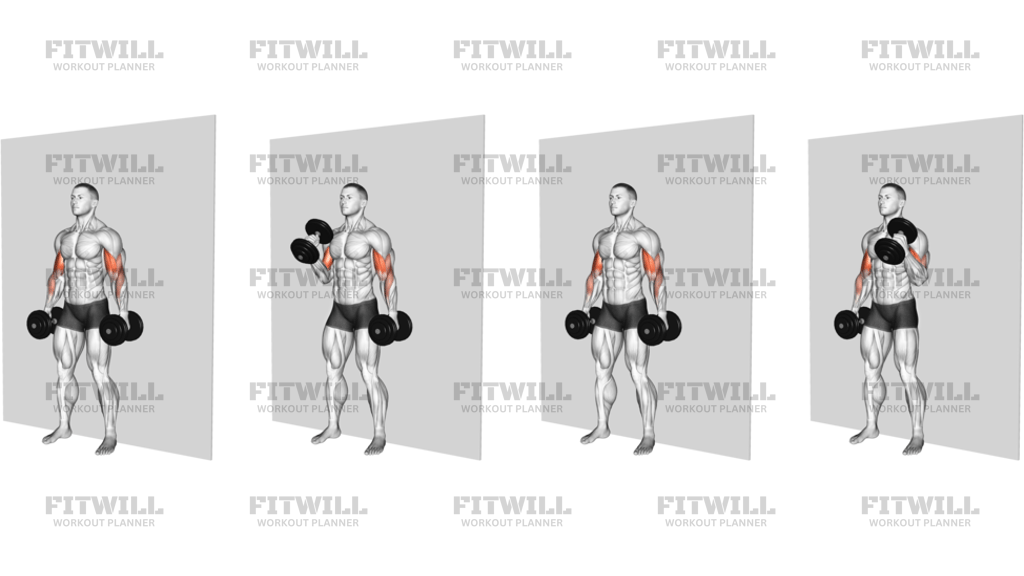
Dumbbell Alternate Hammer Srtict Curl is a strict standing alternating curl performed with a neutral dumbbell grip, so one arm works at a time while the other arm hangs still at your side. The image shows the classic hammer-curl pattern: elbows stay close to the torso, wrists stay neutral, and the upper body does not swing to help the weight.
This exercise emphasizes elbow flexion with a neutral hand position, which makes it a useful option for the biceps, brachialis, brachioradialis, and forearm support muscles. Compared with a supinated curl, the hammer grip usually feels friendlier on the wrists and teaches you to keep the forearm, elbow, and shoulder lined up without cranking the hand into rotation.
The setup matters because the strict version only works when the torso stays stacked. Stand tall with the dumbbells hanging by your thighs, feet planted firmly, ribs down, and shoulders relaxed instead of rolled forward. Pick a load that lets you curl without leaning back, drifting the elbow in front of the body, or turning the set into a whole-body heave.
Each rep should be driven by the elbow bending, not by the shoulder or lower back. Curl one dumbbell toward the same-side shoulder, squeeze briefly at the top, then lower it under control before or as the other arm starts. Keep the working forearm moving in a smooth arc, keep the non-working arm quiet, and breathe out on the lift and in on the descent.
Use this movement when you want a focused arm accessory that also challenges control and symmetry between sides. It fits well in arm training, upper-body assistance work, or any session where you want strict biceps and forearm loading without barbell rotation. If you feel the shoulders taking over or the torso rocking, the weight is too heavy for the strict hammer-curl pattern shown here.
[ Workout Log & Planner ]
Put your next workout in Fitwill
Keep your plan and training log ready when you are.


Instructions
- Stand tall with your feet about hip-width apart and hold a dumbbell in each hand at your sides with your palms facing in.
- Keep your wrists straight, shoulders relaxed, and elbows pinned close to your ribs before the first rep starts.
- Curl one dumbbell upward by bending that elbow only, keeping the upper arm quiet and the palm facing inward the whole time.
- Bring the weight toward the same-side shoulder without leaning back, shrugging, or letting the elbow drift far forward.
- Pause briefly near the top when the forearm is close to vertical and the biceps are fully shortened.
- Lower the dumbbell slowly until the arm is straight again and the dumbbell is hanging beside the thigh.
- As the first arm lowers, repeat the curl on the other side while keeping the torso upright and still.
- Breathe out as you lift and breathe in as you lower, then finish the set by placing both dumbbells down with control.
Tips & Tricks
- If your ribs flare or you lean back to get the dumbbell up, the load is too heavy for a strict curl.
- Keep the pinky and thumb at the same height so the dumbbell stays in a neutral hammer position instead of rotating toward a regular curl.
- Think about bending the elbow like a hinge and leave the shoulder out of the rep.
- Let the working elbow stay close to the side of the torso; if it shoots forward, the front delts are taking over.
- Lower the dumbbell under control all the way to the bottom instead of cutting the eccentric short.
- Use the lighter side of your usual curl load if one arm starts racing ahead of the other.
- A brief pause at the top makes the set more honest and keeps you from bouncing the dumbbell off your shoulder.
- If your forearms or wrists fatigue before your upper arms, reduce the load and keep the handle centered in the palm.
Frequently Asked Questions
What muscles does the alternate hammer curl work?
It mainly trains the biceps, brachialis, and brachioradialis, with the forearms helping to stabilize the neutral grip.
Why use a hammer grip instead of turning the palm up?
The neutral grip keeps the wrist and forearm in a more natural line and usually shifts more work into the brachialis and brachioradialis.
Should my elbow move forward during the curl?
A small amount of movement is normal, but the elbow should stay close to your ribs instead of drifting out in front of your body.
Can I do both arms at the same time?
You can, but the alternating version shown here makes it easier to keep each rep strict and prevents one arm from stealing momentum from the other.
What is the biggest mistake on this exercise?
Swinging the torso or shrugging the shoulder to finish the rep usually means the dumbbells are too heavy for a strict hammer curl.
Is this exercise beginner friendly?
Yes. Beginners usually do well with light dumbbells as long as they keep the wrists neutral and the torso still.
How low should I lower the dumbbell?
Lower it until the arm is straight and the dumbbell is back beside the thigh, without letting the shoulder roll forward.
Can I sit down for this movement?
Yes, a seated version is fine, but the standing strict version in the image adds more demand on posture and control.