Dumbbell Prone Incline Hammer Curl
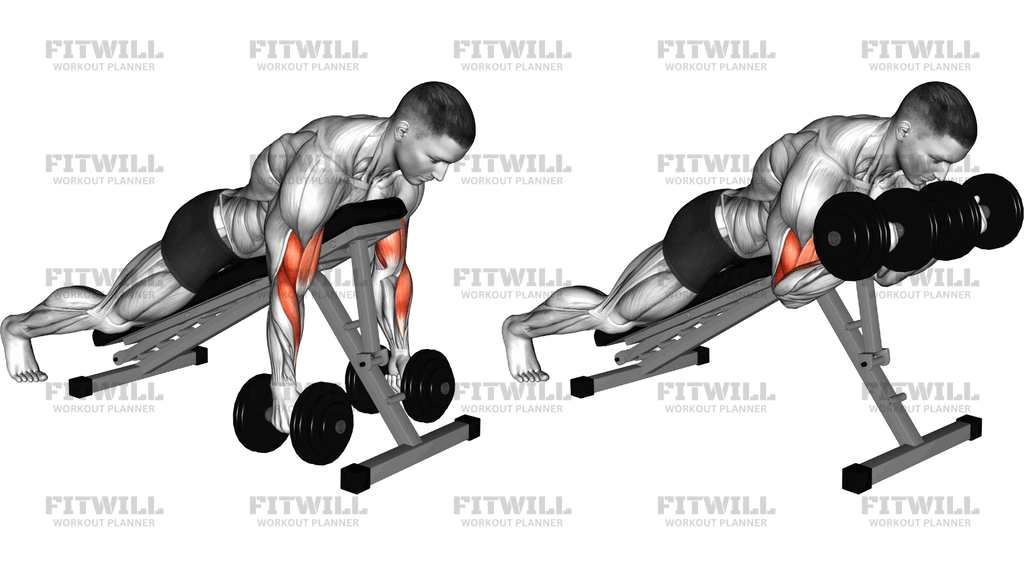
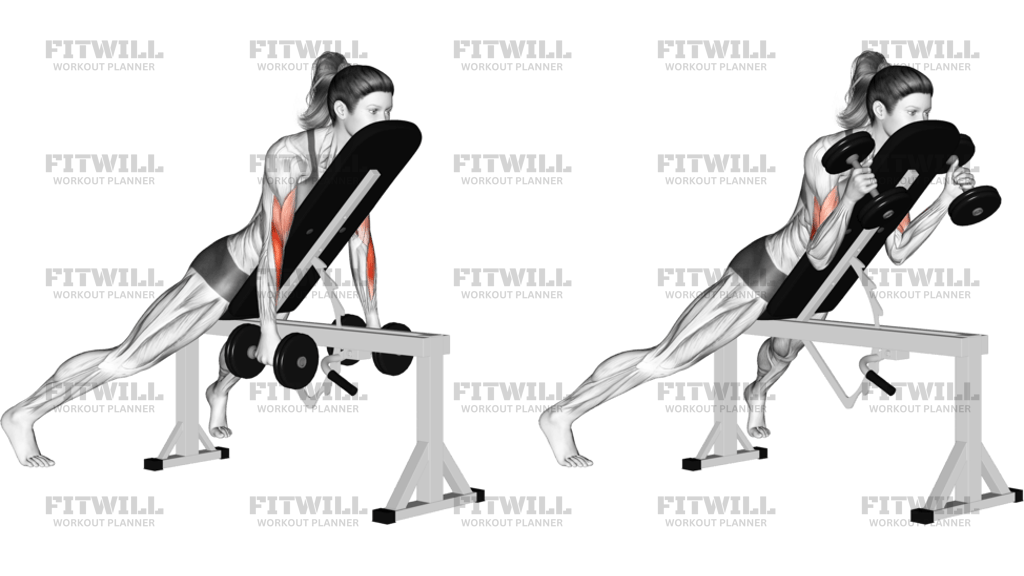
Dumbbell Prone Incline Hammer Curl is a chest-supported arm exercise performed face down on an incline bench with a neutral dumbbell grip. The support from the bench removes most lower-body drive and torso swing, so the biceps, brachialis, and brachioradialis have to do the lifting with much cleaner mechanics than a standing curl. It is a useful choice when you want strict elbow flexion work without cheating through the hips, back, or shoulders.
The position matters because the chest, upper abdomen, and sometimes the sternum stay anchored to the pad while the arms hang straight toward the floor. That setup changes the line of pull and makes the curl feel more isolated through the front of the upper arm and forearm. Dumbbell Prone Incline Hammer Curl is especially helpful for lifters who want to build arm size, improve elbow flexor strength, or reduce momentum compared with free-standing curls.
A good rep starts by setting the bench high enough that the chest is supported and the head can stay neutral without craning forward. Let the dumbbells hang directly under the shoulders with palms facing each other, then keep the upper arms quiet while the forearms curl the weights toward the front of the shoulders. The movement should stay smooth and even on both sides, with no shrugging, swinging, or twisting at the top.
Lower the dumbbells until the elbows are near full extension and the arms are lengthened under the bench, but do not slam into the bottom or lose shoulder position. On the way up, think about folding the forearm toward the upper arm rather than lifting the elbows off the pad. That keeps the work where it belongs and helps the wrist stay stacked over the dumbbell instead of bending back.
Dumbbell Prone Incline Hammer Curl fits well in arm-focused sessions, upper-body accessory work, or as a strict finishing movement after heavier pressing and pulling. It can also be a good option when standing curls bother the lower back or when you want a more controlled elbow-flexion pattern with less body English. Use a weight that lets every repetition look the same from the first rep to the last, and stop the set once the chest support is no longer doing its job or the shoulders start to take over.
[ Workout Log & Planner ]
Put your next workout in Fitwill
Keep your plan and training log ready when you are.


Instructions
- Set an incline bench to a steep angle and lie chest-down with your sternum and upper chest supported on the pad.
- Plant your feet wide and stable on the floor so your body stays anchored while your arms hang straight down.
- Hold a dumbbell in each hand with a neutral grip, palms facing each other, and let the arms hang under your shoulders.
- Keep your neck long and your chin slightly tucked so you are looking down at the bench rather than craning forward.
- Brace lightly through your midsection and pin your chest to the pad before starting the first rep.
- Curl both dumbbells up by bending only the elbows until the dumbbells travel toward the front of your shoulders.
- Pause briefly near the top without letting the elbows drift off the bench or the shoulders roll forward.
- Lower the dumbbells slowly until the arms are nearly straight and the weights return to the dead-hang position under control.
- Keep your wrists neutral and breathe out as you curl up, then breathe in as you lower back to the start.
Tips & Tricks
- Choose a lighter pair of dumbbells than you would use for standing hammer curls; the chest support exposes cheating fast.
- If your chest slides up the bench, lower the bench angle slightly or move your feet farther back for a more stable base.
- Keep the elbows pointed mostly toward the floor; once they flare, the front delts start stealing the rep.
- Do not let the dumbbells swing behind your shoulders at the bottom; stop when the arms are long and the tension is still on the biceps.
- A slow lowering phase will light up the brachioradialis and brachialis more than a rushed drop.
- If the wrists bend back, shorten the curl slightly and stack the knuckles over the forearm more cleanly.
- Squeeze the handles hard enough to keep the neutral grip, but do not crush them so hard that the forearms take over the set.
- Keep the head in line with the spine; looking too far forward usually pulls the shoulders off the pad.
- Use a smooth top pause instead of shrugging the dumbbells higher, because the bench support already removed the need for momentum.
Frequently Asked Questions
What muscles does Dumbbell Prone Incline Hammer Curl work?
It primarily trains the biceps and brachialis, with the brachioradialis and forearm flexors helping because of the neutral grip.
Why do I need an incline bench for Dumbbell Prone Incline Hammer Curl?
The chest-supported incline removes most torso sway and makes the curl more strict, so the arm flexors do the work instead of the hips and lower back.
Can beginners do Dumbbell Prone Incline Hammer Curl safely?
Yes, as long as they use light dumbbells and keep the chest glued to the pad. The support makes it a good option for learning controlled curls without standing balance demands.
How high should the incline bench be set?
A steep incline usually works best because it lets the arms hang freely under the shoulders. If the angle is too low, the dumbbells can drift too far back and the shoulders start to move.
What is the most common mistake in Dumbbell Prone Incline Hammer Curl?
The biggest mistake is lifting the chest off the pad or turning the rep into a shoulder shrug. Keep the upper body pinned so the elbows stay fixed and the curl stays strict.
Should my elbows stay tucked during Dumbbell Prone Incline Hammer Curl?
Yes, the upper arms should stay close to the bench and mostly still. A small amount of natural movement is fine, but the elbows should not flare wide or swing forward.
How is Dumbbell Prone Incline Hammer Curl different from a standing hammer curl?
The prone incline version removes leg drive and back extension, so the rep is slower and more isolated. It usually feels more honest and puts less stress on the lower back.
What can I use instead of Dumbbell Prone Incline Hammer Curl?
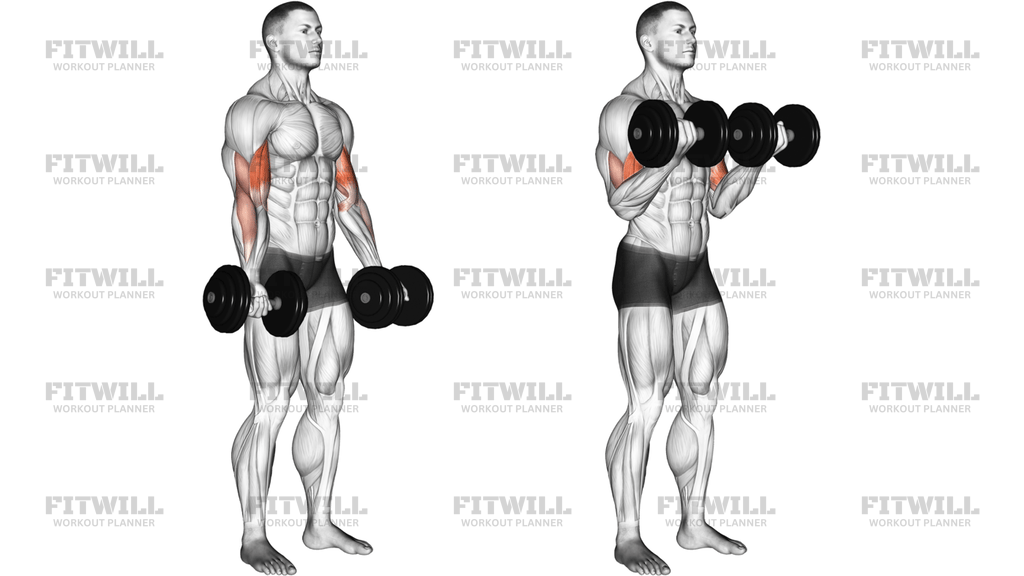
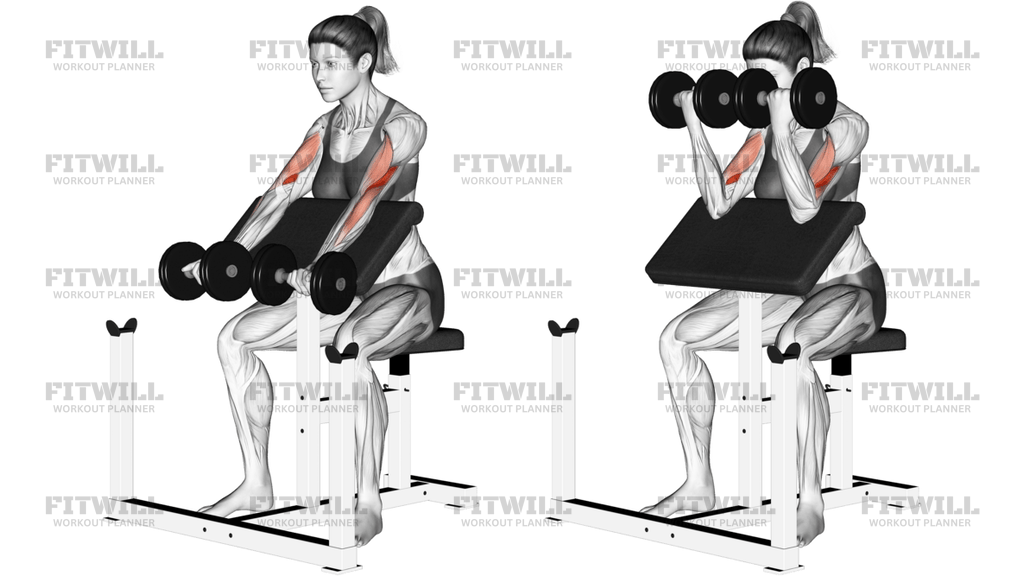
Cable hammer curls, incline dumbbell curls with a neutral or semi-neutral grip, or preacher hammer curls can all fill a similar elbow-flexion role if you do not have the exact bench setup.