Cable Standing Wrist Reverse Curl
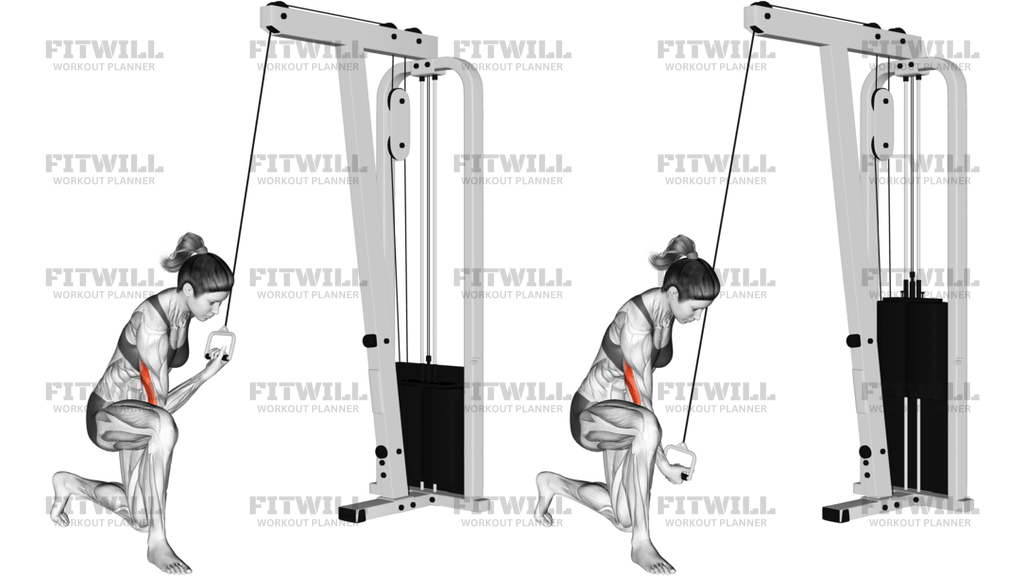
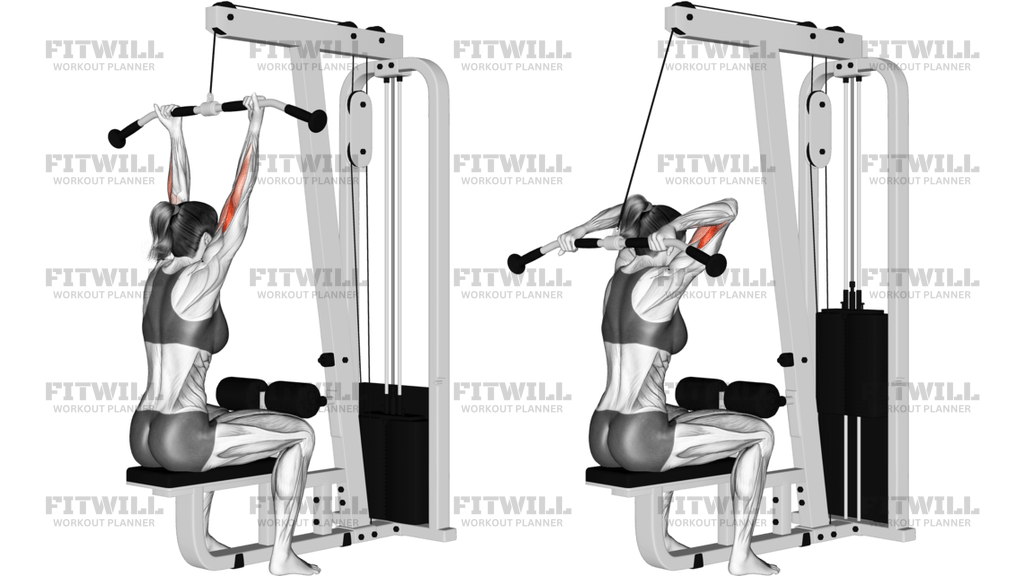
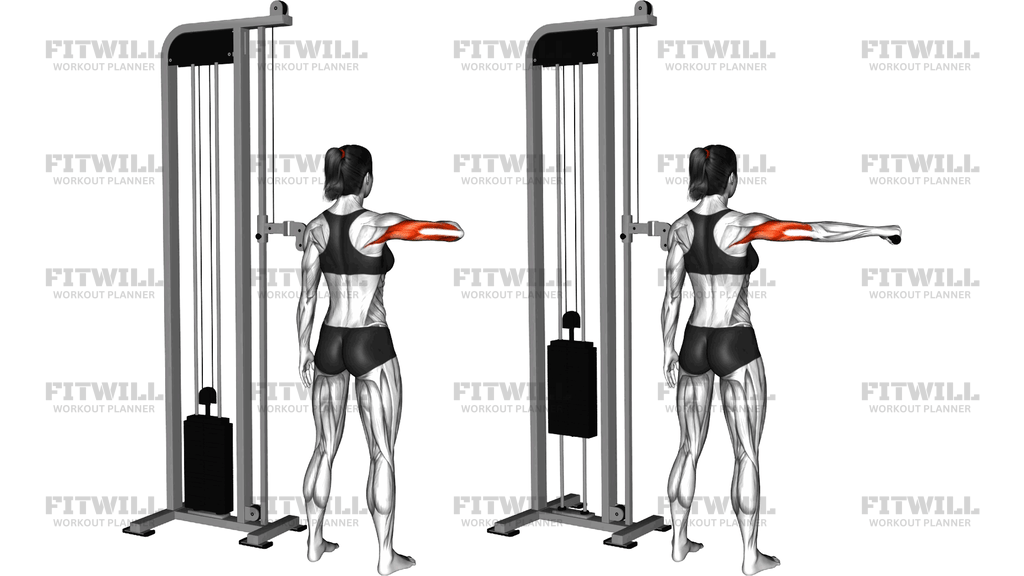
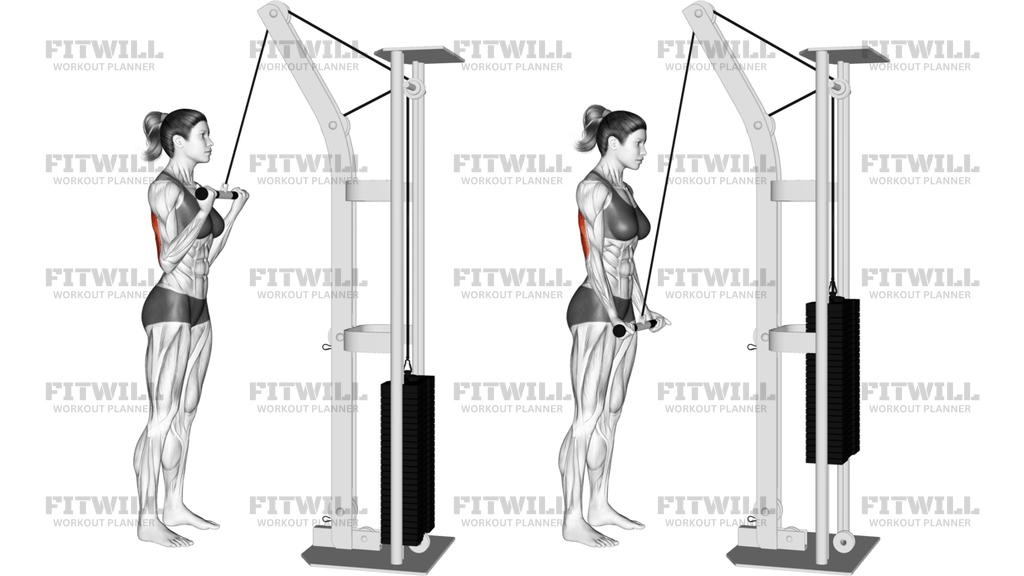
Cable Standing Wrist Reverse Curl is a standing cable forearm isolation exercise that trains wrist extension against constant tension. With a low pulley, a straight bar or short handle, and an overhand grip, you keep the upper arms quiet while the wrists do the moving. That makes it a practical choice when you want to build the smaller muscles around the forearm without turning the set into a biceps curl or a full-body heave.
The setup matters because the movement is small and easy to cheat. Stand tall with the handle in front of your thighs, feet about hip width apart, and elbows soft but fixed by your sides. The cable should already have light tension at the start so you can move smoothly without yanking the stack. A stable torso and quiet shoulders help the wrists do the work instead of the hips, elbows, or upper back taking over.
Each rep should be a controlled wrist-only action. Let the handle sit low near the fingers at the bottom, then extend the wrists so the knuckles rise toward the forearms. Pause briefly at the top when the forearm muscles are fully shortened, then lower the handle slowly until the wrists are back in the starting position. Keep the grip firm enough to control the bar, but not so tight that the forearm flexors dominate the set. Breathe out as you lift and breathe in as you return.
This exercise is useful as accessory work for athletes and lifters who need stronger wrist control, forearm endurance, or balanced arm development. It can fit after heavier compound work, during arm training, or in a rehab-style session when the wrists tolerate loaded extension well. Because the range of motion is short and the tissues around the wrist can be sensitive, the best results come from moderate load, clean tempo, and pain-free execution rather than aggressive cheating or very heavy weight.
[ Workout Log & Planner ]
Put your next workout in Fitwill
Keep your plan and training log ready when you are.


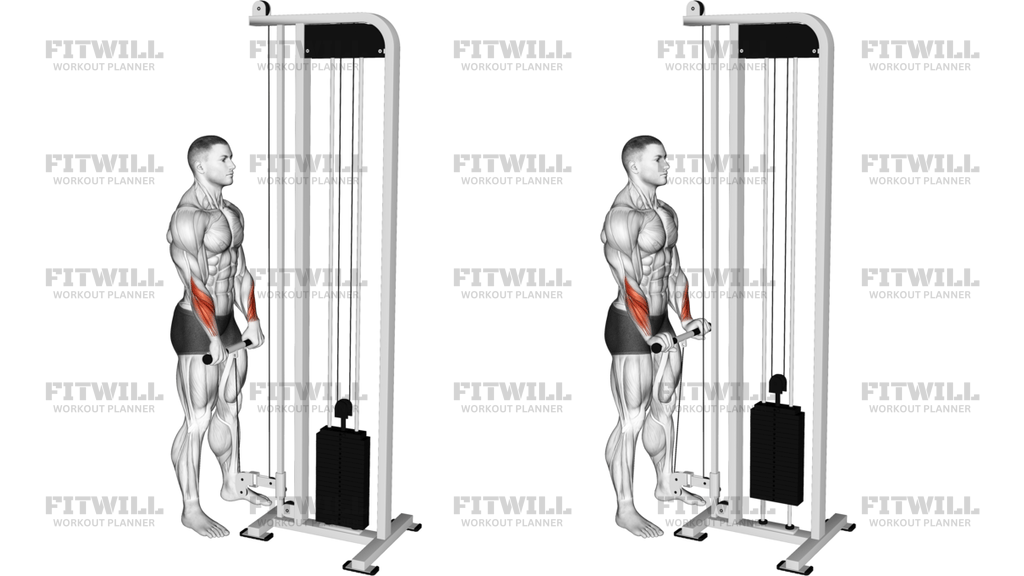
Instructions
- Set the pulley low and attach a straight bar or short handle.
- Stand facing the machine with your feet about hip width apart.
- Grip the bar with both palms facing down and let it rest in front of your thighs.
- Keep your elbows softly bent and pinned close to your sides.
- Start with your wrists slightly flexed and the cable already under tension.
- Extend your wrists upward so the knuckles travel toward your forearms.
- Pause briefly at the top without shrugging or swinging.
- Lower the handle slowly until the wrists return to the start.
- Keep the torso still and repeat for the planned reps.
Tips & Tricks
- Choose a lighter load than you would for a full forearm curl, because wrist extension has a small lever arm and cheating is easy.
- Keep the elbows fixed beside your torso; if they drift forward, the set turns into an arm curl instead of a wrist movement.
- Let the handle roll slightly toward the fingers at the bottom so the wrists can move through their full comfortable range.
- Lift by extending the wrists, not by leaning back, shrugging, or kicking the weight with the shoulders.
- Lower the bar for two to three seconds to keep tension on the forearm extensors through the eccentric phase.
- Use a firm but not crushing grip; if you squeeze too hard, the wrist flexors can take over the set.
- Keep the neck long and the ribs stacked so the torso does not brace so hard that the cable starts bouncing.
- Stop short of any sharp pain on the top of the wrist or the outside of the elbow, especially if the load is too heavy.
Frequently Asked Questions
What does Cable Standing Wrist Reverse Curl train most?
It mainly trains the wrist extensor muscles in the forearm, with the grip and upper arm stabilizing the bar.
Is this the same as a reverse biceps curl?
No. A reverse biceps curl bends the elbows with an overhand grip, while this movement keeps the elbows mostly still and moves only the wrists.
Should my elbows bend during the rep?
Keep them softly bent and fixed at your sides. If the elbows start flexing and extending, the exercise stops being a wrist reverse curl.
How far should I move the handle?
The range is usually small. Move only as far as you can extend and lower the wrists without pain or body sway.
What attachment works best?
A straight bar or short handle on a low cable works well because it gives you a stable, even grip for both hands.
Can I do this one arm at a time?
Yes. A single-arm version can help you match sides and focus on wrist control, especially if one forearm is weaker.
Why do I feel this in my grip before my forearms?
That usually means you are squeezing too hard or using too much weight. Reduce the load and keep the hand firm but relaxed.
Is this exercise suitable for beginners?
Yes, if the load is light and the wrists feel comfortable. Start conservatively and keep the movement smooth.
What should I do if my wrists or elbows hurt?
Stop the set, reduce the load, and shorten the range. Sharp wrist or elbow pain is a sign to adjust the exercise rather than push through it.