Standing Tibialis Anterior Stretch
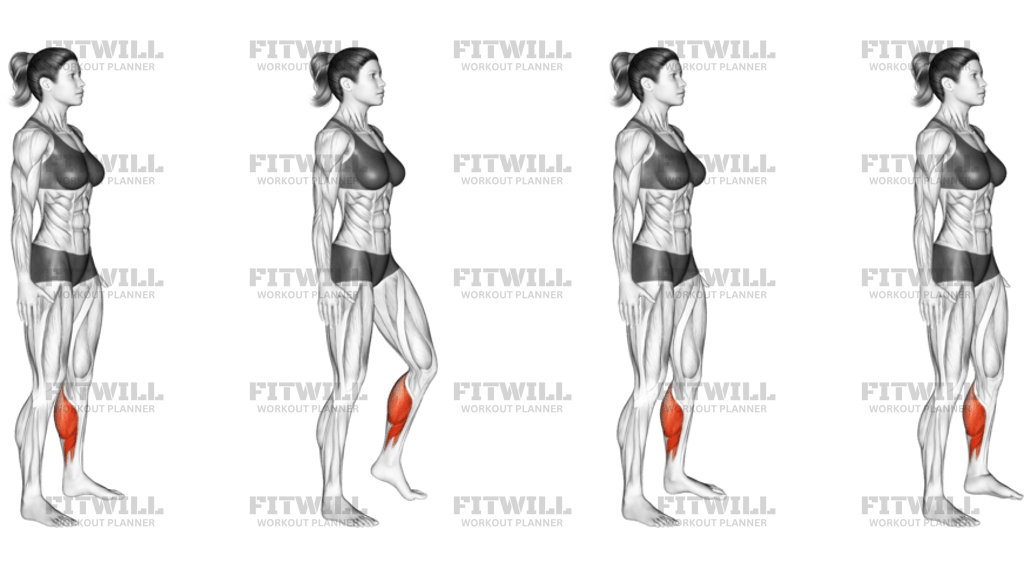
Standing Tibialis Anterior Stretch is a standing lower-leg mobility exercise that targets the front of the ankle and shin. It is most useful when the tibialis anterior feels tight after running, jumping, long walks, hill work, or any session that loads the front of the lower leg. The standing position lets you control how much weight goes into the stretch, which matters because this area can go from a mild release to a sharp pinch very quickly if you rush the setup.
The stretch is created by taking one foot behind you, pointing it back, and letting the top of that foot settle into the floor while you stay tall over the front leg. That position puts the rear ankle into plantarflexion and lengthens the tissues along the front of the shin. The front leg is mostly there for balance and support, so a stable stance and square hips matter more than chasing a bigger range.
Perform the movement slowly enough to notice where the stretch lands. Keep the ribs stacked over the pelvis, keep the standing knee soft but stable, and shift your body forward only until you feel a controlled pull along the front of the back ankle or shin. If the sensation moves into the top of the foot, the ankle joint, or the knee, back off and shorten the stance. A clean rep should feel like steady tension, not like you are folding into the floor.
This stretch is a practical choice during warm-ups, recovery blocks, ankle mobility work, or as a cooldown after lower-leg training. It can help restore comfort in the front of the ankle when the area feels stiff, but it should never be forced. If the top of the foot is sensitive, use a thicker mat or switch to a wall-supported version so you can control pressure more precisely. Keep the motion easy to repeat and stop before any sharp pain, numbness, or pinching appears.
[ Workout Log & Planner ]
Put your next workout in Fitwill
Keep your plan and training log ready when you are.


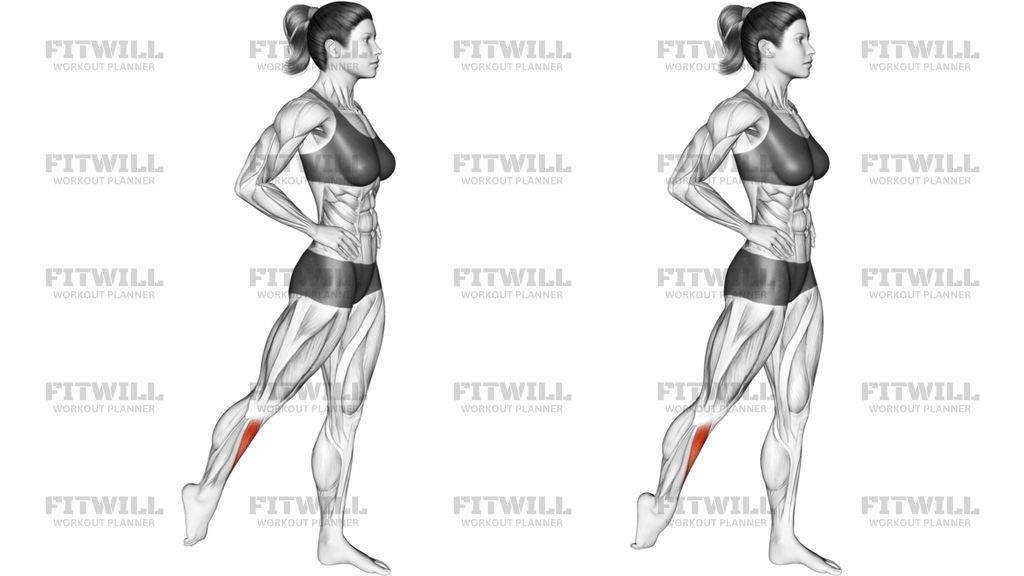
Instructions
- Stand tall on the mat with your full foot planted and your weight centered over the front leg.
- Step one leg behind you and place the top of that back foot on the floor so the toes point straight back.
- Keep the back knee long, square your hips forward, and place your hands on your hips or lightly on a wall for balance.
- Brace your torso so your ribs stay stacked over your pelvis instead of arching your lower back.
- Shift your hips forward just enough to feel a stretch along the front of the back ankle and shin.
- Hold the first clear point of tension without letting the standing leg collapse inward or the back foot twist out.
- Breathe slowly and soften the ankle and foot on the stretched side while keeping the posture steady.
- Step back out of the stretch with control, then switch sides and repeat with the same setup.
Tips & Tricks
- Keep the back foot pointed straight behind you; turning it outward changes the line of the stretch.
- Move from the hips, not by flaring your chest or leaning your shoulders far forward.
- A slight bend in the front knee is fine, but let the rear ankle do the stretching instead of the standing leg.
- If the top of the foot feels crushed, shorten the stance and reduce how much body weight you send forward.
- The stretch should feel like a pull along the front of the shin, not a pinch at the ankle joint.
- Use a folded mat, towel, or pad under the back foot if the floor is too hard.
- Hold each side long enough to settle the tissue, but do not bounce in and out of the end range.
- Stop immediately if you feel sharp pain, tingling, or numbness in the foot.
Frequently Asked Questions
What does the Standing Tibialis Anterior Stretch target?
It mainly targets the tibialis anterior and the tissues along the front of the ankle and shin.
Do I need any equipment for this stretch?
No loading is required, but a mat or folded towel can make the back foot more comfortable.
Where should I feel the stretch?
You should feel it across the front of the back shin or ankle, not as a sharp pinch on the top of the foot.
Why does the front leg stay in the exercise if the back leg is the one being stretched?
The front leg mainly supports balance and controls how much body weight you send into the stretch.
Can beginners do this stretch safely?
Yes, beginners can use a short stance and light pressure as long as the stretch stays comfortable.
What if I feel this more on the top of my foot than in my shin?
Reduce the forward shift, shorten the stance, and use a softer surface so the pressure stays on the intended tissue.
Should the back knee bend during the stretch?
Keep it mostly long so the front of the ankle and shin stay under tension.
When is this stretch most useful?
It is useful after running, jumping, or long periods of walking when the front of the lower leg feels tight.