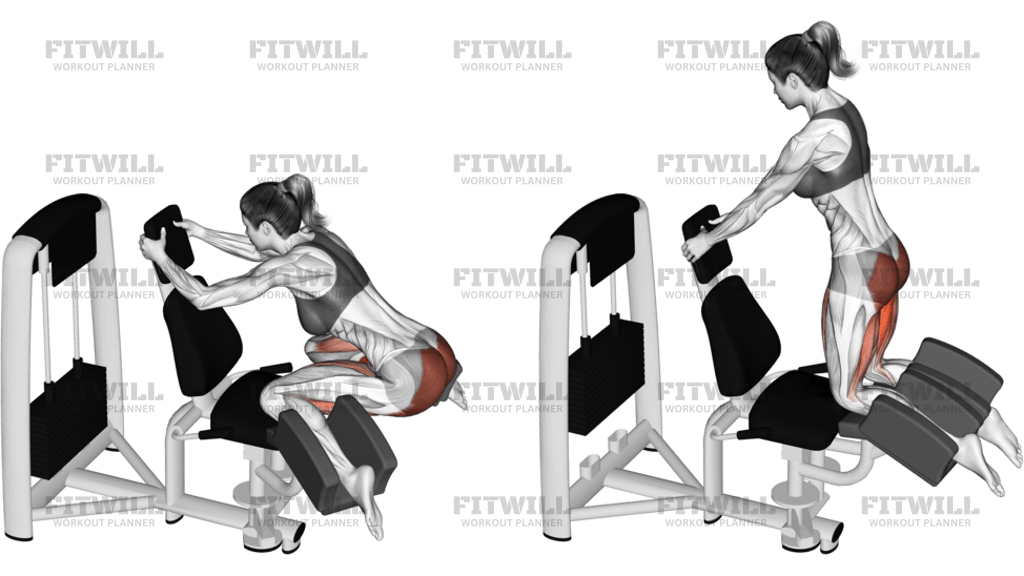
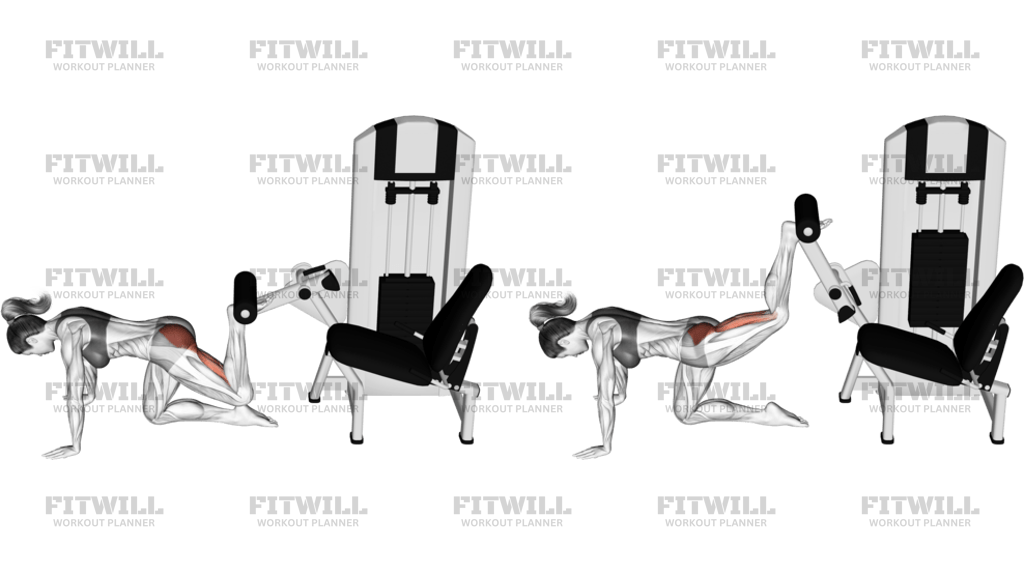
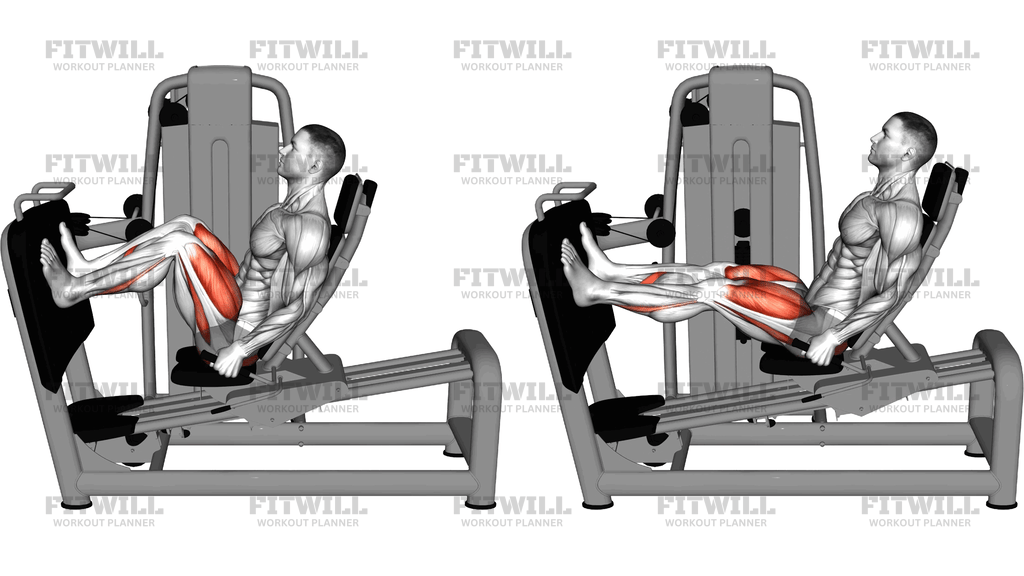
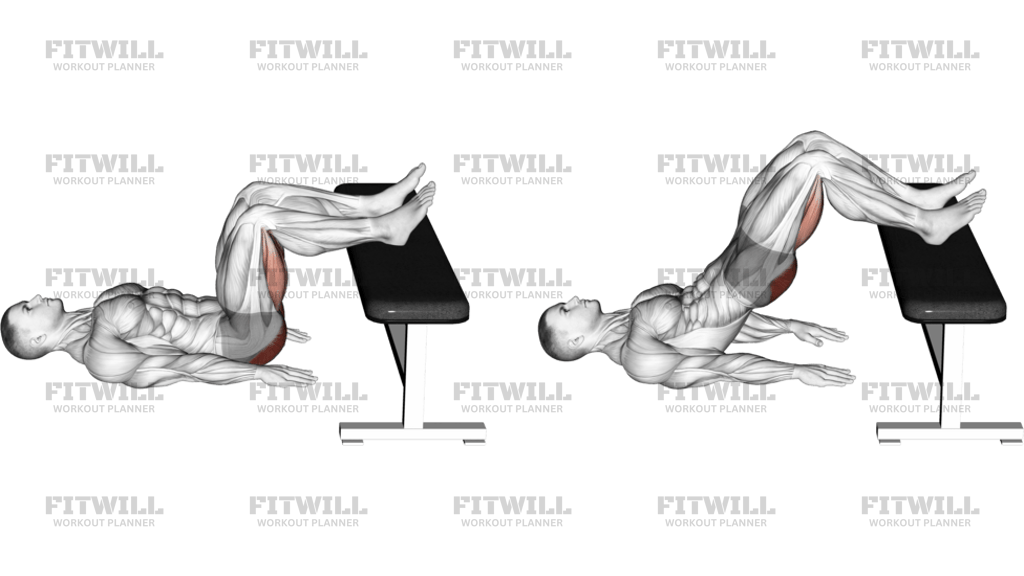
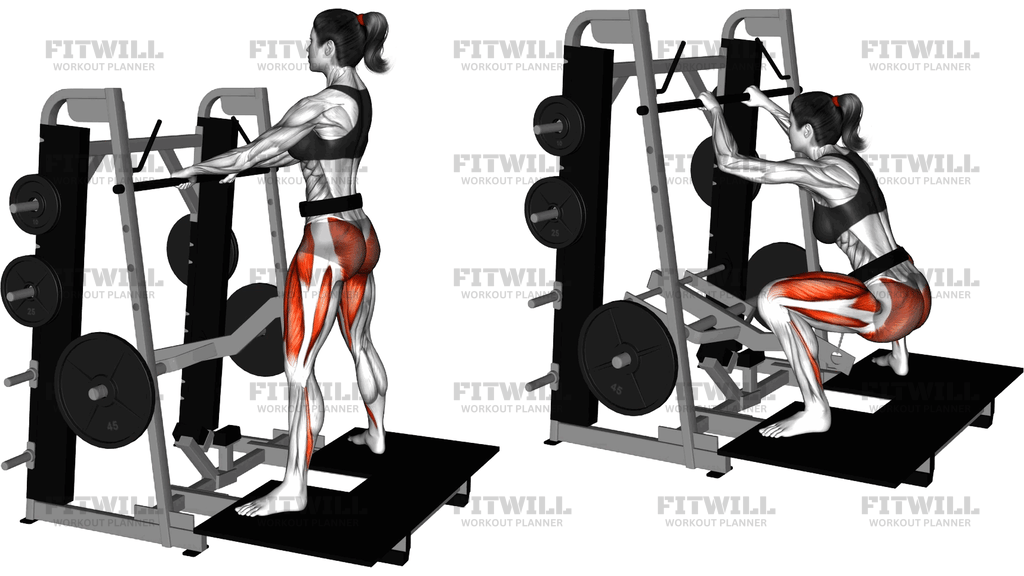
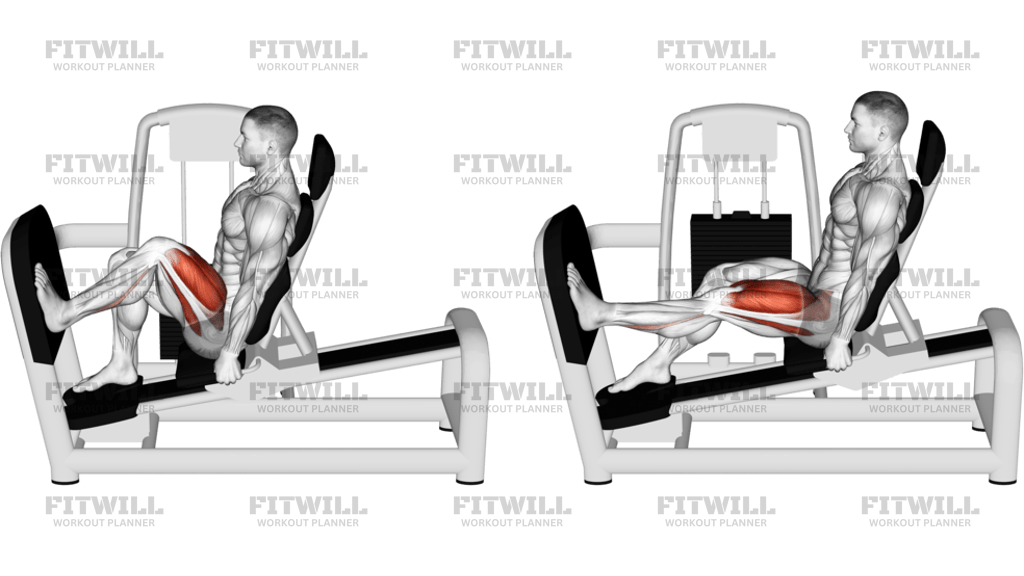
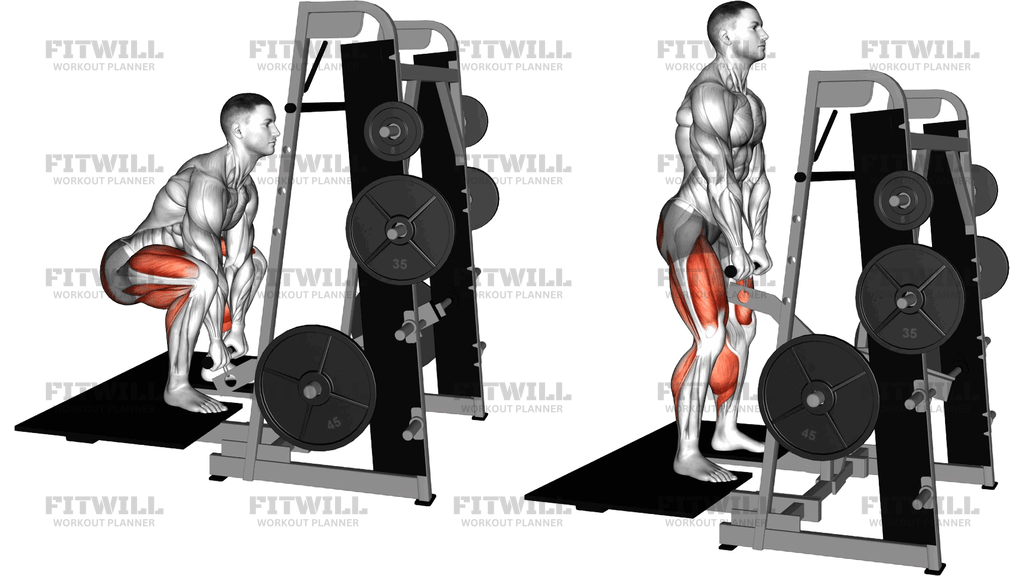
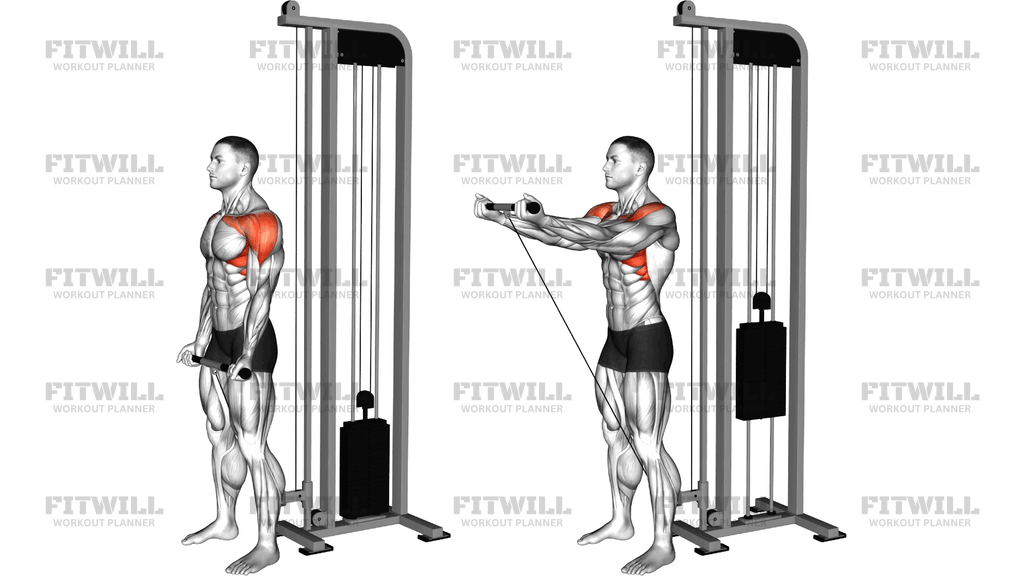
Lever Hip Thrust (Plate Loaded)
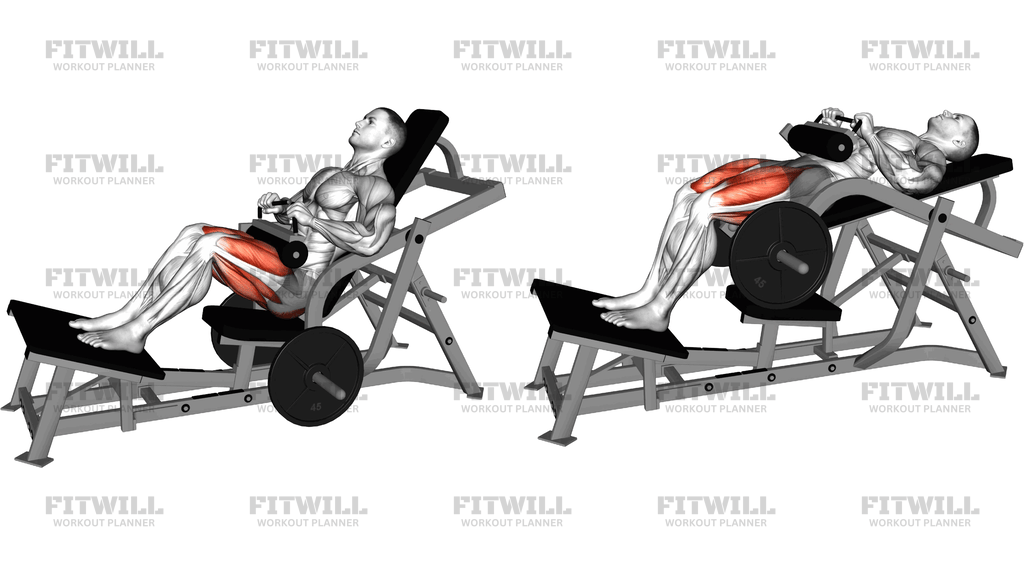
The Lever Hip Thrust (Plate Loaded) is a machine version of the hip thrust, built on a lever arm that holds weight plates on either side of your hips. You recline on the angled back pad, place your feet on the front foot platform, and drive through your heels to push the padded hip belt upward until your hips reach full extension. Because the resistance travels on a fixed lever path, you get the hip-dominant loading of a barbell hip thrust without balancing a bar across your lap or needing a bench and setup time.
This movement primarily trains the glutes, with strong involvement from the hamstrings near the top of the rep and support from the quads as the knees extend. Compared with a barbell hip thrust, the machine version tends to feel smoother at the lockout and easier on the lower back, since the pad contacts the hips directly and the arc of the lever matches the natural range of hip extension.
It is especially useful for lifters who want heavy hip extension work without the setup hassle of loading a barbell, for beginners learning what a full hip lockout should feel like, and for anyone whose lower back gets irritated by free-weight hip hinges. Athletes who sprint, jump, or change direction also benefit, because hip extension strength carries directly into those actions.
Setup matters more than most people expect. Your upper back should rest fully on the angled pad, the hip pad should sit across the crease of your hips rather than on your abdomen or thighs, and your feet should be placed so that at the bottom of the rep your shins are roughly vertical or slightly angled back. Poor foot placement shifts work toward the quads or strains the knees; a pad sitting too high on the torso turns the rep into an awkward abdominal push.
To execute it well, grip the handles, brace your trunk, and push the floor away through your heels until your hips are fully extended and your torso and thighs form a straight line. Squeeze the glutes at the top without overextending your lower back, then lower under control until the plates nearly settle before starting the next rep. Breathe in on the way down, exhale as you drive up.
Common use cases include glute-focused lower body days, accessory work after squats or deadlifts, and higher-rep hypertrophy blocks where the fixed path lets you concentrate on the target muscles. Keep the reps controlled, avoid bouncing the weight stack of plates at the bottom, and progress the load gradually as your lockout strength improves.
[ Workout Log & Planner ]
Put your next workout in Fitwill
Keep your plan and training log ready when you are.


Instructions
- Sit onto the machine and lean back so your upper back and shoulders rest fully against the angled back pad.
- Position the padded hip belt across the crease of your hips, then grip the side handles with both hands.
- Place both feet flat on the front foot platform about hip-width apart, with your knees bent and shins roughly vertical at the starting position.
- Brace your core and keep your ribcage down so your lower back does not arch before the rep begins.
- Drive through your heels and push your hips upward along the lever path until your hips are fully extended and your torso and thighs form a straight line.
- Squeeze your glutes hard at the top for a brief moment without pushing your lower back into extra arch.
- Lower the lever under control by bending your hips and knees until the plates nearly settle at the bottom.
- Exhale as you drive up and inhale as you lower into each repetition.
- Complete your set, let the lever settle fully, release the handles, and step off the machine carefully.
- Adjust the foot platform and hip pad position between sets if your shins or pad placement feel off during the first reps.
Tips & Tricks
- If you feel the work in your quads more than your glutes, move your feet slightly further forward on the platform so your knees stay more open at the top.
- Do not let the plates crash down between reps; touching lightly and pausing keeps tension on the glutes and protects your hips.
- Push evenly through both heels. One leg dominating usually means your stance is uneven or the hip pad is rotated to one side.
- Keep your chin tucked and your eyes forward rather than craning your neck back against the pad.
- If the hip pad rides up onto your abdomen, slide it down to the hip crease; a pad on the belly turns every rep into an uncomfortable core push.
- A slight posterior pelvic tilt at the top, where you tuck your tailbone under a touch, often produces a stronger glute contraction than forcing an exaggerated arch.
- Start lighter than you think you need. The lever arm adds its own resistance, and the top of the range is where heavier loads get shaky.
- Pause for one full second at lockout on your lighter warm-up sets to learn what full hip extension feels like before adding plates.
- If your heels lift off the platform at the top, the load is too heavy or your stance is too far back; fix the stance before adding more weight.
Frequently Asked Questions
What muscles does the Lever Hip Thrust (Plate Loaded) work?
The glutes are the primary movers, with the hamstrings assisting strongly near lockout and the quads helping as the knees extend. The lower back and core work to keep your torso stable against the pad.
Is the Lever Hip Thrust (Plate Loaded) good for beginners?
Yes. The fixed lever path, supportive back pad, and easy plate loading make it one of the simplest ways to learn hip extension with load before progressing to barbell hip thrusts.
How does the Lever Hip Thrust (Plate Loaded) differ from a barbell hip thrust?
The machine holds the weight on a lever arm with a padded belt across your hips, so you skip the bar setup, bench positioning, and balance demands. The resistance arc is fixed, which many lifters find smoother on the lower back.
Where should the hip pad sit during the Lever Hip Thrust (Plate Loaded)?
It should sit across the crease of your hips, right at the top of your thighs. If it sits on your abdomen or too low on your thighs, the lever pulls awkwardly and the glutes lose their leverage.
How far should my feet be from my body on the foot platform?
At the bottom of the rep your shins should be roughly vertical or angled slightly back. Too close overloads the knees and quads; too far turns the movement into more of a hamstring-dominant press.
Should I arch my back at the top of the Lever Hip Thrust (Plate Loaded)?
No. Reach full hip extension by squeezing the glutes and keep your ribs down. Extra lumbar arch adds nothing for the glutes and places unnecessary stress on the lower back.
What is a good substitute if my gym has no plate-loaded hip thrust machine?
A barbell hip thrust with a barbell pad on a bench, or a banded glute bridge, trains the same hip extension pattern. Both need more setup but hit the glutes in a comparable way.
How many sets and reps should I use for the Lever Hip Thrust (Plate Loaded)?
For strength, work in the range of 4-8 reps with heavier plate loads; for muscle growth, 8-15 controlled reps with a brief pause at the top works well. Two to four sets after your main lower body lifts is a typical dose.
Is it safe to go heavy on the Lever Hip Thrust (Plate Loaded)?
It is generally easier on the lower back than free-weight hip thrusts because the pad and lever path stabilize the load, but still add plates gradually. If your hips or lower back complain, reduce the range and check your foot placement before pushing the load back up.