Ring Swing
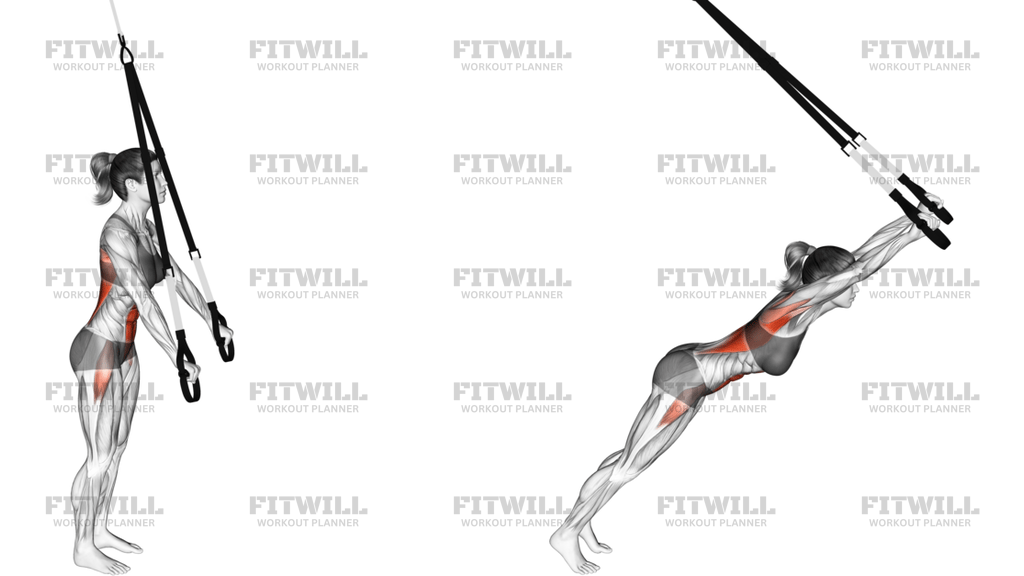
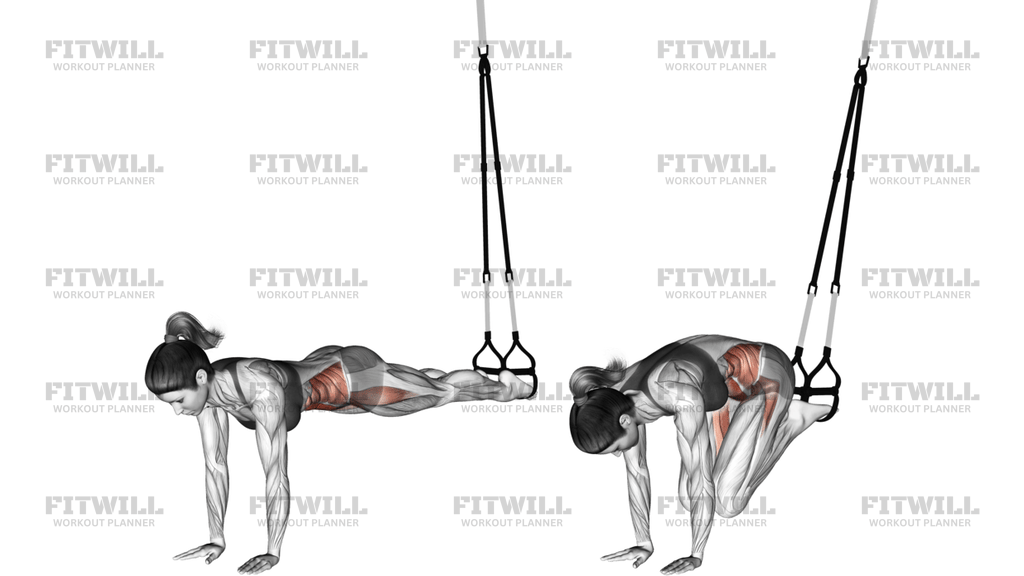
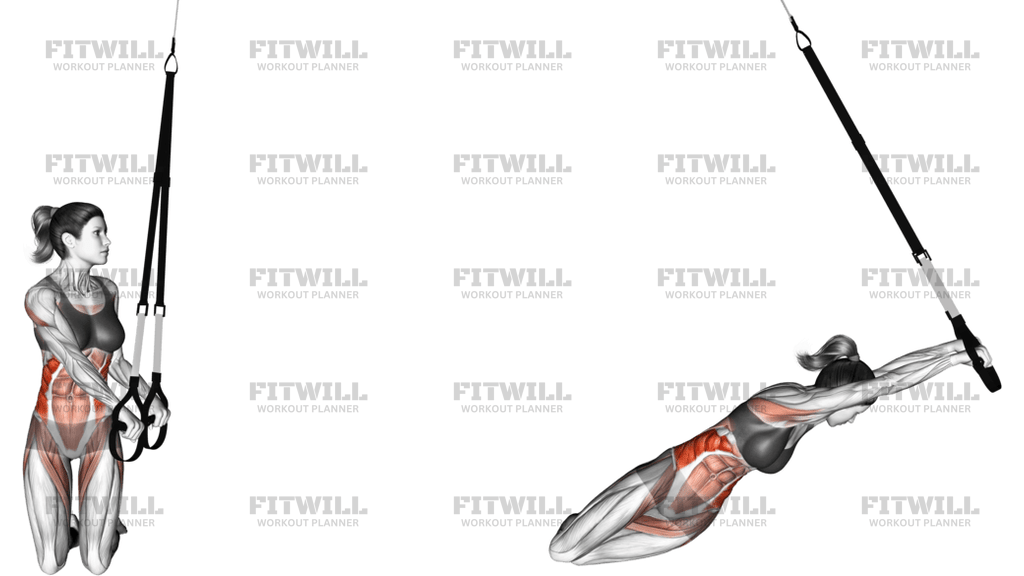
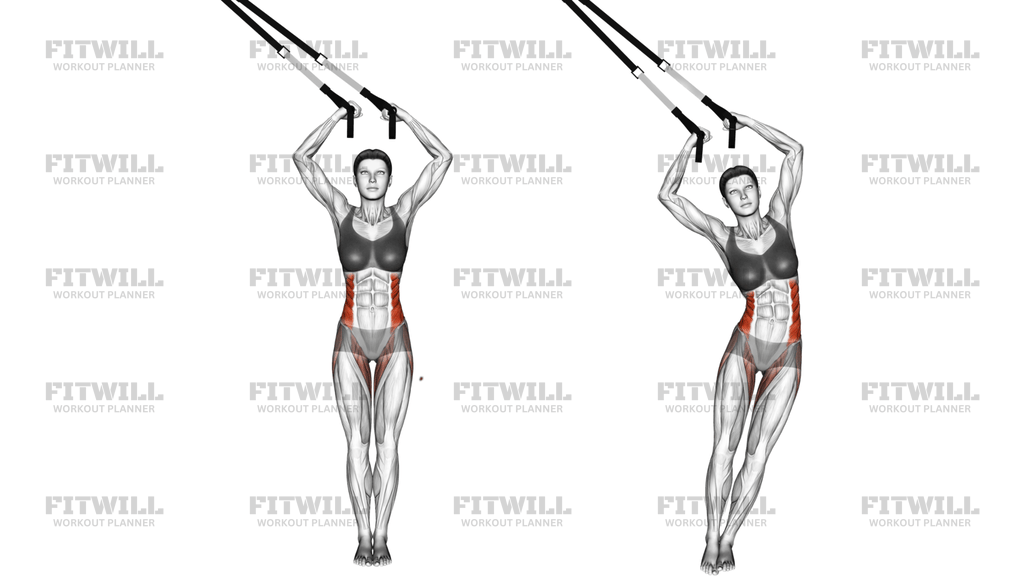
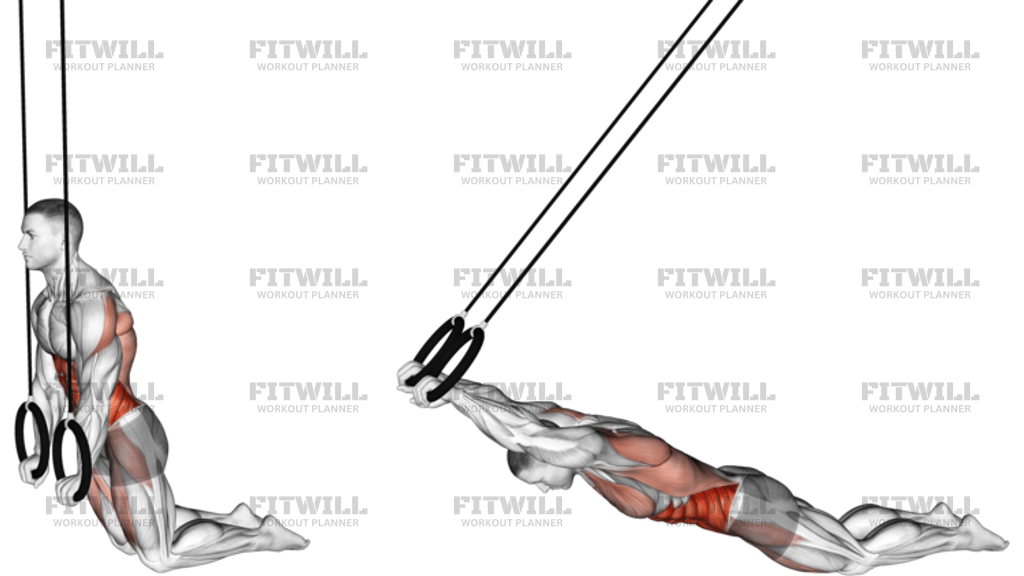
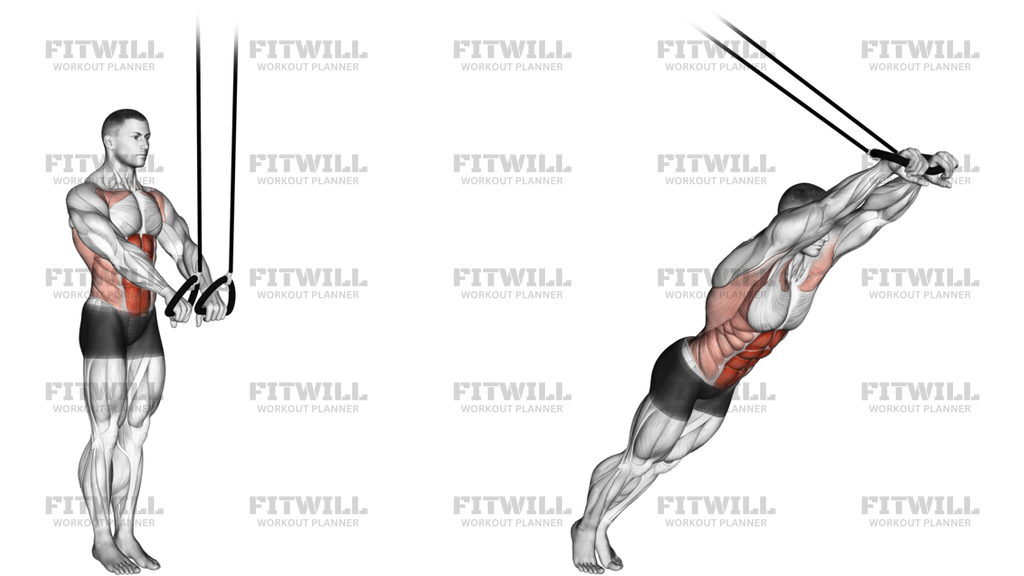
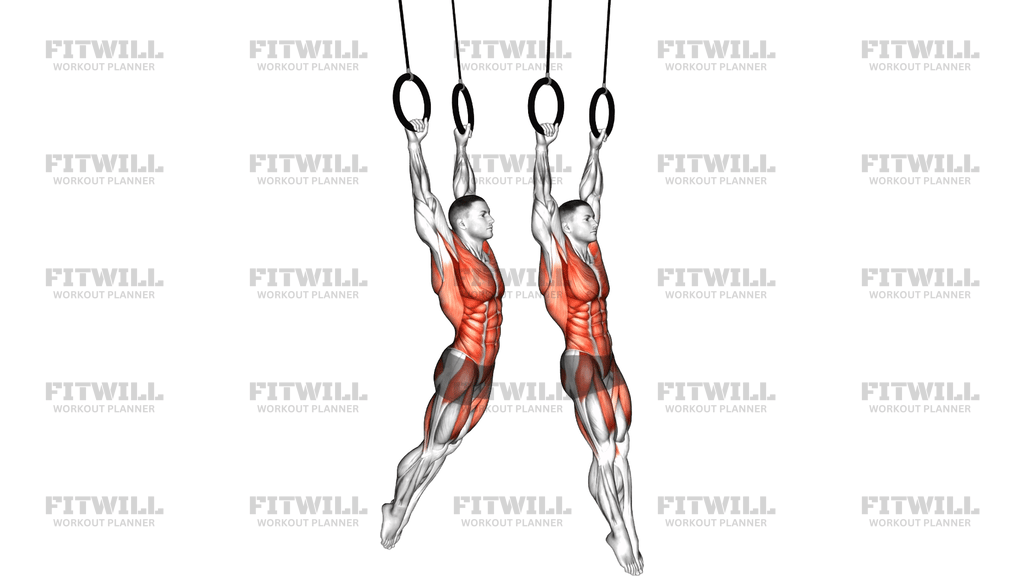
The Ring Swing is a dynamic hanging movement performed on a pair of gymnastic rings suspended from an overhead anchor. You hang from the rings with a firm overhand grip, arms fully extended overhead, and drive your body through a controlled pendulum arc — swinging the legs forward and up while the shoulders stay stacked over the hands, then letting the body travel back behind you before reversing the arc. Unlike swinging on a fixed pull-up bar, the rings are unstable, so every swing demands extra work from the grip, shoulders, and trunk to keep the rings from twisting or drifting apart.
This movement builds the kind of midline control that carries over directly into gymnastics strength work. Swinging on rings teaches you to keep tension through the shoulders and trunk while the whole body moves as one lever, which is the foundation for more advanced skills like kips, muscle-ups, and lever progressions. The lats and chest work to steer and control the arc, the hip flexors and abs snap the legs through the front of the swing, and the grip and shoulder stabilizers fight the instability of the rings the entire time.
Setup matters more on rings than on a bar because the straps can swing and rotate independently. Set the rings high enough that your feet clear the floor at the bottom of the arc, grip them firmly with the rings turned slightly inward so the straps hang vertically, and start from a quiet dead hang before initiating the first swing. If the straps are crossed or twisted, the rings will spin mid-swing and pull you off line, so take a few seconds to straighten everything out before you begin.
Execution is about rhythm, not force. Push the rings slightly forward as your legs swing back behind you, then let the legs drop and drive forward, hollowing the trunk as the body rises toward the front of the arc. Keep the arms straight and relaxed — bending the elbows early turns the swing into a half pull-up and kills the arc. Exhale on the drive forward, inhale as the body travels back, and let the momentum do the work rather than muscling the movement.
The Ring Swing suits gymnasts, calisthenics athletes, and anyone with solid hanging strength who wants to develop dynamic body control under the shoulders. Beginners should build a comfortable 30- to 60-second ring hang first, and anyone with shoulder or lower back irritation should keep the swing shallow and stop if they feel joint stress rather than muscular effort.
Fitwill
Log Workouts, Track Progress & Build Strength.
Achieve more with Fitwill: explore over 9600 exercises with images and videos, access built-in and custom workouts, perfect for both gym and home sessions, and see real results.
Start your journey. Download today!




Instructions
- Set a pair of gymnastic rings at a height where your feet will clear the floor at the bottom of the swing, and check that the straps hang straight and untwisted.
- Grip each ring with an overhand grip, thumbs wrapped around the ring, and walk your feet off the ground until you hang with arms fully extended and shoulders pressed down away from your ears.
- Brace your trunk lightly and squeeze your legs together so your body hangs as one connected line rather than a loose chain.
- Push the rings slightly forward as you swing your straight legs behind you to load the arc, letting the shoulders stay stacked over your hands.
- Reverse the swing by driving your legs forward and up, tightening the front of your trunk as your body rises into the front of the arc.
- Allow the body to travel back down and behind you under control, keeping the arms straight and the rings from twisting in your grip.
- Continue the pendulum arc at an even rhythm, exhaling as the legs drive forward and inhaling as the body swings back.
- To finish, slow the arc on a back swing, let the body settle into a still dead hang, then step or lower one foot to the floor and release the rings one hand at a time.
Tips & Tricks
- If the rings spin or rotate during the swing, your grip is too loose or the straps were twisted before you started — reset the straps and re-grip with the rings turned slightly inward.
- Bending the elbows mid-swing is the most common fault; it shortens the lever and turns the drill into a partial pull-up, so focus on pushing the rings away from you at the back of the arc to keep the arms long.
- Kicking the legs separately instead of swinging them together breaks the arc and twists the hips — pinch the legs together and move them as one piece.
- Keep the neck neutral and look at the floor a short distance ahead of you; craning the head back at the front of the swing arches the lower back and makes the landing position sloppy.
- Start with a small arc and grow it gradually over several swings — trying to hit full amplitude on the first swing usually pulls the shoulders forward out of position.
- If your grip gives out before your trunk does, that is normal for rings; shorten the sets rather than hanging on with a half-open hand, which risks slipping off the ring.
- Suppress the urge to swing with the lower back only — the drive should come from the hips and legs, with the trunk transferring that force up to the shoulders.
- On a back swing, avoid letting the shoulders collapse toward the rings; actively press down through the rings to keep space in the shoulder area throughout the arc.
Frequently Asked Questions
Which muscles does the Ring Swing work the most?
The trunk does the bulk of the steering work, with the abs and hip flexors driving the legs through the front of the arc. The lats and chest control the arc at the shoulder, while the grip and shoulder stabilizers work continuously to manage the unstable rings.
Can beginners do the Ring Swing safely?
Beginners should first be able to hang from rings comfortably for 30 to 60 seconds with straight arms. From there, start with a small, gentle arc and keep the feet close to the floor so the swing stays easy to control.
How is the Ring Swing different from swinging on a pull-up bar?
Rings can move, rotate, and drift apart, so you have to stabilize the apparatus itself while swinging. This demands noticeably more grip, shoulder, and trunk control than a fixed bar, where the path is locked in for you.
Why do my shoulders feel strained at the bottom of the swing?
That usually means the shoulders are collapsing and the body is hanging loose instead of as one connected line. Press down actively through the rings, keep light tension in the trunk and legs, and reduce the size of the arc until the position feels secure.
Should my arms stay straight during the Ring Swing?
Yes — the arms act as long levers connecting the body to the rings. Bending the elbows turns the movement into a half pull-up, disrupts the pendulum path, and reduces the trunk work that makes this drill valuable.
What can I use if I don't have access to gymnastic rings?
A single pull-up bar allows a similar pendulum swing, though it removes the stability challenge that rings provide. Suspension straps or TRX-style handles anchored overhead are the closest substitute.
How do I keep the rings from twisting in my hands?
Check that the straps hang vertically and untwisted before you start, and grip each ring fully with the thumb wrapped around it. Keeping the legs together and swinging symmetrically also prevents rotation.
How many swings should I do per set?
Because grip fatigue arrives quickly on rings, start with short sets of 8 to 12 controlled swings and stop while your grip is still solid. Quality of the arc matters far more than the total number of swings.