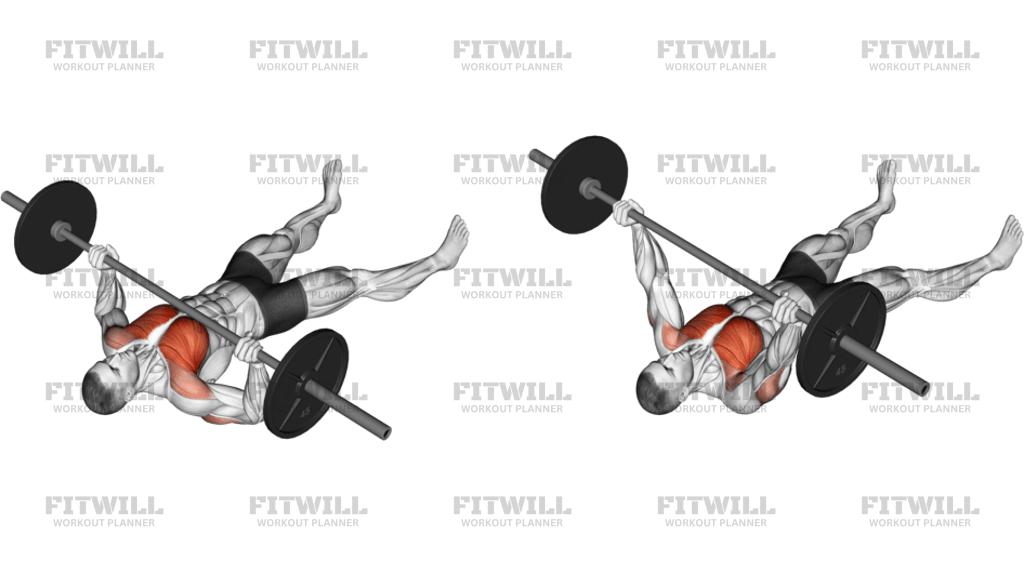
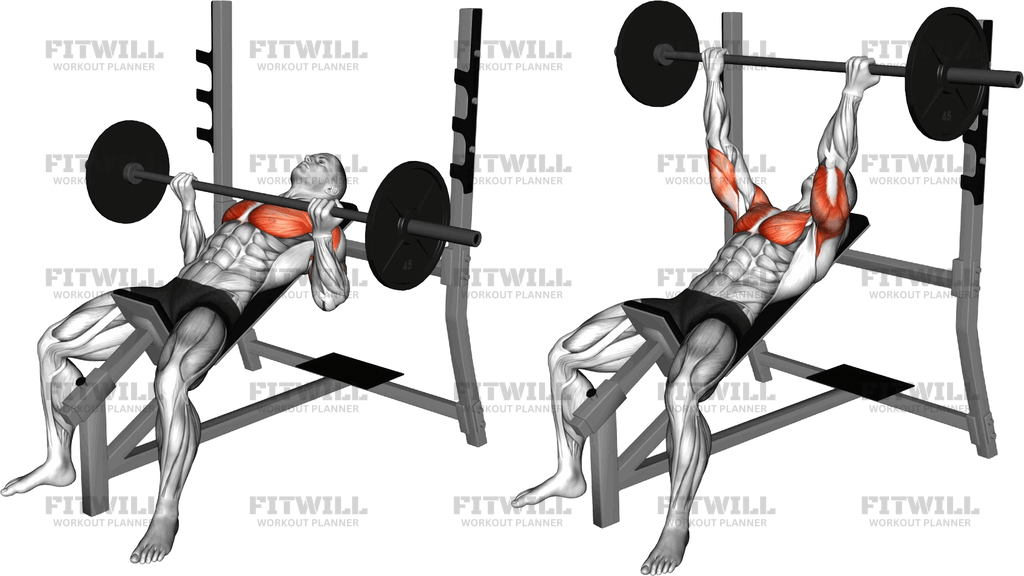
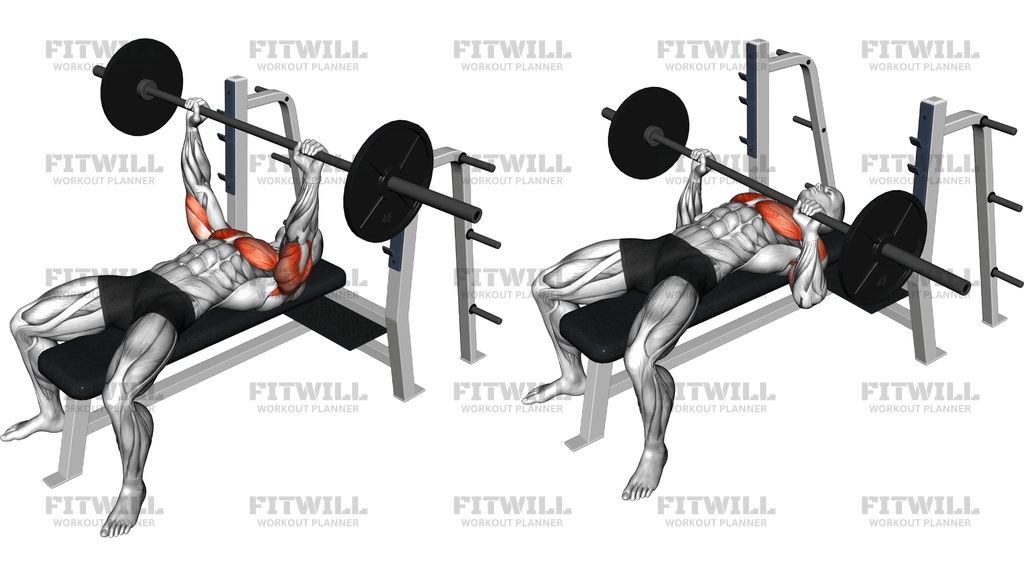
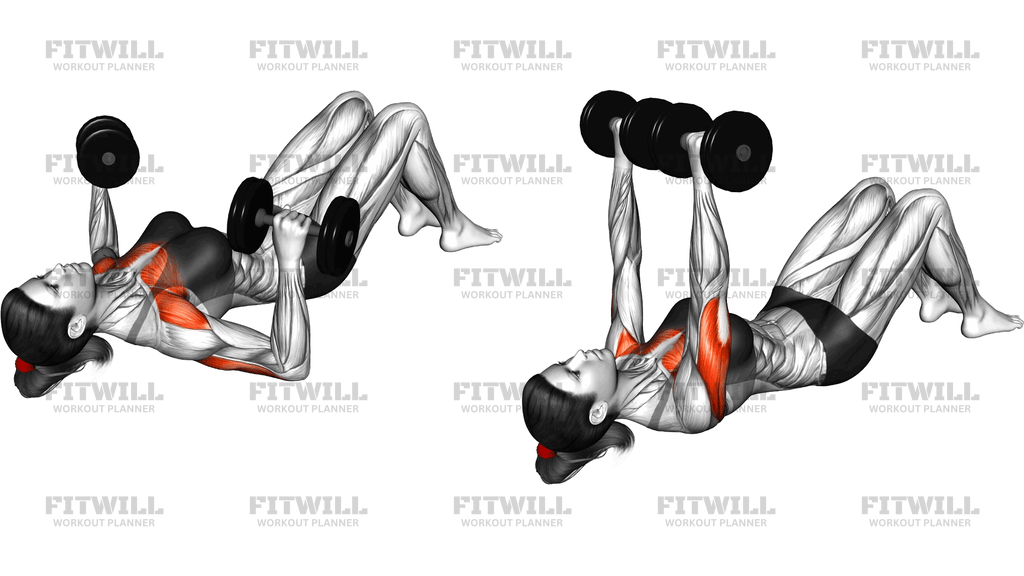
Barbell Pin Bench Press Conventional Grip
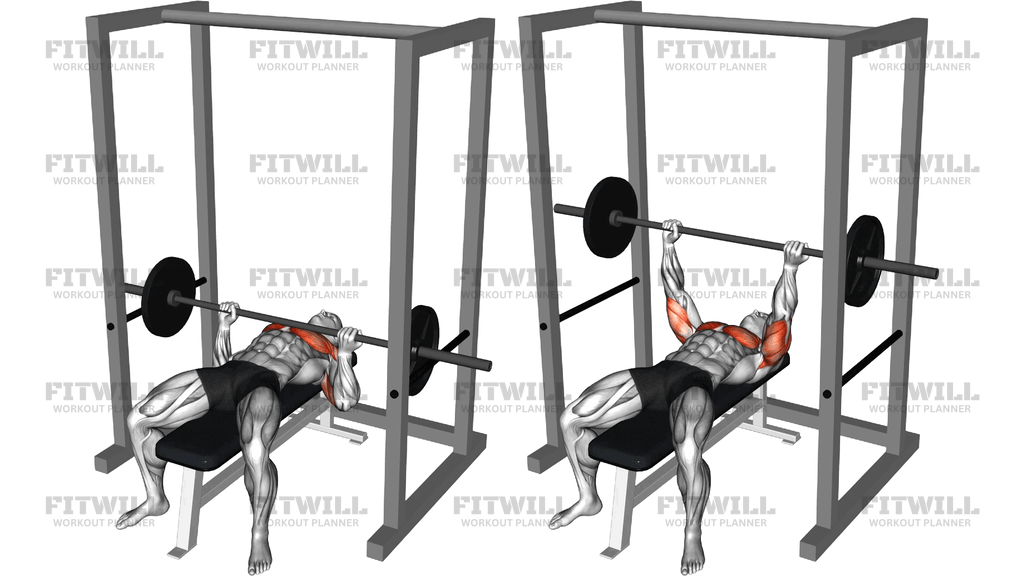
The Barbell Pin Bench Press Conventional Grip is a bench press variation performed inside a power rack, where safety pins are set at a chosen depth and the bar starts each rep from a dead stop resting on the pins. Instead of touching your chest and pressing back up in one continuous motion, you lower the bar onto the pins, let it settle completely, and then drive it back to lockout. The conventional grip means your hands are set at a standard shoulder-width position with palms facing forward, the same grip you would use on a regular bench press.
This setup removes the stretch reflex you normally get at the bottom of a bench press. Because the bar is motionless on the pins before every press, your chest, front shoulders, and triceps have to generate force from a complete standstill. That makes it one of the best pressing movements for building raw starting strength and for pushing through a sticking point partway off the chest.
The pin height is what makes this exercise so adjustable. Setting the pins an inch or two above your chest lets you overload the bottom portion of the press, while placing them higher turns it into a board-press style movement that hammers the triceps and lockout. Powerlifters use it to strengthen specific ranges of the competition bench press, and general lifters use it because the pins also act as a built-in safety net, allowing you to press heavy without a spotter.
Setup matters more here than in a regular bench press. The bench must be positioned so the bar sits directly over your pressing line, and the pins must be level and locked in the rack so the bar cannot tip or roll. An inconsistent pin height from set to set changes the entire character of the lift, so check the placement before you load the bar.
To execute it well, lie back with your eyes roughly under the bar path, plant your feet, pull your shoulder blades down and together, and keep a slight arch in your upper back. Lower the bar under control onto the pins, pause briefly without letting your elbows collapse, and press straight up until your elbows are locked. Exhale as you press and reset your brace on the pins between repetitions.
Because the bar starts from rest every rep, expect to use less weight than your normal bench press, especially with the pins set low. Start conservative, confirm the pin height with an empty bar first, and never bounce the bar off the pins, since that defeats the purpose of the exercise and can throw the bar off line.
[ Workout Log & Planner ]
Put your next workout in Fitwill
Keep your plan and training log ready when you are.


Instructions
- Set a flat bench inside a power rack and adjust the safety pins so the bar rests a few inches above your chest at the bottom position, with both pins at exactly the same height.
- Position the bench so that when you lie back, the bar on the pins lines up directly over your lower chest and your eyes sit just behind the bar path.
- Grip the bar slightly wider than shoulder width with an overhand conventional grip, wrapping your thumbs around the bar.
- Lie back, plant your feet flat on the floor, squeeze your shoulder blades down and back, and keep a small arch in your upper back.
- Take a deep breath into your belly and brace your core before lifting the bar off the pins into the starting position over your chest.
- Lower the bar in a controlled line until it comes to rest fully on the pins, keeping tension in your upper body rather than letting the bar drop.
- Pause for a beat with the bar settled on the pins, keeping your elbows at roughly a 45-degree angle to your torso.
- Press the bar forcefully straight up from the dead stop until your elbows are fully locked out over your chest, exhaling as you drive up.
- Lower the bar back onto the pins, re-brace while it rests there, and repeat for the desired number of repetitions.
- After your final rep, set the bar down on the pins completely before sitting up from the bench.
Tips & Tricks
- Measure your pin height with an empty bar before adding plates. If the pins are too low the bar will hit your chest; too high and you shorten the range so much that the set stops resembling a bench press.
- Do not bounce the bar off the pins. The entire value of this movement comes from pressing from a dead stop, so let the bar settle and then push.
- Keep your shoulder blades retracted even when the bar is on the pins. Lifters often let their upper back go slack at the bottom, which changes the pressing angle and strains the front of the shoulder.
- If the bar drifts toward your face or your feet as you press from the pins, the pin height is probably too low for your current strength. Raise the pins an inch and build up.
- Expect roughly 10 to 20 percent less weight than your regular bench press at the same pin height. The missing stretch reflex is real, and ego lifting here usually ends with a stalled bar.
- Re-brace on every rep while the bar sits on the pins. Since there is no continuous tension, each press is essentially a single rep and deserves a fresh breath.
- Check that both pins are locked and level before every set. An uneven pin lets the bar roll to one side and twists your shoulders under load.
- If your elbows flare wide and your shoulders pinch at the bottom, tuck them slightly closer to your torso and consider moving your grip in a little.
Frequently Asked Questions
What muscles does the Barbell Pin Bench Press Conventional Grip work?
The chest is the primary mover, supported by the triceps and front shoulders. Because each press starts from a dead stop on the pins, the triceps often work harder than in a regular bench press.
How high should I set the pins for the Barbell Pin Bench Press?
Set the pins one to three inches above your chest to target the bottom of the press, or near nipple-to-lower-chest line for a general starting point. Higher pin positions shift the emphasis toward the triceps and lockout strength.
Is the Barbell Pin Bench Press good for beginners?
Yes, because the pins act as a safety net and allow you to bail by simply lowering the bar onto them. Beginners should still start with light weight and confirm the pin height with an empty bar first.
Why can I lift less weight on the Barbell Pin Bench Press than a regular bench press?
The pins eliminate the stretch reflex that helps you out of the bottom in a normal bench press, so your muscles must generate force from a standstill. This is exactly why the exercise builds pressing strength so effectively.
Can I use the Barbell Pin Bench Press to break through a sticking point?
Yes. Setting the pins just below or at your sticking point forces you to grind the bar through that exact range from a dead stop, which is one of the most direct ways to attack a mid-press stall.
Do I need a spotter for this exercise?
No. If you fail a rep, you simply lower the bar back onto the pins, which is a major advantage over a standard bench press outside a rack. Still make sure the pins are locked in place before loading the bar.
What is the most common mistake with the Barbell Pin Bench Press?
Bouncing the bar off the pins to launch the next rep. This removes the dead-stop benefit, adds uncontrolled momentum, and can knock the bar off your pressing line.
How is the conventional grip different from other grips on this exercise?
The conventional grip is a standard overhand, thumbs-wrapped hold slightly wider than shoulder width, matching your normal bench press. Wider or narrower grips shift stress toward the chest or triceps respectively.
What can I substitute if my rack has no adjustable pins?
A floor press with a barbell trains a similar dead-stop press from the bottom, and a paused bench press, where you hold the bar just above your chest, is another close alternative.
How should I breathe during the Barbell Pin Bench Press?
Inhale and brace while the bar rests on the pins, then exhale as you press to lockout. Because each rep starts from rest, take a fresh breath before every single press.