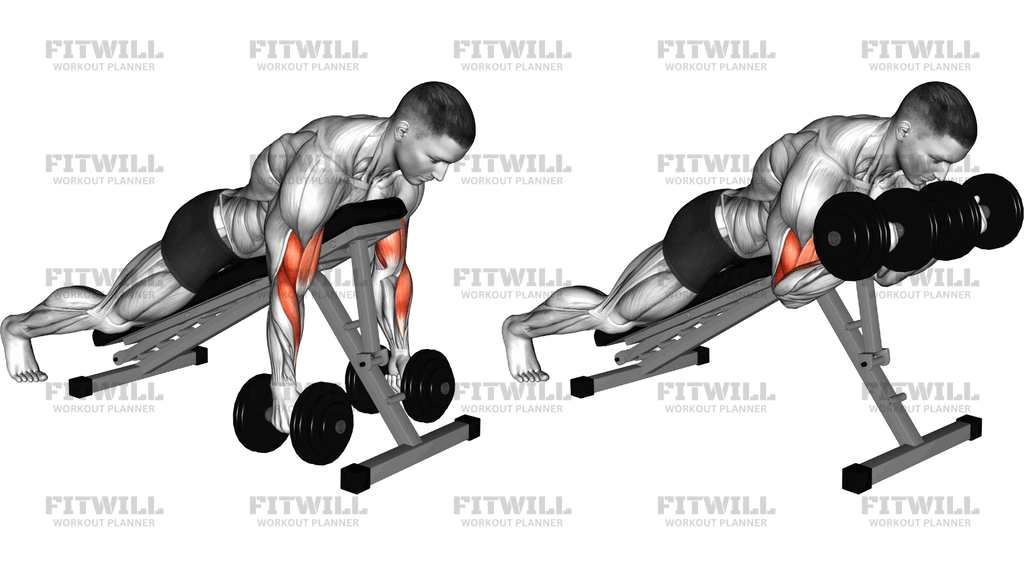
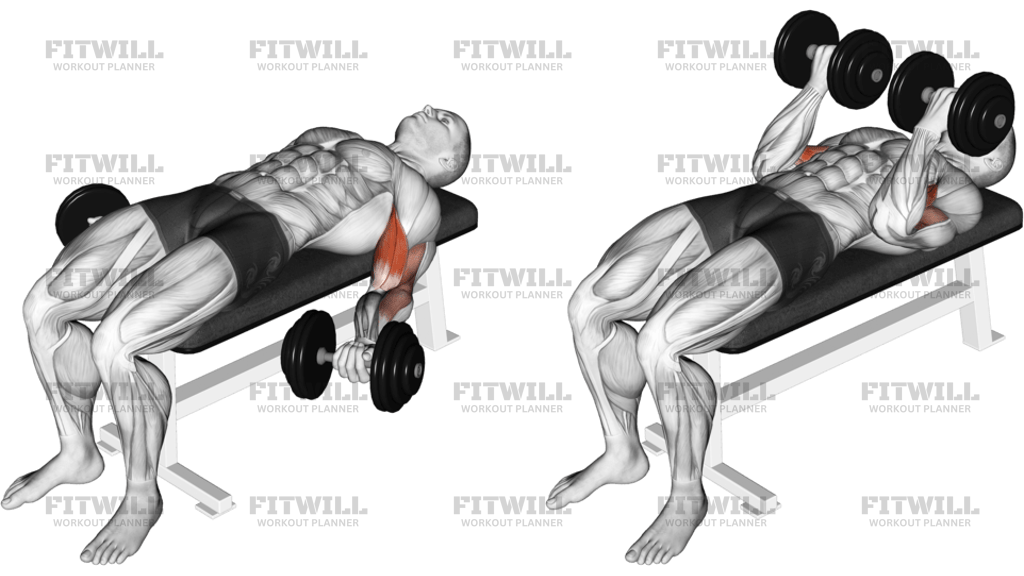
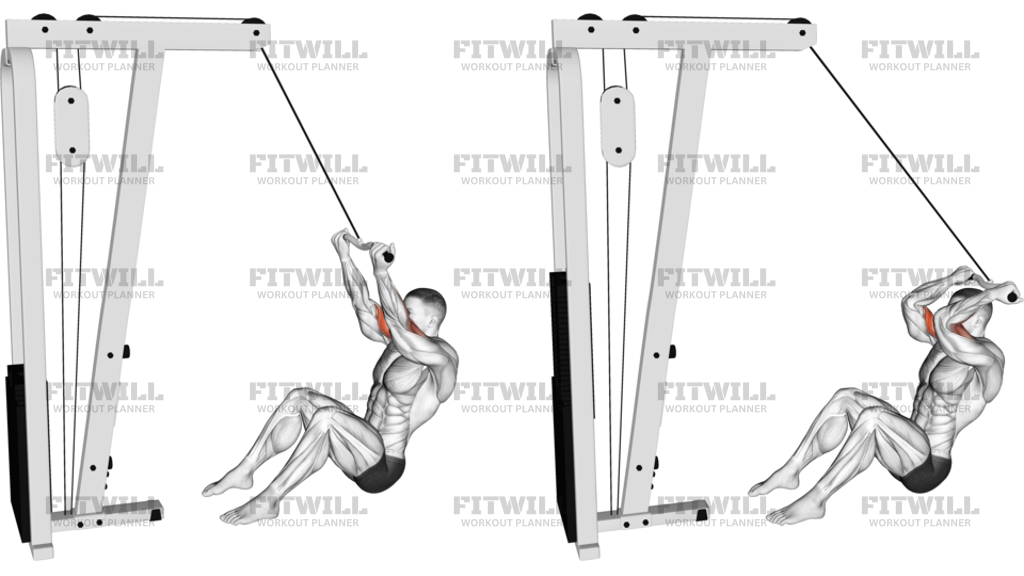
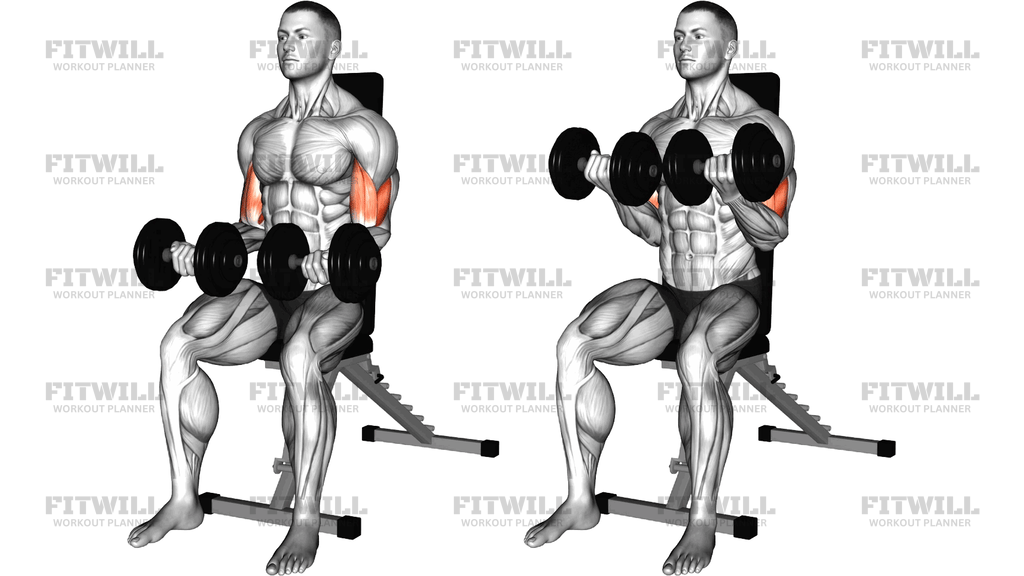
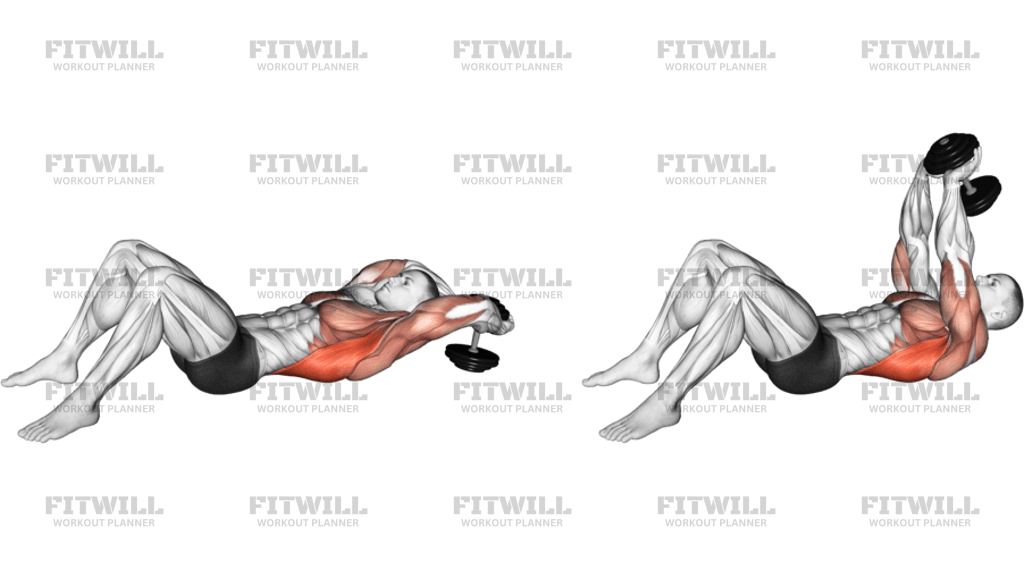
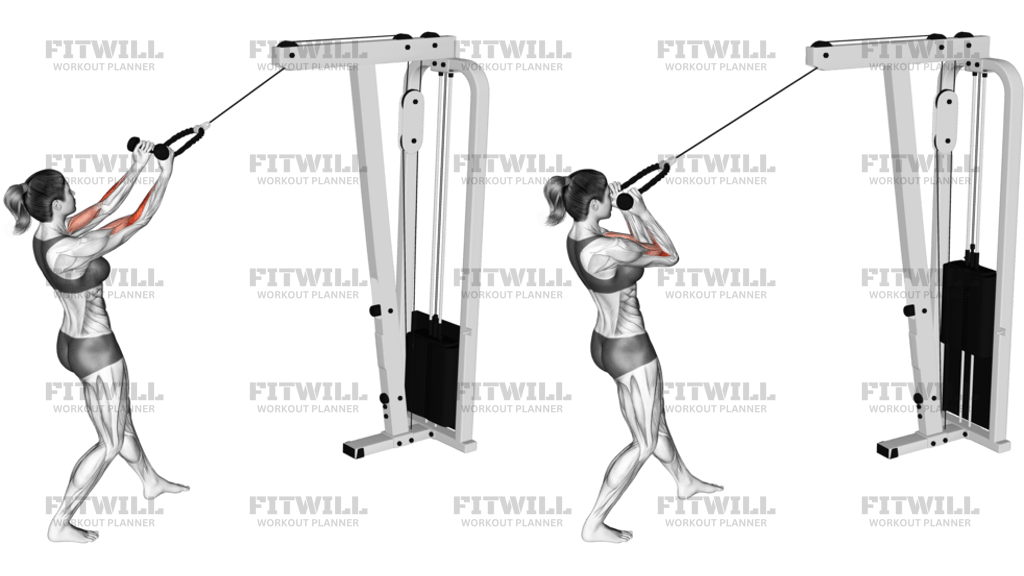
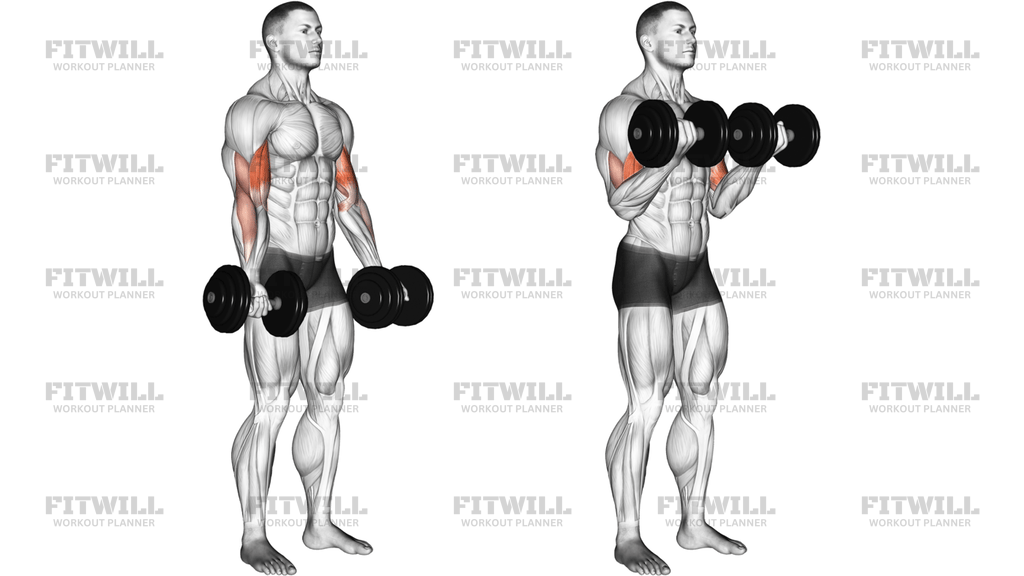
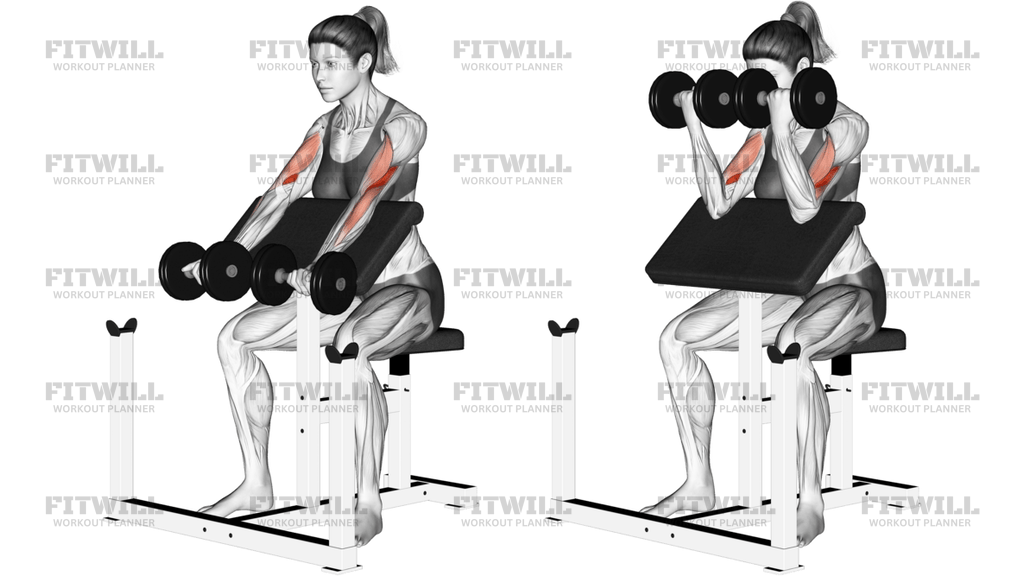
Dumbbell Bent Over Curl
The Dumbbell Bent Over Curl is a biceps exercise performed from a hip-hinged stance rather than standing upright. You hold a dumbbell with both hands, hinge forward at the hips until your torso sits at roughly 45 degrees or lower, let the weight hang straight down from your shoulders, then curl it up toward your chest without standing up or swinging. Because your arms hang perpendicular to the floor in this position, the resistance pulls the biceps into a slightly different line than a standard standing curl, and the forearms and grip work hard to control the weight through the whole arc.
This setup is genuinely demanding on posture. Your hamstrings, glutes, and lower back hold the hinge while your arms do the curling, so the exercise trains your ability to keep a stable torso under load, not just elbow flexion. That makes it useful for lifters who want more out of their arm work than a seated or standing curl provides, particularly during back-focused sessions where a hip hinge is already part of the movement pattern.
The main muscles at work are the biceps on the front of the upper arm, supported by the brachialis underneath and the brachioradialis and forearm flexors in the forearms. The erector spinae along the lower back, along with the glutes and hamstrings, work isometrically to hold your torso in the hinge. Grip strength gets a substantial challenge because the dumbbell hangs freely and wants to roll or pull your shoulders forward as fatigue builds.
Good execution starts with the hinge itself. Push your hips back, soften the knees, and set a flat, braced back before you even think about the curl. From there, keep your elbows pinned close to your sides and curl by bending only at the elbows, bringing the weight up toward your lower chest or upper abdomen. If your torso rises as you curl, the weight is too heavy or your biceps are handing the job off to your hips.
This movement fits well as a secondary arm exercise on upper-body days, or as a finisher after rows and pulldowns when the biceps are already warm. It is less ideal as a first exercise for beginners, since holding the hinge while fatiguing the arms takes some coordination. Start with a lighter dumbbell than you would use for a standing curl and prioritize a still torso over load.
A few practical safety points matter here. Never round your lower back to get into position, and stop the set if your hinge position starts to break down. Because the weight hangs away from your body, avoid jerking it up with a body swing, and lower it under control so your shoulders stay packed rather than drifting toward your ears.
[ Workout Log & Planner ]
Put your next workout in Fitwill
Keep your plan and training log ready when you are.


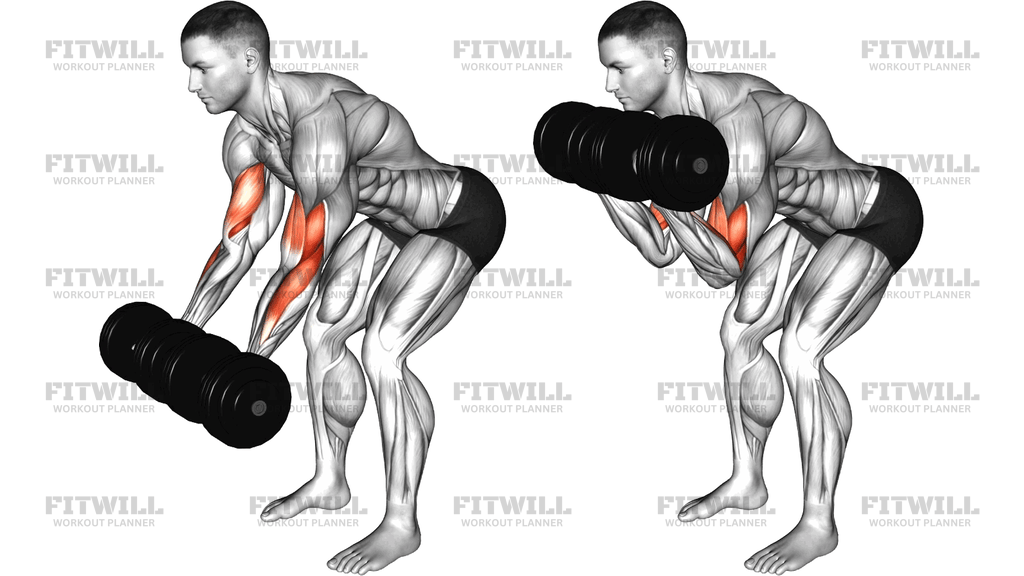
Instructions
- Stand with your feet about hip-width apart and hold one dumbbell with both hands, wrapping your fingers around the handle with one hand stacked over or beside the other.
- Hinge forward at the hips, pushing them back while keeping a flat back, until your torso sits at roughly 45 degrees and the dumbbell hangs straight down beneath your shoulders with your arms fully extended.
- Soften your knees slightly, brace your core, and pull your shoulder blades back so they are not rounded forward over the weight.
- Keeping your elbows fixed close to your ribs, curl the dumbbell up by bending at the elbows only.
- Continue curling until the weight reaches your lower chest or upper abdomen and your biceps are fully contracted; your torso angle should not change.
- Pause briefly at the top and squeeze your biceps rather than letting the weight bounce.
- Lower the dumbbell slowly back along the same path until your arms are straight and you feel a stretch in the biceps at the bottom.
- Exhale as you curl up and inhale as you lower the weight, keeping your breathing steady through the set.
- Complete your reps, then stand up by driving your hips forward with a flat back, and set the dumbbell down on the floor rather than dropping it.
Tips & Tricks
- The most common mistake is standing up as the weight rises. If your torso angle changes on every rep, your hips are stealing work from your biceps, so lighten the load and keep your chest pointing at the same spot on the floor throughout.
- Do not let your elbows drift forward or out to the sides as you curl. Elbows glued near your ribs keep the tension on the biceps instead of shifting it to the front shoulders.
- Lower the weight all the way down between reps. Half-repping from a hanging position leaves the bottom stretch out and shortchanges the brachialis and forearm work.
- Grip often fails before the biceps do with a heavy dumbbell. Using a dumbbell with a knurled or textured handle, or chalk, keeps the focus on your arms rather than on fighting the weight.
- If your lower back tires before your arms, shorten the hinge to a higher angle or split the exercise into shorter sets rather than rounding to rest.
- Keep your neck neutral by looking at the floor a foot or so in front of your feet; craning up to watch yourself puts strain on the upper back in the hinge.
- Curl toward your abdomen or lower chest, not your face. The bent-over arm angle does not require a high pull to fully shorten the biceps, and pulling high tends to drag the shoulders forward.
- Because both hands share one dumbbell, one side can quietly do more work. Keep the effort even, or substitute two lighter dumbbells if you notice one arm lagging.
Frequently Asked Questions
Which muscles does the Dumbbell Bent Over Curl work?
The biceps brachii are the primary movers, with the brachialis and brachioradialis assisting. Your forearms work hard on grip, and the lower back, glutes, and hamstrings hold the hinge position isometrically.
Why curl from a bent-over position instead of standing upright?
In the hinge, your arms hang straight down and the dumbbell pulls your biceps through a slightly different resistance angle than an upright curl. It also demands torso stability, so you train posture under load along with arm flexion.
Should I use one dumbbell or two for the Dumbbell Bent Over Curl?
The classic setup is a single dumbbell held with both hands, which lets you handle a heavier load and keeps the movement symmetrical. Two dumbbells also work if you want to train each arm separately.
Is the Dumbbell Bent Over Curl suitable for beginners?
It can be, but only with light weight and a comfortable hinge. If you cannot yet hold a flat-back hip hinge for 30 seconds, build that skill with hip hinges or supported curls first.
How far forward should my torso be bent?
Aim for roughly 45 degrees, which puts the dumbbell directly under your shoulders with your arms hanging vertical. Going lower increases the load on your lower back without adding much to the biceps stimulus.
My lower back gets tired before my arms. What should I change?
That usually means the hinge is too deep, the weight is too heavy, or your core is not braced. Raise your torso angle slightly, reduce the load, and reset your brace before every set.
Can I substitute another exercise if I do not have a dumbbell?
A bent-over curl with an EZ barbell or a low cable handle closely matches the movement. The key features to keep are the hip hinge, arms hanging straight down, and elbows fixed at your sides.
How heavy should I go on this exercise?
Start noticeably lighter than your standing curl, since the hinge position limits how much momentum you can use. Choose a weight you can curl for 8 to 12 reps without your torso rising or your lower back rounding.
Where should I look while performing the Dumbbell Bent Over Curl?
Look at the floor a short distance in front of your feet with a neutral neck. Tilting your head up rounds load onto the upper back and can pull your spine out of the hinge.
Is it safe for people with lower back issues?
Anyone with a history of lower back problems should check with a qualified professional before adding loaded hinges. Seated or preacher curls train the biceps with far less demand on the trunk if the bent-over position is not appropriate.