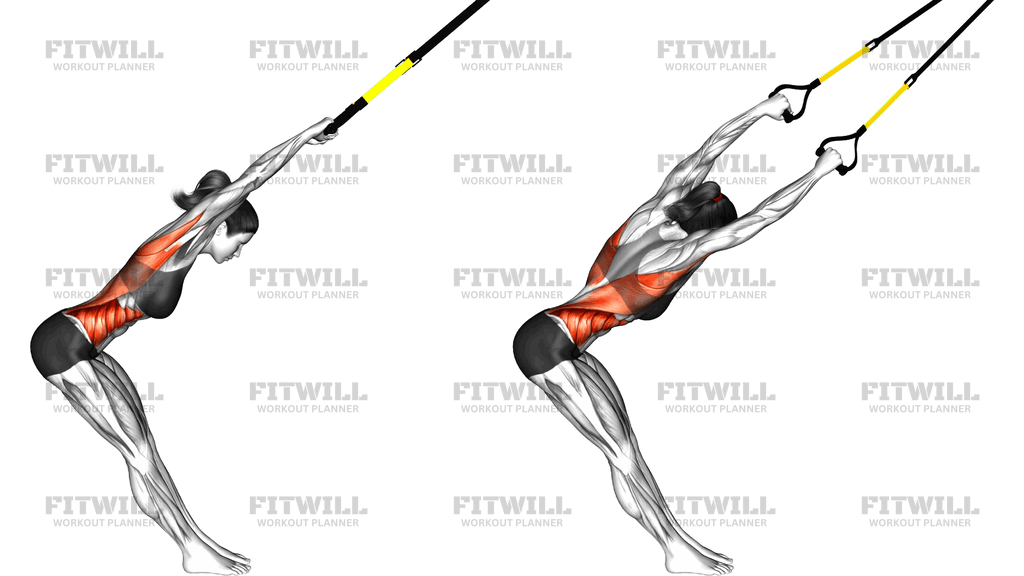
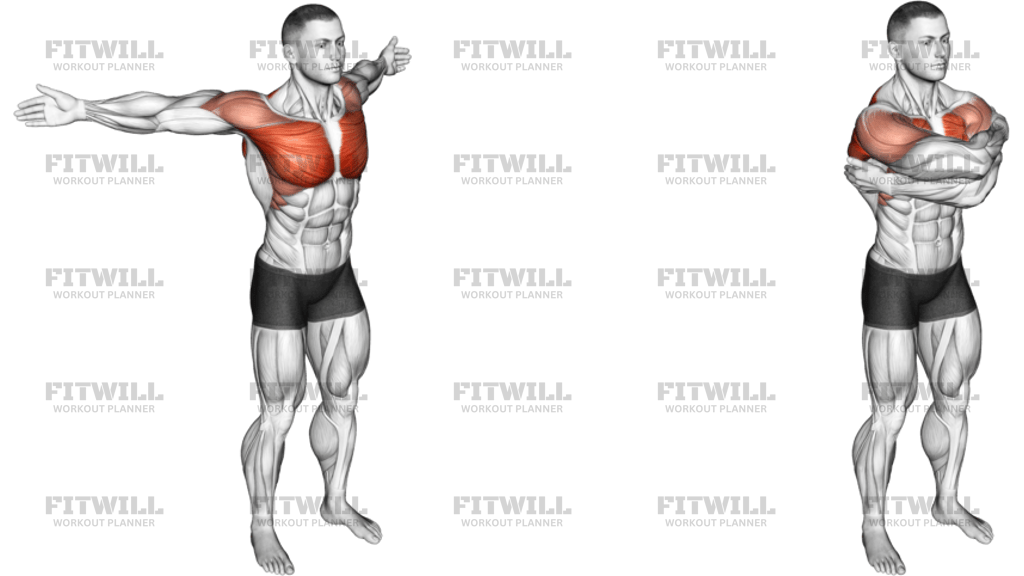
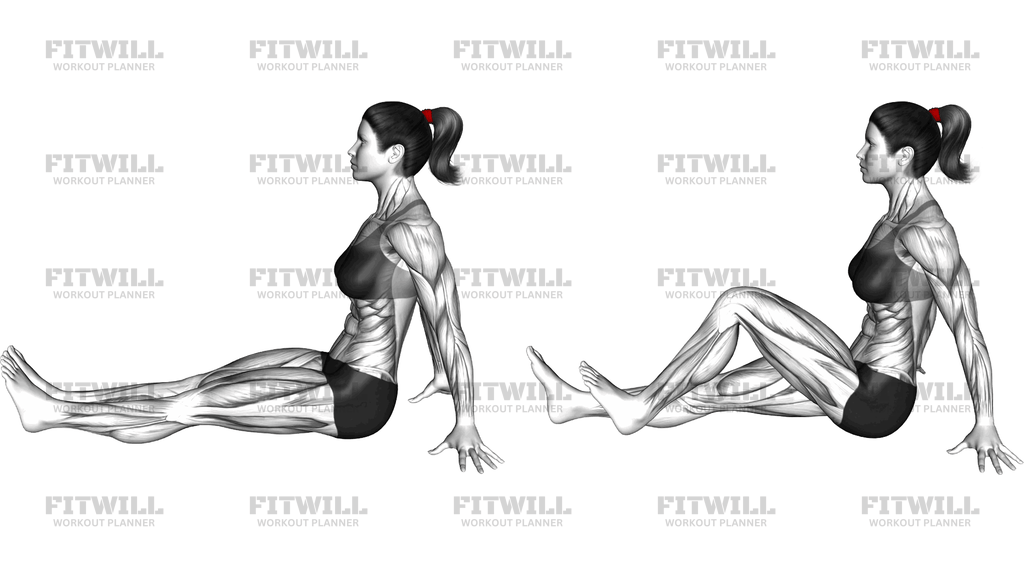
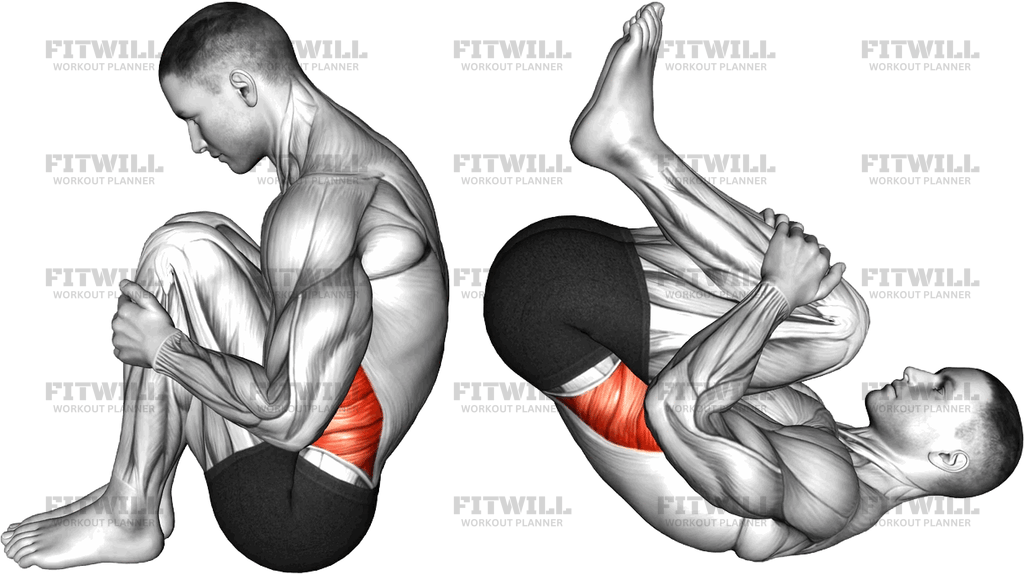
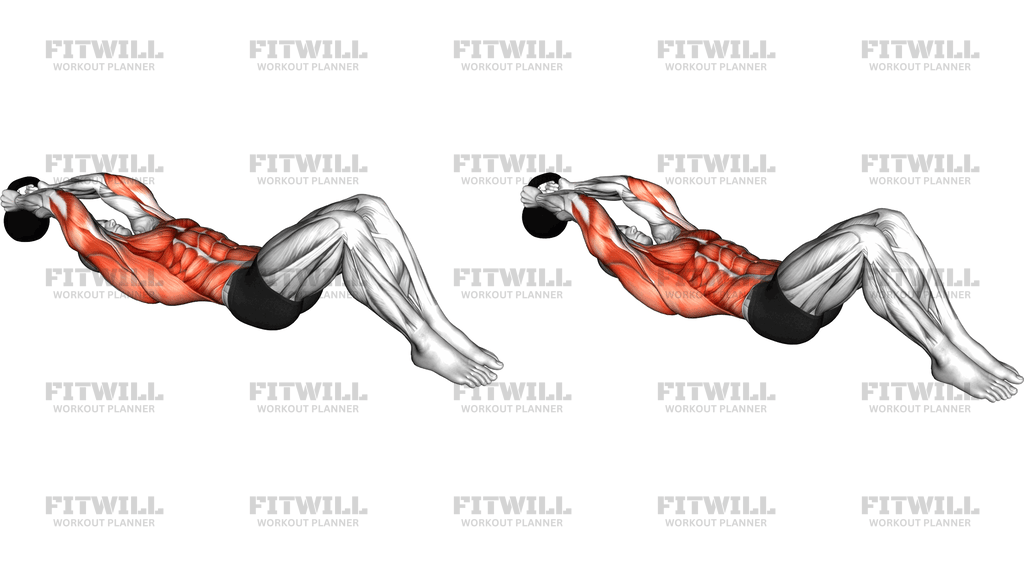
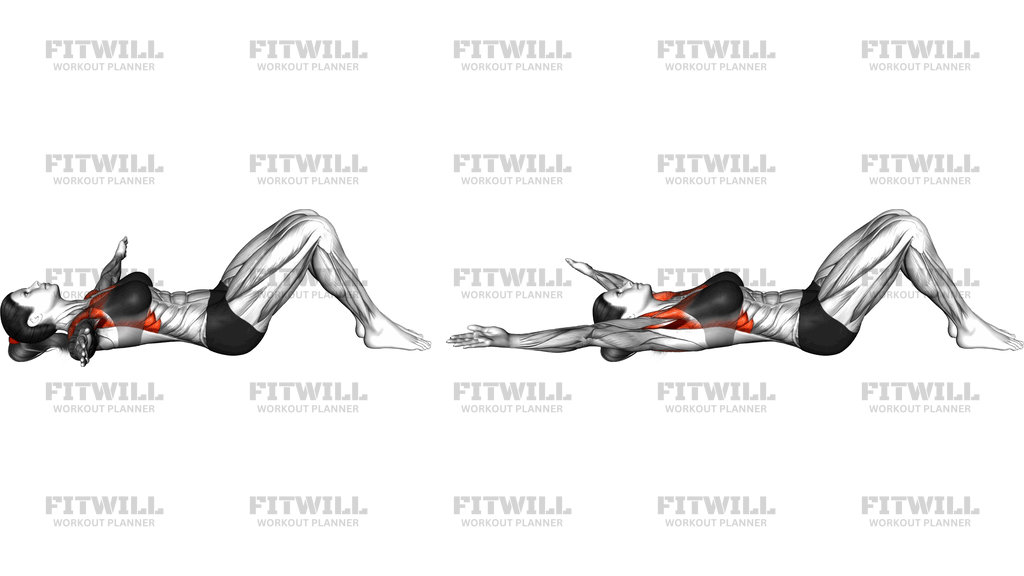
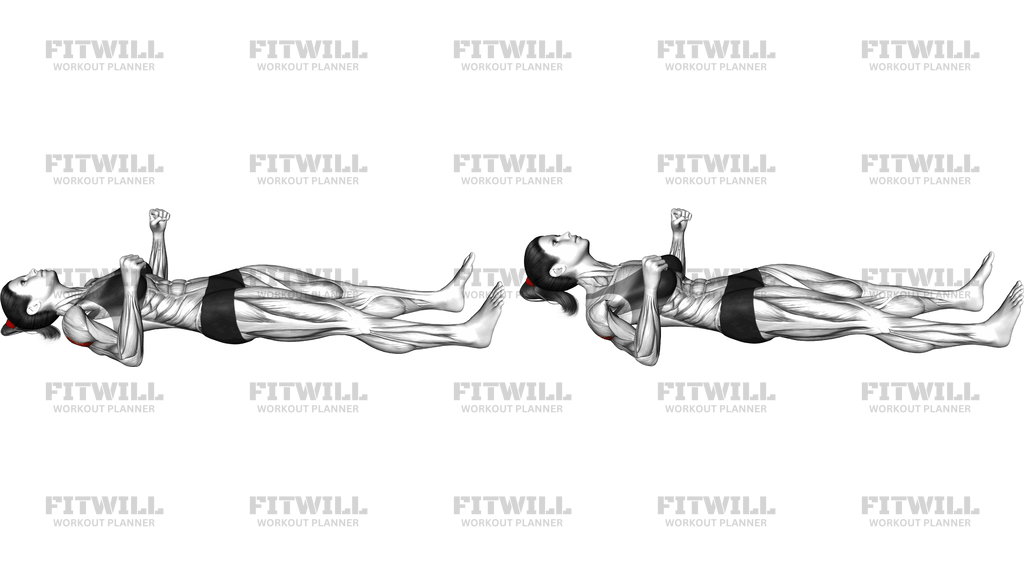
Child Pose Arms Rotation
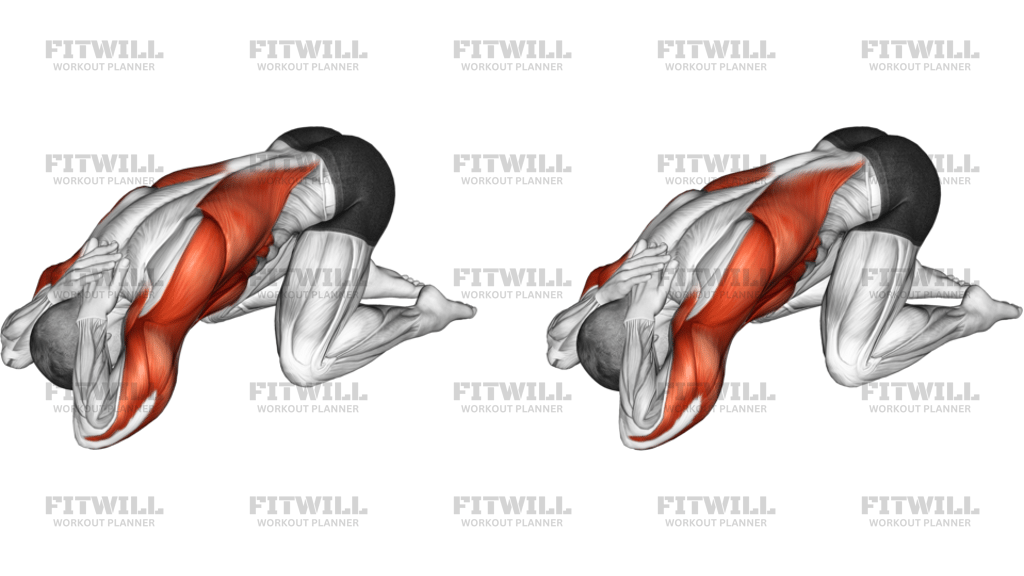
Child Pose Arms Rotation is a floor-based stretch that combines the classic child's pose with a deliberate rotation of the arms. You begin on all fours, then sit your hips back onto your heels and walk your hands forward into a long, low stretch along the mat. From there, the defining action is turning the palms from facing down to facing up, which repositions the shoulder into external rotation and changes the line of pull through the lats, rear shoulders, and forearms.
This movement is a favorite among desk workers, lifters, and anyone whose shoulders round forward during the day. Overhead pressers and pull-up athletes often carry tight lats and stiff upper backs, and this stretch reaches both without loading the joints. Because the knees and hips stay folded and supported, the spine is free to lengthen, making it a useful decompression position after heavy squats, deadlifts, or long hours of sitting.
The palm rotation is what separates this from a plain child's pose. With palms down, the stretch concentrates along the sides of the back and the armpits. As you turn the palms up, the shoulder rotates outward and the tension shifts toward the rear deltoids, the rotator cuff area, and even the forearm extensors along the outside of the elbow. Many people feel one side more than the other, which is a good sign to spend extra time on the tighter arm.
Setup matters more than it looks. Your knees should be about hip-width with the big toes touching or close together, and your hips need to settle toward the heels before the arms travel forward. If the hips drift up as you reach, the lower back takes over the stretch and the lats lose their length. Keep the forehead, or at least the crown of the head, resting toward the mat so the neck stays relaxed rather than holding itself up.
Execute the movement slowly. Sink the hips back, walk the hands out until you feel a broad stretch from fingertip to hip, then rotate one or both palms toward the ceiling while keeping the arm long. Breathe into the sides of your ribs, letting each exhale soften the shoulders a little closer to the floor. Hold each position for twenty to forty seconds, then bring the palms back down before crawling the hands in to exit. Use it as a warm-up opener, a cooldown finisher, or a standalone reset during the workday.
[ Workout Log & Planner ]
Put your next workout in Fitwill
Keep your plan and training log ready when you are.


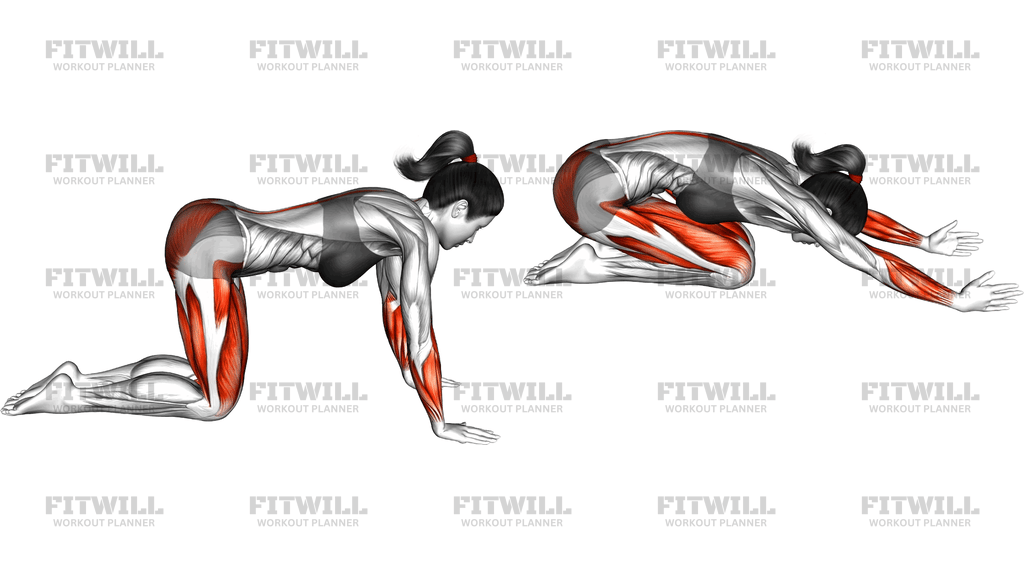
Instructions
- Kneel on an exercise mat with your knees about hip-width apart and your big toes touching behind you.
- Place your hands flat on the mat directly under your shoulders to set up on all fours with a neutral spine.
- Exhale and sit your hips back onto your heels, letting your belly settle between your thighs.
- Walk both hands forward along the mat until your arms are fully extended and your forehead lowers toward or onto the mat.
- Keep your hips heavy on the heels as you reach, avoiding the temptation to lift them as the arms lengthen.
- Slowly rotate your palms from facing down to facing up toward the ceiling, keeping the arms straight and long.
- Hold the rotated position for twenty to forty seconds, breathing deeply into the sides of your ribcage with each exhale.
- If one side feels tighter, rotate one palm up at a time and give the tighter arm extra seconds.
- To finish, turn the palms back down, press lightly through the fingertips, and crawl your hands back in to lift your torso upright.
Tips & Tricks
- If your hips keep floating up as you reach forward, shorten the distance you walk your hands out until they stay planted on the heels.
- Widen your knees a few inches if your belly or thighs make the fold uncomfortable; the stretch quality improves once the hips can truly settle.
- When the palm-up rotation causes pinching at the front of the shoulder, rotate less aggressively or keep that arm palm-down and work the other side only.
- Place a folded towel or block under your hips if they cannot reach the heels, so the lower back stays long instead of rounding to compensate.
- Let the forehead rest on the mat or a small support; a held-up head keeps tension in the neck and traps that defeats the purpose of the stretch.
- Try staggering your hands slightly to one side before rotating to bias the stretch into the lat on that side.
- Do not force the palms fully up if your wrists complain; rotate only to the angle where the forearms feel a pull, not a strain.
- Pair slow exhales with a subtle reach of the fingertips forward, which helps the lats release a little more on every breath rather than all at once.
Frequently Asked Questions
What muscles does Child Pose Arms Rotation stretch?
It primarily targets the lats along the sides of the back, with secondary stretch in the rear shoulders, rotator cuff area, forearms, and the muscles of the lower back. The palm-up rotation is what shifts emphasis into the shoulder and forearm tissues.
Why do the palms rotate up in this stretch?
Turning the palms toward the ceiling externally rotates the shoulders, which changes the angle of pull on the lats and adds stretch to the rear deltoids and forearm muscles. It gives you two distinct stretch sensations in one position.
Is Child Pose Arms Rotation suitable for beginners?
Yes, it is a low-load, supported stretch that beginners can hold comfortably. The only adjustments usually needed are widening the knees or placing a block under the hips if the heels are hard to reach.
My hips lift off my heels when I reach forward. How do I fix this?
This usually means you are reaching farther than your lats and hips currently allow. Walk your hands out a shorter distance, keep the hips pressed back first, and only reach as far as you can while staying seated on the heels.
Can I do this stretch if I have knee discomfort?
Place a folded towel or pad under the knees and keep the fold shallow by sitting the hips partway back rather than fully onto the heels. If kneeling itself is painful, a seated forward-reach stretch on a chair is a gentler substitute.
How long should I hold the rotated position?
Twenty to forty seconds per side works well for most people. If you are using it after heavy training, longer holds of up to a minute with relaxed breathing are reasonable.
Should I rotate both palms at the same time or one at a time?
Both works for a symmetrical stretch, but rotating one palm at a time lets you notice side-to-side differences and gives the tighter arm more focused attention. Start with both, then switch to single-arm work if one side dominates.
When is the best time to use Child Pose Arms Rotation?
It works well as a warm-up opener before pressing or pulling workouts, as a cooldown after training, or as a midday reset if your shoulders feel stiff from sitting. Avoid forcing deep holds immediately before heavy overhead lifting.
What should I feel if the stretch is working correctly?
You should feel a broad pull from the armpits down the sides of the back, and once the palms rotate, extra tension along the backs of the shoulders and outer forearms. There should be no sharp pain in the wrists, shoulders, or lower back.