Seated Hand To Knee Back Stretch
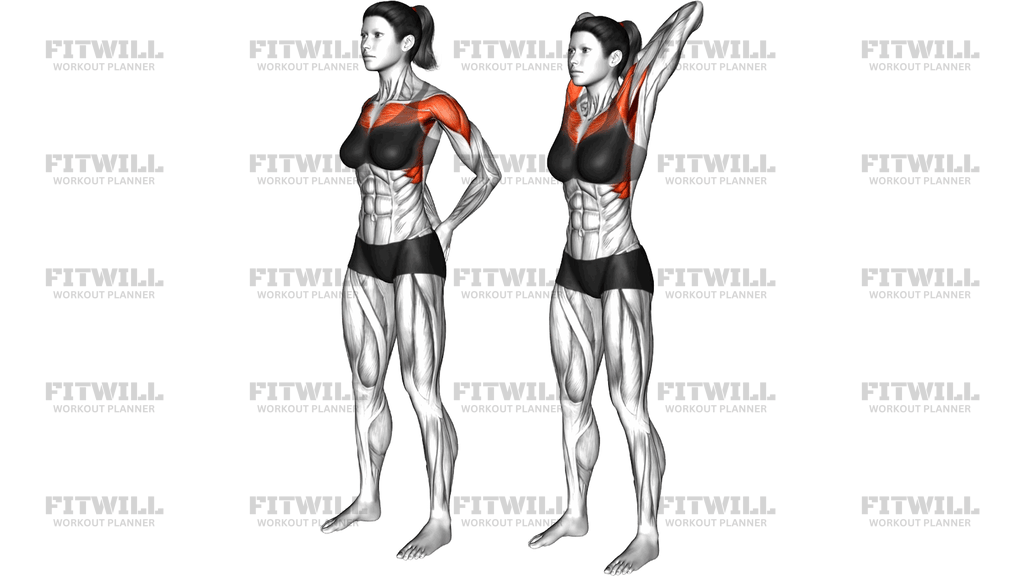
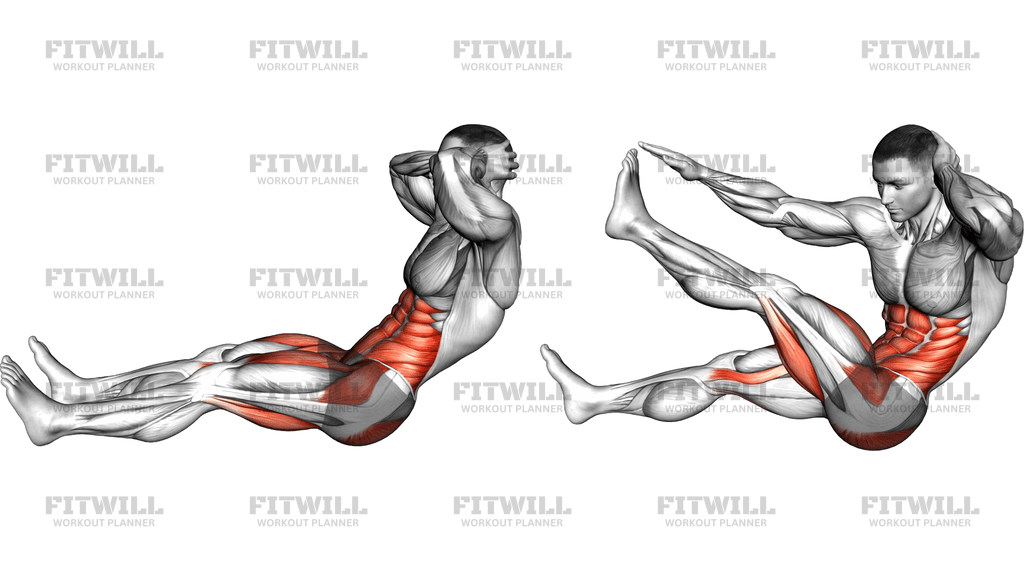
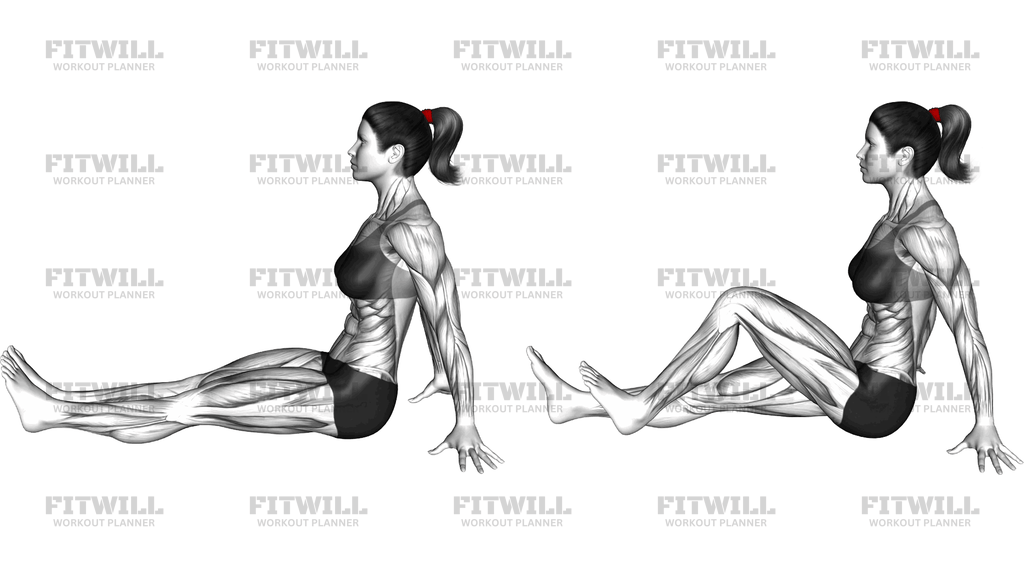
The Seated Hand To Knee Back Stretch is a simple floor-based stretch that targets the lower back, hips, and the muscles around the back of the pelvis. You sit upright on the floor with your legs extended in front of you, place your hands on the floor behind your hips for support, and then bend one knee and draw it in toward your chest and upper body. The supporting hand stays planted behind you while the other hand can assist by pulling the knee closer, creating a gentle flexion stretch through the lumbar spine and a deep stretch in the glute and hip of the bent leg.
This stretch is especially useful for anyone who spends long hours sitting at a desk or in a car, since prolonged sitting tends to stiffen the lower back and shorten the hip flexors. It is also a common choice in cooldown routines after leg or back training, and in general mobility work for people who feel tight through the low back when they bend forward or stand up. Because it is performed on the floor with your hands supporting you, the intensity of the stretch is entirely under your control, which makes it approachable for beginners as well as more experienced trainees.
The main areas being lengthened are the erector spinae along the lumbar spine, the gluteus maximus of the bent leg, and the hip flexors on the straight leg, with some secondary lengthening through the hamstrings. Pulling the knee toward the chest rounds the lower back slightly and tilts the pelvis backward, which is exactly what creates the stretch sensation. Meanwhile, the extended leg keeps the opposite hip in a lengthened position, so you get a mild opposing stretch at the same time.
Setup matters more than it might seem in this stretch. Sitting tall with your weight evenly on both sitting bones before you start keeps the spine in a neutral position, and placing your hands far enough behind your hips gives you a stable anchor to lean into as the knee comes in. If your hands are too close to your body or too far behind you, the shoulders will shrug and the chest will collapse, which changes where you feel the stretch and can create unwanted tension in the neck and upper back.
To execute it well, move slowly into the stretch rather than yanking the knee in, breathe steadily, and let the stretch deepen gradually over 20 to 30 seconds. You should feel a comfortable pull across the lower back and the back of the hip, not sharp pain, pinching in the groin, or pressure in the knee. If the floor bothers your sit bones or lower back, use an exercise mat or folded towel. Swap legs after the first side and repeat, and use the stretch once or twice per side as part of a warm-up or cooldown.
[ Workout Log & Planner ]
Put your next workout in Fitwill
Keep your plan and training log ready when you are.


Instructions
- Sit on the floor or on an exercise mat with your legs extended straight in front of you and your torso upright.
- Place both hands on the floor behind your hips, fingers pointing away from you or slightly out, and press down lightly to support your upper body.
- Sit tall on your sitting bones and lengthen your spine before starting the stretch.
- Bend one knee and lift your foot off the floor, drawing the knee up toward your chest and upper body.
- Let your supporting hand behind you take more of your weight as the knee comes in, allowing your torso to lean back slightly.
- Use your free hand to hold the bent knee or shin and gently pull it closer to intensify the stretch.
- Hold the end position for 20 to 30 seconds, feeling the stretch across your lower back and the back of the bent-leg hip.
- Breathe slowly and steadily throughout, exhaling as you ease the knee slightly closer with each breath.
- Release the knee in a controlled way, extend the leg back to the floor, and reset your posture with both legs straight.
- Repeat the stretch on the other leg, completing one to two holds per side.
Tips & Tricks
- A common mistake is pulling the knee in with a jerky motion; draw it in gradually so the lower back has time to relax into the stretch.
- If your shoulders creep up toward your ears as you lean into the supporting hand, press your shoulder blades down and keep your chest open.
- Avoid collapsing your upper back forward to chase the knee; the stretch comes from bringing the knee to you, not curling your whole spine aggressively.
- Keep the straight leg relaxed and resting on the floor; tensing the extended thigh fights the pelvic tilt that makes this stretch effective.
- If your sit bones ache on a hard floor, sit on a folded towel or mat so you can focus on the stretch instead of discomfort.
- Point the bent knee slightly toward the opposite shoulder to bias the glute and outer hip if you want a deeper posterior stretch.
- Do not force the knee past the point of a comfortable pull; sharp or pinching sensations mean you should back off immediately.
- Keep your neck in line with your spine by looking forward rather than dropping your chin as you lean back.
- If your hamstrings are very tight, allow a small bend in the straight knee so your pelvis can tilt backward freely.
Frequently Asked Questions
What muscles does the Seated Hand To Knee Back Stretch target?
It primarily stretches the lower back muscles along the lumbar spine, along with the glute of the bent leg. The hip flexors of the straight leg and the hamstrings also receive some lengthening.
Is the Seated Hand To Knee Back Stretch suitable for beginners?
Yes, it is very beginner friendly because you control the intensity with your own hands and the floor supports your weight. Start with a mild pull and only deepen it as your flexibility improves.
Why do my hands need to be on the floor behind my hips?
The supporting hand acts as an anchor that lets you lean back slightly as the knee comes in, which increases the backward pelvic tilt that stretches the lower back. Without it, you would have to round forward and lose control of the stretch.
How long should I hold the Seated Hand To Knee Back Stretch?
Hold each side for 20 to 30 seconds and repeat one to two times per leg. For general flexibility, longer relaxed holds of 30 to 60 seconds work well.
I feel the stretch in my knee instead of my back. What should I do?
Hold the thigh or shin rather than pulling directly on the kneecap, and ease off the intensity. If knee discomfort persists, bend the knee less or switch to a lying knee-to-chest variation.
Can I do this stretch every day?
Yes, gentle static stretches like this one can be performed daily, especially if you sit for long periods. Keep the intensity comfortable rather than pushing to your end range every session.
What is a good substitute if I cannot sit comfortably on the floor?
Try a lying knee-to-chest stretch on your back, or a seated version in a sturdy chair by hugging one knee toward your chest. Both reproduce the same lower back and hip stretch with less demand on the hips.
Should I do the Seated Hand To Knee Back Stretch before or after a workout?
It works well as part of a cooldown after lower body or back training, when the muscles are warm. Before a workout, keep the holds short and gentle so you do not reduce muscle stiffness needed for lifting.
Why does my straight-leg hamstring feel tight during the stretch?
The extended leg places the hamstring in a lengthened position, so tight hamstrings often announce themselves here. A small bend in that knee will reduce the pull and let your pelvis tilt more freely.