Lying Back Contraction
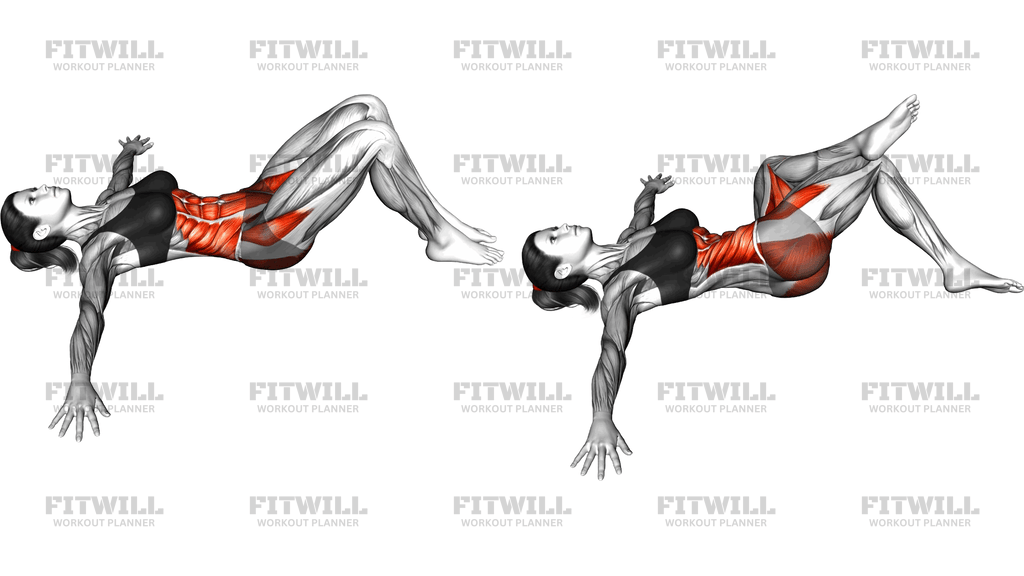
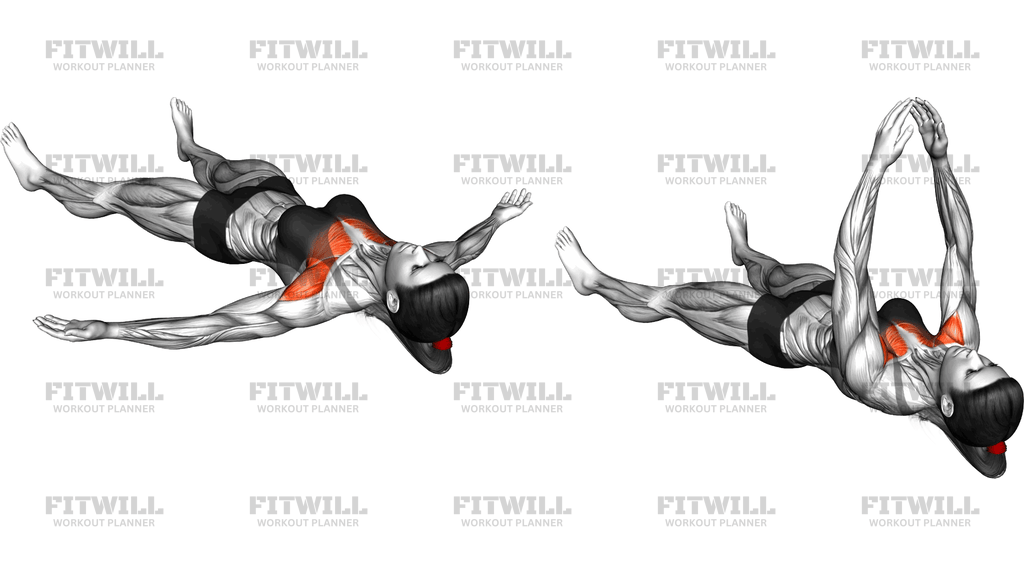
The Lying Back Contraction is a floor-based activation exercise performed on your back with your knees bent and arms held at your sides. From this supine position, you deliberately draw your shoulder blades down and together against the floor, squeezing the muscles of the upper back, then release with control. Because the floor gives you constant feedback about whether your shoulder blades are actually moving, it is one of the easiest ways to learn what a true scapular contraction is supposed to feel like.
This movement is especially useful for people who struggle to feel their back muscles during rows, pulldowns, or pull-ups. Many lifters pull with their arms and biceps while the shoulder blades stay passive, which limits back development and can place extra stress on the shoulder joint. Practicing the contraction while lying down removes gravity's pull on the arms and lets you isolate the blade movement before transferring it to standing or hanging exercises.
The primary muscles worked are the rhomboids and middle trapezius, which pull the shoulder blades toward the spine, with support from the lower trapezius and rear deltoids. Keeping the backs of the shoulders and arms relaxed on the floor is part of the challenge, as many people instinctively shrug or grip to create the movement.
Setup matters more than it might seem here. Lying flat on a mat with knees bent keeps the lower back neutral and stops you from arching to fake the contraction. Your arms should rest comfortably at your sides with elbows bent, and your head should stay relaxed rather than being lifted or pushed into the floor. If the position feels awkward, a thin cushion under the head can help you keep the neck long.
To execute well, think of sliding your shoulder blades down toward your back pockets and pinching them gently toward each other, pressing them lightly into the floor beneath you. The range of motion is small, often just a few centimeters, so judge the quality of each rep by the squeeze rather than by how far anything moves. Hold the contracted position for a few seconds before easing back off.
Use this exercise as a warm-up before upper-body pulling sessions, as a reset between desk-work hours, or as a rehabilitative-style activation drill when prescribed for shoulder blade control. It requires no equipment beyond a mat or soft floor, carries minimal risk when performed slowly, and rewards consistency far more than intensity.
[ Workout Log & Planner ]
Put your next workout in Fitwill
Keep your plan and training log ready when you are.


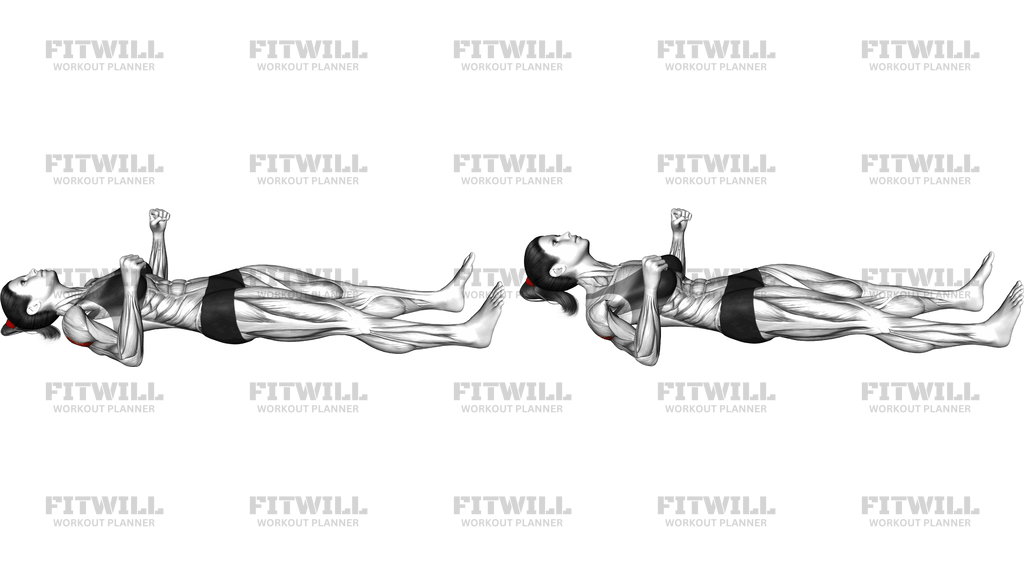
Instructions
- Lie on your back on an exercise mat with your knees bent and feet flat on the floor, hip-width apart.
- Rest your arms at your sides with elbows bent roughly 90 degrees so your forearms point toward the ceiling, and let the backs of your upper arms and shoulders settle onto the floor.
- Relax your neck and jaw, keeping your head heavy on the mat and your gaze straight up.
- Gently brace your core so your lower back stays in a neutral position rather than arching off the floor.
- Exhale and draw both shoulder blades down toward your hips and in toward your spine, pressing them lightly into the floor beneath you.
- Hold the contracted position for two to five seconds, feeling the muscles between your shoulder blades work while your arms and hands stay relaxed.
- Inhale and slowly release, letting the shoulder blades return to their resting position on the floor without shrugging your shoulders toward your ears.
- Pause briefly at the resting position to reset, then repeat for the desired number of repetitions, keeping every rep smooth and deliberate.
Tips & Tricks
- The range of motion is deliberately small; if your shoulders lift off the floor or your chest rises, you are arching rather than contracting the upper back.
- Keep your hands open and your forearms loose. Clenched fists and tense arms are a sign you are substituting arm effort for blade movement.
- If you cannot feel anything between the shoulder blades, try lightly dragging your elbows down into the mat as you contract; this often switches the rhomboids on.
- Avoid pressing the back of your head into the mat, which tenses the neck; the work should stay between the shoulder blades and in the mid-back.
- Do not hold your breath. Exhaling as you squeeze makes it easier to keep the core braced and the movement controlled.
- If your lower back feels strained, check that your knees are bent and feet are flat rather than legs extended, since straight legs can pull the pelvis and arch the lumbar spine.
- Longer holds of five to eight seconds with light effort build better awareness than forceful, quick squeezes.
- Stop shrugging by imagining your collarbones staying wide and still while only the blades move beneath them.
- Practice before rows or pulldowns so you can carry the same blade-setting feeling into weighted pulling work.
Frequently Asked Questions
What muscles does the Lying Back Contraction target?
It primarily works the rhomboids and middle trapezius between the shoulder blades, with assistance from the lower trapezius and rear deltoids. The core works lightly to keep your torso stable on the floor.
Why perform the contraction lying on your back instead of standing?
The floor gives immediate feedback because your shoulder blades press against a flat surface, making it obvious whether they are moving. Removing gravity's pull on the arms also makes it easier to isolate the back muscles.
Is the Lying Back Contraction suitable for beginners?
Yes, it is one of the most beginner-friendly back exercises because it is low load, slow, and performed on the floor. Beginners should focus on feeling the squeeze rather than forcing a large range of motion.
How many sets and reps should I do?
One to three sets of eight to twelve slow repetitions with a two to five second hold works well as activation. Since the goal is muscle awareness rather than fatigue, stop well before the squeeze feels strained.
Can I do this exercise without a mat?
Yes, any firm but comfortable surface works, such as carpet or a folded towel. A very hard floor can make the shoulder blades and spine feel uncomfortable against it.
Why do I feel this more in my neck than my upper back?
That usually means you are shrugging or tensing your upper traps instead of drawing the blades down. Reset with your head relaxed on the floor and focus on sliding the blades toward your hips rather than lifting them.
Can the Lying Back Contraction help with pulling exercises like rows?
It is commonly used as a teaching drill so lifters learn to set the shoulder blades before pulling. Once you can feel the contraction here, aim to reproduce that same blade movement at the start of each row or pulldown rep.
Should my arms stay flat on the floor during the movement?
Your upper arms and shoulders should stay relaxed against the floor, with the elbows bent and forearms pointing up. The arms contribute almost nothing to the movement, so any pushing or pressing with them is wasted effort.
Is it safe to do this exercise every day?
For most people, yes, since it is a gentle body-weight activation drill with no external load. If you have a current shoulder or spine injury, follow the guidance of a qualified professional before adding any new exercise.