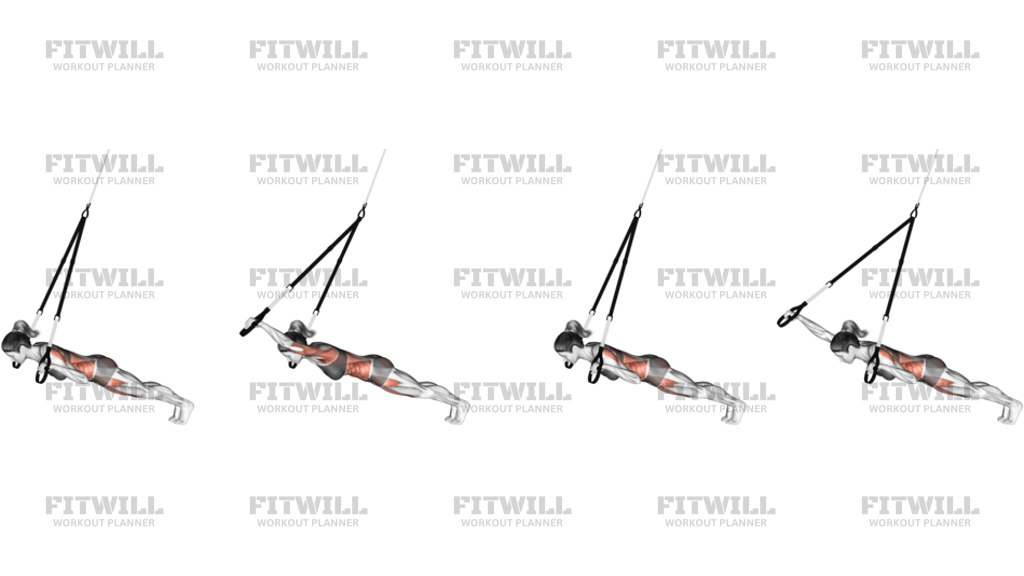
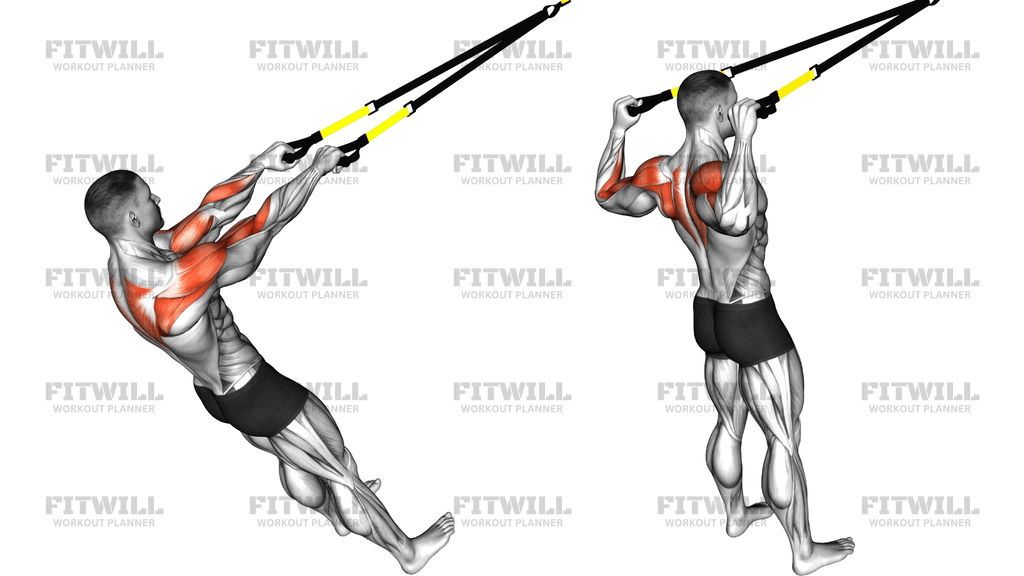
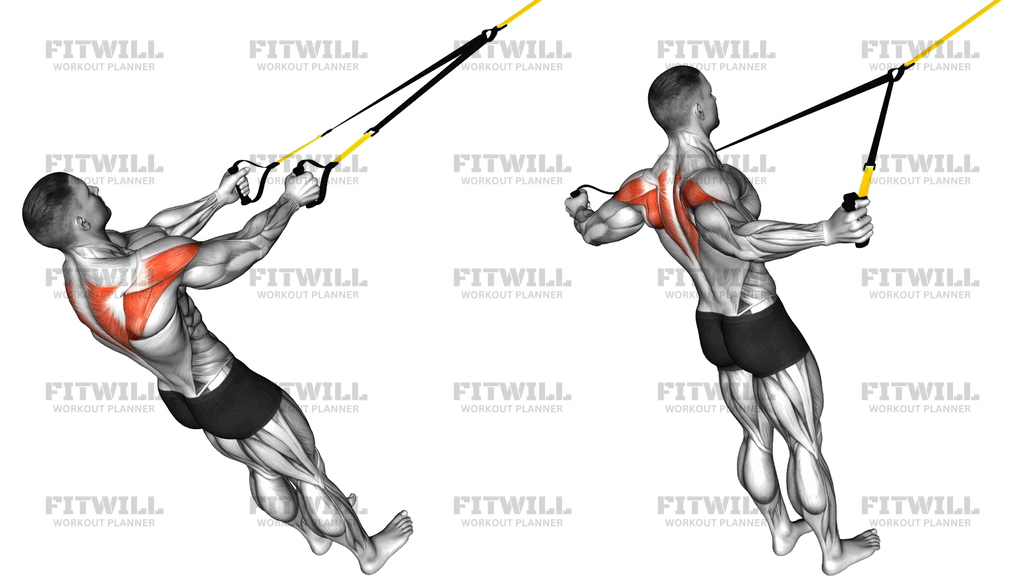
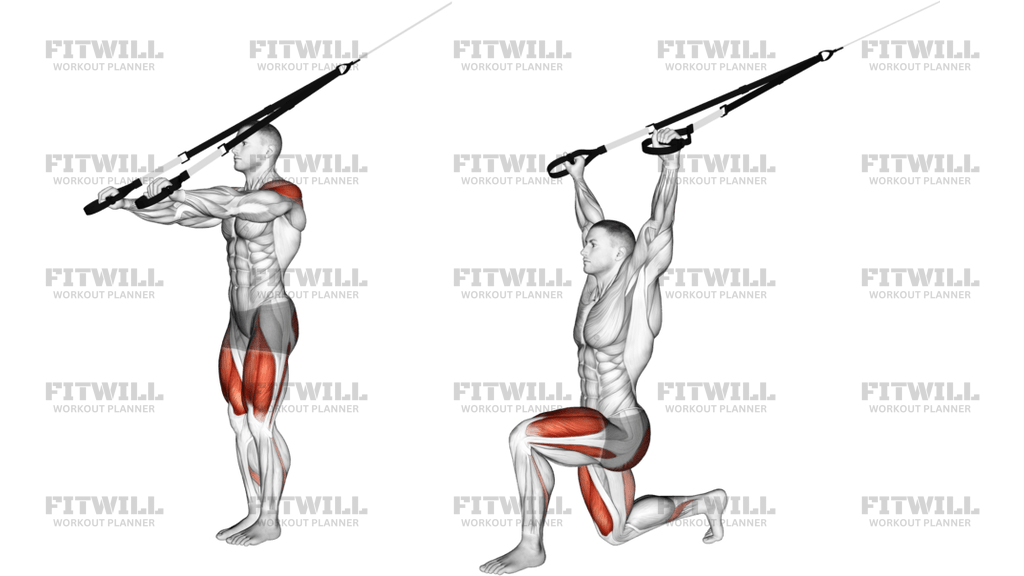
Ring Weighted Pronated Grip Inverted Row
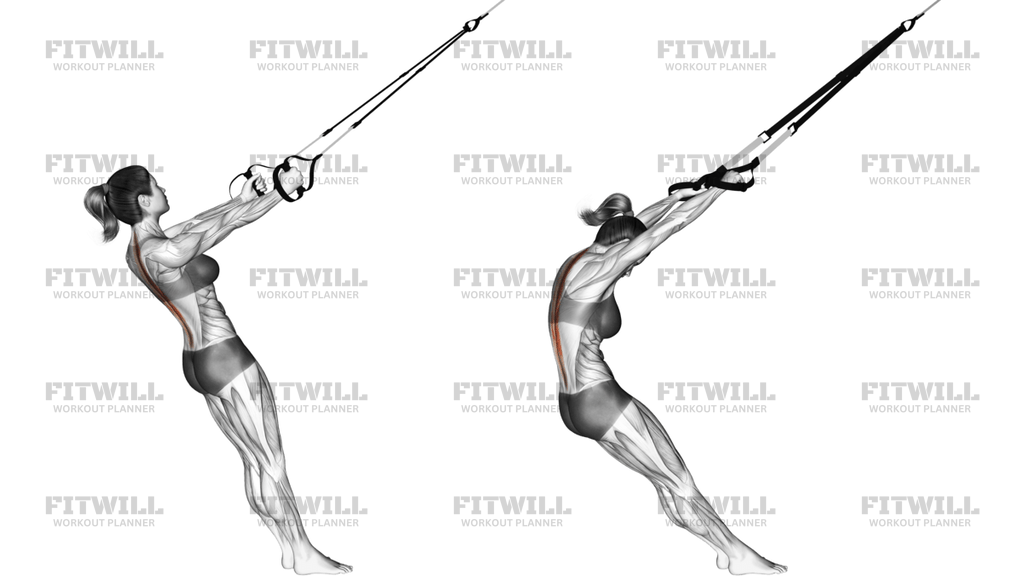
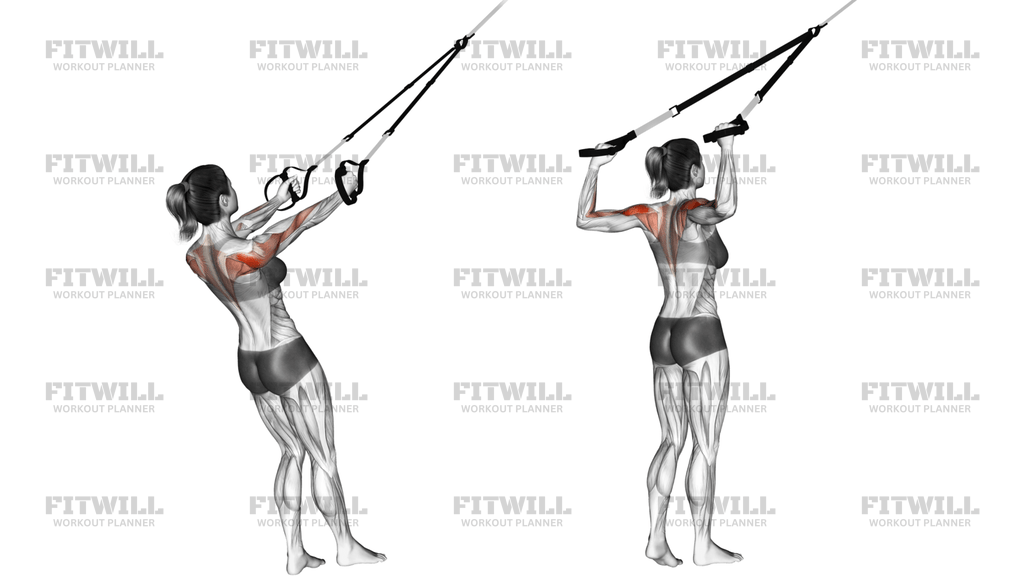
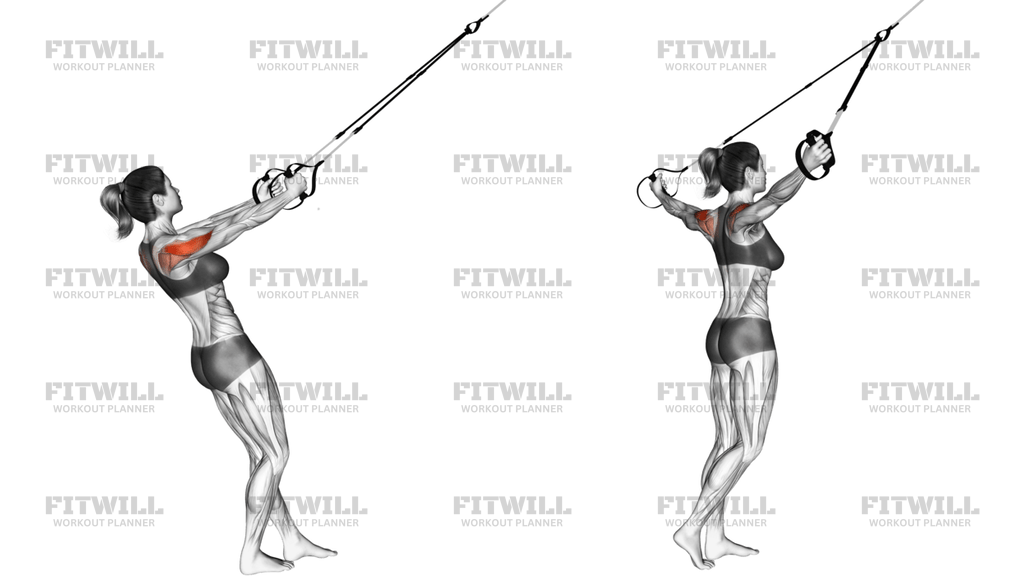
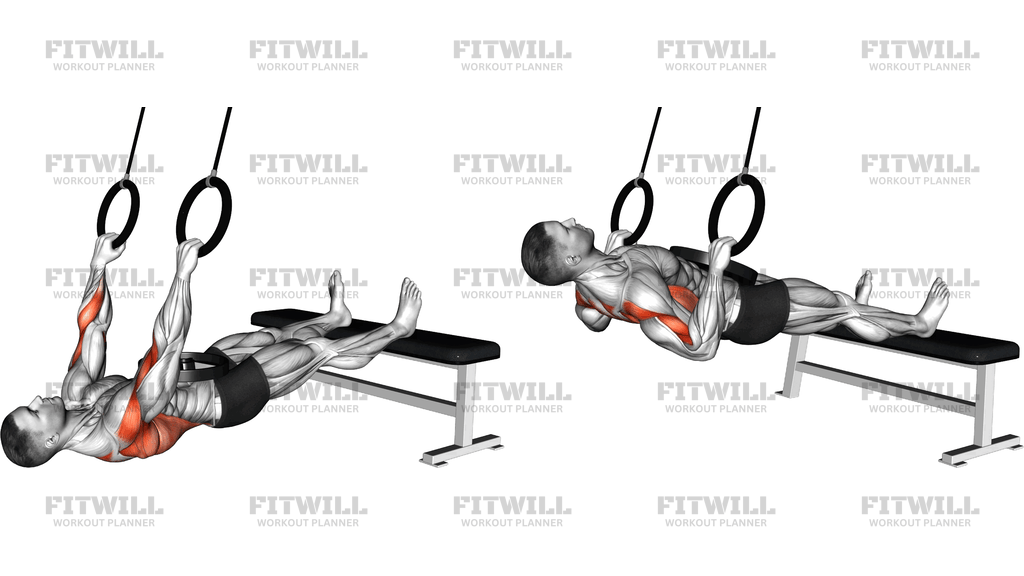
The Ring Weighted Pronated Grip Inverted Row is a horizontal pulling exercise performed on gymnastic rings with your heels elevated on a flat bench and an added weight plate resting on your chest. You hang beneath the rings with arms fully extended and pull your chest up to them using an overhand (pronated) grip. The combination of unstable rings, an elevated lower body, and external load makes this one of the more demanding variations of the inverted row family.
This movement suits intermediate and advanced lifters who have already mastered bodyweight inverted rows on rings or a fixed bar and want to progress the load. Because the rings move independently, your grip, elbows, and shoulders are free to find their natural path, which is easier on the shoulder joints than many locked-bar rowing positions. At the same time, that instability forces the smaller stabilizing muscles around the shoulder blades and arms to work overtime.
The primary work comes from the upper back — the rhomboids and mid-traps that pull the shoulder blades together — supported heavily by the lats, biceps, and rear shoulders. Your core, glutes, and legs stay braced isometrically the entire time to keep the body straight from shoulders to heels, and elevating the feet on the bench increases both the horizontal loading angle and the core demand.
Setup matters more here than in most rowing variations. The rings must hang level and be adjusted so your chest reaches them at full contraction while your heels stay planted on the bench. The weight plate should sit securely on your chest without restricting breathing, and your body should form a rigid line before the first rep begins. A sloppy setup turns this into a hip-driven jerking exercise very quickly.
To execute well, pull by driving your elbows down and back rather than yanking with your hands, and aim your lower chest or upper abdomen toward the rings. Pause briefly at the top with the shoulder blades squeezed, then lower under control until the arms are fully straight. The rings will want to drift inward or outward as you fatigue — fight to keep them tracking straight, and end the set before your torso starts sagging or twisting.
Common use cases include calisthenics strength work, back-focused training when pull-ups are limited, and building the horizontal pull strength that balances pressing movements. Because the load is easy to adjust — lighter plate, no plate, or a higher ring position — it also works well as a stepping stone toward weighted ring rows at steeper angles. Always test the rig and ring straps before adding weight, and keep a spotter or clear floor space when training with a plate on your chest.
[ Workout Log & Planner ]
Put your next workout in Fitwill
Keep your plan and training log ready when you are.


Instructions
- Set the gymnastic rings to an even height, roughly at or just above hip level, and place a flat bench a few feet behind or below the anchor point for your heels.
- Grip the rings with a pronated (overhand) grip, hands about shoulder-width apart, then walk your feet forward and place your heels on top of the bench so your body forms a straight, rigid line from shoulders to heels.
- Have a partner place a weight plate flat on your chest, or set it yourself once your heels are secured, positioning it so it cannot slide toward your throat or off your ribs during the pull.
- Brace your core, squeeze your glutes, and pull your shoulder blades slightly down and back to lock in a stable starting position with arms fully extended.
- Exhale and pull your chest up toward the rings by driving your elbows down and past your ribs, keeping the rings tracking straight out to your sides.
- Continue until your lower chest touches or nearly touches the rings and your shoulder blades are fully squeezed together.
- Hold the top position for a brief pause, then inhale as you lower yourself slowly with control until your arms are completely straight again.
- Keep your hips in line with your shoulders and heels throughout — if your torso starts sagging or rotating, finish the set.
- After the final rep, lower fully, brace, and carefully stand up or sit the plate off your chest before releasing the rings.
Tips & Tricks
- If the rings converge toward each other as you pull, your elbows are flaring and your grip is drifting — think of pushing the rings slightly apart while pulling to keep them in line.
- A plate that slides during the rep means your torso angle is changing; check that your heels stay planted and your hips are not dropping before blaming the plate.
- Chalk your hands or use thin wrist wraps — sweaty palms on a loaded ring row are a real problem because the plate amplifies every slip.
- Start with a small plate or no weight at all for your first few sessions; the unstable rings make even a modest load feel significantly heavier than the same weight on a fixed bar.
- If you cannot reach the rings with your chest, raise the rings or lower your heel height instead of shortening the range — half reps here mainly feed the ego and the biceps.
- Keep your neck neutral by looking at the ceiling or anchor point rather than craning your chin toward the rings as the rep gets hard.
- Wrist position matters under load: keep your knuckles facing the ceiling at the top rather than letting your wrists collapse backward, which strains the forearms.
- Set a bodyweight-only rep target of around 10 clean reps before adding a plate; jumping to weight too early usually shows up as hip sag on rep three.
- Lower the rings or reposition your heels between sets if the plate made you drift — never re-grip or reset your feet while holding a loaded position.
Frequently Asked Questions
Which muscles does the Ring Weighted Pronated Grip Inverted Row work hardest?
The rhomboids and mid-traps of the upper back do the primary pulling, with strong support from the lats, biceps, and rear shoulders. Your core and glutes work isometrically to hold the straight body line under load.
How is the pronated grip different from a neutral grip on rings for this row?
A pronated (overhand) grip biases the upper back and rear shoulder musculature slightly more and is harder on the forearms, while a neutral grip tends to feel more comfortable and lets the lats and biceps contribute a bit more. On rings you can rotate your grip during the rep, so start pronated and adjust only if your wrists complain.
Can beginners do the Ring Weighted Pronated Grip Inverted Row?
Beginners should start with unweighted ring rows and the rings set higher so the torso is more upright. Add a plate only after you can perform roughly ten controlled reps with heels elevated and no hip sag.
Why are my heels elevated on a bench for this exercise?
Elevating the heels on the bench lowers your body closer to horizontal, which increases the percentage of bodyweight you are pulling and raises the demand on your core. It also creates room for the added plate so your hips do not have to sit unusually low.
What is the most common mistake with a weighted plate on the chest during this row?
Letting the hips drop and the body pike or sag, which turns the pull into an awkward angled row and lets the plate slide. Reset your body line between reps if needed, and cut the set short the moment your torso position breaks down.
What can I substitute if I do not have gymnastic rings?
A straight bar or suspension trainer set in a doorway or rack works, with heels on a bench and the plate on your chest. Expect the fixed bar to feel slightly different because your elbows cannot find their own path, so use a grip width that keeps your shoulders comfortable.
How heavy should the plate be for the Ring Weighted Pronated Grip Inverted Row?
Start with 5–10 kg or whatever you can control for eight to ten strict reps with a full range and a stable torso. The unstable ring setup makes the same plate weight feel considerably harder than it would on a barbell or machine row.
Is it safe to have a weight plate resting on my chest during this exercise?
It is generally fine when the plate sits flat on the sternum area and the load stays moderate, but a plate near the face or throat is a hazard if you fail a rep. Have a partner position it, use bumper-style plates that sit flat, and never train to failure with weight on your chest without a spotter nearby.
Why do my forearms and grip fatigue before my back on this movement?
The rings require constant stabilization, and the pronated grip plus added bodyweight loads the forearms heavily. Chalk up, squeeze the rings deliberately rather than death-gripping them, and consider building grip strength separately if it keeps limiting your sets.
How high should I set the rings for the Ring Weighted Pronated Grip Inverted Row?
Set them so that at full arm extension your body hangs just above the floor with heels on the bench, and your chest can reach the rings at the top. If your chest cannot make contact, the rings are too low or your body angle is too shallow — raise the rings before cutting the range.