Swing And Hops
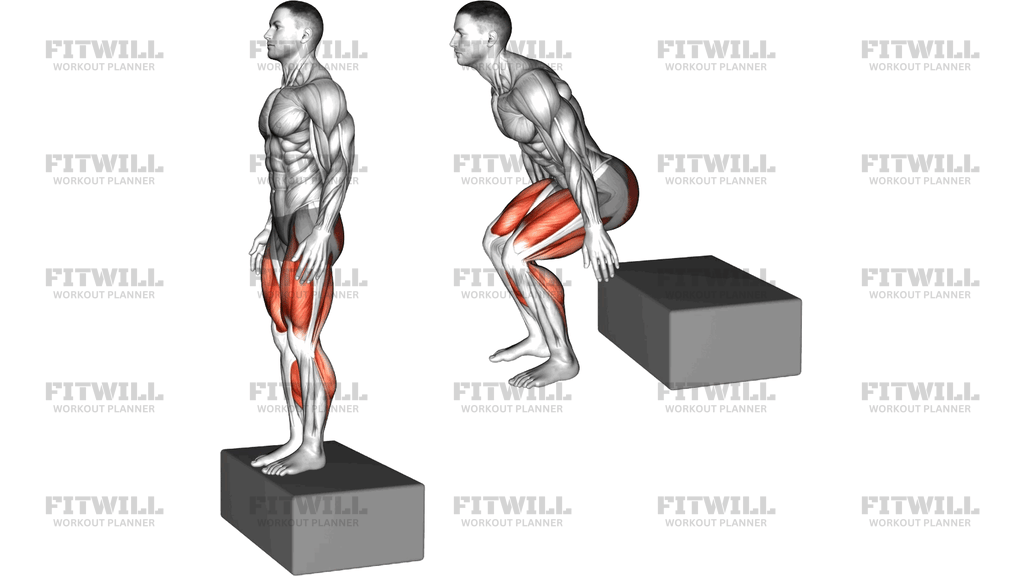
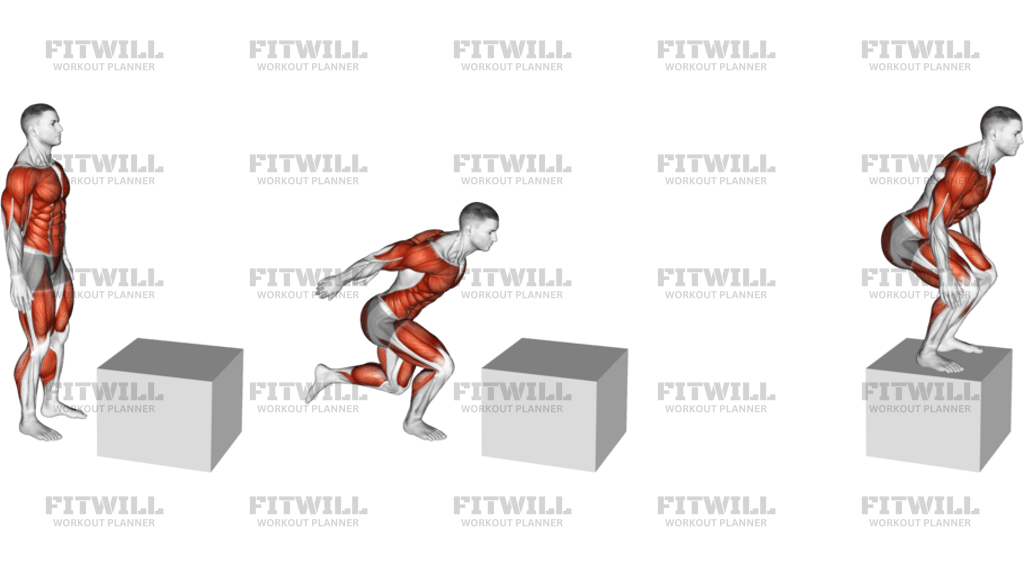
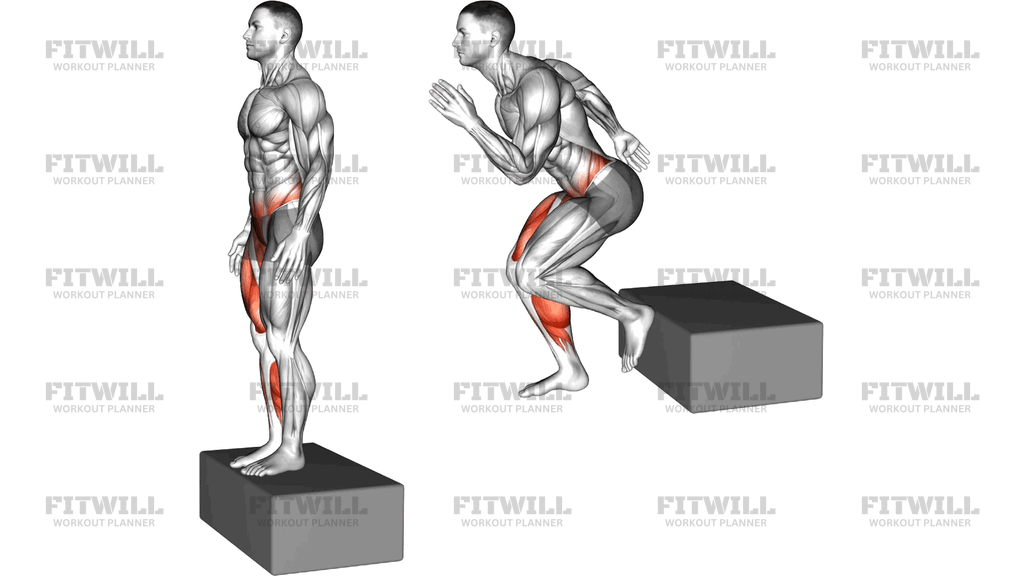
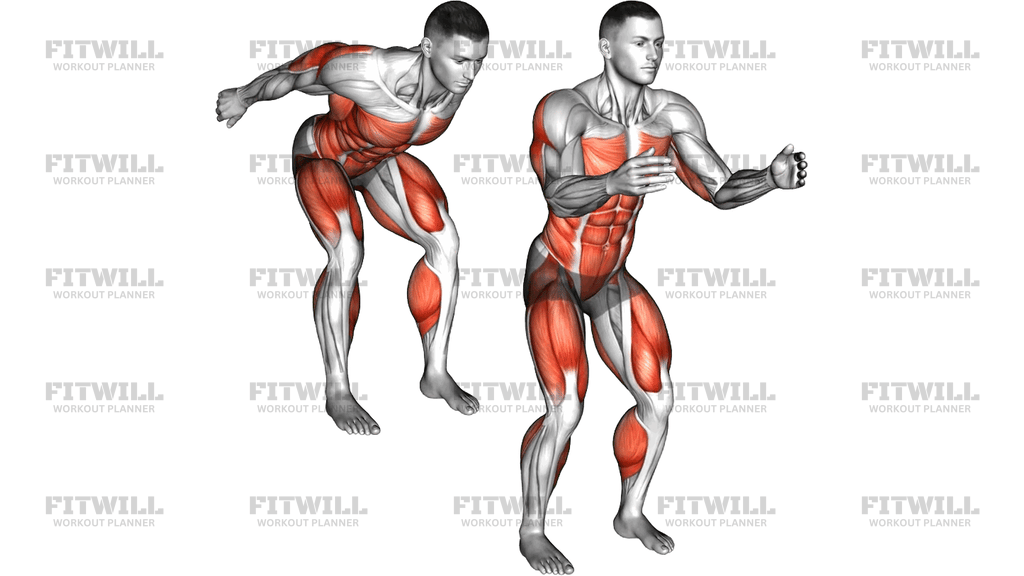
Swing And Hops is a bodyweight, hip-dominant power drill that blends the hip-hinge pattern of a kettlebell swing with a small vertical hop at the top. You start in an athletic stance, hinge back and let your arms travel behind you, then snap your hips forward explosively so your arms swing up to chest height while your feet leave the ground for a quick, low hop. It is essentially a swing without load, plus a jump, so you get the posterior-chain drive and the reactive landing in one flowing repetition.
This movement is useful for anyone who wants explosive hip extension without equipment. Sprinters, field-sport athletes, and lifters use it as a warm-up primer before deadlifts, swings, or jumping work, and general trainees use it as a low-skill conditioning drill that raises the heart rate fast. Because there is no weight in your hands, the limiting factor is how crisply you extend your hips and how quietly you land, not how much you can move.
The main work comes from the glutes and hamstrings, which fire hard to flip you from the hinge to a tall standing position. The quads and calves handle the hop and absorb the landing, the core braces to transfer force between your lower and upper body, and the shoulders and upper back control the arm swing so it stays relaxed and rhythmical rather than a stiff, shoulder-led lift.
Setup matters more than speed. Your hinge depth, foot position, and back position determine whether the hop is powered by your hips or stolen by your knees and lower back. Push your hips back with a flat back and soft knees, let the arms fall back naturally, and keep your weight over the middle of your feet. If you squat the movement or let your chest collapse, the swing loses its snap and the hop becomes a grinding jump.
Executed well, each rep is one continuous wave: hinge and reach back, explode forward, swing the arms, hop and land soft, then flow straight into the next hinge or reset your stance. The landing is a skill in itself — knees track over the toes, weight stays midfoot, and you land like a spring, not a sack.
Keep the volume sensible. Because this is a repeated plyometric action, quality beats quantity: stop the set when your hops get loud, your hinges get lazy, or your lower back starts doing the work. On hard surfaces, favor lower reps and softer landings, and if your knees or Achilles feel irritated, drop the hop and perform the swing portion alone until landing feels comfortable again.
Fitwill
Log Workouts, Track Progress & Build Strength.
Achieve more with Fitwill: explore over 9600 exercises with images and videos, access built-in and custom workouts, perfect for both gym and home sessions, and see real results.
Start your journey. Download today!




Instructions
- Stand with your feet about shoulder-width apart, toes pointing forward or slightly out, and your weight balanced over the middle of each foot.
- Hinge at the hips: push your hips back, keep a slight bend in the knees, and let your chest come forward with a flat back while your arms swing back behind you toward your hips.
- Brace your abs and pull your shoulder blades down so your arms hang heavy and your neck stays relaxed.
- Drive your hips forward explosively, squeezing the glutes to bring you up to a tall standing position while your arms swing forward to roughly chest height.
- At the top of the swing, push through the balls of your feet into a small, quick vertical hop, keeping your body long rather than tucking your knees.
- Land softly on the balls of your feet and settle your heels down, letting your knees bend slightly to absorb the impact with your hips pushed back a touch.
- Either flow directly into the next hinge using the momentum of your arms moving back, or pause, reset your stance, and start the next rep from a still hinge.
- Inhale as you hinge back, then exhale sharply as you drive your hips forward and hop.
- Keep the arm swing passive and shoulder-led only in the sense of staying relaxed; the power should come from the hips, not from lifting your arms.
- Perform reps for time or in sets of 8-15, stopping when the hops get loud or your hinge loses its snap.
Tips & Tricks
- Hinge, do not squat. If your knees bend deeply and your hips drop straight down, you have turned the swing into a quarter squat — push your hips back instead and keep the shin angle close to vertical.
- The hop should be small and quick. Jumping for maximum height turns this into a broad conditioning jump and makes landings heavy; a few centimeters of airtime is enough to train reactivity.
- Do not hyperextend at the top. Finishing tall with glutes squeezed is correct; leaning back and arching your lower back shifts stress away from the hips and onto your spine.
- If your shoulders burn before your legs do, you are lifting with your arms. Let the hip drive throw the arms forward and keep your grip and forearms loose.
- Land quietly. A loud slap on each landing means stiff knees and no absorption — aim to land midfoot and sink your hips back a few degrees to catch the impact.
- Keep your heels down during the hinge. Rising onto your toes early robs the swing of hip drive and makes the hop feel like a calf jump.
- Protect your back on the way down. The hinge back into the swing is where rounding happens, especially when fatigued — reset with a flat chest if your back starts to curl.
- Warm up your ankles and calves first with a few ankle bounces or easy jumps in place so the hop portion does not land cold on stiff tissue.
- If you train on concrete, use cushioned shoes and lower volumes, or take the drill onto a gym floor or grass to reduce landing stress.
Frequently Asked Questions
What muscles does Swing And Hops work the most?
The glutes and hamstrings produce the explosive hip extension, while the quads and calves power the hop and absorb the landing. Your core braces throughout, and the shoulder area mainly controls the relaxed arm swing.
Is Swing And Hops good for beginners?
Yes, provided you master the hinge first. Beginners should practice the swing portion without the hop until their hip pattern and landing mechanics are solid, then add a very small hop.
How is Swing And Hops different from a kettlebell swing?
The hip-hinge timing is the same, but there is no load to create momentum, so your glutes and hamstrings must generate all of the snap. The hop also adds a landing element the kettlebell swing does not have.
How high should I hop during Swing And Hops?
Only a few centimeters. The goal is a fast, springy ground contact, not a maximal jump — high hops make landings heavy and fatigue your calves before your hips are worked.
Why do my lower back and not my glutes feel Swing And Hops?
That usually means you are arching at the top or rounding on the hinge back. Finish tall by squeezing the glutes, keep a flat back with your chest proud in the hinge, and slow the tempo down until the hip drive leads the movement.
Can I do Swing And Hops every day?
Small doses as a warm-up are fine most days, but as a repeated plyometric drill it stresses the calves, Achilles, and knees. Leave at least a day between higher-volume sessions and stop when your landings get loud.
What can I substitute if hopping is uncomfortable?
Perform the swing portion on its own and finish each rep with a strong calf raise instead of leaving the ground. You keep the hip-extension training while removing the landing impact.
How many reps of Swing And Hops should I do?
Sets of 8-15 reps or 15-30 seconds work well for power and conditioning. End each set when the hop rhythm breaks down, because sloppy landings are where the risk lives.
Where should my weight be during Swing And Hops?
Keep your weight over the middle of your feet during the hinge, push through the balls of your feet to hop, and land midfoot before settling your heels. Rocking fully onto your toes during the hinge is a common fault that weakens the swing.
Should my arms be tense or relaxed during Swing And Hops?
Relaxed. The arm swing is a consequence of the hip drive; squeezing your hands and muscling the arms up turns the drill into a shoulder exercise and steals rhythm from your hips.