Lying Side To Side Neck Stretch
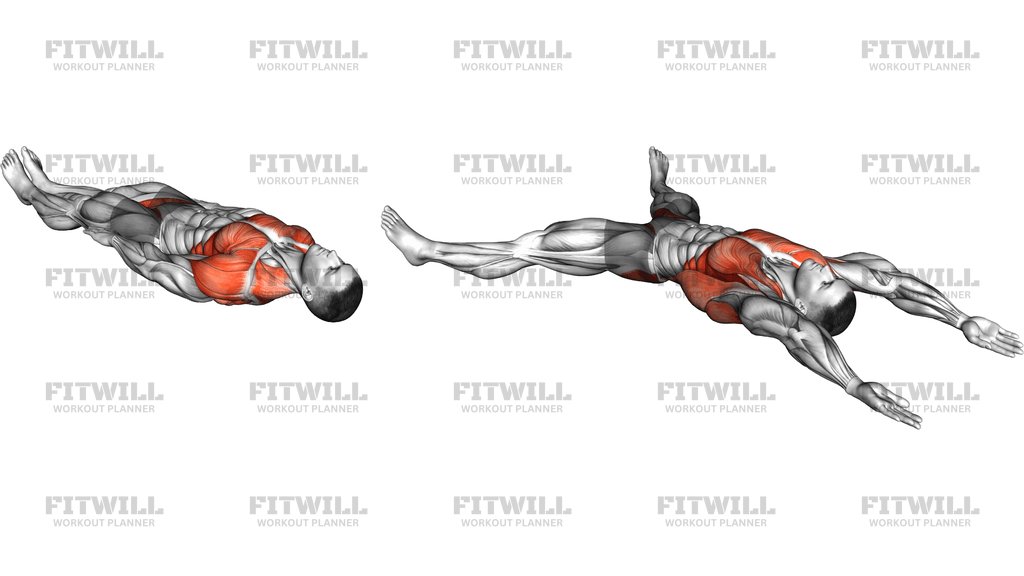
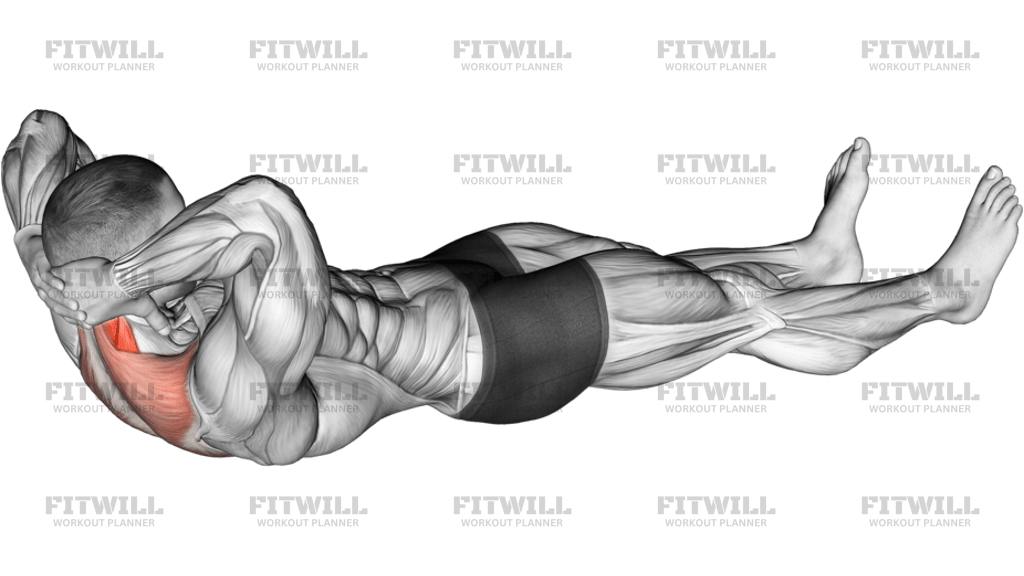
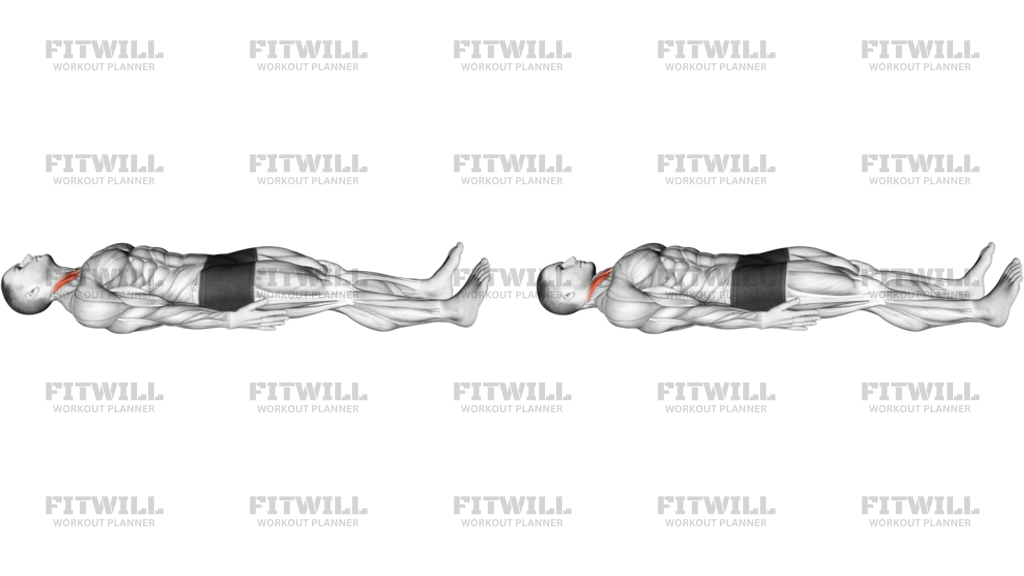
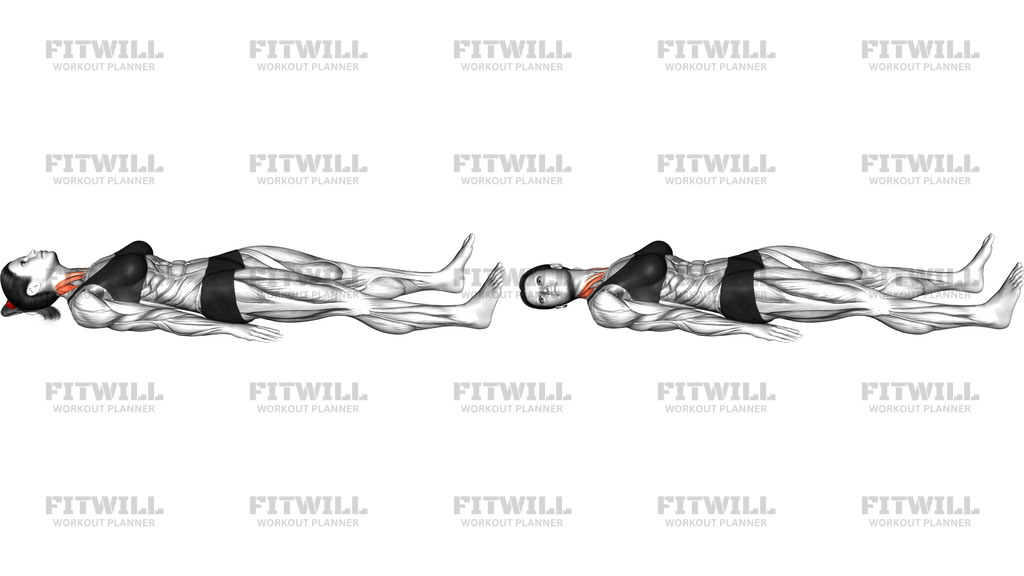
The Lying Side To Side Neck Stretch is a gentle rotational stretch performed while lying flat on your back on a mat or other comfortable surface. From this supine position, you slowly turn your head to look over one shoulder, pause to feel the stretch along the side and back of the neck, then rotate to the opposite side. Because your body is fully supported, the neck muscles do not have to fight gravity or hold up the weight of the head, which makes it much easier to relax into the stretch than when seated or standing.
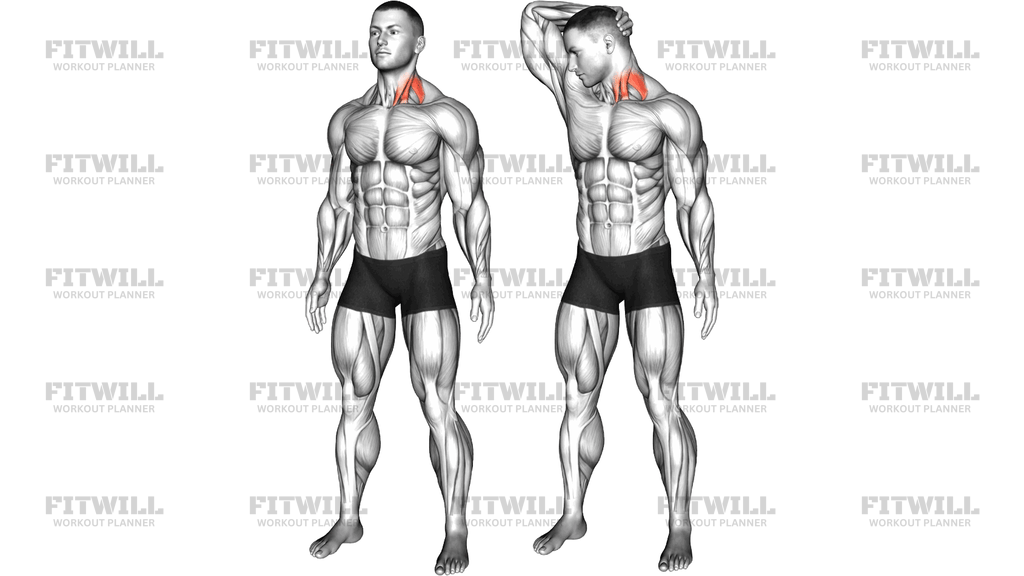
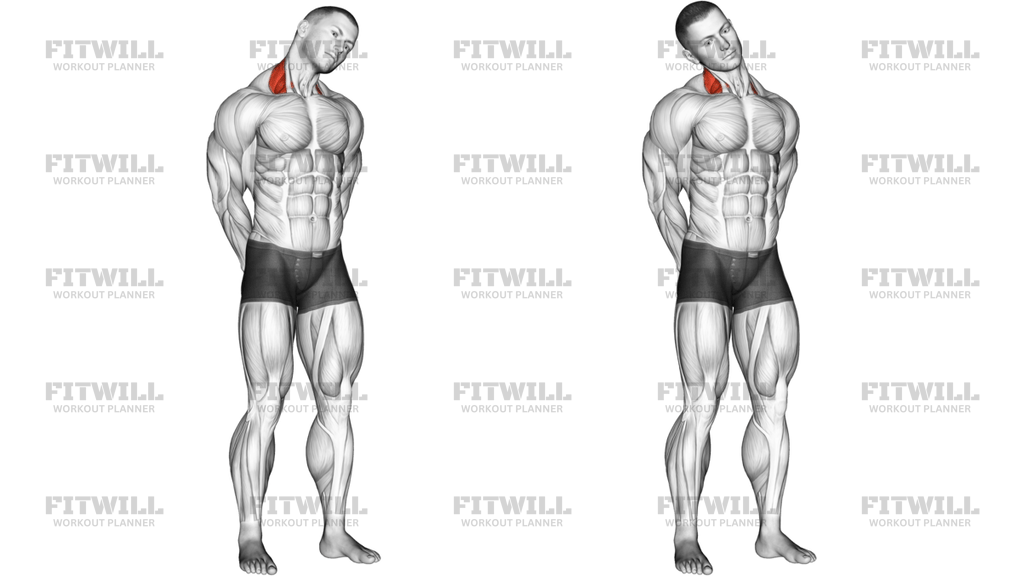
This stretch primarily targets the muscles that rotate the head, including the sternocleidomastoid along the front-side of the neck, the levator scapulae, and the upper fibers of the trapezius at the top of the shoulder. These are the same muscles that tend to tighten after long hours at a desk, long drives, or heavy upper-body training sessions. The highlighted area in the movement sits along the lateral and upper neck, which is exactly where most people feel restriction when they try to turn their head fully to one side.
The setup matters more than it might seem. Lying with a neutral spine, shoulders relaxed and level, and arms resting at your sides gives the head a stable base to rotate from. If your shoulders creep up toward your ears or your torso rolls with the head, the stretch shifts away from the neck and loses precision. Keeping the rest of the body quiet ensures that the rotation happens purely at the neck, which is what makes this version safer and more effective than cranking the head around while standing.
To perform it well, keep the movement slow and small at first. Rotate your head to one side only as far as it wants to go comfortably, breathe steadily, and let gravity do the work rather than forcing the chin toward the shoulder. Hold for several breaths, return through the center, and then repeat on the other side. Most people notice one side rotates farther than the other, which is normal and worth noting without trying to force symmetry in a single session.
This stretch fits well into cool-downs after strength training, evening routines to unwind the neck before sleep, and mid-day breaks for anyone whose work keeps the head fixed forward on a screen. It is also a low-effort way to maintain neck mobility as part of a general flexibility routine. Because no equipment beyond a mat or soft floor surface is needed, it can be done almost anywhere you can lie down safely for a few minutes.
As with any neck stretch, the guiding rule is patience. Never pull, bounce, or push the head past the point of a mild stretch. If the rotation produces dizziness, sharp pain, or tingling into the arm, stop the movement and ease out of the position. A gentle, consistent approach will maintain neck rotation mobility far better than aggressive stretching ever will.
[ Workout Log & Planner ]
Put your next workout in Fitwill
Keep your plan and training log ready when you are.


Instructions
- Lie flat on your back on an exercise mat with your legs extended and relaxed, feet falling naturally outward.
- Rest your arms at your sides with palms facing down or up, whichever lets your shoulders drop away from your ears.
- Settle your head so it points straight up at the ceiling and your face is level, with your jaw unclenched and tongue resting loosely on the floor of your mouth.
- Take a slow breath in, and as you exhale, gently rotate your head to the right as if trying to look over your right shoulder, keeping the back of your head in contact with the mat.
- Stop at the first point of mild stretch along the left side and back of your neck, and hold there for 15 to 30 seconds while breathing calmly.
- Slowly rotate your head back through center, pausing briefly with your face toward the ceiling before continuing.
- Now rotate your head to the left to the same comfortable end point, and hold for another 15 to 30 seconds.
- Continue alternating side to side for 3 to 5 rotations per side, moving only as far as feels smooth and tension-free.
- To finish, return your head to center, take two or three relaxed breaths, and gently lift your head before rolling to your side to sit up.
Tips & Tricks
- Imagine your nose drawing a slow arc across the ceiling rather than your chin stabbing toward your shoulder; this keeps the rotation smooth and evenly distributed through the neck.
- If your chin wants to tuck or lift as you turn, the movement is mixing rotation with flexion or extension. Keep your gaze level with the horizon of your rotation to isolate pure neck rotation.
- Check your shoulders before each repetition. If the shoulder on the side you are turning away from lifts off the mat, relax it back down so the upper trapezius can actually lengthen.
- Most people have one stiffer side. Spend an extra hold on the restricted side, but never try to force it to match the loose side within one session.
- Avoid interlacing your fingers behind your head to pull yourself around; on this stretch the weight of the head alone is plenty of load when you are lying down.
- If the back of your head feels uncomfortable on a hard floor, use a folded towel no thicker than half an inch, since a fat pillow will change the neck angle and reduce the stretch.
- Keep your breath slow and your exhale longer than your inhale. Holding your breath while turning is the most common sign you have gone too far.
- Move at roughly half the speed you think you need to. The slower the rotation, the more precisely you can feel exactly where the restriction sits.
- Skip this stretch immediately after whiplash, a recent neck injury, or any session that leaves you dizzy when turning; get clearance from a professional first.
Frequently Asked Questions
Which muscles does the Lying Side To Side Neck Stretch target?
It targets the muscles that rotate the head, mainly the sternocleidomastoid at the front-side of the neck, the levator scapulae, and the upper fibers of the trapezius. You will typically feel the stretch along the opposite side and upper back of the neck as you turn.
Why perform this stretch lying down instead of sitting or standing?
Lying on your back removes the job of holding your head up against gravity, so the neck muscles can fully relax into the stretch. It also keeps your shoulders and torso stable, which stops you from cheating the rotation by twisting your upper body.
Is the Lying Side To Side Neck Stretch suitable for beginners?
Yes, it is one of the most beginner-friendly neck stretches because gravity supplies the stretch and your body is fully supported. Start with small rotations and only increase the range as the movement feels completely comfortable.
How far should I turn my head during each repetition?
Rotate only to the point where you feel a mild stretch along the side of the neck, not to your absolute maximum twist. Chasing the end range, especially with your hand pushing your head, is where neck stretches go wrong.
How long should I hold each side?
A hold of 15 to 30 seconds per side works well for most people, repeated 3 to 5 times per direction. If your neck feels tight and irritable, use shorter holds of around 10 seconds with more repetitions instead.
One side of my neck rotates farther than the other. Is that a problem?
A small difference between sides is very common, especially if you sleep on one side or habitually turn toward one screen or mirror. Give the stiffer side one extra gentle hold, but avoid forcing symmetry in a single session.
Can I do this stretch every day?
Yes, gentle neck rotation like this is generally fine daily, and many desk workers benefit from doing it once or twice a day. If you notice lingering soreness after sessions, reduce the frequency or the hold duration.
What can I use instead of an exercise mat?
A carpeted floor, a towel, or a yoga mat all work as long as the surface is firm enough to keep your body level. Avoid a thick pillow under your head, since it flexes the neck forward and changes the stretch.
Is it normal to feel this stretch in the upper shoulder rather than the neck?
Feeling it at the top of the shoulder near the upper trapezius is common and fine, but if only the shoulder feels it, check that your shoulders are dropped and relaxed. Shrugging as you turn redirects tension away from the neck rotators.
When should I avoid the Lying Side To Side Neck Stretch?
Skip it if rotating your head causes dizziness, sharp pain, numbness, or tingling into your arm, or if you have a recent neck injury and have not been cleared to stretch. Discomfort is a signal to reduce range, not to push through.