Seated Lean Back Open And Close On A Chair
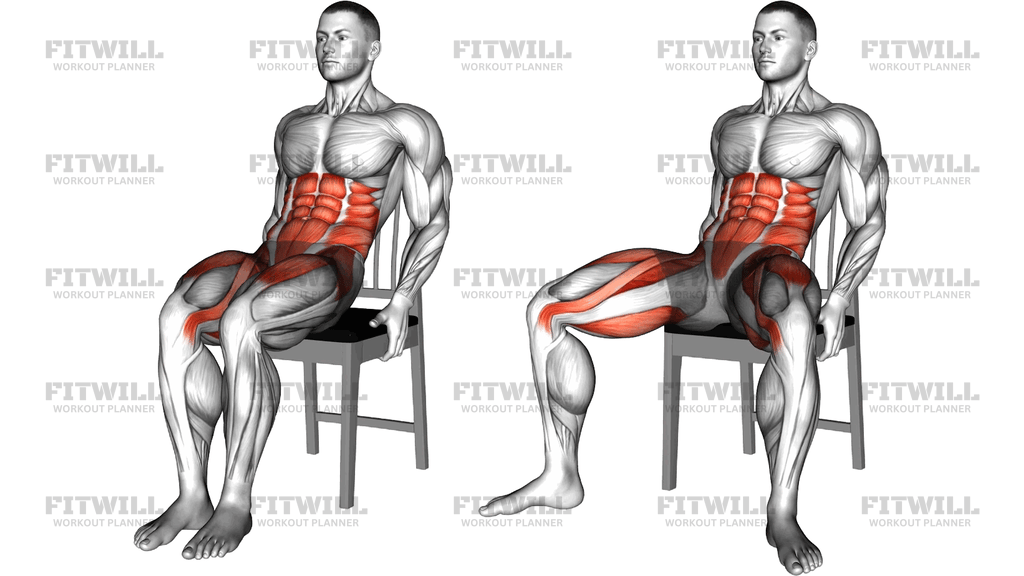
The Seated Lean Back Open And Close On A Chair is a simple body weight drill where you sit on a sturdy chair, lean your torso back slightly, and repeatedly open your knees out wide before closing them back together under control. Because your feet stay planted and your upper body stays leaned back, your hips have to do all the work of moving the knees in and out, while your abdominals hold your torso steady the whole time. It is one of the easiest ways to wake up the muscles around the hips without any equipment beyond a chair.
This movement is especially useful for people who sit for long stretches during the day. Long sitting tends to leave the outer hips and inner thighs sluggish and the deep abdominal muscles inactive, and this exercise addresses both in one go. It is also a gentle option for beginners, older adults, or anyone returning from a layoff who wants to rebuild hip mobility and control before moving on to floor-based core or hip work.
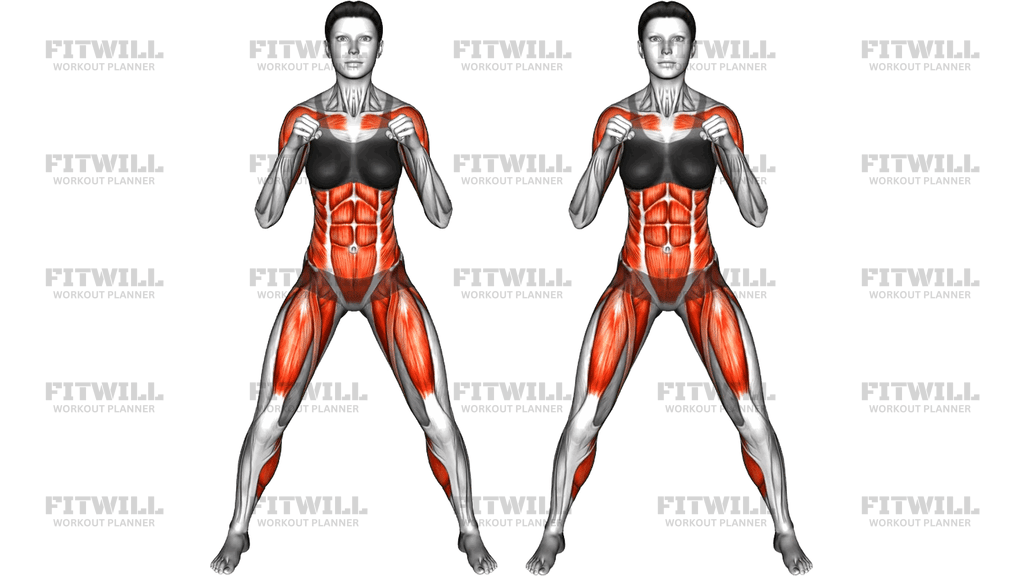
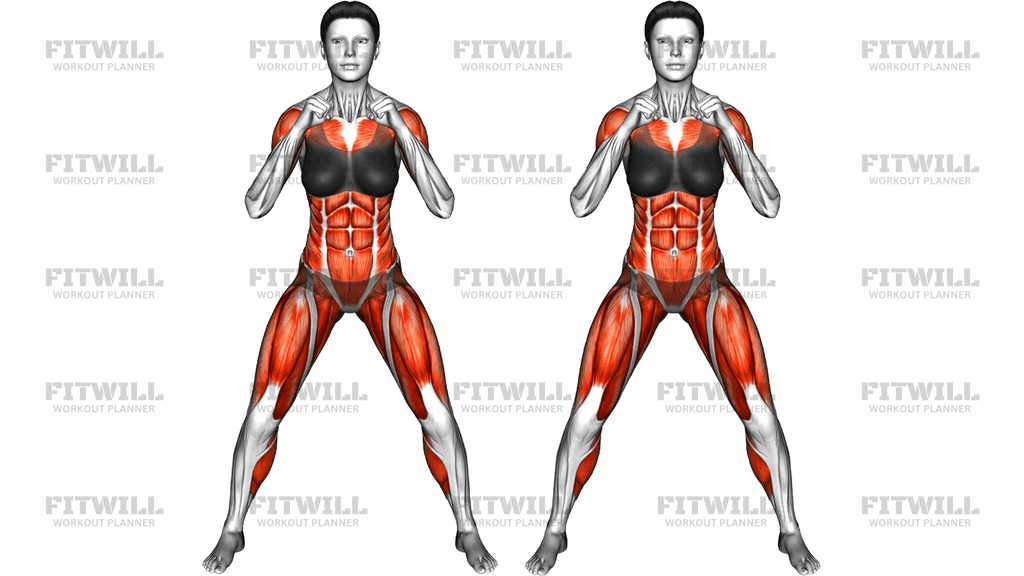
The primary work comes from the muscles that move the thighs sideways: the outer hip muscles control the knees as they open, and the inner thigh muscles draw the knees back together. At the same time, the leaned-back torso position forces the abs, especially the deep core, to brace continuously so your low back does not slump or arch. That combination of hip movement plus constant trunk stabilization is what makes this more than just a leg swing.
Setup matters more than it looks. A stable chair without wheels, sitting tall at the front edge with your feet flat, and a genuine lean back rather than a slouch all change how the exercise feels. If you slouch instead of hinging back with a tall chest, the load shifts away from the abs and into your spine, and the hip action becomes sloppy.
To execute it well, move the knees smoothly through the full open and close range without letting the feet peel off the floor or the torso rock side to side. The temptation is to rush, but the value of this drill lives in the controlled tempo and the steady bracing of the midsection. Two to three sets of ten to fifteen slow repetitions per side of the cycle is a realistic starting dose.
You can use this exercise as a warm-up before lower body training, as a movement break during a workday, or as part of a seated routine for limited-mobility trainees. Keep the range comfortable and pain-free, and if a chair feels unstable, place it against a wall for extra security before you begin.
[ Workout Log & Planner ]
Put your next workout in Fitwill
Keep your plan and training log ready when you are.


Instructions
- Sit on a sturdy, non-wheeled chair and slide forward so you are perched on the front edge rather than resting against the backrest.
- Place your feet flat on the floor about hip-width apart with your knees bent to roughly 90 degrees, and let your arms hang loosely or rest lightly on the seat beside your hips.
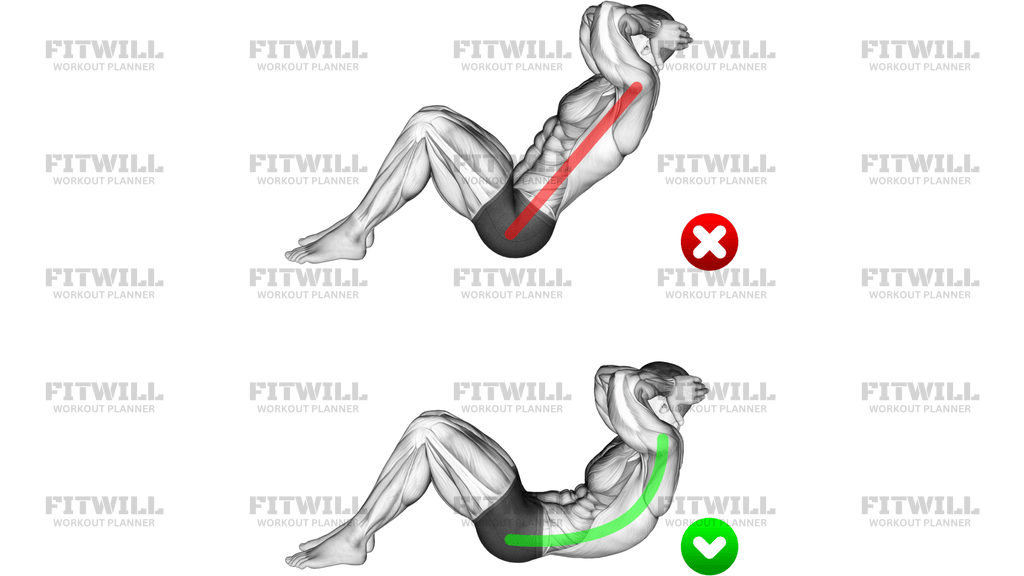
- Lean your torso back as a unit from the hips, keeping your chest tall and your spine long, until you feel your abdominals engage; do not round or slump into the backrest.
- Brace your abdominals lightly as if bracing for a gentle push, and keep this tension constant for the entire set.
- Open your knees out to the sides as far as feels comfortable, letting the movement come from the hips while your feet stay flat and in place.
- Pause briefly at the widest point, then squeeze your inner thighs to bring your knees back together until they touch or come close.
- Continue opening and closing at a slow, even tempo, aiming for two to three seconds in each direction.
- Breathe steadily throughout, inhaling as the knees open and exhaling as they close, without holding your breath.
- Complete your target repetitions, then sit upright, rest, and reset your lean-back position before starting the next set.
Tips & Tricks
- The most common mistake is slouching instead of hinging back from the hips. If you catch yourself sinking into a rounded posture, sit up, re-lengthen your spine, and lean back again before continuing.
- Watch your feet. As the knees open, the arches often collapse inward or the heels lift; keep the whole foot planted to keep the work in the hips.
- If your torso twists toward the closing knee, you are letting momentum help. Slow the tempo down and imagine your shoulders staying level like headlights pointing straight ahead.
- Do not force the knees wide. A comfortable, smooth range builds hip control better than pushing into a stiff end range, especially if the hips feel tight from sitting.
- Perch further forward on the chair if the movement feels too easy or cramped. More of your thigh off the seat gives the knees room to open fully.
- If the leaned-back position bothers your low back, reduce how far you lean and focus on bracing the abs harder rather than leaning further.
- Place the chair against a wall if it slides or wobbles. A shifting chair steals stability from your hips and makes the core work uneven.
- Treat this as a control exercise, not a burner. If you finish a set exhausted, you were likely moving too fast or bracing too hard rather than moving the hips cleanly.
Frequently Asked Questions
What muscles does the Seated Lean Back Open And Close On A Chair work?
The main work comes from the outer hip muscles as the knees open and the inner thigh muscles as they close. Because the torso is leaned back, the abdominals, especially the deep core, work continuously to hold your posture steady.
Is the Seated Lean Back Open And Close On A Chair suitable for complete beginners?
Yes, it is one of the most beginner-friendly hip and core drills because the chair supports your weight and the resistance is just your own legs. Start with a smaller range and a smaller backward lean, then expand both as control improves.
Why do I need to lean back instead of sitting upright?
The leaned-back torso shifts your weight behind the hips and forces the abdominals to brace to keep you from slumping, which turns a simple knee movement into a combined hip and core exercise. Sitting upright removes most of the trunk demand.
How many repetitions should I do?
Two to three sets of ten to fifteen slow open-and-close cycles is a solid starting point. Since the goal is control rather than fatigue, prioritize smooth tempo over high reps.
My feet slide around as my knees open. What should I change?
Deliberately press the whole foot into the floor and think of pushing the floor away slightly with each foot. If sliding continues, try the exercise barefoot or on a surface with more grip.
Can I do the Seated Lean Back Open And Close On A Chair every day?
Yes, this is a low-load movement, and many people use it as a daily movement break from sitting. If you notice soreness in the hips or low back, take a day off and reduce the range when you return.
What can I use if I do not have a suitable chair?
Any stable, armless seat such as a bench or the edge of a sturdy bed works, as long as your feet can rest flat on the floor. Avoid chairs with wheels or anything that tips when you shift your weight.
Should my knees touch at the end of each close?
Bringing them close together is enough; a light touch is fine but not required. What matters is that you finish each close with a deliberate squeeze from the inner thighs rather than letting the legs fall inward.
Is it safe if I have hip or lower back issues?
The movement is gentle, but any pre-existing hip or back condition deserves clearance from a qualified professional first. If cleared, start with a shallow lean and a narrow opening range, and stop if you feel sharp pain rather than muscular effort.