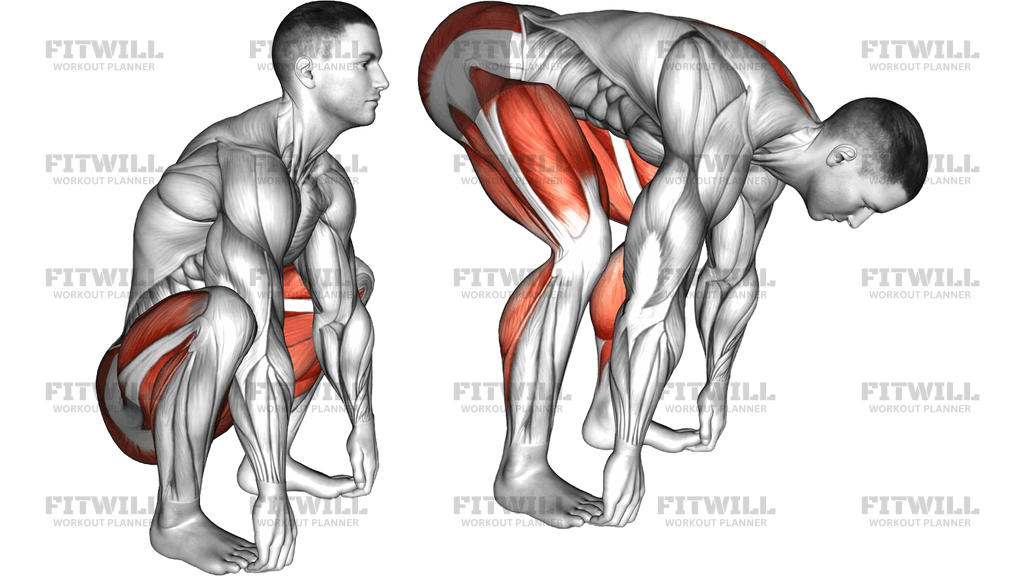
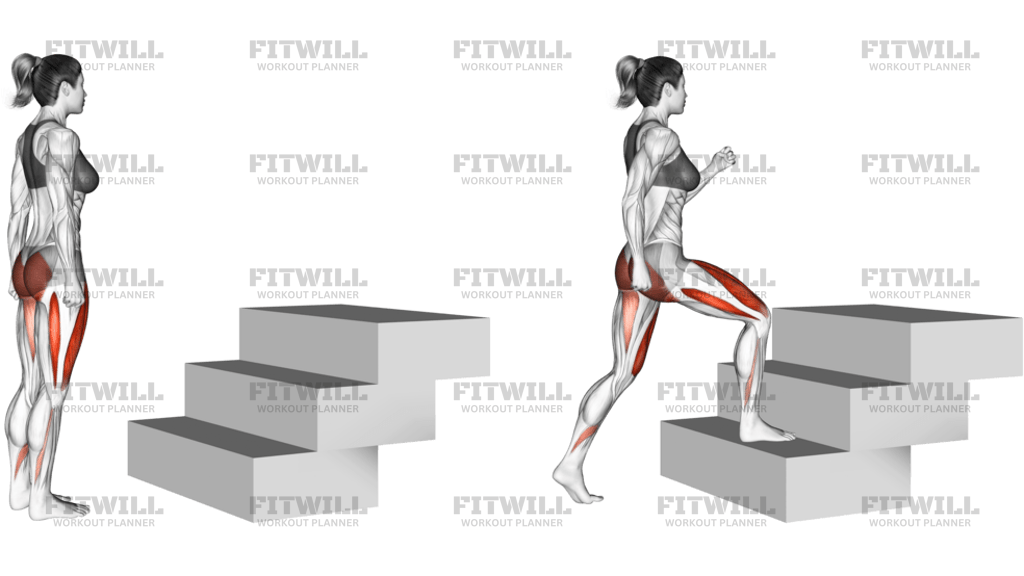
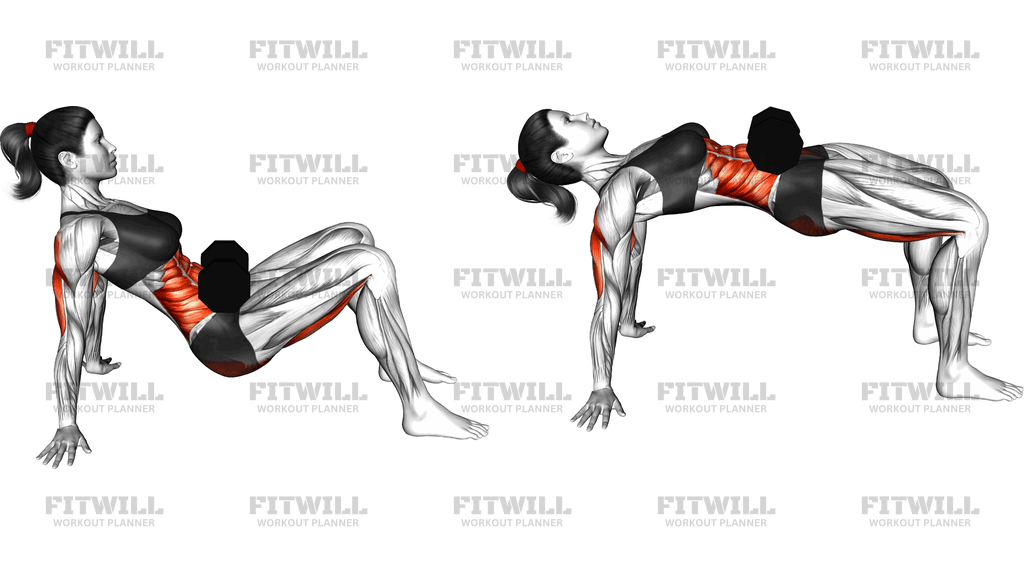
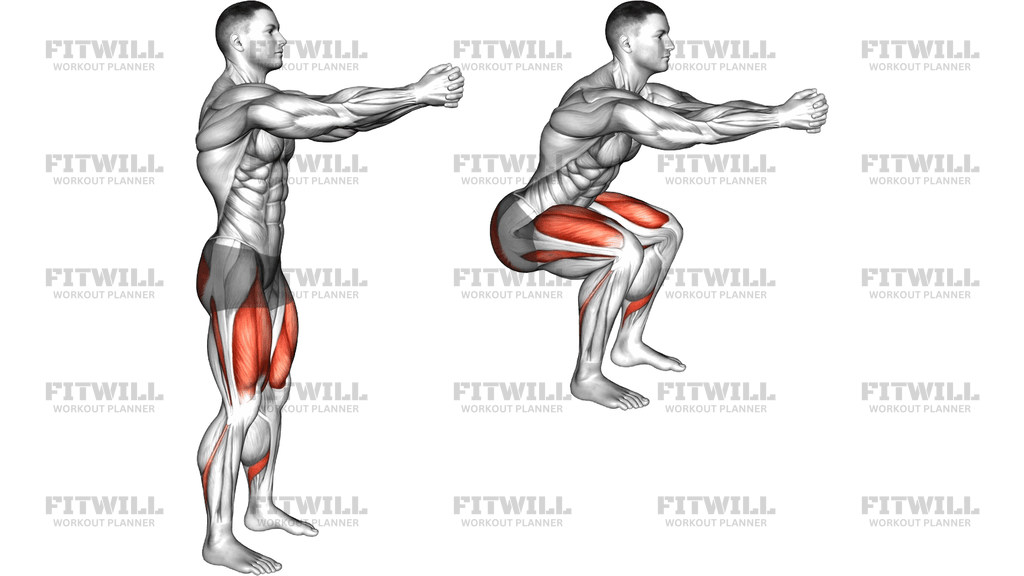
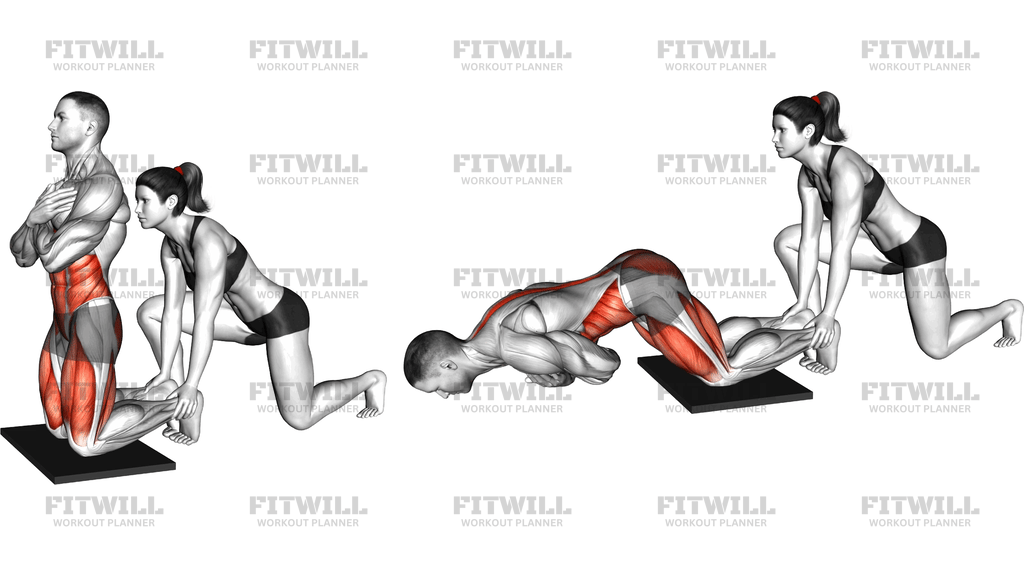
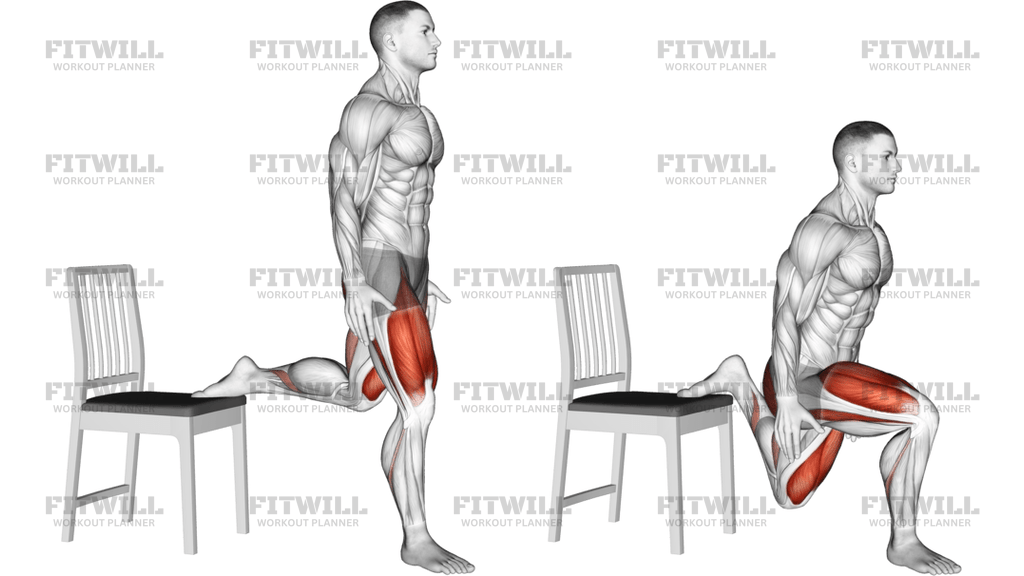
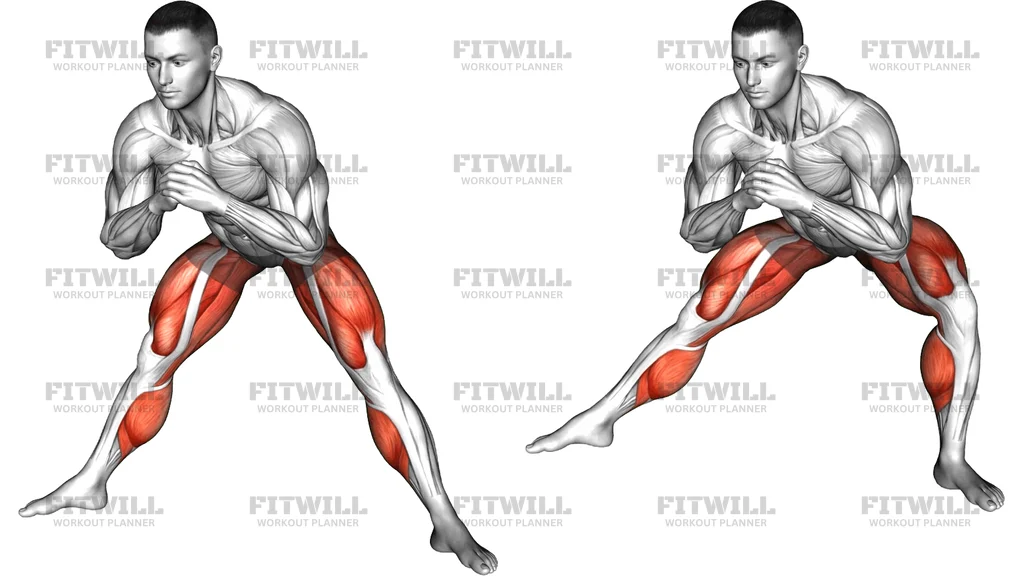
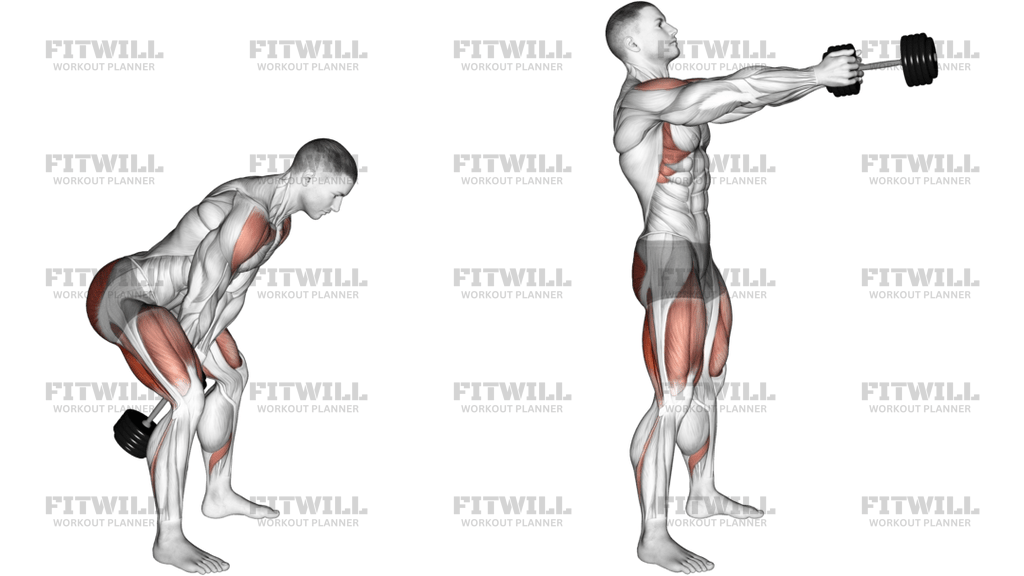
Seated Hamstring Kick Out
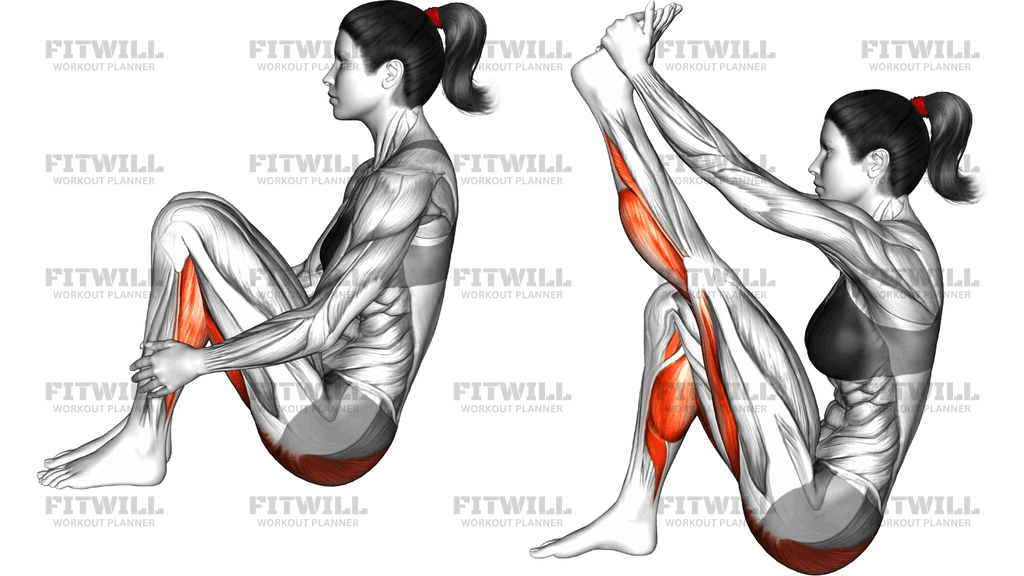
The Seated Hamstring Kick Out is a bodyweight movement performed on the floor. You sit with one knee bent and the foot planted, support the working leg with your hands, then extend that leg out until the knee is completely straight. The namesake muscle works hard here in an unusual way: because the hip stays flexed, the hamstrings are lengthened across the hip while the quads drive the knee into full extension, creating a strong lengthening demand on the hamstring group that few other simple exercises replicate.
This movement is especially useful for people who feel tight or restricted at the back of the thigh, and for anyone whose knees never quite reach full, locked-out extension during squats, deadlifts, or cycling. It is a staple in rehab-style training and warm-up routines because it trains active control at end range rather than passive flexibility. Desk workers with chronically shortened hamstrings and lifters who want smoother knee extension both benefit from doing it regularly.
The setup matters more than it looks. Sitting tall with the bent knee supporting you keeps the pelvis neutral, and that neutral pelvis is what allows the hamstring to be genuinely challenged as the leg straightens. If you slump backward or round the lower back, the tension leaks out of the back of the thigh and the movement turns into a shallow, ineffective leg swing. Holding the bent leg or the floor beside your hips gives you just enough leverage to keep the torso upright without straining.
Execution is simple but demanding. From the seated position, pull the working knee toward your chest, then extend the lower leg out until the heel drives away from you and the toes pull back toward the shin. The end position should feel like a strong stretch along the entire back of the thigh, from just under the glute down to behind the knee. Return the heel under control rather than letting the knee snap back into flexion.
Because no equipment is required beyond a comfortable floor surface, this exercise fits easily into warm-ups, cool-downs, hotel-room sessions, or between sets of heavier lower-body work. Two to three sets of slow, deliberate repetitions per leg is plenty, since the goal is quality of extension and range, not fatigue.
A few safety points are worth keeping in mind. Move into the extended position gradually, especially if the back of your thigh feels sharp or pinchy rather than stretched. Keep the movement to the leg itself; the torso should stay tall and quiet, and the lower back should not be forced into a deep round to chase extra range. Mild stretching discomfort is normal, but pain behind the knee is a signal to shorten the range.
Fitwill
Log Workouts, Track Progress & Build Strength.
Achieve more with Fitwill: explore over 9600 exercises with images and videos, access built-in and custom workouts, perfect for both gym and home sessions, and see real results.
Start your journey. Download today!




Instructions
- Sit on the floor or an exercise mat with your torso upright and your weight balanced over your sitting bones.
- Bend one knee and place that foot flat on the floor, close to your hips, so it acts as your support leg.
- Wrap both hands around the back of the working thigh, just above the knee, or place your palms on the floor beside your hips for balance.
- Draw the working knee in toward your chest to set the starting position, keeping your back tall rather than rounded.
- Brace your midsection lightly and keep your shoulders relaxed and down.
- Kick the lower leg out by straightening the knee until the leg is fully extended and the heel is driving away from you, toes pulled back toward the shin.
- Hold the fully extended position for a beat, feeling the stretch along the back of the thigh from glute to knee.
- Bend the knee and draw the heel back in under control, resisting the urge to let the leg drop quickly.
- Exhale as you kick the leg out, inhale as you return it in.
- Complete your repetitions on one leg, then reset your posture and switch to the other side.
Tips & Tricks
- If you cannot reach the thigh with your hands, hold under the knee rather than yanking the leg up with your arms; the hands are for support, not for forcing range.
- A common mistake is leaning the torso back as the leg extends, which turns the drill into a hip-hinge movement and unloads the hamstring. Stay tall and let the knee do the work.
- Pointing the toes is the most frequent form error in this exercise. Pull the toes back toward the shin to intensify the stretch along the whole back of the thigh.
- If the hamstring feels fine but you feel a pinch at the front of the hip, reduce how deeply the knee is drawn toward the chest at the start.
- Do not chase a locked knee by slamming into extension. Straighten to the point of a firm stretch and pause there instead of bouncing.
- Keep the support foot planted and active. Letting that foot drift out to the side tilts the pelvis and rotates the stretch away from the target.
- If the floor is hard on your sitting bones, sit on a folded mat or towel; comfort in the setup keeps you from fidgeting out of position mid-set.
- Slower is better here. A two-second kick out and a two-second return will do more than twenty quick swings.
- If one side is noticeably tighter, start with that side and match the range of the tighter leg on both sides rather than working each leg to its own limit.
Frequently Asked Questions
What muscles does the Seated Hamstring Kick Out work?
The hamstrings are the main focus, working while lengthened across the flexed hip. The quads straighten the knee, and the glutes and hip stabilizers help hold your seated position.
Is the Seated Hamstring Kick Out a strength exercise or a stretch?
It functions as both. Actively straightening the knee against the lengthened hamstring builds control in the end range, which many coaches consider more useful than passive stretching alone.
Can beginners do the Seated Hamstring Kick Out?
Yes, it is very beginner friendly because it uses body weight only and the range is entirely self-determined. A beginner can simply extend the knee partway and progress to a full, straight leg over time.
Why do I feel the stretch more when I pull my toes back?
Dorsiflexing the ankle adds tension through the fascia and nerve pathways that run down the back of the leg, which deepens the sensation behind the thigh and calf. If it becomes too intense, keep the foot neutral.
My lower back rounds when I kick the leg out. Is that a problem?
Some rounding usually means you are forcing past your current hamstring range. Reduce how far the knee comes toward your chest at the start, and keep your chest lifted so the movement happens at the knee, not the spine.
How is this different from a seated forward fold stretch?
A forward fold stretches the hamstring by rounding the torso over a fixed leg, while the Seated Hamstring Kick Out keeps the torso upright and moves the leg instead. That makes it easier to control and safer for anyone with a cranky lower back.
What can I use as a substitute if sitting on the floor is uncomfortable?
Sit on a sturdy bench or the edge of a chair with one foot planted, hold under the working thigh, and perform the same kick-out. The mechanics of the knee extension stay identical.
How many reps and sets of the Seated Hamstring Kick Out should I do?
Two to three sets of eight to twelve slow repetitions per leg works well, either as a warm-up before lower-body training or as a standalone drill. Pause one to two seconds at full extension on each rep.
Should I feel anything behind my knee during this exercise?
A mild pulling sensation near the back of the knee is common because the hamstrings and calf muscles attach there, but sharp or pinching pain is not. If that happens, bend the knee slightly or reduce the ankle flexion.
When is the best time to use the Seated Hamstring Kick Out?
It slots well into a warm-up before squats, deadlifts, or running, and it also works as a standalone mobility drill on rest days. Because it is low load, it can be done frequently without interfering with recovery.