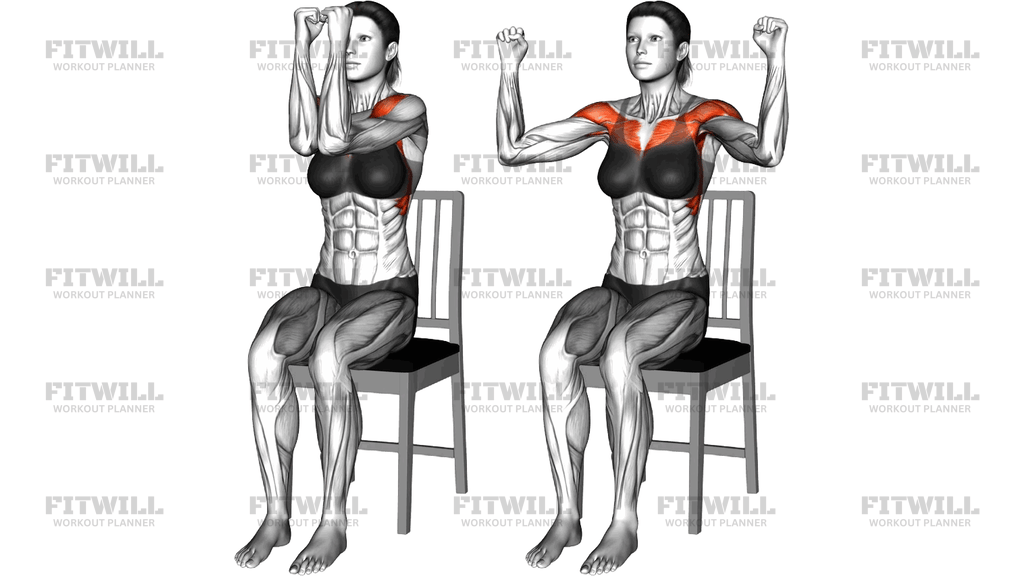
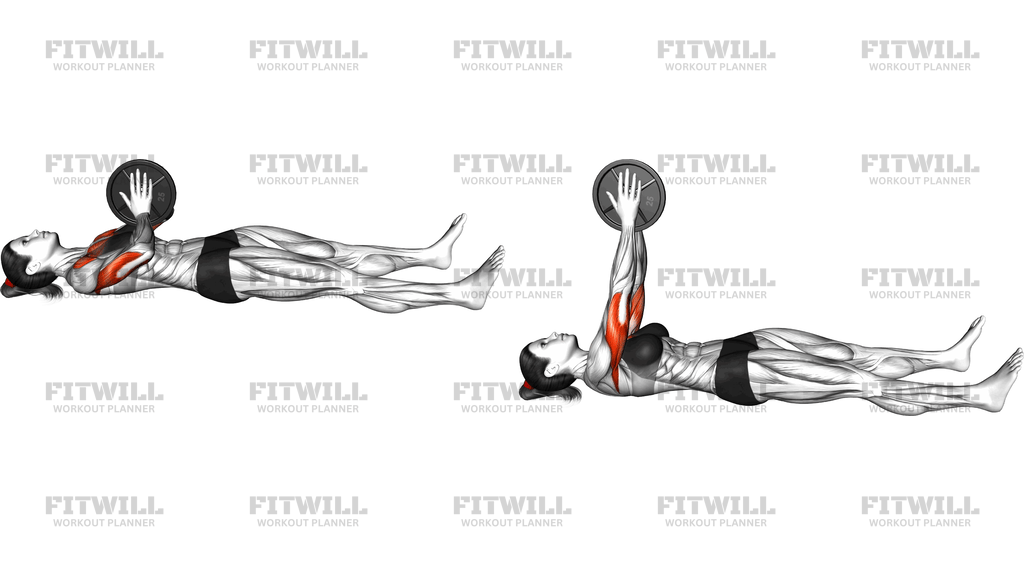
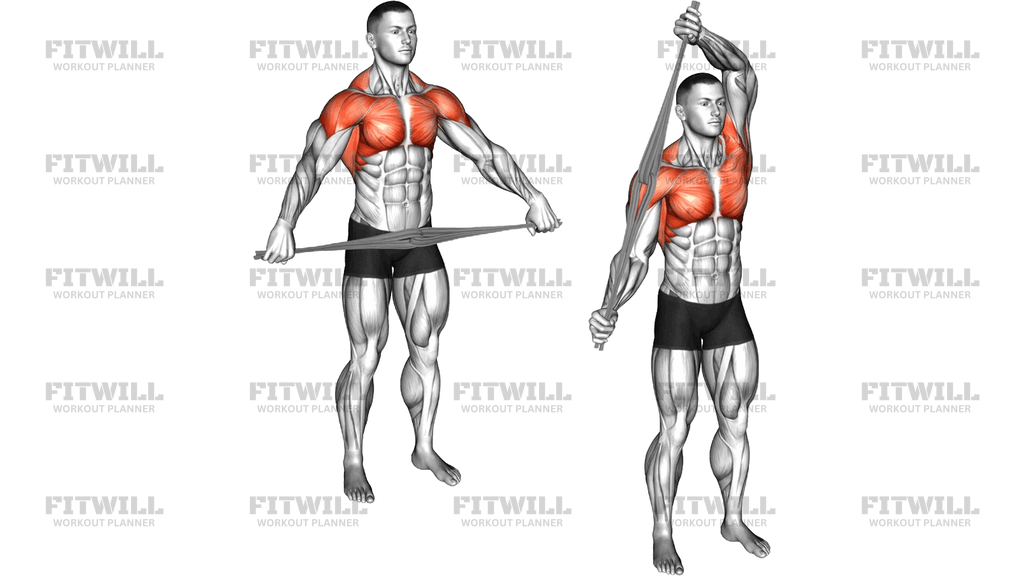
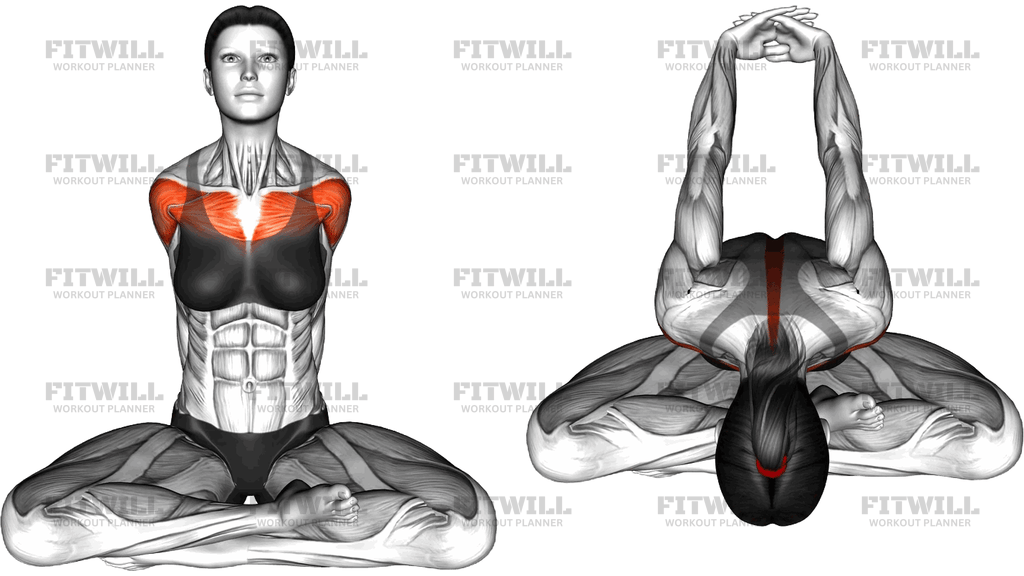
Seated Jack With A Towel On A Padded Stool
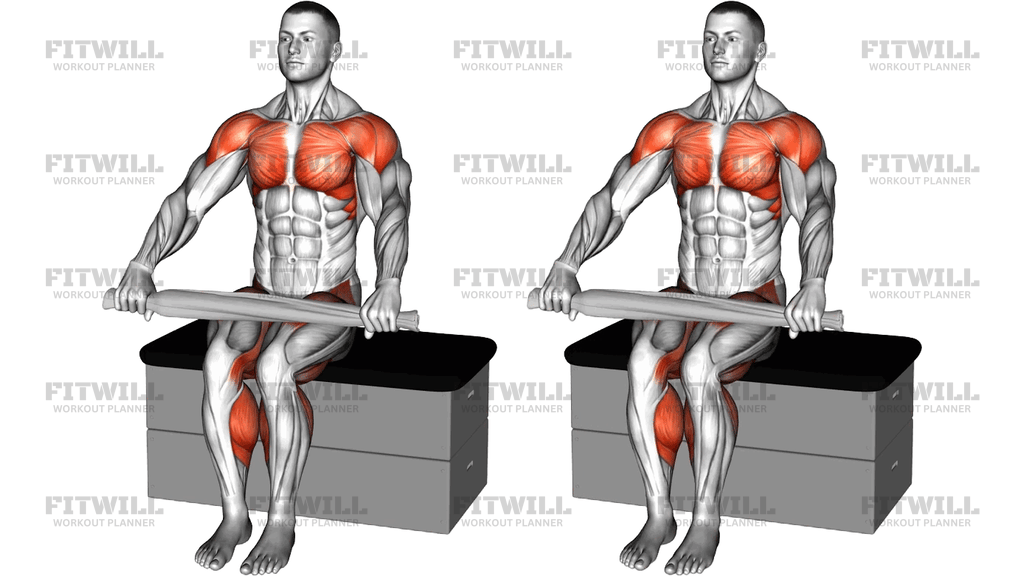
The Seated Jack With A Towel On A Padded Stool is an isometric chest exercise that turns an ordinary towel into a piece of resistance equipment. You sit upright on a padded stool with your feet flat on the floor, hold a towel taut between both hands with your arms extended down in front of your thighs, and pull your hands forcefully outward against the towel's tension. Because the towel cannot actually stretch, your chest muscles contract hard against an immovable resistance, which is the defining feature of isometric training.
This movement is especially useful when you have no dumbbells, cables, or machines available, or when you want to load the chest without stressing the elbow and shoulder joints through a full arc. Travelers, home trainees, and people rehabilitating around joint irritation often gravitate toward towel isometrics for exactly this reason. It also works well as a finishing contraction at the end of a chest session, or as a teaching tool to help you learn what a hard pec squeeze actually feels like before moving to flyes and presses.
The setup matters more than it looks. Sitting down removes momentum and leg drive from the equation, so the only thing that can produce force is your upper body. The stool should be high enough that your knees bend comfortably and your feet stay planted; this grounded position is also why the calves and lower legs stay engaged, as you press gently through the balls of your feet to stabilize your torso. Keep the towel at the length that lets your arms hang nearly straight with a slight elbow bend, gripping it a little wider than shoulder width.
To execute it well, pull your hands apart as if you were trying to tear the towel in two, and hold that maximal effort for five to fifteen seconds while breathing steadily. You should feel the chest and front shoulders light up within a couple of seconds if the tension is real. Common use cases include hotel-room workouts, warm-up activation, and low-equipment strength maintenance, but the same rules apply everywhere: create genuine tension rather than just holding the towel loosely and going through the motions.
From a safety standpoint, isometric work raises blood pressure more than dynamic lifting when you hold your breath, so exhale continuously through each effort. Avoid this exercise if you have an active chest, shoulder, or elbow injury without clearance, and never jerk into the pull. Build the tension over one to two seconds, hold, then release deliberately.
[ Workout Log & Planner ]
Put your next workout in Fitwill
Keep your plan and training log ready when you are.


Instructions
- Place a padded stool on a non-slip surface and sit on it with your sit bones supported, knees bent roughly 90 degrees, and both feet flat on the floor about hip width apart.
- Take a towel and hold one end in each hand with an overhand grip, hands slightly wider than shoulder width, letting the towel hang in front of your thighs.
- Sit tall with your ribcage lifted, shoulders pulled back and down, and press your feet gently into the floor so your lower legs stay active throughout the set.
- Extend your arms down in front of you with a soft, almost-straight elbow bend, and pre-tighten the towel so there is no slack between your hands.
- Brace your core and, over one to two seconds, pull your hands outward and slightly away from each other as hard as you can, as if trying to rip the towel lengthwise, while keeping your arms locked in position.
- Hold the peak tension for five to fifteen seconds, keeping your chest proud and your wrists neutral so the forearms do not take over the contraction.
- Breathe continuously during the hold, exhaling slowly rather than holding your breath or straining.
- Release the outward pull over two to three seconds, letting the tension drain out of the towel without letting your shoulders round forward.
- Reset your posture, re-tighten the towel, and repeat for the desired number of holds, typically three to five per set.
Tips & Tricks
- If you feel the effort mostly in your biceps and forearms, your elbows are probably bending to cheat the tension; lock the arm angle and let the chest do the pulling apart.
- Shrugging your shoulders toward your ears is the most common fault here; consciously pull your shoulder blades down and back before each hold so the front delts and pecs stay in the driver's seat.
- A thin, slightly rough gym towel grips your hands better than a slick or freshly washed soft one, which tends to slip through sweaty palms at high tension.
- Sliding forward off the front edge of the stool shifts the work toward the hip flexors and lower back; scoot back until your full seat is supported and your weight stays centered.
- Do not let the towel sag mid-hold. If the visible slack returns, the contraction has dropped; re-tighten your grip before the next rep instead of fighting a loose towel.
- Vary the arm height slightly between sets, thighs to lower abdomen, to bias different fibers of the chest while keeping the same outward pull.
- Keep your ankles active by pressing the balls of your feet down lightly; letting the legs go completely limp makes it harder to brace the torso against the pull.
- Progress by lengthening the hold toward fifteen to twenty seconds or adding a set, not by yanking harder with a jerky start, which strains the shoulder caps.
Frequently Asked Questions
What muscles does the Seated Jack With A Towel On A Padded Stool work?
The chest is the primary muscle, with the front shoulders assisting the outward pull. The forearms and grip work to hold the towel, and the calves stay lightly engaged as you press your feet into the floor for stability.
Is this exercise effective even though the towel never actually moves?
Yes. Because the towel resists stretching, your chest contracts against a fixed resistance, which is the basis of isometric training. The effort you generate, not the distance moved, is what drives the training effect.
How wide should my grip be on the towel?
Start with your hands slightly wider than shoulder width so your arms can sit almost straight in front of your thighs. A narrower grip shortens the towel's slack and makes the pull feel different, so keep the width consistent between sets.
Can beginners do the Seated Jack With A Towel On A Padded Stool?
Yes, and the seated position actually makes it beginner friendly because there is no balance demand and no external weight. Beginners should start with shorter holds of around five seconds and moderate effort before building to maximal pulls.
Why do I feel this more in my arms than my chest?
This usually means your elbows are bending or your shoulders are shrugging, both of which shift load away from the pecs. Lock your arm angle, depress your shoulder blades, and focus on pulling your hands apart rather than pulling them toward your body.
What can I use if I do not have a towel?
Any strong, non-elastic strap or band works the same way; a resistance band held taut adds a small dynamic element but keeps the same chest-focused pull. Avoid a towel with holes or frayed edges that could tear mid-hold.
How long should I hold each repetition?
Five to fifteen seconds per hold works well for most people, with three to five holds per set. If you cannot maintain full tension for the entire hold, shorten the duration rather than letting the contraction fade halfway through.
Should I hold my breath during the pull?
No. Continuous, slow breathing keeps blood pressure spikes in check during maximal isometric efforts. Exhale steadily through the hold instead of bracing and straining with a closed airway.
Is the Seated Jack With A Towel safe for people with shoulder problems?
Isometric work is often tolerated when dynamic pressing is not, but tolerance varies by individual. Use a moderate effort level rather than a maximal pull, and stop immediately if the exercise reproduces pain rather than normal muscle effort.
Where does this exercise fit in a workout?
It works well as a warm-up activation before presses or flyes, or as a final chest contraction when you have no equipment left. Because it is low load on the joints, it can also serve as a maintenance option during travel weeks.