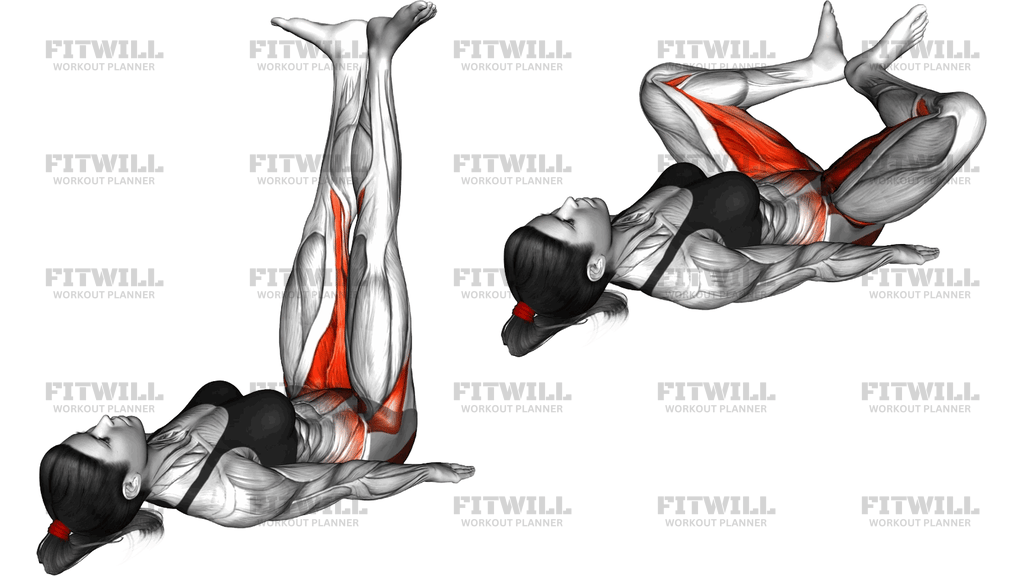
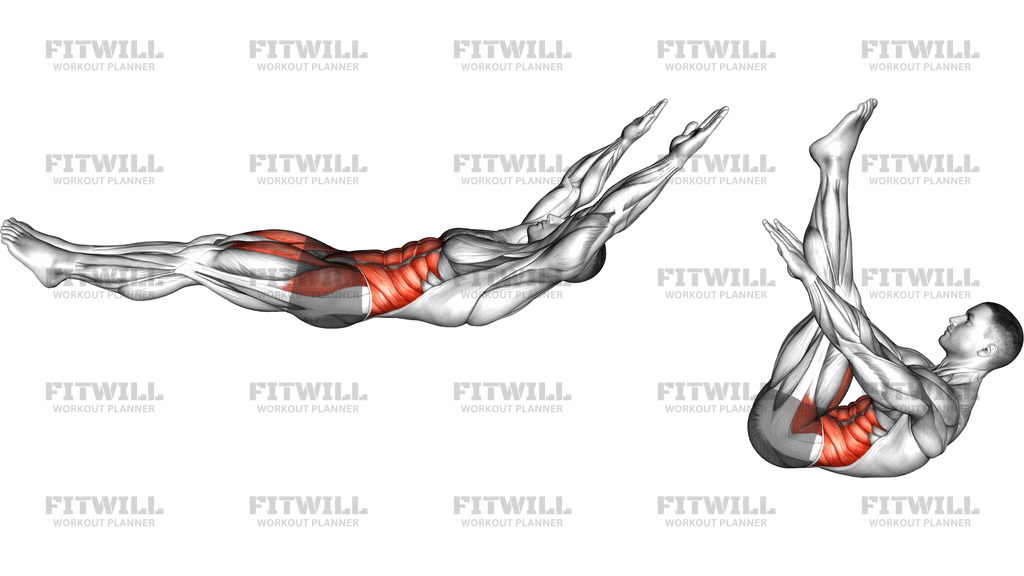
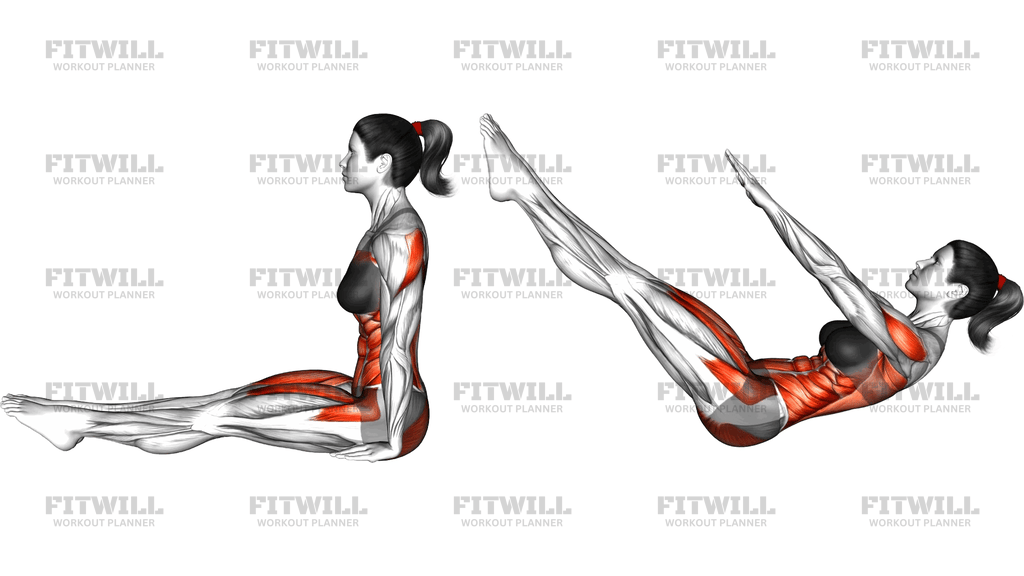
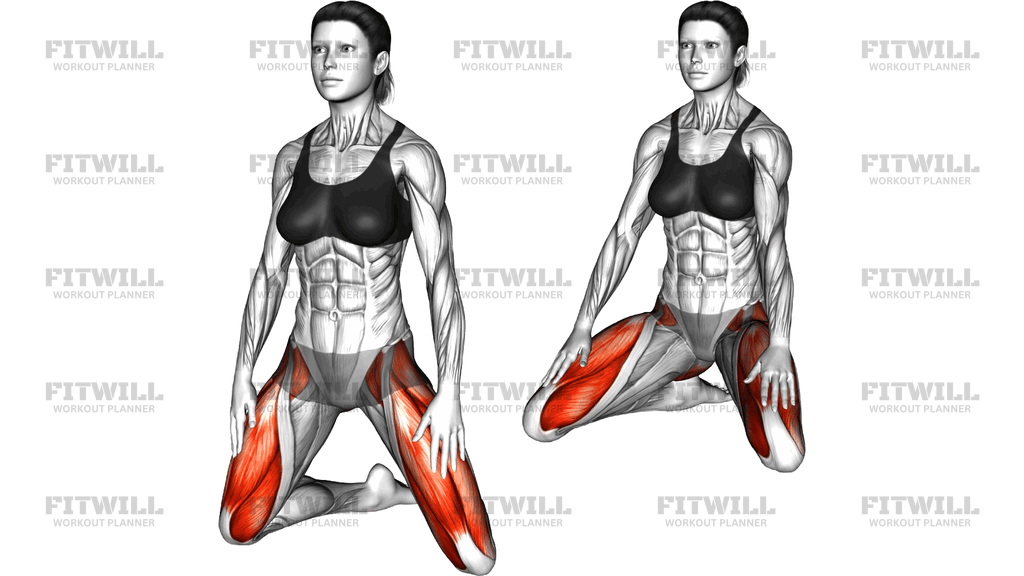
Lying Sole To Sole Groin Stretch
The Lying Sole To Sole Groin Stretch is a supple, low-load mobility drill performed on your back with the soles of your feet pressed together and your knees allowed to fall open toward the floor. Because you are lying down rather than folded forward, your lower back stays supported and the stretch concentrates almost entirely in the inner thighs and groin. The highlighted musculature in the movement targets the adductor group along the inner thigh, with supporting input around the hip joint itself.
This position is one of the most practical ways to improve adductor flexibility because gravity does part of the work and you can fine-tune the intensity with your own hands. By drawing the feet slightly closer to the body you shorten the leverage and deepen the groin stretch; sliding them away makes it milder. That adjustability makes the stretch useful for a wide range of people, from desk workers with tight hips to lifters who squat wide, martial artists working on hip mobility, and runners whose adductors get overworked from repetitive stride mechanics.
The setup matters more than it might seem. Lying on a mat with your head, shoulders, and pelvis fully supported keeps your spine neutral, which prevents you from cheating the stretch by tucking or arching the pelvis. When the pelvis is stable, the knees can only travel toward the floor by lengthening the inner thigh muscles, so every degree of knee drop comes from the tissue you actually want to target.
To perform it well, lie back, bend your knees, and bring the soles of your feet together so they touch evenly from heel to toe. Let your knees drift apart naturally, then take hold of your feet or ankles with both hands. Relax your hips and breathe slowly, allowing the knees to sink a little further on each exhale. Never press down on the knees forcefully; the stretch should come from steady, patient gravity, not from pushing.
Hold each rep for twenty to forty seconds, rest briefly, and repeat two to three rounds. The Lying Sole To Sole Groin Stretch fits neatly at the end of a lower-body workout, inside a yoga or mobility session, or as a standalone reset after long periods of sitting. If your groin feels sharp, pinched, or painful rather than pleasantly stretched, ease off immediately and reduce how close your feet are to your hips.
A useful detail: keep your arms relaxed rather than hauling your feet toward your chest. Your hands are there to steady the position and gently guide the range, while the actual stretch should be driven by the slow release of the inner thighs. Done this way, the stretch is safe to use frequently, even daily, and the gains in hip comfort usually show up within a few weeks of consistent practice.
[ Workout Log & Planner ]
Put your next workout in Fitwill
Keep your plan and training log ready when you are.


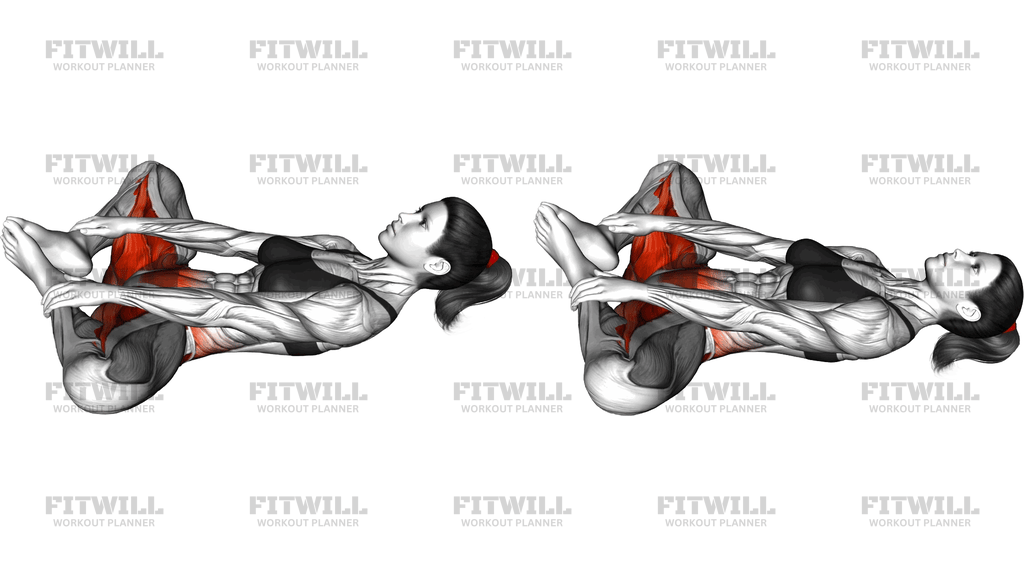
Instructions
- Lie flat on your back on an exercise mat with your head, shoulders, and pelvis resting fully on the floor.
- Bend both knees, then bring the soles of your feet together so they touch evenly from heel to toe.
- Let your knees fall open toward the floor, positioning your feet at a distance from your hips that gives a mild inner-thigh stretch.
- Reach both hands to hold the tops of your feet or your ankles, keeping your elbows relaxed and shoulders down away from your ears.
- Brace lightly through the trunk to keep your lower back flat against the mat, and keep your pelvis neutral rather than tucked.
- Exhale slowly and let gravity draw the knees toward the floor, stopping where you feel a steady stretch through the groin and inner thighs.
- Hold the end position for 20 to 40 seconds, breathing calmly and letting the knees sink slightly further with each exhale.
- To come out, gently guide your knees back together with your hands before releasing your feet.
- Extend both legs along the mat for a moment to reset, then repeat for 2 to 3 rounds if desired.
Tips & Tricks
- Keep your feet far enough from your hips that the stretch stays in the groin; pulling the heels too close can turn it into a sharper, less comfortable pull near the pelvis.
- Do not press down on your knees with your hands or elbows. Let gravity supply the force and use your grip only to hold the soles together and guide the range.
- If your lower back lifts off the mat, your feet are likely too close to your body. Slide them a few inches away until your pelvis settles flat.
- Keep the soles pressed evenly together. Allowing one foot to slide higher than the other stretches one side harder and twists the pelvis.
- Relax your shoulders and arms. Tension in the upper body tends to creep into the hips and stops the adductors from letting go.
- Match the intensity to your breath. If you cannot breathe slowly and evenly for the full hold, you have gone too deep too soon.
- Warm hips stretch better. Do this after training or a short walk rather than as the very first movement of a cold morning.
- Squeeze your knees gently toward each other for a few seconds, then release and let them fall open again. This contract-relax rhythm often gains a little extra range safely.
- If lying flat bothers your back, place a thin cushion under your head or hips while keeping the soles-to-soles position unchanged.
Frequently Asked Questions
Which muscles does the Lying Sole To Sole Groin Stretch target?
The main targets are the adductor muscles along the inner thigh, which the movement highlights directly. The muscles around the hip joint assist and receive secondary benefit as the knees drop toward the floor.
Why perform this stretch lying down instead of seated?
Lying on your back supports the spine and pelvis, so you cannot round forward or arch to fake range. This keeps the stretch isolated in the inner thighs instead of loading the lower back.
How close should my heels be to my hips in the Lying Sole To Sole Groin Stretch?
Start with the feet roughly a comfortable hand-span away from your hips. Sliding the heels closer deepens the stretch, while sliding them further away makes it gentler.
How long should I hold the stretch?
Hold for 20 to 40 seconds per round and repeat 2 to 3 times. For flexibility gains, longer relaxed holds with slow breathing work better than short, forceful pulls.
Is it okay to press my knees down with my hands?
No. Pressing on the knees can strain the inner thigh or hip joint. Let gravity lower the knees and use your hands only to hold the soles together and guide the movement.
Can beginners do the Lying Sole To Sole Groin Stretch?
Yes, it is one of the most beginner-friendly groin stretches because the floor supports the body and the intensity is easy to adjust. Beginners should keep the feet farther from the hips and hold a mild, comfortable stretch.
What should I do if I feel pinching at the front of my hips?
Slide your feet slightly away from your body and reduce how far the knees drop. If the pinching persists, stop the stretch and use a gentler standing or supine hip variation instead.
When is the best time to use this stretch?
It works best after lower-body training, running, or a mobility session when the muscles are warm. Using it as a cool-down helps the inner thighs relax into the position.
Can I substitute another exercise for the Lying Sole To Sole Groin Stretch?
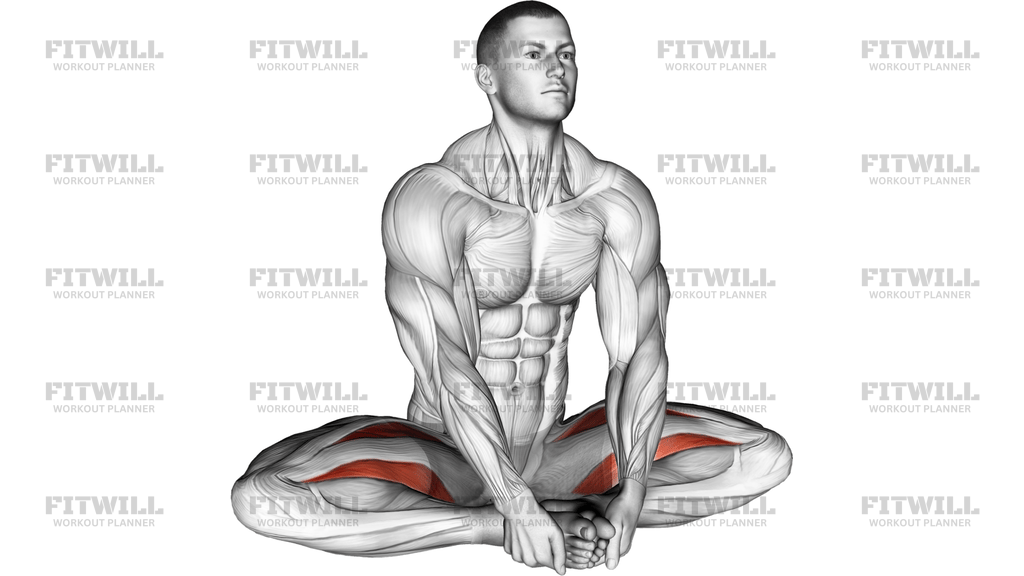
A seated butterfly stretch targets the same adductors, though it demands more from the spine and hips to stay upright. The lying version is the better choice if your lower back gets irritated when seated.
How often should I perform this stretch?
Because it is a gentle, unloaded stretch, it can be done most days of the week. Consistency with mild holds produces better flexibility results than occasional long, aggressive sessions.