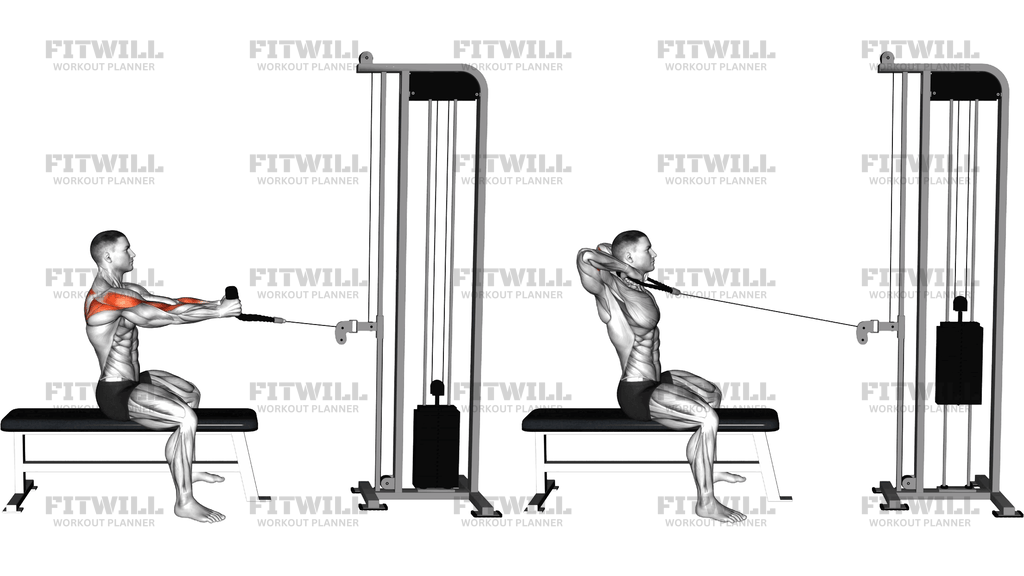
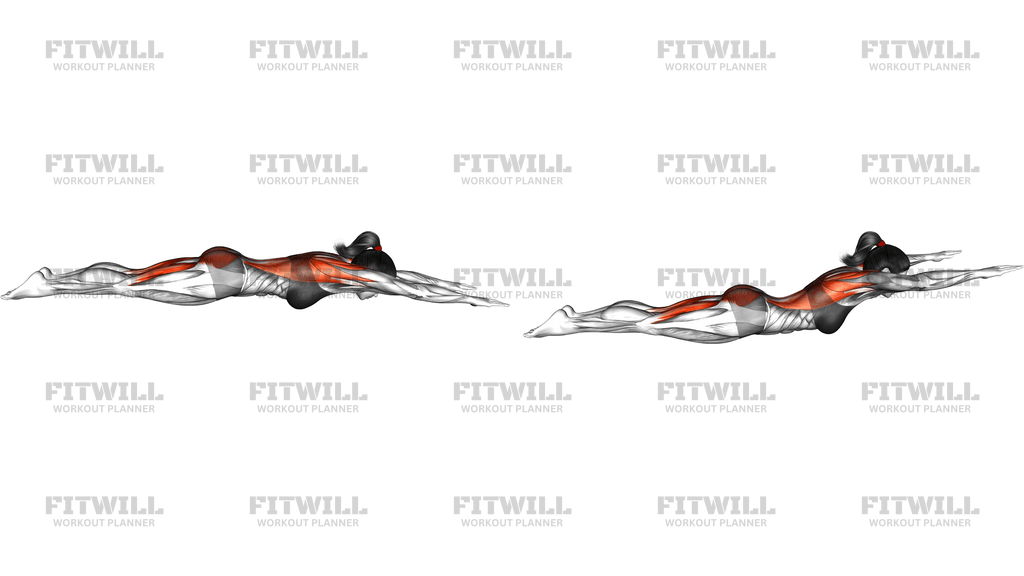
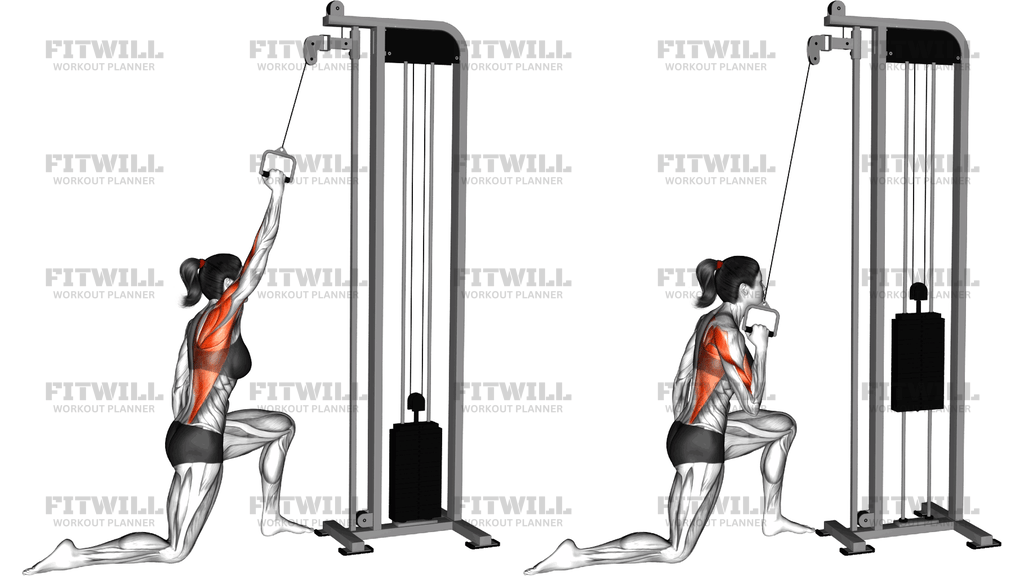
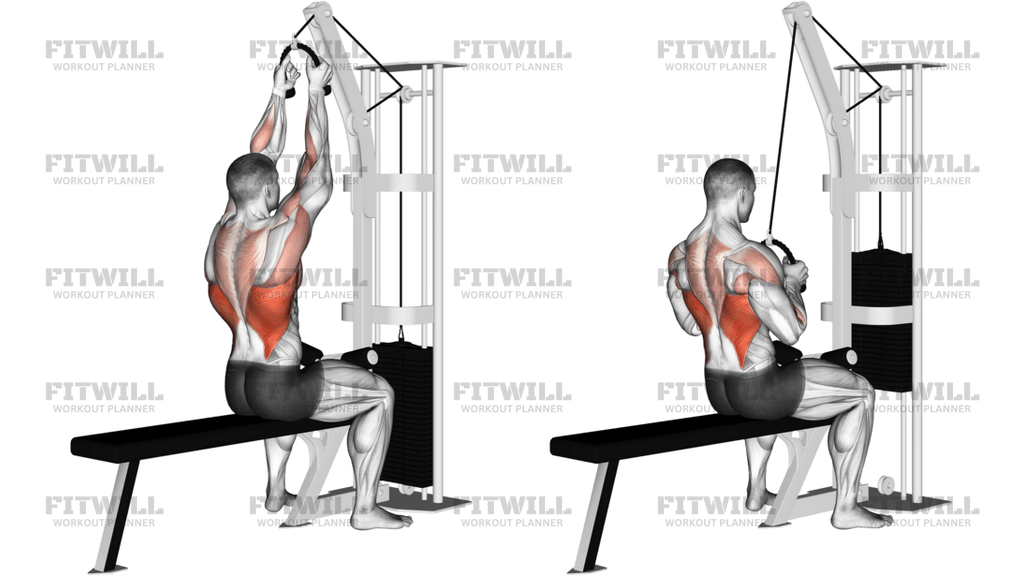
Standing Lat Pulldown
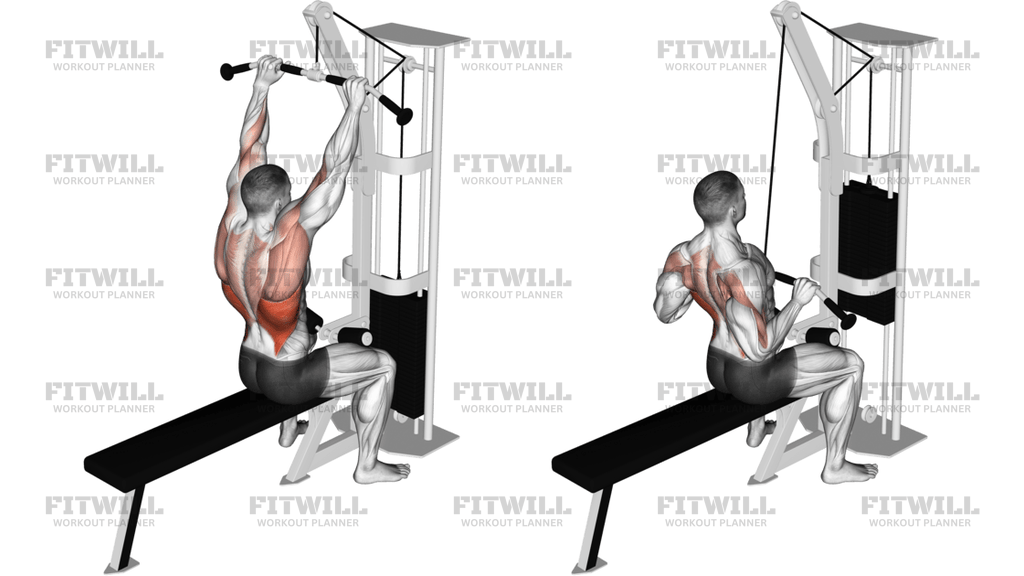
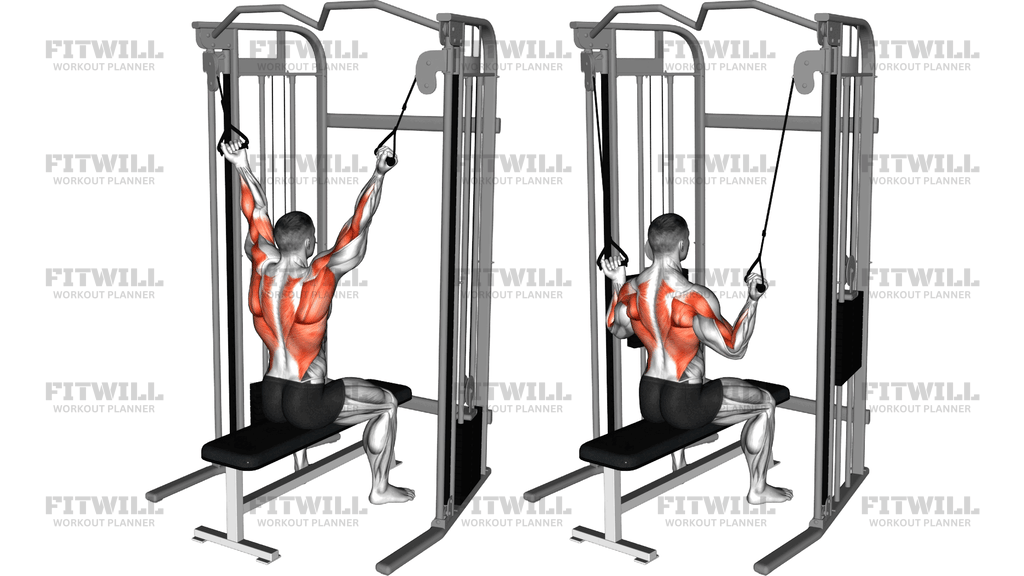
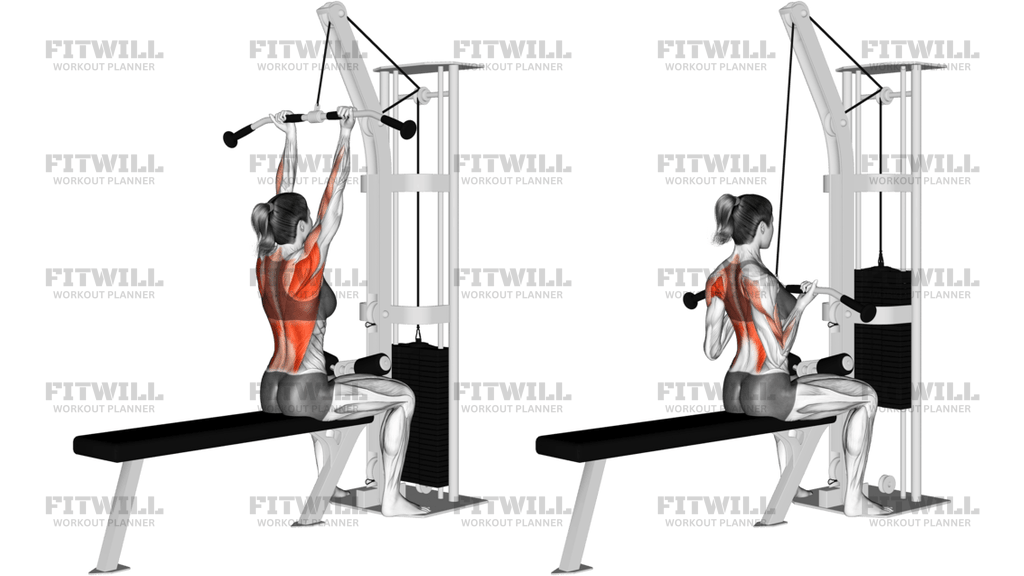
The Standing Lat Pulldown is a cable exercise performed on your feet rather than seated at a pulldown station. You face the cable machine, take a wide overhand grip on a lat pulldown bar attached to the high pulley, and pull the bar down toward your upper chest while keeping your torso upright. Because there is no seat, thigh pad, or backrest holding you in place, your whole body has to stabilize the movement, which changes the feel of a familiar exercise.
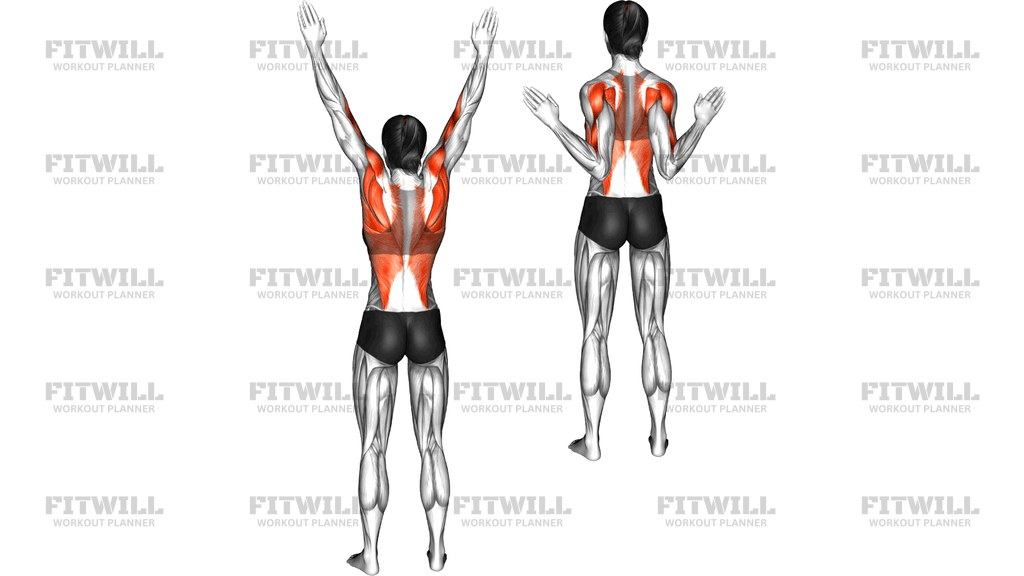
The main work is done by the lats, the broad muscles of the back that run from the armpits down toward the waist. Pulling the bar down and slightly back also recruits the rhomboids and mid and lower traps to draw the shoulder blades together, with the rear shoulders and biceps assisting through the pull. This makes it a solid choice for building back width and learning how to drive the movement from the shoulder blades instead of just bending the elbows.
The standing stance is what separates this version from the seated pulldown. With nothing bracing your thighs, a weight that is too heavy will drag you forward onto your toes or turn the rep into a bodyEnglish swing. That built-in feedback is useful: it naturally caps the load at something you can control with a vertical torso, which encourages honest technique. It also fires up your core and legs isometrically, since they are constantly correcting your position as the cable pulls back and up.
This exercise suits lifters who already train back and want variety, people who find the seated pulldown uncomfortable because of hip mobility or tightness, and anyone doing home or small-gym setups where a cable crossover or functional trainer is available but there is no dedicated pulldown station. It is also a convenient option for higher-rep, lat-focused finishers where strict seated form is less important than the pulling motion itself.
Setup and body position matter more here than in most pulling exercises. Stand facing the machine with feet about hip-width apart, take a wide overhand grip just outside shoulder width, and step back a half pace so the cable has a slight downward angle. Keep your ribs stacked over your hips, brace your abs, and stay tall through the spine. If you lean back far or the cable yanks you forward, the weight or the position needs adjusting before you add reps.
Execute each rep by initiating the pull from the shoulders: think about driving your elbows down and slightly back toward your back pockets until the bar reaches around collarbone height. Pause briefly, feel the lats, then return the bar overhead under control so the shoulder blades travel up with the arms. Avoid locking out hard at the top or letting the weight stack slam down. Keep the range strict and repeatable rather than chasing extra depth with body lean, and the standing pulldown becomes a reliable, joint-friendly back builder.
[ Workout Log & Planner ]
Put your next workout in Fitwill
Keep your plan and training log ready when you are.


Instructions
- Set a lat pulldown bar or straight bar attachment on the high pulley of a cable machine and select a moderate weight, lighter than you would use for a seated pulldown.
- Stand facing the machine with your feet hip-width apart, take a wide overhand grip just outside shoulder width, and step back a short half step so the cable has a slight downward angle and no slack.
- Stand tall with your ribs stacked over your hips, squeeze your glutes lightly, and brace your abs like you are about to take a light push to the chest.
- Let the bar pull your arms fully overhead so your shoulders rise and your lats lengthen, but keep your elbows soft rather than fully locked.
- Start the pull by dropping your shoulder blades down and back, then drive your elbows down and slightly back toward your sides.
- Pull the bar down until it reaches about collarbone or upper-chest height, keeping your torso upright and your chest open rather than leaning back.
- Pause for a beat at the bottom and squeeze your lats before starting the return.
- Slowly let the bar travel back overhead until your arms are extended, controlling the weight instead of letting it snap your arms up.
- Exhale as you pull the bar down and inhale as you return it overhead.
- Complete your set, then release the bar one hand at a time and let the stack settle before walking away or changing the weight.
Tips & Tricks
- Choose a noticeably lighter weight than your seated pulldown. Without a thigh pad bracing you, any extra load shows up as forward drift or leaning, not extra lat work.
- If the cable drags you up onto your toes at the top of each rep, step back another half pace or reduce the weight so you can stay planted through your whole foot.
- Keep the pull to upper-chest height. Chasing the bar down to your belly button forces you to rock backward and shifts work from the lats into lower-back lean.
- Think 'elbows down and back' rather than 'hands down.' Driving the hands alone tends to curl the bar in with the biceps and shrug the shoulders up.
- Watch for the shoulders creeping toward the ears at the top. Reset between reps by actively reaching a little taller before each pull.
- A slight lean of a few degrees is fine, but if your torso angle changes as the set gets hard, the set is over. End it rather than swinging.
- Grip the bar just outside shoulder width with your thumbs wrapped around it. A false grip makes the bar harder to control when standing and the cable is pulling upward.
- Move the return phase deliberately. Standing pulldowns punish fast eccentrics because the cable's upward pull challenges your balance much more than the seated version.
Frequently Asked Questions
What muscles does the Standing Lat Pulldown work?
The lats are the primary muscle, doing most of the work as you pull the bar down. The rhomboids, mid and lower traps, rear shoulders, and biceps assist, and your core and legs work statically to keep you balanced in the standing stance.
How is the Standing Lat Pulldown different from a seated lat pulldown?
The seated version has a thigh pad and backrest that anchor you, so you can load heavier and isolate the back. Standing, you have to stabilize your own torso, which limits the weight but adds a core and balance demand the seated version does not have.
Is the Standing Lat Pulldown suitable for beginners?
Yes, as long as the weight is kept modest. Beginners often benefit from it because the standing position gives instant feedback: if the load is too heavy, they get pulled forward or lean back, making technique errors obvious.
Why do I keep getting pulled forward by the cable during the Standing Lat Pulldown?
That usually means the weight is too heavy, you are standing too close to the machine, or your core is not braced. Step back a half pace, lighten the load, and tighten your abs before each rep so your torso stays stacked over your hips.
How wide should my grip be on the bar?
Use a wide overhand grip just outside shoulder width, wide enough that your forearms stay roughly vertical at the bottom of the pull. Going extremely wide shortens the range of motion and can pinch the shoulders.
Should my torso stay completely upright?
A tall torso with a slight backward lean of a few degrees is normal and lets the lats work through a good range. Anything beyond that becomes a rowing motion powered by momentum and lower-back extension rather than a pulldown.
Can I use the Standing Lat Pulldown as a substitute for pull-ups?
It is a reasonable substitute for building pulling strength and lat size, especially if you cannot do full pull-ups yet. Since the resistance is adjustable, you can progress gradually and use it as a stepping stone toward body-weight pull-ups.
What can I do if my cable machine has no lat pulldown bar?
A straight bar or wide handle attachment on a high pulley works the same way. Just keep the grip wide, the cable angle consistent, and the movement path identical.
How many reps and sets should I do?
Because the standing position limits load, this exercise works well in the moderate to higher rep range, around 3 to 4 sets of 10 to 15 reps with controlled form. Keep the last few reps clean rather than letting the torso swing.
Is the Standing Lat Pulldown safe for the lower back and shoulders?
It is generally shoulder-friendly when the pull stays at upper-chest height and the range avoids forcing the shoulders into painful positions. Protect your lower back by keeping the torso angle consistent throughout the set instead of arching backward under load.