Cable Seated Neutral Grip Row To Neck (Rope Attac)
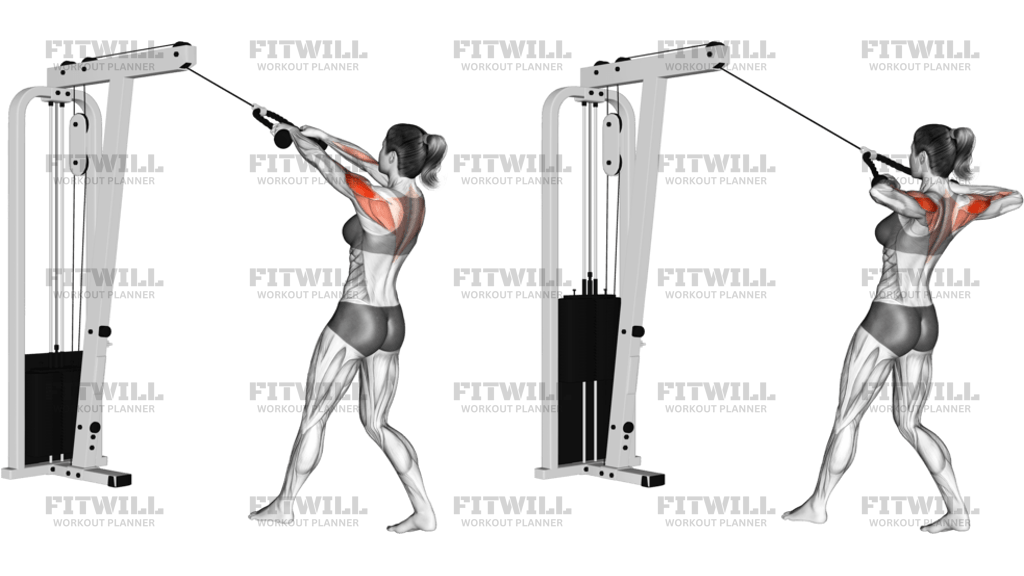
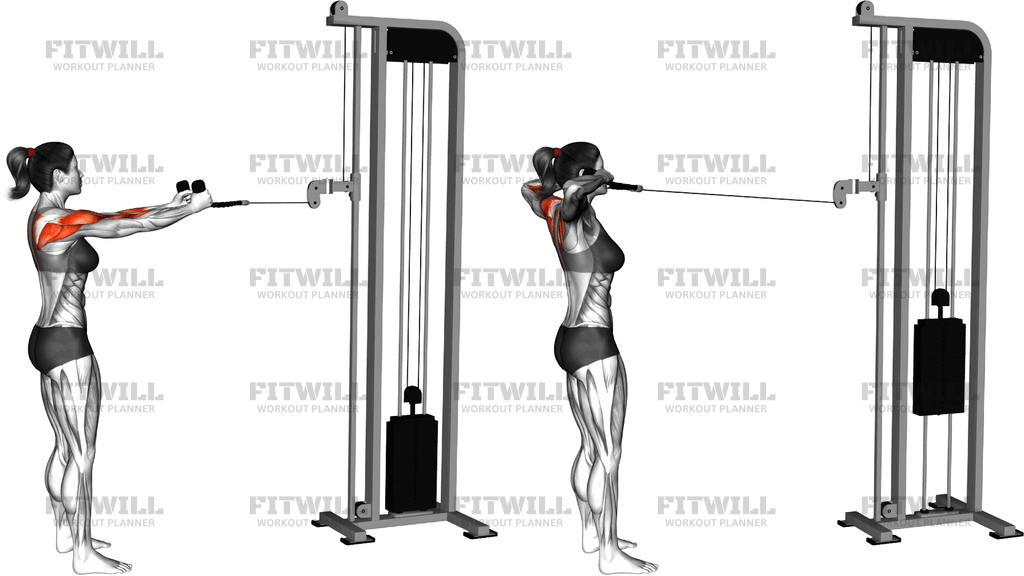
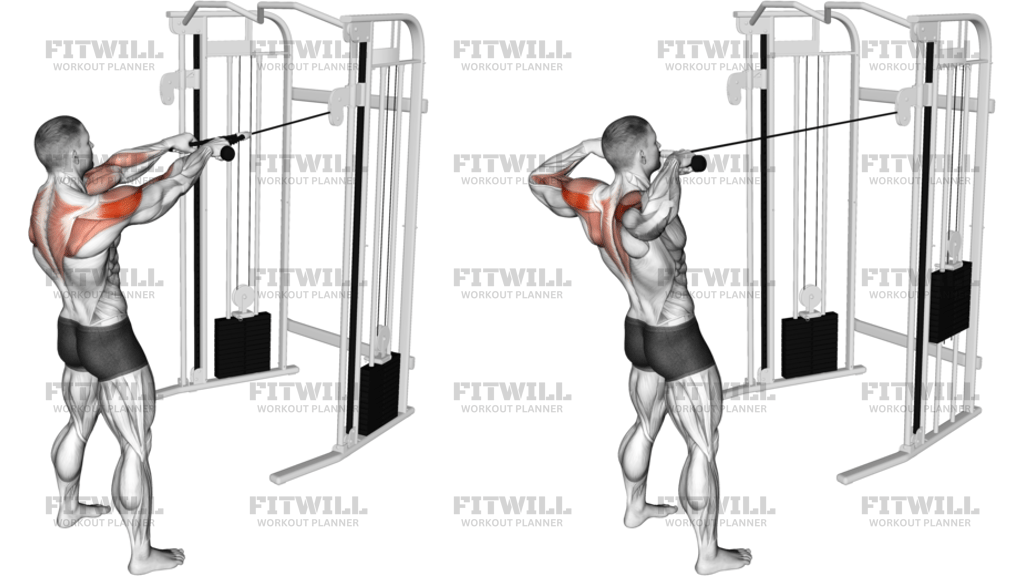
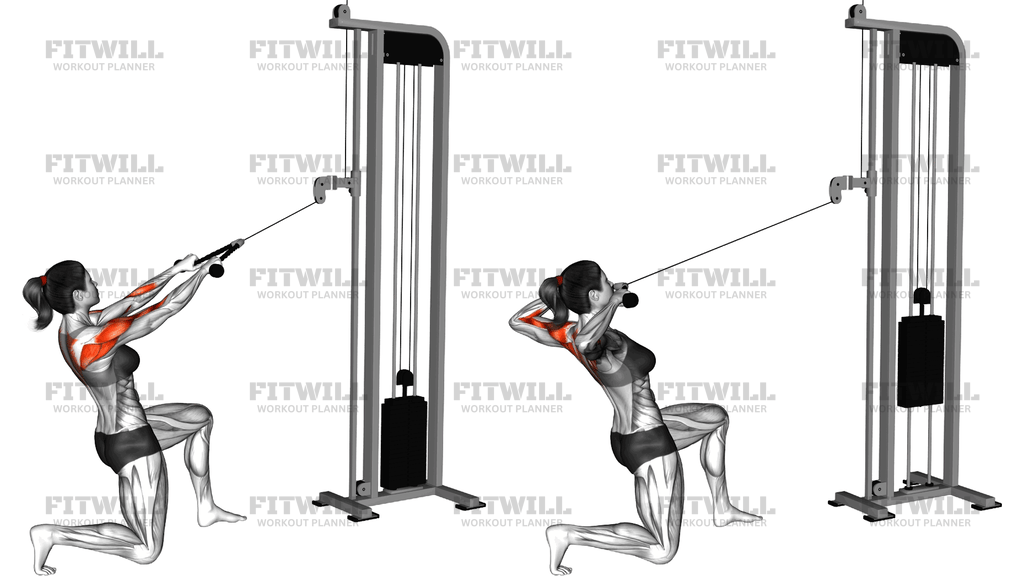
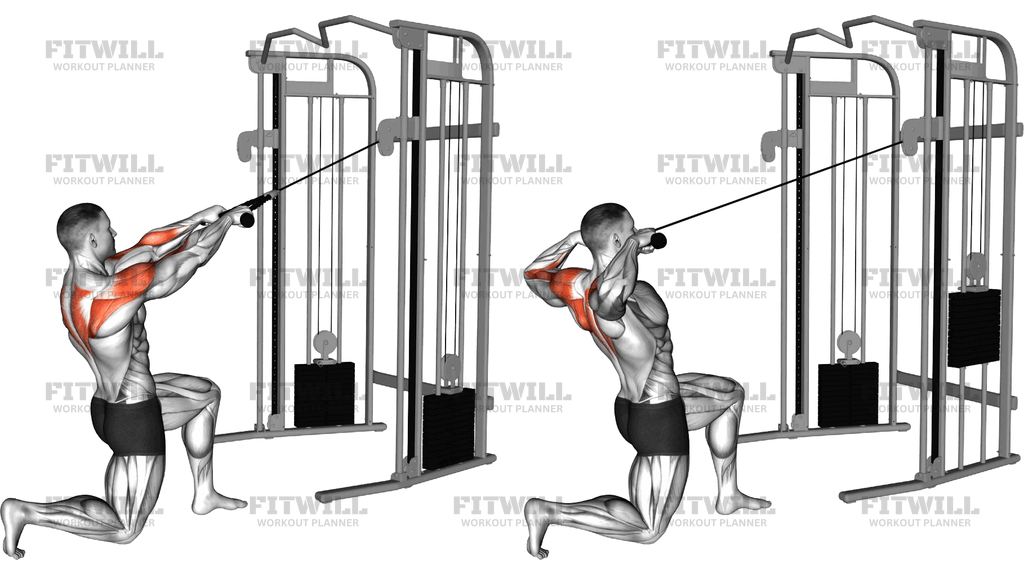
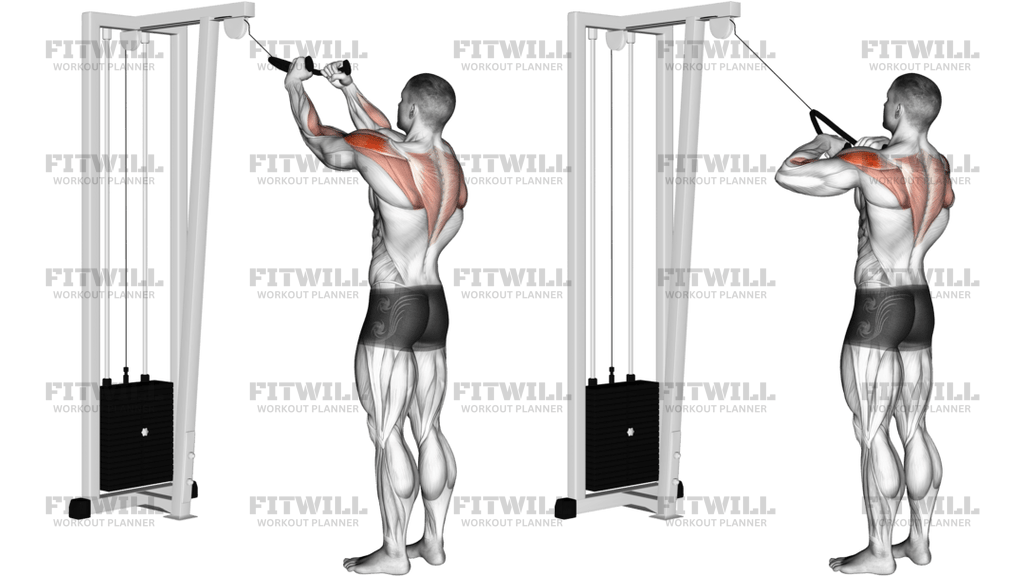
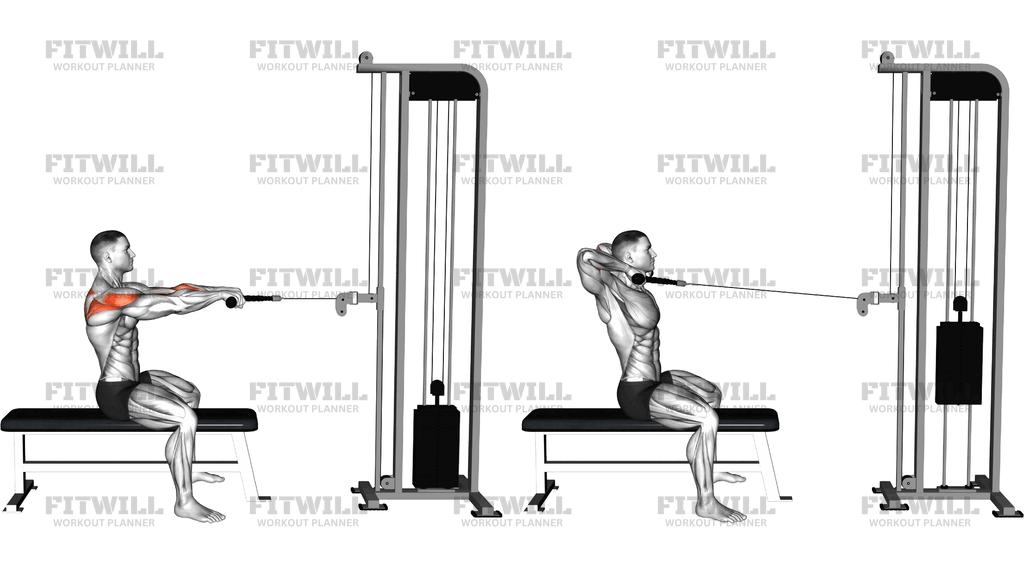
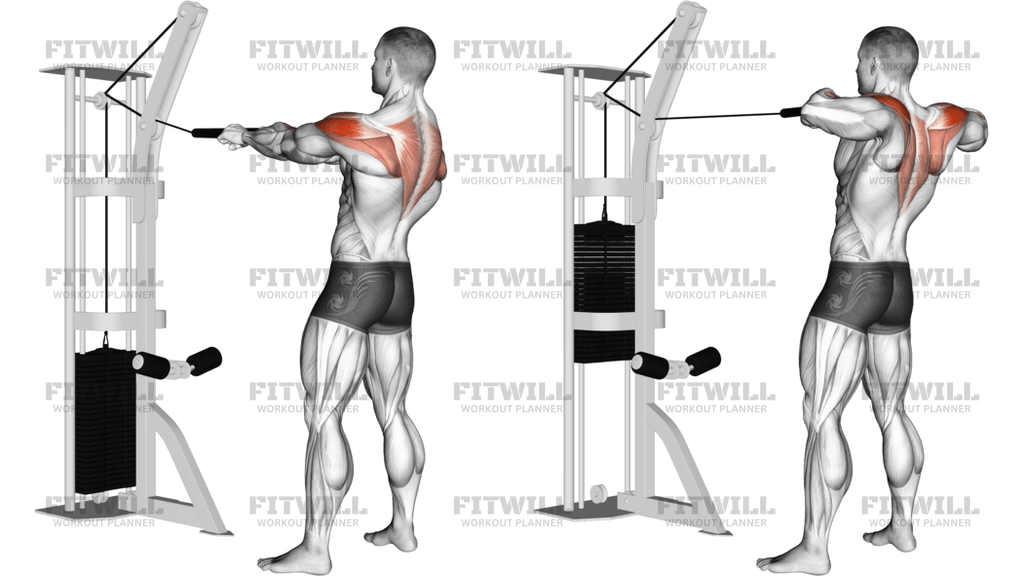
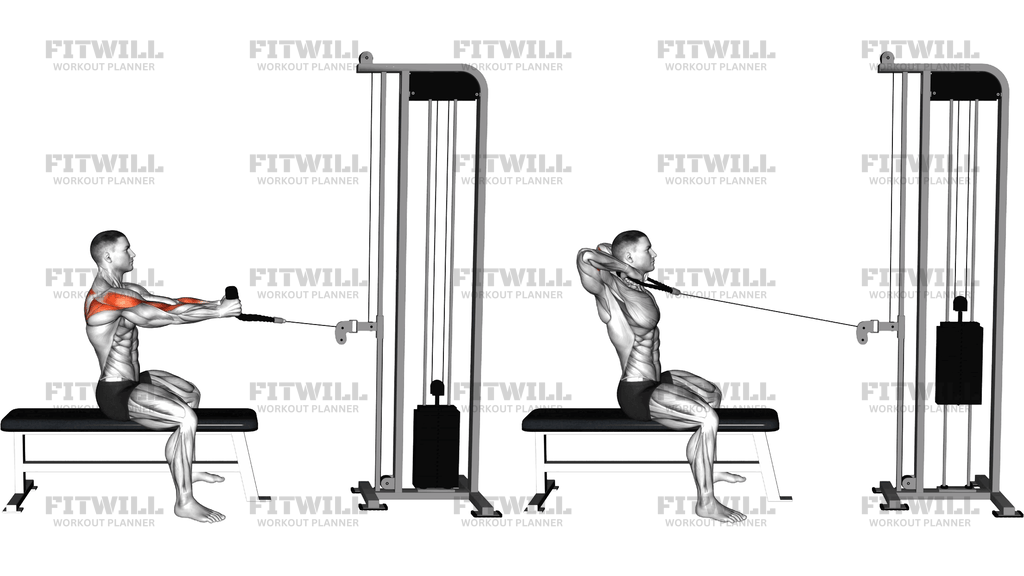
The Cable Seated Neutral Grip Row To Neck (Rope Attachment) is a seated cable row variation where you face a low pulley, hold a rope with a neutral palms-in grip, and pull the rope ends back toward your neck with your elbows flared wide. Instead of dragging the handle toward your stomach like a traditional seated row, you drive the elbows up and out so the rope finishes near neck height. That single change in pulling direction shifts the emphasis from the lats and mid-back thickness toward the rear shoulders, upper traps, and rhomboids.
This movement is especially useful for people whose pressing work outnumbers their pulling, which is common in most training programs. If your shoulders roll forward when you stand relaxed, or your rear shoulders never seem to get sore from normal rows, pulling high with a rope gives you a direct way to load that area through a full range. It also suits anyone whose shoulders feel pinched on upright rows with a straight bar, because the rope lets the elbows travel a more natural path and your hands are free to separate at the top.
The setup matters more here than in a standard seated row. Sitting on a flat bench with your torso tall and your arms extended toward the pulley puts the cable roughly in line with your upper chest and face, which is exactly the angle needed to load the upper back at this height. If you lean back, drop the elbows, or pull to the ribs, the exercise quietly turns into a regular row and the rear shoulders stop doing the work.
Execution comes down to a clean elbow path and honest weight. Keep your chest up, wrists straight, and elbows driving back and up until they are roughly level with or slightly above shoulder height, with the rope ends pulled in beside your neck. Pause for a beat to squeeze the upper back, then let the arms extend fully under control so the shoulder blades travel forward before the next rep.
Expect to use noticeably less load than you would on a mid-back row or lat pulldown. The rear shoulders and upper traps are smaller muscles, and the long lever from the low pulley to your neck keeps constant tension on them. Treat this as an accessory movement in the moderate to higher rep range, and use it after your main back lifts or as part of a shoulder and posture-focused day.
[ Workout Log & Planner ]
Put your next workout in Fitwill
Keep your plan and training log ready when you are.


Instructions
- Place a flat bench sideways, roughly arm's length in front of a low cable pulley, and clip a rope attachment to the pulley.
- Sit facing the machine with your feet flat on the floor about hip-width apart and your knees bent, leaving a soft bend rather than pressing against the machine.
- Grip one rope end in each hand with a neutral grip, palms facing each other and thumbs pointing back toward your face.
- Sit tall with your chest up and a slight natural arch in your lower back, then let your arms extend fully so your shoulder blades reach forward and the cable pulls taut.
- Brace your core and inhale before the first pull, keeping your torso from rocking backward.
- Pull by driving your elbows back and up, keeping them wide of your ribs, so the rope ends travel toward the sides of your neck.
- Finish with your elbows at or just above shoulder height, hands near your neck, and squeeze your shoulder blades together and down for a one-second pause.
- Exhale as you pull, then slowly extend your arms back to full stretch while inhaling, letting the shoulder blades protract forward without slumping your chest.
- Keep the return smooth enough that the plates never slam; when you finish the set, let the arms extend, set the rope down under control, and stand up only after the cable is fully settled.
Tips & Tricks
- The most common mistake is pulling the rope to your ribs or stomach, which turns it into a standard seated row. Watch your elbow height: if they stay below your shoulders through the rep, lighten the weight and aim them at your neck instead.
- Do not let the weight drag your chest down at full stretch. If your torso tips forward and rounds each rep, the load is too heavy for your upper back to control.
- Avoid shrugging straight up into your ears as you pull. Think of pulling the elbows back first and letting the upper traps finish the last inch, rather than lifting the shoulders from the start.
- Keep the rope ends separated. If you choke up and hold the rope near the collar, your hands crowd together at the top and the rope restricts the finish; grip near the ends so your hands can drift wider than your elbows.
- A little torso lean at the finish is natural, but if you rock back on every rep like a rowing machine, brace harder through the trunk or reduce the load by one plate.
- Keep the elbows wide enough that your forearms stay roughly parallel to the floor at the top. Elbows that flare too high and behind you shift tension toward the traps and away from the rear shoulders.
- Set the bench distance so the cable at full stretch runs in line with your upper chest. Sitting too close pulls your arms downward; sitting too far makes the start position awkward and rounds your shoulders forward.
- If your wrists bend backward at the top, you are pulling with the hands instead of the elbows. Keep the wrists stacked over the forearm and let the rope ends lightly touch the sides of your neck.
Frequently Asked Questions
Which muscles does the Cable Seated Neutral Grip Row To Neck (Rope Attachment) work?
The rear shoulders are the primary movers, with strong support from the upper and middle traps and rhomboids as the shoulder blades squeeze together. The biceps and grip muscles assist as secondary workers.
Why pull to the neck instead of the stomach like a normal seated row?
Pulling to the neck forces the elbows wide and high, which matches the muscle fibers of the rear shoulders and upper traps better than a low pull toward the ribs. A normal seated row emphasizes the lats and mid-back instead.
Why use a rope attachment rather than a straight bar for this row?
A rope lets you use a neutral, palms-in grip and allows your hands to separate wider than the bar at the top, so your wrists and elbows follow a more comfortable path. A fixed bar often forces the wrists to bend or the elbows to travel awkwardly at neck height.
Can beginners do the Cable Seated Neutral Grip Row To Neck (Rope Attachment)?
Yes, and the seated cable setup makes it beginner-friendly because the machine stabilizes the position. Start with a light weight, focus on the elbow path, and build the mind-muscle connection before adding load.
How much weight should I use compared to a regular seated cable row?
Expect to handle meaningfully less weight, since the rear shoulders and upper traps are smaller than the lats and mid-back. A good benchmark is being able to pause for a full second at the neck on every rep.
Should my torso stay completely upright during the pull?
Sit tall but allow a small backward lean at the end of the pull as the shoulder blades retract. Rocking back heavily with momentum removes tension from the target muscles and should be corrected by lowering the weight.
Is this exercise hard on the shoulders?
The rope's neutral grip and free-moving hand path are generally shoulder-friendly, and it is often used by people who find barbell upright rows uncomfortable. Keep the load controlled and stay within a pain-free range; stop if you feel sharp pinching at the top.
How many sets and reps work best for this movement?
As an accessory lift, 3 to 4 sets of 10 to 15 controlled reps works well. The constant cable tension makes higher reps productive without needing heavy loading.
What can I substitute if my gym has no rope attachment or low pulley?
A face pull with a rope on an adjustable cable, or a bent-over reverse fly with dumbbells, trains the same rear shoulder and upper back area. The seated cable version just adds trunk stability and a consistent resistance angle.
Where should this exercise fit in my workout?
Place it after your main rows or pulldowns, or on a shoulder day alongside pressing work. It pairs well with face pulls as a finisher for the rear shoulders and upper traps.