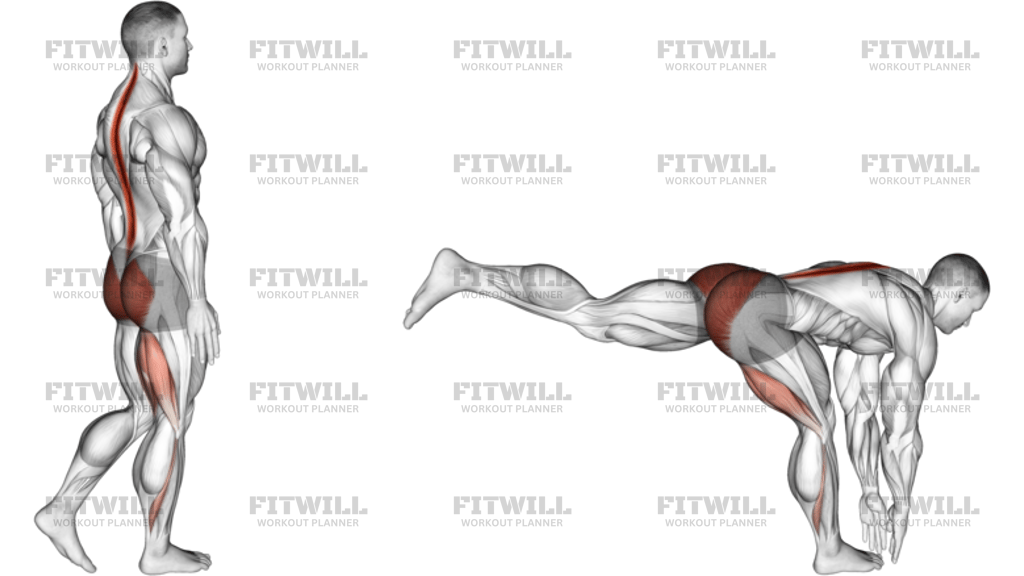
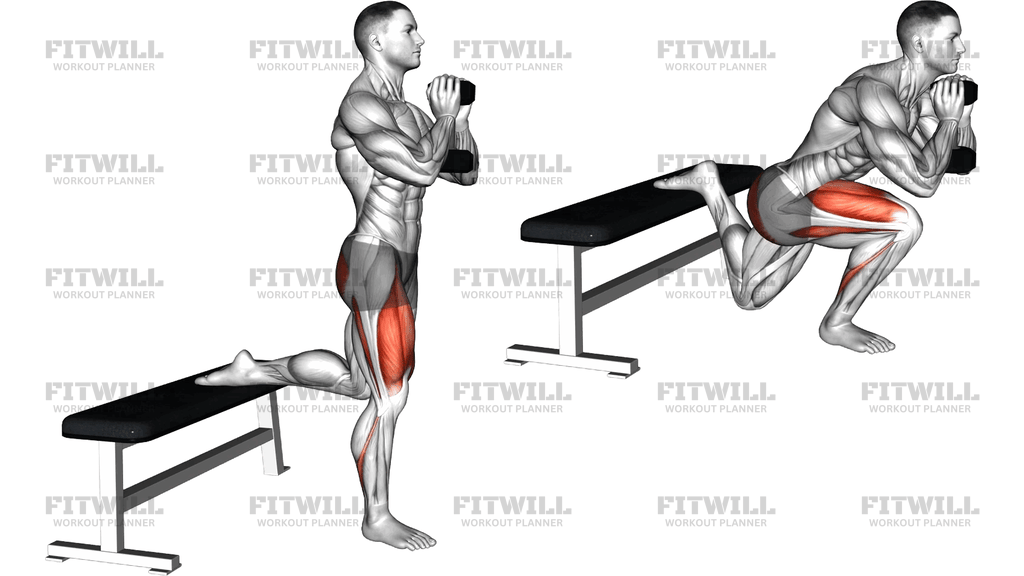
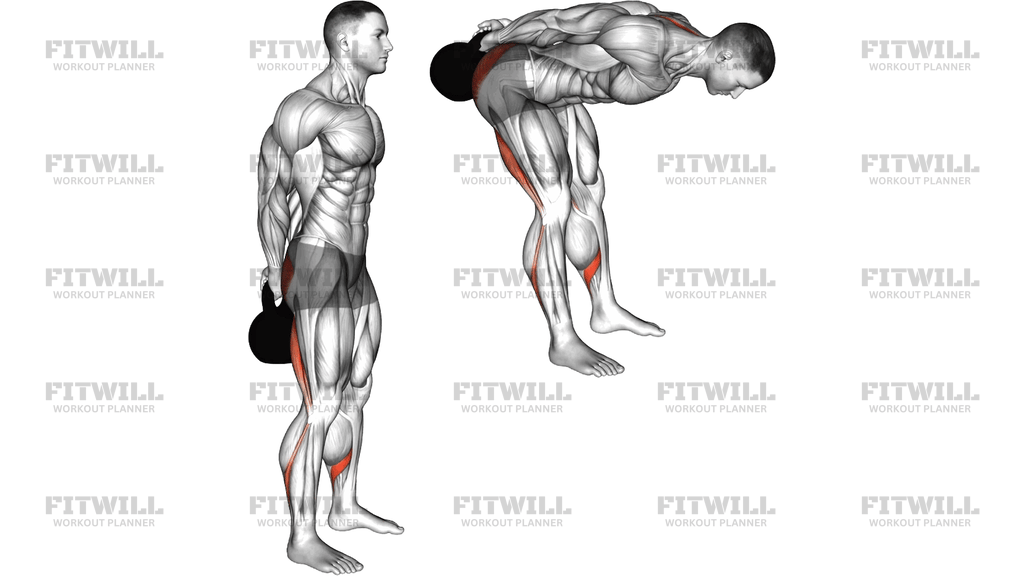
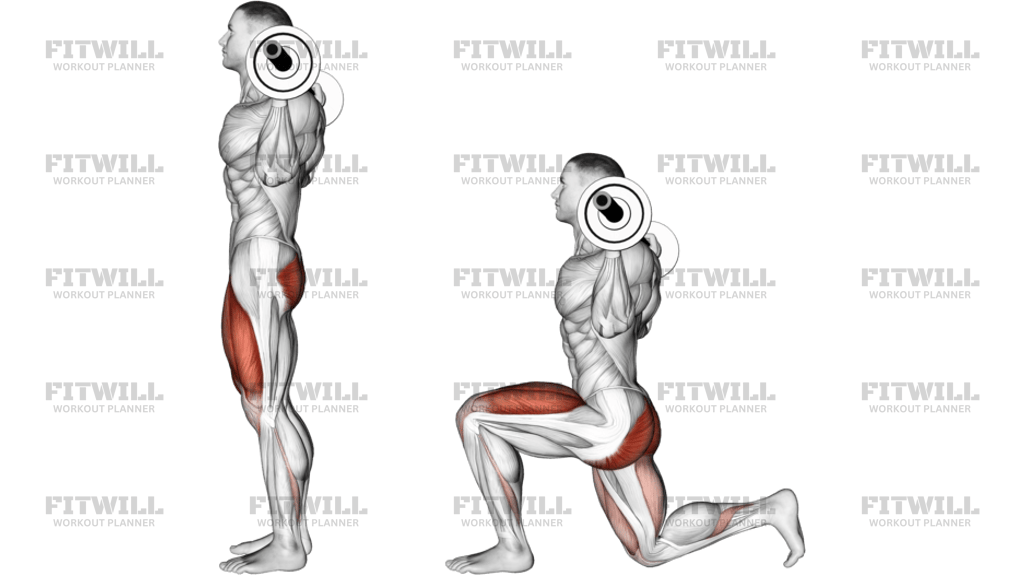
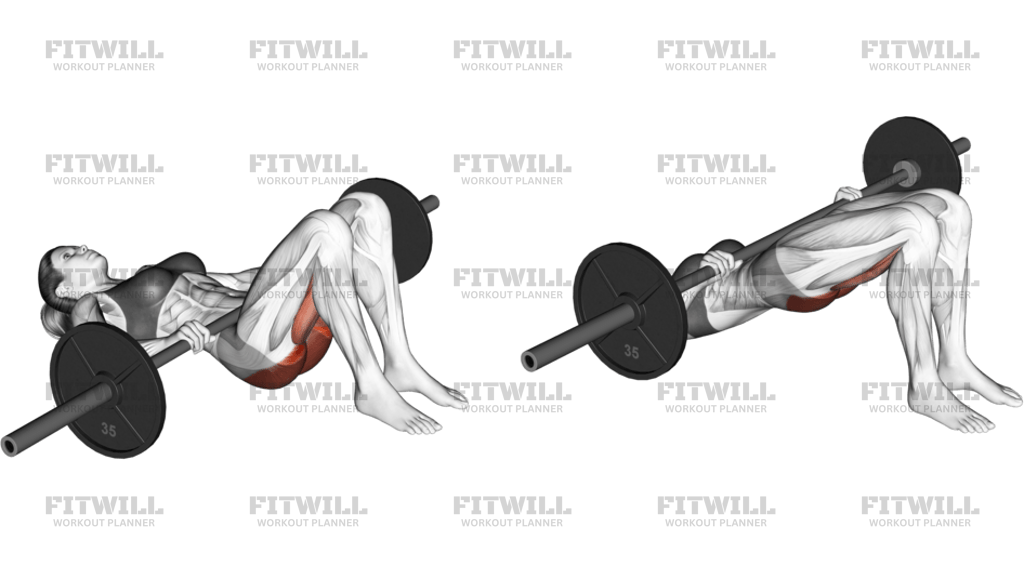
Barbell Staggered Stance Deadlift
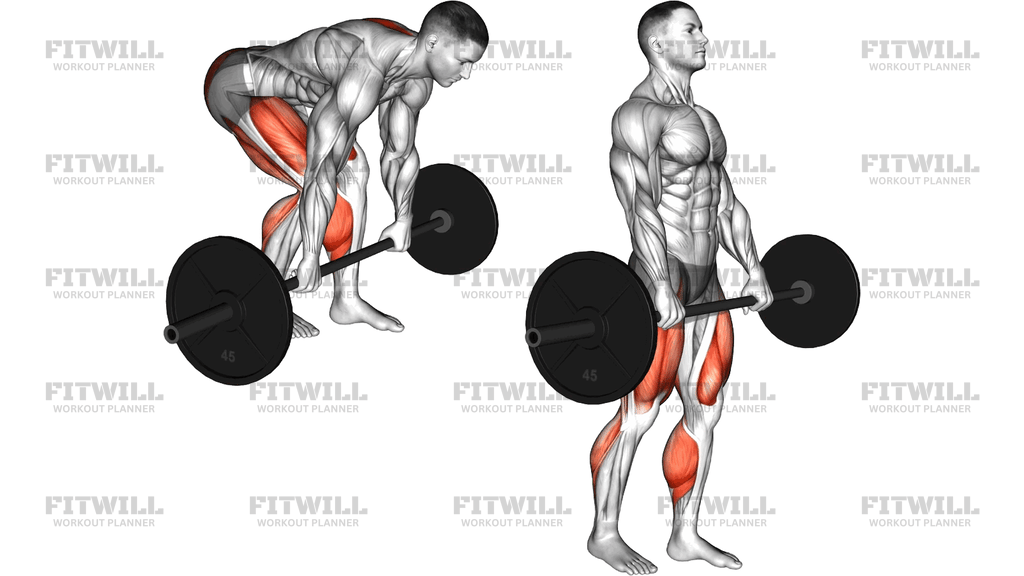
The Barbell Staggered Stance Deadlift is a hip hinge variation where one foot sits slightly behind the other instead of both being side by side. You hold the bar in front of your thighs with an overhand grip, push your hips back to lower the bar along your legs, and drive through the floor to stand tall. The staggered position shifts the movement toward a single-sided hip hinge without requiring the extreme balance demand of a true single-leg deadlift.
This lift is especially useful for lifters who want the hamstring and glute development of a Romanian deadlift but need to reduce stress on the lower back or address a side-to-side strength difference. Because one foot trails behind, the front leg takes the majority of the load while the rear foot acts as a kickstand, letting you train each hip independently with heavier weight than you could handle on one leg alone.
The main muscles worked are the glutes and hamstrings of the front leg, with the erector spinae working hard to keep your spine neutral as you hinge. The quads assist at the bottom and on the way up, the adductors and hip stabilizers on the standing leg work to keep your knee tracking straight, and your grip and upper back hold the bar in position throughout.
Setup matters a great deal here. The width of the stagger determines the challenge: a heel-to-toe split keeps things stable, while a longer split increases the balance and single-leg demand. The bar should stay close to your front leg the whole time, because letting it drift forward turns a hinge into a stressful lower-back pull.
Execution comes down to hips, not arms or lower back. Break at the hips first, sit back until you feel a strong stretch in the front-leg hamstring, keep the rear leg lightly loaded for balance, then squeeze the glute of the front leg to return to standing. Keep your shoulders pulled down and back, your neck in line with your spine, and your weight centered over the middle of the front foot.
This movement fits well as an accessory after your main deadlift or squat work, typically for sets of six to twelve reps per side with a moderate load. It is popular in programs focused on hip development, hamstring flexibility under load, and correcting left-right imbalances, and it is a smart bridge for lifters progressing toward single-leg Romanian deadlifts.
[ Workout Log & Planner ]
Put your next workout in Fitwill
Keep your plan and training log ready when you are.


Instructions
- Set a barbell on the floor or hold it at hip height with an overhand grip, hands just outside your thighs.
- Place one foot directly under your hips and step the other foot back so your toes align roughly with the heel of the front foot, keeping most of your weight on the front leg.
- Soften both knees slightly, brace your core as if bracing for a punch, and pull your shoulders back so the bar hangs straight down from them.
- Push your hips back and let the bar slide down the front of your leg, keeping it in light contact with your thigh and shin.
- Hinge until you feel a deep stretch in the hamstring of your front leg, usually when your torso reaches 45 degrees or slightly lower, and keep your spine long.
- Press the floor away through the middle of your front foot and drive your hips forward to stand up, squeezing the front-leg glute at the top without leaning back.
- Exhale as you rise, inhale at the top, and rebrace before each rep.
- Complete all reps on one side, then switch your stance so the opposite foot is forward.
Tips & Tricks
- If you feel your lower back taking over, you are probably hinging too deep or letting the bar drift away from your front leg; stop the descent when the hamstring stretch peaks, not when the bar touches the floor.
- Do not turn this into a squat. The knees bend slightly, but the primary motion is the hips traveling backward, not downward.
- Keep the rear foot as a kickstand only. If you load it heavily, you lose the single-leg emphasis and simply perform a narrow conventional deadlift.
- At the top, finish by squeezing the glute of the front leg rather than overextending your lower back or shrugging the bar.
- Start with a shorter stagger if you wobble. As your balance improves, increase the split or move the bar to one hand held on the same side as the rear foot for a greater anti-rotation demand.
- A slight bend in the trailing knee is fine, but avoid letting the back heel collapse inward or the hips rotate open toward the rear side.
- Use lifting straps for heavy sets if your grip fatigues before your hamstrings and glutes do.
- Set the bar on blocks or a rack if your hamstring flexibility limits your range from the floor; the stretch position matters more than the depth.
Frequently Asked Questions
Which leg does the most work in the Barbell Staggered Stance Deadlift?
The front leg does most of the lifting, with the glutes and hamstrings on that side doing the bulk of the work. The rear foot mainly provides balance support and a small amount of assistance.
How far back should my rear foot be during the staggered stance?
A good starting point is a heel-to-toe split, where the toes of the rear foot line up with the heel of the front foot. A longer split increases the balance challenge, while a shorter split makes the two legs share the load more evenly.
Is the Barbell Staggered Stance Deadlift good for beginners?
Yes, it is one of the friendlier single-sided hinge variations for beginners because the rear foot gives stability that a true single-leg deadlift lacks. Start light and master the hip hinge pattern before adding significant weight.
Should the barbell touch the floor at the bottom of each rep?
Not necessarily. This is usually performed as a Romanian-style hinge, so stop when you feel a strong hamstring stretch in the front leg. Only reach the floor if your mobility allows it without your lower back rounding.
What is the most common mistake with this exercise?
Letting the bar drift forward away from the front leg, which places excess strain on the lower back. Keep the bar in light contact with your thigh and shin for the entire rep.
What muscles does the Barbell Staggered Stance Deadlift work?
The primary muscles are the glutes and hamstrings of the front leg. The lower back stabilizes the spine, the quads assist the knee joint, and the grip and upper back hold the bar in place.
Can I use dumbbells instead of a barbell for this movement?
Yes, dumbbells or a kettlebell work well and are often easier to balance with. The barbell version simply allows heavier loading and keeps the weight in a single fixed path in front of your body.
How is the staggered stance different from a single-leg Romanian deadlift?
In a single-leg variation the rear foot never touches the floor, so balance and hip stability demand are much higher. The staggered stance keeps the rear toes down as a kickstand, letting you load the front leg harder with less wobbling.
Is this exercise safe for people with lower back discomfort?
The staggered stance often feels more manageable than a conventional deadlift because it reduces the load demand and encourages a controlled hinge. Still, keep the weight moderate, maintain a neutral spine, and stop if you feel sharp or radiating discomfort.
Where should I place this exercise in my training week?
It works best as an accessory lift after your main squat or deadlift work, typically for 2 to 4 sets of 6 to 12 reps per side. Pairing it with a balanced push or pull movement makes an efficient lower-body session.