Chest Dip (On Dip Pull Up Cage)
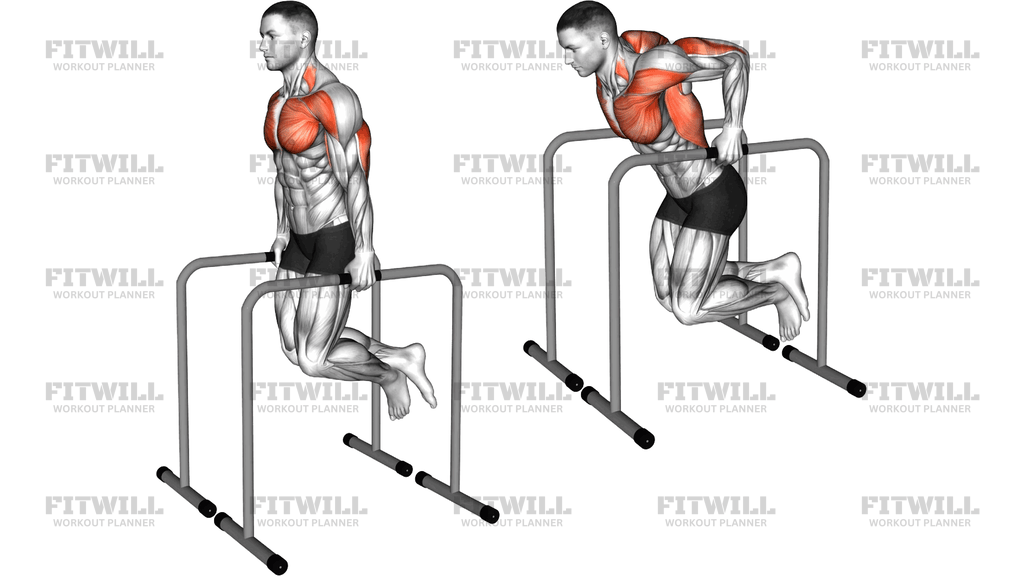
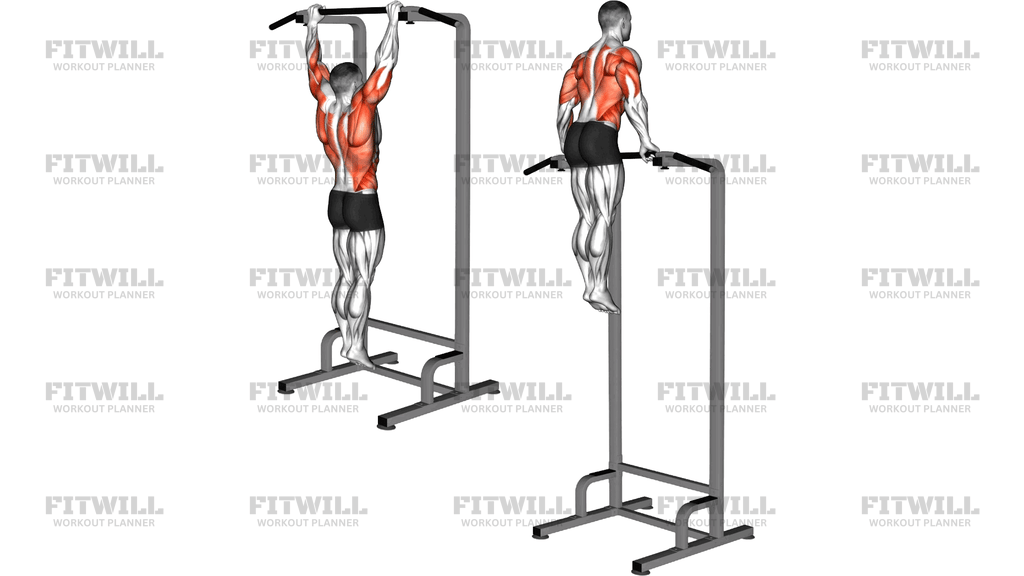
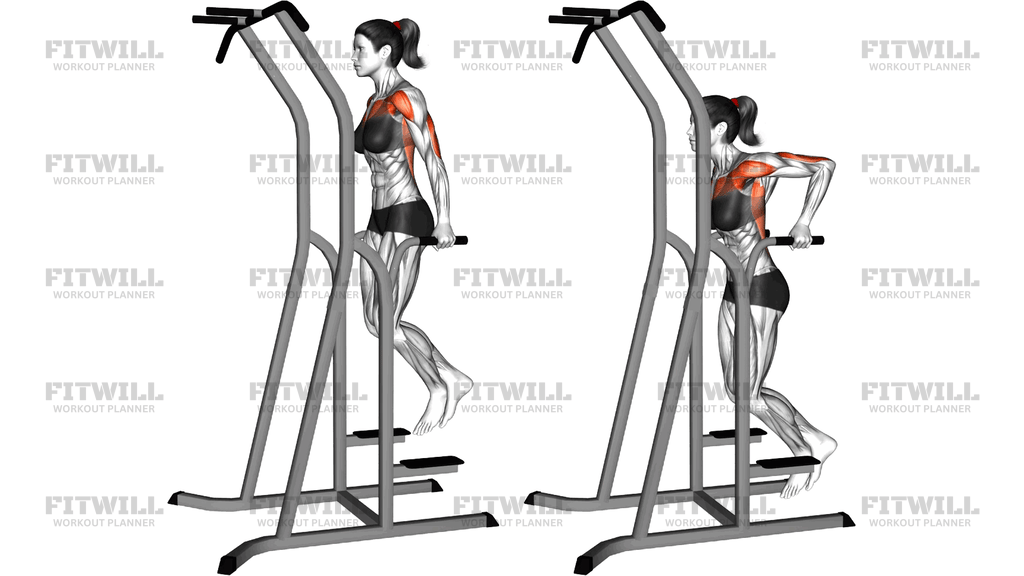
The Chest Dip (On Dip Pull Up Cage) is a bodyweight pressing exercise performed on the parallel handles of a dip pull up cage, also known as a power tower. You support yourself with locked arms above the handles, lean your torso slightly forward, and lower your body by bending the elbows until your shoulders approach elbow level before pressing back up. The forward lean is what separates the chest dip from a straight-up-and-down triceps dip, shifting more of the workload onto the pectorals while the triceps and front shoulders still contribute heavily.
This movement suits lifters who already have some pressing strength and want to load the chest without a barbell or dumbbells. Because your entire body moves through space, the chest dip also demands scapular control and core stiffness that seated machine presses never ask for. It is a common progression step toward advanced bodyweight pressing and a staple in calisthenics and general strength training programs alike.
Setup matters more than people expect. The cage should be stable with the handles roughly shoulder-width apart, and your grip should sit directly over the bars with wrists stacked in line with your forearms. A slight forward lean of the torso, combined with the elbows tracking slightly outward, directs the resistance into the lower and outer chest. If you stay perfectly vertical instead, the shoulders and triceps take over and the exercise effectively becomes a triceps dip.
Execution quality comes down to controlling the descent. Lower yourself under control rather than dropping quickly, since fast bottoms with a deep stretch are the most common way people aggravate the shoulder joints on this station. Stop the descent once your upper arms are roughly parallel to the floor or you feel a strong but comfortable stretch across the chest, then drive through the handles to press back to full elbow extension without shrugging.
Practically, the chest dip is used to build pressing volume after bench or push-up work, to progress from push-ups toward heavier loaded pressing, or to add muscle to the chest when equipment is limited. Beginners can regress to assisted versions by resting a foot lightly on the cage's lower step pads or using a band, while stronger lifters can add weight with a belt. Keep the shoulders pulled down away from the ears throughout, keep the legs quiet with knees softly bent and crossed or held behind you, and treat any pinching sensation at the front of the shoulder as a signal to reduce depth or reassess your lean.
[ Workout Log & Planner ]
Put your next workout in Fitwill
Keep your plan and training log ready when you are.


Instructions
- Stand facing the dip pull up cage and place one palm over each parallel handle, gripping firmly with wrists stacked over the bars.
- Press down through the handles to lift your body off the foot pads, straightening your arms until you are supporting your full weight above the bars with shoulders pulled down away from your ears.
- Tilt your torso slightly forward and bend your knees, crossing your ankles or tucking your feet behind you so your legs hang clear of the cage.
- Brace your abdominal wall and squeeze your glutes lightly to stop your lower body from swinging during the set.
- Begin the descent by bending your elbows and letting them drift slightly outward as your chest lowers between and slightly ahead of your hands.
- Lower under control until your upper arms are roughly parallel to the floor, feeling a stretch across the chest without letting the shoulders roll forward.
- Press firmly through the handles to extend your elbows and return to the top position with arms straight, keeping the same forward lean the whole time.
- Exhale as you press up and inhale slowly on the way down, keeping the breathing steady rather than holding your breath.
- Finish the set by lowering one foot back onto the step pad, then the other, and step away from the cage with your grip released.
- Rest briefly between reps if needed at the top with arms extended, but avoid bouncing out of the bottom position to generate momentum.
Tips & Tricks
- If your shoulders shrug up toward your ears at the top, depress the shoulder blades deliberately before starting each rep; shrugging shortens the chest's working range and strains the traps.
- A common mistake is dropping too fast into the bottom and bouncing out of the stretch — control the last third of the descent, where the chest is most loaded and the shoulder is most vulnerable.
- If you feel a pinch at the front of the shoulder, reduce your depth by a few inches and check that your elbows are not flaring straight out to the sides.
- Leaning too far forward turns this into a strain on the front shoulders; a modest 15 to 30 degree lean is enough to bias the chest.
- Keep your legs still by pointing your toes slightly back and crossing your ankles — swinging legs steal tension from the chest and make every rep look easier than it is.
- If you cannot complete controlled full reps yet, rest one foot lightly on the cage's lower step pads to take off a fraction of your weight rather than cutting range short.
- Grip the handles with the bars running across the meat of your palm just below the fingers; gripping too far forward bends the wrist backward under load.
- Once sets feel easy, add weight with a dip belt instead of racing through reps — tempo and depth drive this exercise, not speed.
- Warm up the shoulders with a few easier partial-range dips or push-ups before committing to deep reps on the cage.
Frequently Asked Questions
What muscles does the Chest Dip (On Dip Pull Up Cage) work?
It primarily targets the chest, especially the lower and outer portions when you lean forward. The triceps and front shoulders assist strongly, and the core stabilizes your hanging body.
How is a Chest Dip different from a regular dip on the cage?
A chest dip uses a noticeable forward torso lean and lets the elbows drift slightly outward, which shifts emphasis to the pectorals. A more vertical torso keeps the load on the triceps.
Is the Chest Dip (On Dip Pull Up Cage) suitable for beginners?
It can be, as long as beginners control the range. Supporting a foot lightly on the cage's lower step pads, using a resistance band, or limiting depth to a partial dip makes it accessible while strength builds.
How deep should I lower during the Chest Dip?
Lower until your upper arms are about parallel to the floor or until you feel a firm but comfortable stretch across the chest. Going deeper adds stretch but also increases shoulder stress, so only descend as far as you can control.
Why do my shoulders hurt at the bottom of the dip?
Pain at the bottom usually comes from descending too deep, dropping too quickly, or letting the shoulders roll forward and upward. Reduce your depth, slow the descent, and keep the shoulder blades pulled down throughout.
Can I substitute the Chest Dip with push-ups or machine presses?
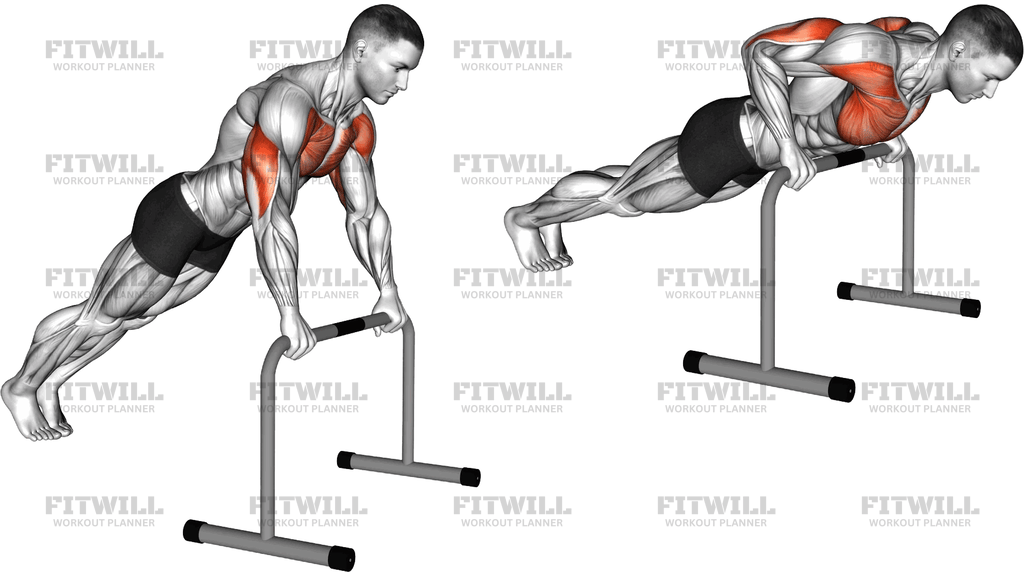
Yes. Decline push-ups, weighted push-ups, or a chest press machine train similar muscles, though none replicate the hanging bodyweight position. A bench dip with feet elevated is a rough home alternative but loads the triceps more.
How do I progress the Chest Dip (On Dip Pull Up Cage) once bodyweight feels easy?
Add external weight with a dip belt around your waist, or slow the tempo and pause at the bottom to increase difficulty. Adding reps first, then load, is the safest order.
Should my legs be crossed or straight during the dip?
Either works, but bending the knees and crossing the ankles behind you keeps the legs close to the body and prevents swinging. The key is keeping the lower body still so the chest and triceps do the work.
How many sets and reps should I do?
Most lifters do 3 to 4 sets of 6 to 12 controlled reps. If you can't reach 6 clean reps, use assistance; if you exceed 15 easily, add weight.
Is the Chest Dip safe for the shoulder joints?
When performed with controlled tempo, moderate depth, and active shoulder positioning, it is generally well tolerated. Avoid it if you currently have shoulder pain, and stop if you feel pinching rather than muscular effort.