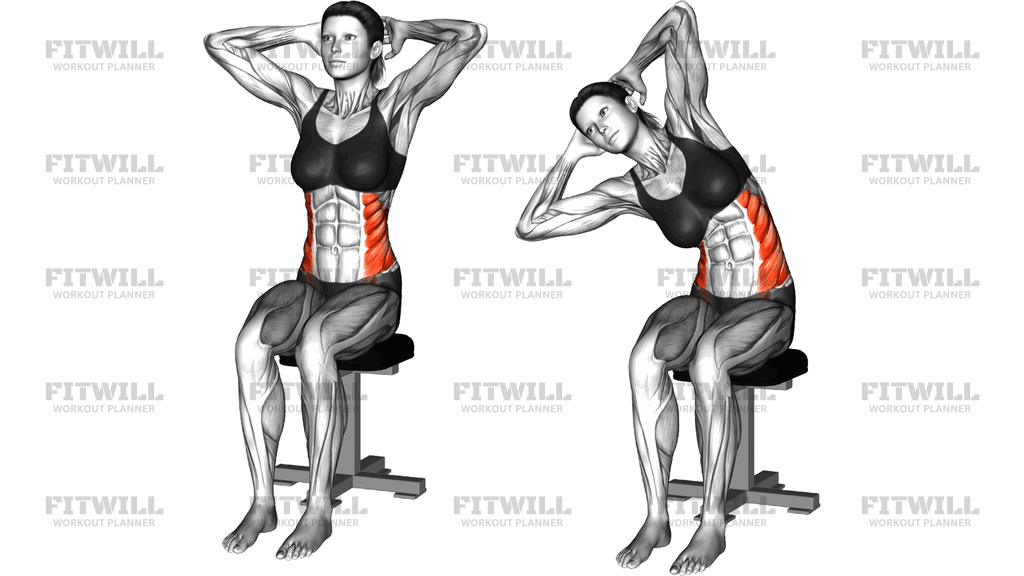
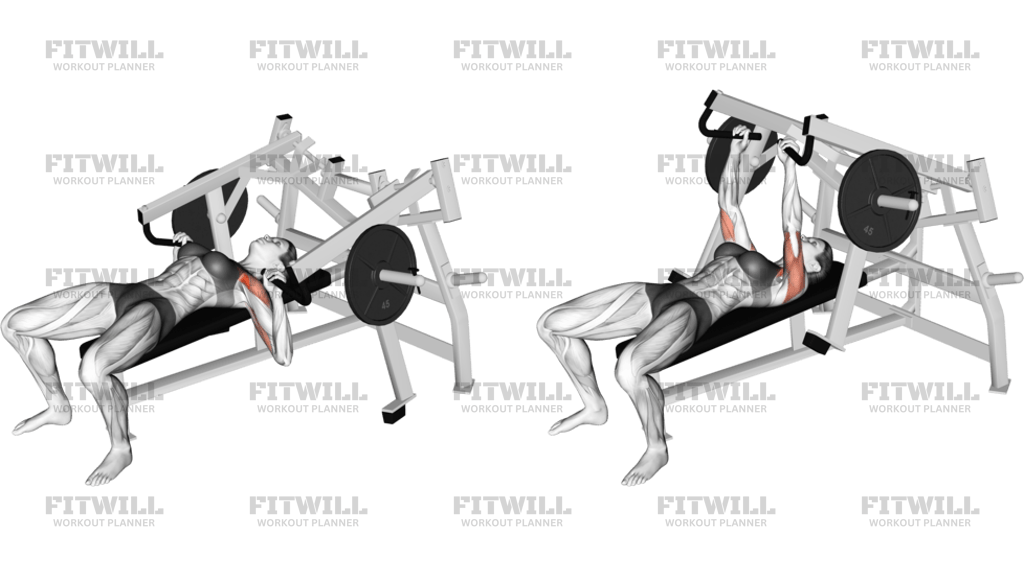
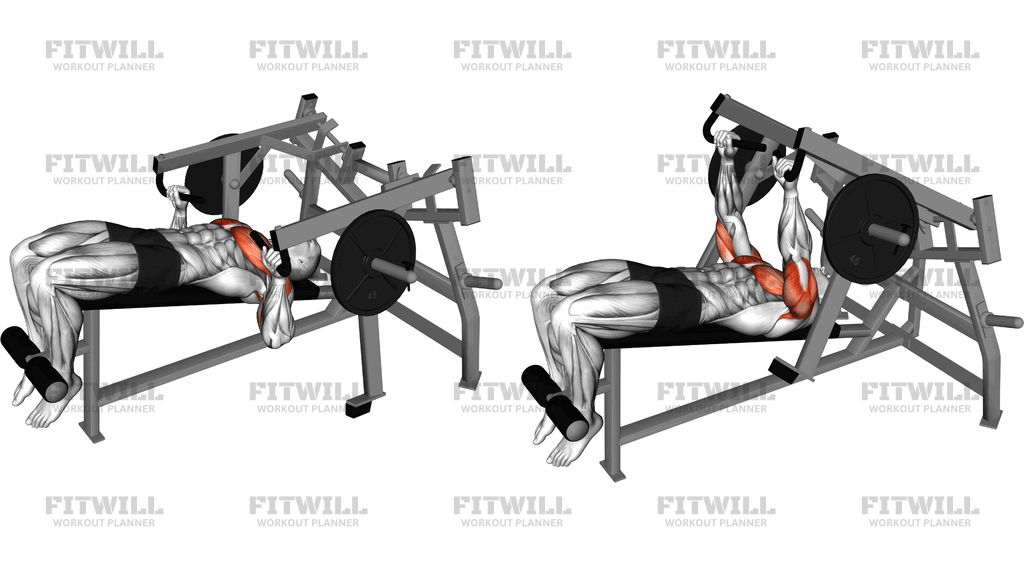
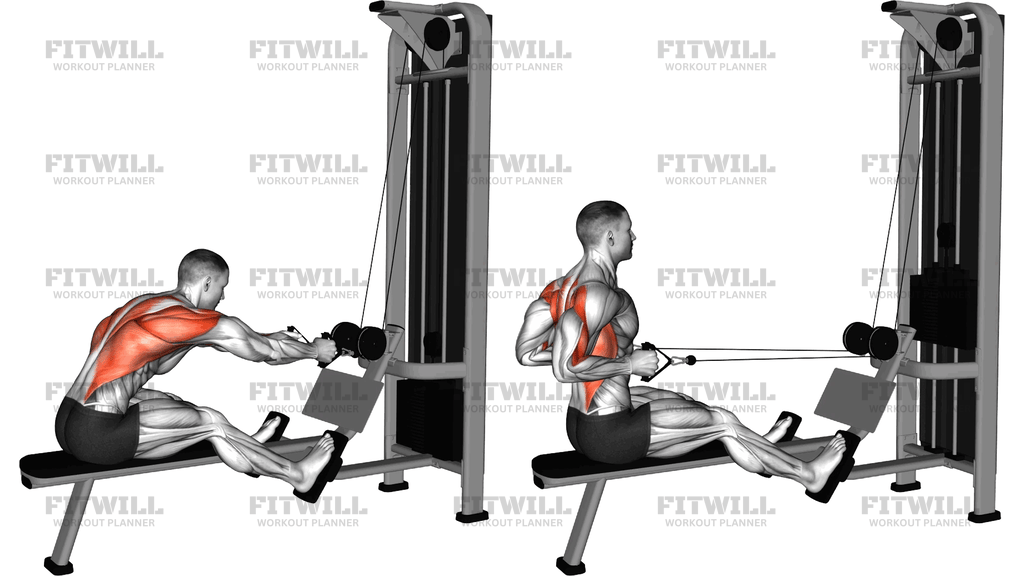
Sitting Elbow Clap On A Chair
Sitting Elbow Clap On A Chair is a seated chest exercise performed by pressing your palms together in front of your face and squeezing your elbows toward each other. Because your hands are locked against each other, the only way your elbows can move inward is by contracting the chest muscles hard. That self-resisted squeeze is the entire point of the movement — you create the load yourself, which means no dumbbells, bands, or machines are needed.
This exercise is a good fit for anyone who needs chest work without equipment or floor work: office workers breaking up long sitting periods, beginners learning what a chest contraction actually feels like, older adults who want a low-strain option, or lifters using it as a warm-up before pressing. It can be done at a desk, at home, or on a stable chair virtually anywhere.
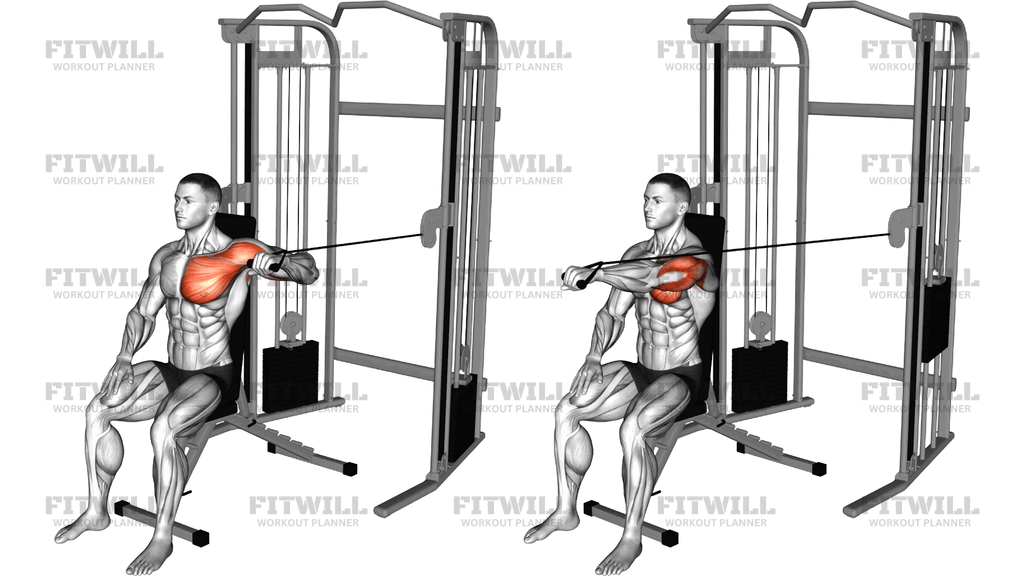
The primary muscles working are the pectorals, with strong assistance from the front of the shoulders as they help bring the upper arms forward and inward. Your triceps and forearms stay busy holding the palms pressed together, and sitting upright with your ribs stacked over your pelvis quietly trains your postural muscles and deep core. The highlighted effort sits right across the chest and front shoulder area, which is exactly where you should feel it.
Setup matters more than it looks. A chair without wheels, feet flat on the floor, and an upright torso give you a stable base so the effort stays in your chest instead of leaking into your lower back. Elbow height is the other key variable: keeping the elbows roughly at chest-to-face level keeps the resistance line where the pecs work best.
To execute it well, press your palms together firmly at face height, then slowly draw your elbows toward each other in front of you without letting your palms slide. Squeeze hard for a moment at the closest point, then let the elbows drift back out under control while maintaining the same palm pressure. The tension should never drop between reps.
A few practical points: keep your shoulders relaxed away from your ears, breathe steadily instead of holding your breath during the squeeze, and match effort to what feels like a strong but comfortable muscle contraction. If you feel it more in your neck or shoulders than your chest, lower your hands slightly and reduce the pressing force.
[ Workout Log & Planner ]
Put your next workout in Fitwill
Keep your plan and training log ready when you are.


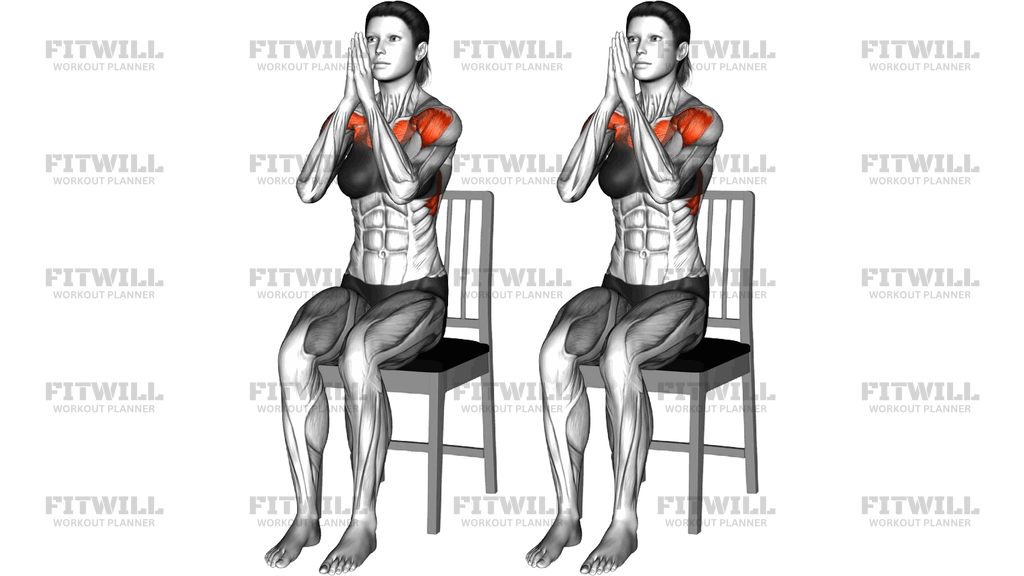
Instructions
- Sit on a stable chair without wheels, with your feet flat on the floor about hip-width apart and your back upright off the backrest.
- Bring your palms together in front of your face, fingers pointing up, and press them firmly against each other at roughly nose height.
- Let your elbows flare out to the sides so your upper arms are about parallel to the floor, and pull your shoulders down away from your ears.
- Brace your abdominal muscles lightly and keep your ribs stacked over your pelvis so your torso stays still.
- Exhale as you squeeze your elbows toward each other in front of your face, keeping your palms pressed together with the same firm pressure the whole time.
- Hold the closest elbow position for one to two seconds, feeling the contraction across your chest and the fronts of your shoulders.
- Inhale as you slowly let your elbows drift back out to the starting width, resisting the opening instead of relaxing suddenly.
- Complete your target repetitions with continuous palm pressure, then release your hands, drop your arms, and roll your shoulders to reset before the next set.
Tips & Tricks
- The most common mistake is letting the palms slide or lose pressure as the elbows come together — the squeeze then becomes empty. Keep constant, even contact between the palms for every rep.
- If you feel the work in your neck instead of your chest, your hands are usually too high or your shoulders are creeping up. Lower your hands to chin or chest height and actively press your shoulders down.
- Do not let your lower back arch or your torso rock backward as you squeeze. Sitting tall with a light abdominal brace keeps the tension in the chest.
- Squeezing as hard as possible is unnecessary. Aim for about seventy to eighty percent effort — a firm, controlled contraction you could hold for a full second without straining your face or jaw.
- Bending the wrists backward is a common fault when pressing hard. Keep your wrists straight and in line with your forearms so the force goes through the palms, not the wrist joints.
- Tempo is what makes this exercise work. Take two to three seconds to bring the elbows in and two to three seconds to let them out, rather than snapping in and out quickly.
- If the chair feels unstable or too low, switch to a firmer, standard-height seat so your thighs are roughly parallel to the floor and your hips stay level.
- Use this as an activation drill before bench pressing or push-ups: one or two sets of slow squeezes helps you feel your chest contracting before loaded pressing.
Frequently Asked Questions
What muscles does Sitting Elbow Clap On A Chair work?
The chest muscles are the main movers, with the front of the shoulders assisting as the elbows drive inward. The triceps, forearms, and postural muscles of the trunk work to hold the seated position and keep the palms pressed together.
How does the Sitting Elbow Clap On A Chair create resistance without weights?
You press your palms firmly against each other, so your chest has to contract to pull the elbows inward against that self-created resistance. The harder you press and squeeze, the more load the chest receives.
Is this exercise good for beginners?
Yes, it is one of the simplest ways to learn what a chest contraction feels like because there is no external weight to manage. Beginners should start with light palm pressure and focus on feeling the pecs, not on squeezing maximally.
Why should my elbows be at face height during the Sitting Elbow Clap On A Chair?
Keeping the hands and elbows around nose or chin height puts the upper arms in the position where the chest and front shoulders contract most effectively. If the hands drop too low, the shoulders tend to take over and the squeeze feels weaker.
What is the most common mistake with this movement?
Letting the palms slide apart or lose pressure as the elbows come together, which removes the resistance entirely. Another frequent error is shrugging the shoulders toward the ears, so keep them pressed down throughout.
Can I do the Sitting Elbow Clap On A Chair at my desk?
Yes, as long as your chair does not roll and your feet can rest flat on the floor. It is a discreet option for short movement breaks during the workday.
What can I use instead of a chair?
Any firm, stable seat such as a bench, sturdy stool, or the edge of a bed works, as long as your hips are level and your feet reach the floor. You can also stand and perform the same palm-press and elbow squeeze once seated feels comfortable.
Is it safe to squeeze as hard as I can?
A firm squeeze is fine, but maximal straining can build tension in the neck, jaw, and wrists and can spike blood pressure if you hold your breath. Keep steady breathing, straight wrists, and an effort level that feels strong but controlled.
How many repetitions and sets should I do?
Because the resistance comes from your own effort, use a moderate number of controlled reps, around ten to fifteen per set, for two to three sets. Focus on a full one-to-two-second hold at the closest elbow position on every rep.