Penguin Step
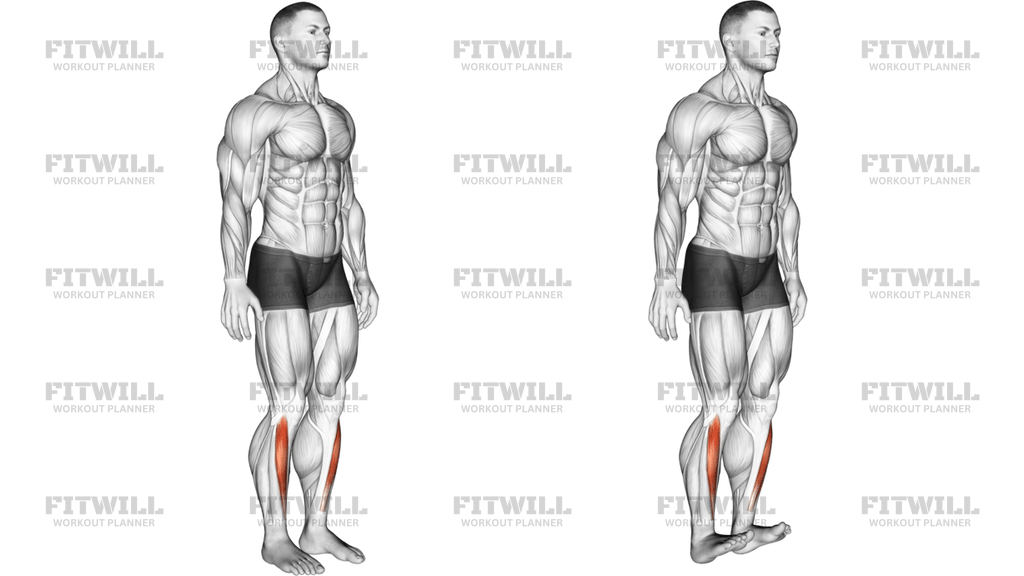
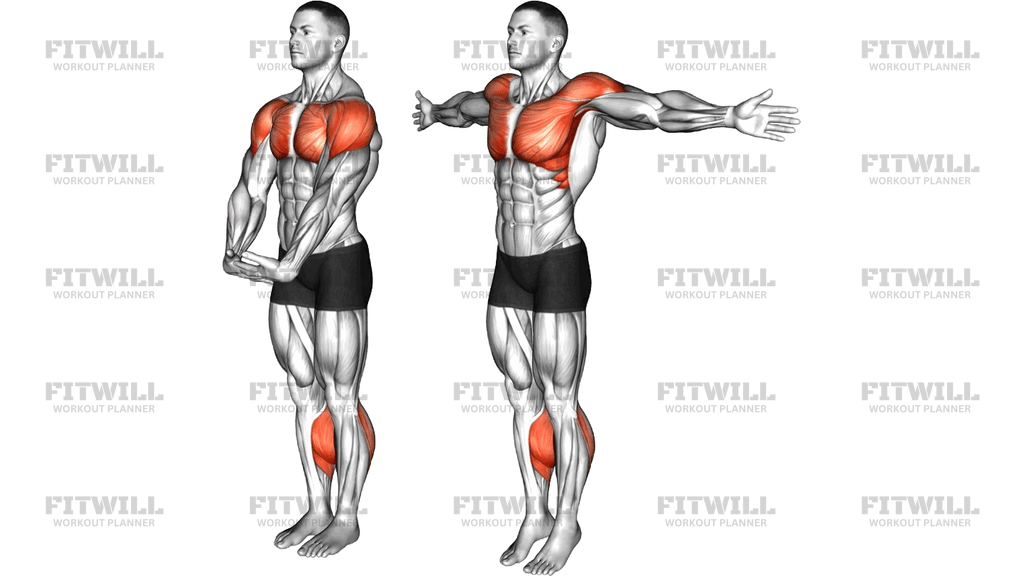
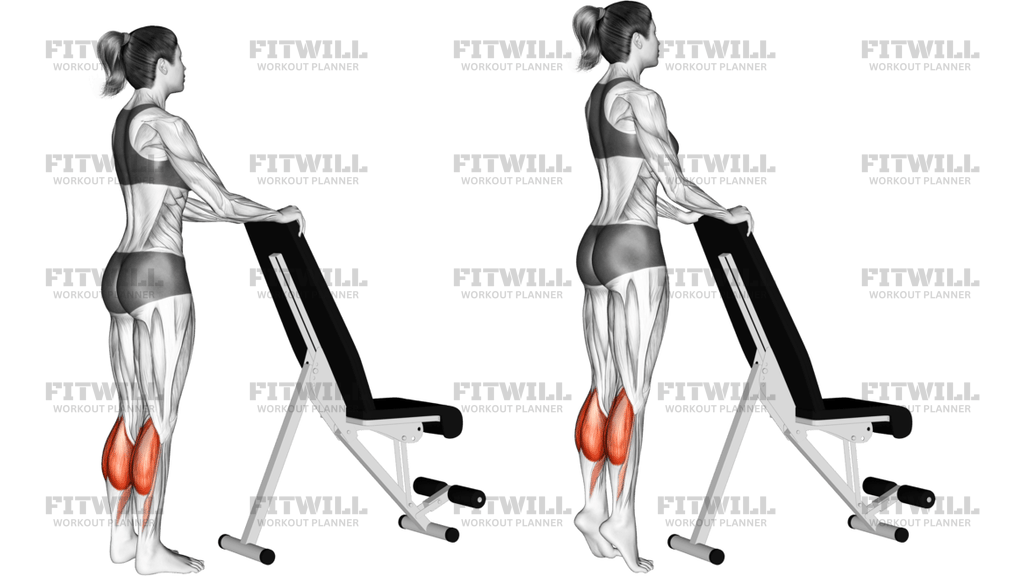
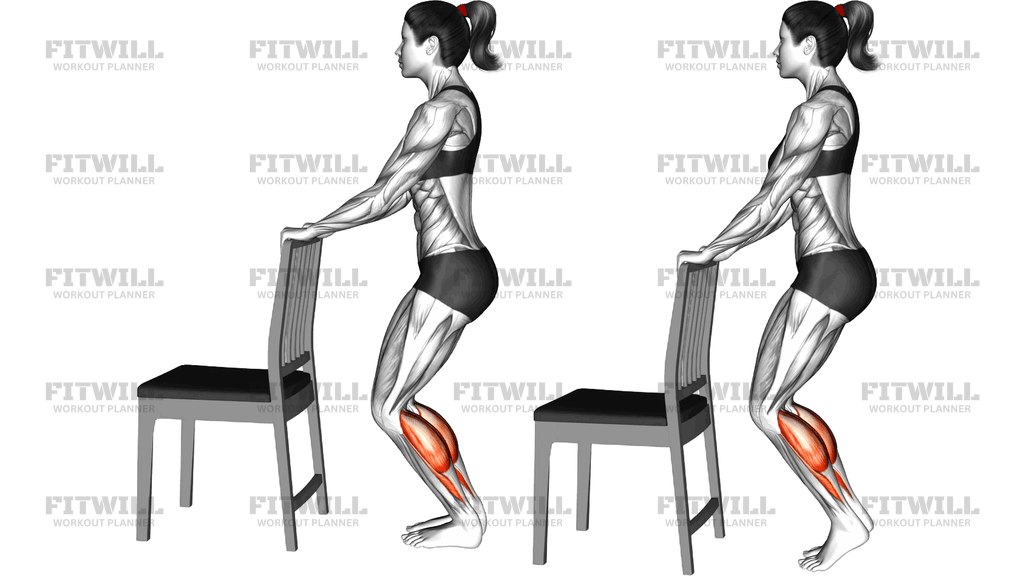
The Penguin Step is a calf-focused body weight exercise where you stay up on the balls of your feet the entire time and take small, controlled steps forward. Instead of planting your whole foot with each stride, you keep your heels lifted away from the floor and walk with short, deliberate penguin-like shuffles, letting each step drive through the calf and the ball of the foot. It looks almost silly from the outside, but the constant tension on the lower leg makes it surprisingly demanding within a few meters.
This movement is useful for anyone who wants stronger, more resilient calves without equipment. Runners, jumpers, and court-sport athletes benefit because calf endurance and ankle stability directly affect push-off, landing, and change of direction. It is also a gentle entry point for beginners or people returning from time off, since the load is simply your body weight and the intensity is controlled by distance and step height.
The primary muscles worked are the calves, specifically the gastrocnemius and the soleus, which handle the push-off on every step. The smaller muscles around the ankle joint work continuously to keep you balanced on the forefoot, which is what makes the Penguin Step more than just a calf builder — it is also a foot and ankle control drill. Because the knee stays relatively soft and the movement is low impact, the joints above the ankle are not heavily stressed.
Setup matters less here than in weighted lifts, but posture still determines quality. Standing tall with hands on the hips or arms relaxed at your sides keeps your weight stacked over your hips and feet. If you lean forward or hunch, the calves stop doing the work cleanly and your balance suffers. Rising fully onto the balls of the feet before the first step, and staying there for every step after, is the whole point of the exercise.
To execute it well, lift your heels as high as your range allows, then take steps of roughly half a foot length, rolling from the ball of one foot to the ball of the other. Keep each step short and quiet — slamming the forefoot down defeats the purpose. Breathe steadily and treat it like a march on tiptoes rather than a sprint. Most people use it as a warm-up drill, a finisher after leg training, or as short walking sets of 10 to 30 meters.
For safety, start on a flat, non-slippery surface and stay near a wall if you are unsure of your balance. If you feel a cramp coming on in the calf — which is common early on — stop and slowly lower your heel to stretch it out before continuing. Progress by adding distance or sets before you add speed, since sloppy, rushed steps shift the work away from the calves.
[ Workout Log & Planner ]
Put your next workout in Fitwill
Keep your plan and training log ready when you are.


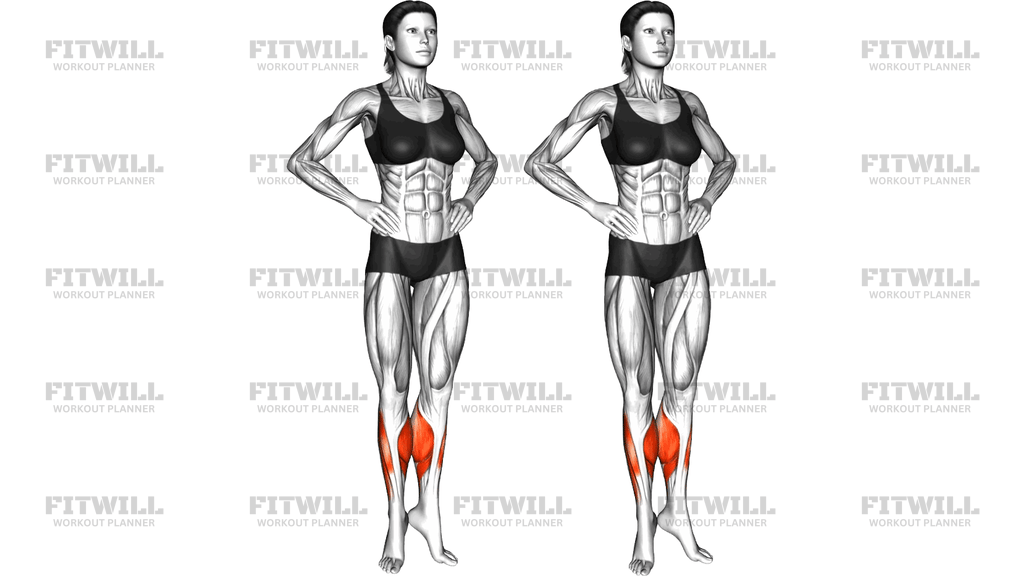
Instructions
- Stand tall with your feet about hip-width apart and place your hands on your hips or let your arms hang relaxed at your sides.
- Rise onto the balls of both feet, lifting your heels as high as you comfortably can so your weight sits over the toes and forefoot.
- Brace your core lightly and keep your gaze forward to help with balance before you take your first step.
- Step forward with one foot using a short step, roughly half a normal stride, landing softly on the ball of the foot with the heel still off the floor.
- Bring the other foot through the same way, staying on the forefoot with every step and never letting a heel touch down.
- Keep your torso upright and your hips stacked over your feet — avoid leaning forward as you travel.
- Exhale smoothly through the steps and avoid holding your breath, especially as the calves start to burn.
- Walk a set distance, such as 10 to 20 meters, then stop and lower your heels slowly to the floor to finish the set.
- Rest briefly, shake out the calves if needed, and reset your tall posture before starting the next set.
Tips & Tricks
- Keep your steps deliberately small — long strides force the heel down and the calves lose constant tension.
- Land quietly. A loud slapping forefoot means you are dropping weight fast instead of controlling the landing with the calf.
- If you wobble, spread your feet slightly wider than a tightrope line and fix your eyes on a point ahead rather than looking down at your feet.
- A common mistake is letting the heels creep lower with each step; check after every few steps that you are still fully on the balls of your feet.
- Do not lock your knees. A soft, almost straight knee keeps the emphasis on the calf instead of dumping stress into the joint.
- Expect calf cramps in your first sessions — shorten the distance and stretch the calf by dropping one heel off a step between sets.
- Work barefoot or in flat, flexible shoes so the foot can grip the floor; thick, cushioned running shoes make balancing on the forefoot harder.
- Use your hands on your hips as a balance reference, but if you truly need support, hover a hand near a wall instead of leaning on it.
- Progress with distance or total steps first; only speed up once you can complete the set without a single heel touching down.
Frequently Asked Questions
What muscles does the Penguin Step work?
The Penguin Step primarily targets the calves — the gastrocnemius and soleus — through constant forefoot walking. The smaller ankle stabilizer muscles also work the whole time to keep you balanced on the balls of your feet.
Is the Penguin Step good for beginners?
Yes, it is a low-impact body weight drill that beginners can scale easily by shortening the distance. Start with 5 to 10 meters and stay near a wall until your balance on the forefoot feels secure.
Why should my heels never touch the floor during Penguin Steps?
Keeping the heels lifted is what maintains continuous tension on the calves, which is the core of the exercise. If a heel drops with each step, it becomes an ordinary walk and the calf training effect largely disappears.
How far or how long should I walk?
A practical starting point is 3 to 4 sets of 10 to 15 meters, resting about a minute between sets. Increase distance gradually as your calves tolerate the burn without cramping.
My calves cramp when I do the Penguin Step — what should I do?
Cramping is common because the calves stay shortened under load. Stop, lower your heels slowly, and gently stretch the calf, then resume with a shorter distance or a slightly lower heel height.
Can I do Penguin Steps as a warm-up?
Yes, they work well as a lower-leg warm-up before running, jumping, or leg training because they raise calf temperature and prime ankle stability. Keep the early sets short and easy so you do not fatigue the calves before your main work.
What can I use instead of Penguin Steps if I need a substitution?
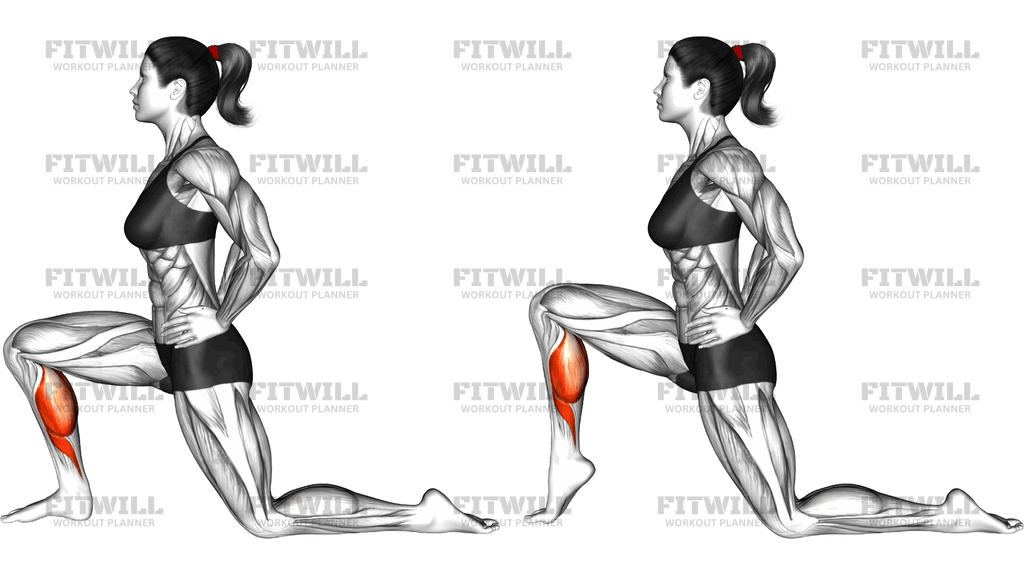
Standing calf raises train the same muscles in place, and walking lunges with a heel raise add calf work to a larger movement. Slow stationary marching on the toes is the closest swap if you have very little space.
Should my knees be straight or bent during the Penguin Step?
Keep the knees soft and nearly straight — not locked, not deeply bent. Locked knees feel unstable on the forefoot, while heavily bent knees shift the work toward the quads and away from the calves.
Is the Penguin Step safe for the ankles?
For healthy ankles it is generally safe and can build ankle stability, but start on a flat, non-slip surface and hold a light wall touch if balance is shaky. If you have a recent ankle injury, clear the movement with a professional first.