Quarter Sit Up With Pillow
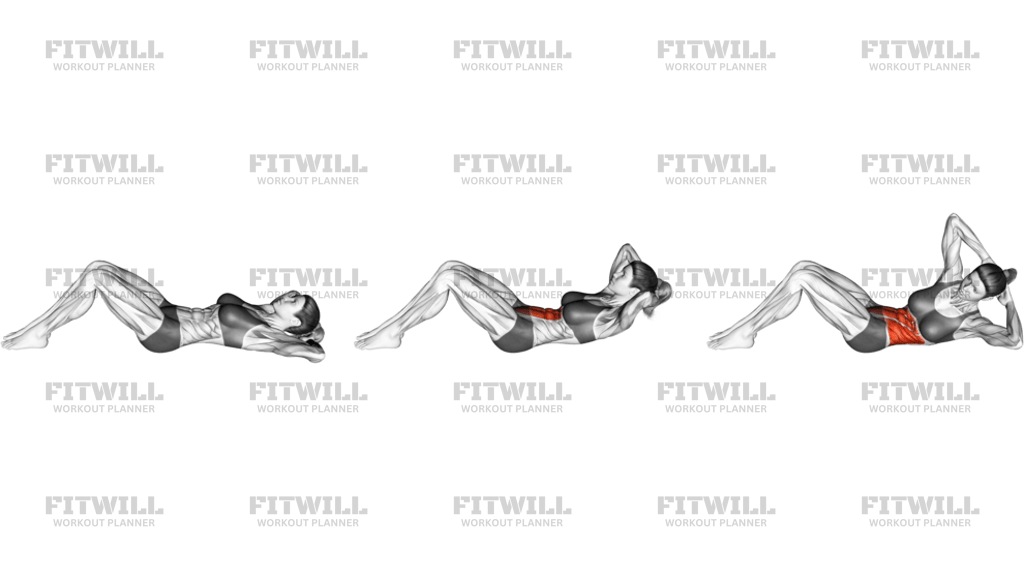
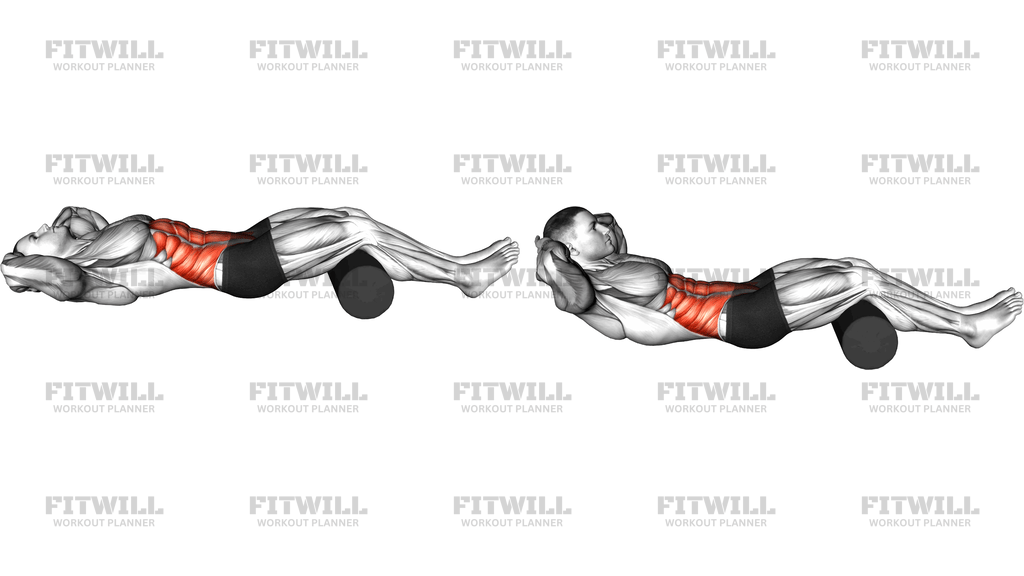
The Quarter Sit Up With Pillow is a beginner-friendly abdominal exercise performed lying on your back with a pillow placed under your knees. From that position you curl your head, shoulders, and upper back a short distance off the floor — roughly a quarter of the way toward a full sit-up — before lowering back down under control. The pillow under the knees is not just for comfort: it tilts the pelvis slightly and reduces strain on the lower back, which makes the movement easier to perform with a neutral spine.
This exercise is especially useful for people who are new to core training, returning after a layoff, or anyone who finds full sit-ups uncomfortable on the neck or lower back. Because the range of motion is short, the focus stays on the abdominal wall doing the work rather than momentum or hip flexor strength. The primary muscle worked is the rectus abdominis, with the obliques assisting to stabilize the trunk and the hip flexors contributing lightly as the torso lifts.
Setup matters more than it might seem. Lying on a mat with the knees bent and supported by the pillow keeps the lumbar spine relaxed and lets you concentrate on curling the ribcage toward the pelvis. Hands are placed lightly behind the head or beside the ears — never pulled behind the neck — so the arms act only as support for the head's weight. Feet stay flat on the floor, hips stay down, and the curl comes from the upper spine flexing, not from yanking the head forward.
To perform the movement well, exhale as you lift, peel the shoulders off the mat a few inches, and hold the top briefly while keeping the abs tight. Inhale as you lower back down slowly, letting the shoulder blades touch the floor before starting the next rep. The slow, deliberate tempo is what makes this exercise effective despite its small range of motion.
Common use cases include warm-up core activation, learning proper abdominal bracing before progressing to crunches and full sit-ups, and low-impact home training where no equipment beyond a pillow and a mat is needed. The main safety points are simple: keep the neck neutral, avoid bouncing, and stop if you feel pinching in the lower back or neck rather than work in the abdominals.
[ Workout Log & Planner ]
Put your next workout in Fitwill
Keep your plan and training log ready when you are.


Instructions
- Place an exercise mat on the floor and set a pillow nearby, positioned where your knees will rest.
- Lie flat on your back, bend your knees, and rest the backs of your knees and lower calves on top of the pillow so your legs are supported and relaxed.
- Place your hands lightly behind your head or beside your ears with elbows flared out, and let your feet rest flat on the floor.
- Draw your belly button slightly inward and brace your abdominals before you begin moving.
- Exhale and curl your head, shoulders, and upper back off the mat by a few inches, focusing on bringing your ribcage toward your pelvis.
- Pause for a moment at the top with your abdominals tight, keeping your chin a fist's distance from your chest and your lower back in contact with the floor.
- Inhale and lower your torso back down slowly until your shoulder blades touch the mat.
- Reset your brace briefly, then repeat for the desired number of repetitions.
- Keep your hips and feet planted throughout the set — the only moving parts are your head, shoulders, and upper back.
Tips & Tricks
- The most common mistake is pulling on the back of the head with your hands. Rest your fingers against your temples instead and let the abs lift your torso.
- If your lower back arches or lifts off the mat, the pillow may be too thick or positioned too far from your hips; adjust it so your knees are comfortably supported and your pelvis stays neutral.
- Curling too high turns this into a full sit-up and shifts work to the hip flexors. Stay in the quarter range where your shoulder blades barely clear the floor.
- Move slowly through the top portion rather than bouncing. The short range only works if you create tension deliberately.
- Imagine your ribs sliding toward your belt line rather than your chin reaching toward your knees — this cue keeps the work in the abdominals.
- Keep your chin lifted slightly, as if holding an orange under it. Tucking the chin all the way to the chest strains the neck.
- Breathe out on the way up and in on the way down; holding your breath through the whole set is a common habit that makes bracing harder to maintain.
- If your neck fatigues before your abs, try resting your head in one hand with the opposite arm reaching toward your knee for a lighter variation.
Frequently Asked Questions
What muscles does the Quarter Sit Up With Pillow work?
The rectus abdominis, the front wall of the abs, does most of the work. The obliques stabilize the trunk and the hip flexors assist lightly as you curl up.
Why is there a pillow under my knees for this exercise?
The pillow supports the bent knees and tilts the pelvis slightly, which keeps the lower back comfortable and reduces tension in the hip flexors so the abdominals do more of the work.
How far should I lift my torso in the Quarter Sit Up With Pillow?
Only until your shoulder blades clear the floor by a few inches, roughly a quarter of the distance to a full sit-up. Going higher shifts effort toward the hip flexors.
Is the Quarter Sit Up With Pillow good for beginners?
Yes, it is one of the easiest ways to learn abdominal curling. The short range of motion and knee support make it gentler on the neck and lower back than full sit-ups.
Why does my neck hurt when I do the Quarter Sit Up With Pillow?
You are most likely pulling your head forward with your hands or tucking your chin too tightly to your chest. Keep your hands resting beside your ears without pulling, and keep a small gap between chin and chest.
How does this differ from a regular crunch?
The movement path is very similar, but the pillow under the knees changes the pelvic position and takes some hip flexor involvement out, while the quarter range emphasizes a controlled partial curl.
What can I use if I don't have a pillow?
A folded towel, a small cushion, or a foam roll placed under the knees works the same way. The goal is simply comfortable support for the bent knees.
How many repetitions should I do?
Start with 10 to 15 slow, controlled repetitions for 2 to 3 sets. Because the range is short, quality of the curl matters far more than the number of reps.
Is it safe for my lower back?
For most people the supported knee position keeps the lower back comfortable. Keep your lower back in contact with the mat, avoid bouncing, and stop if you feel pain rather than muscle effort.
When should I progress beyond the Quarter Sit Up With Pillow?
Once you can complete your sets with steady tempo and no neck strain, progress to full-range crunches, then more demanding variations like weighted or decline sit-ups.