Sitting Calf Stretch With Towel
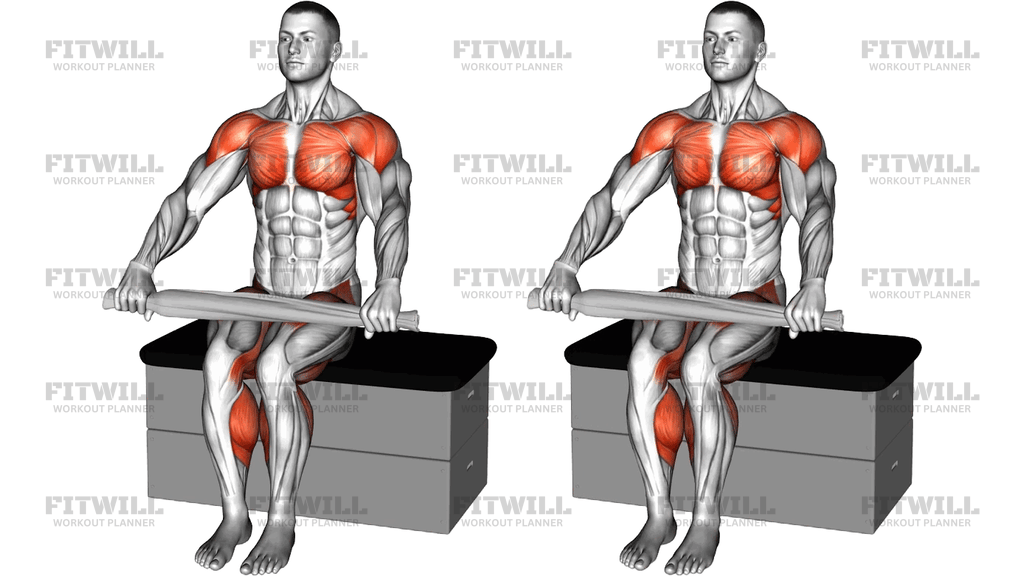
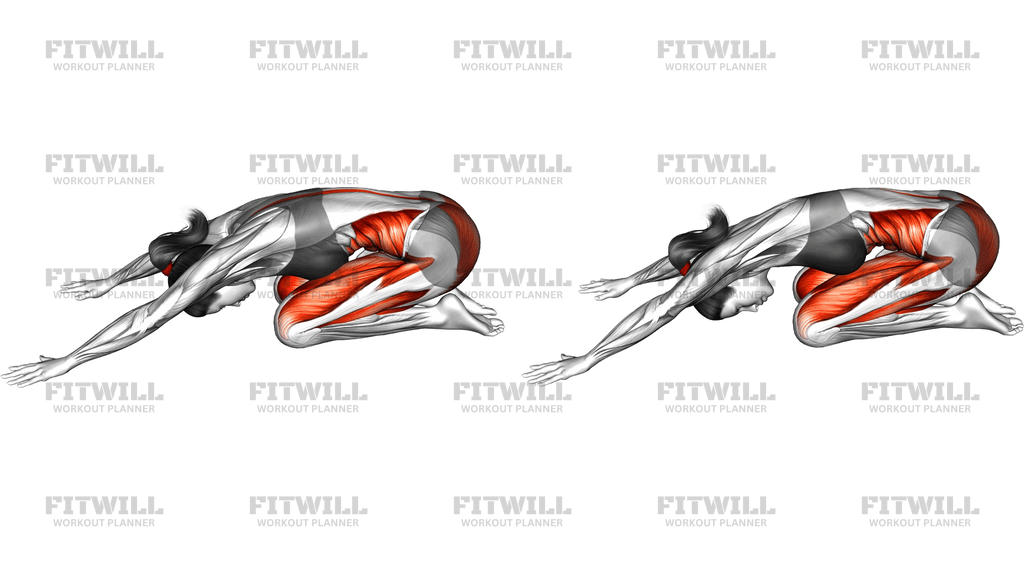
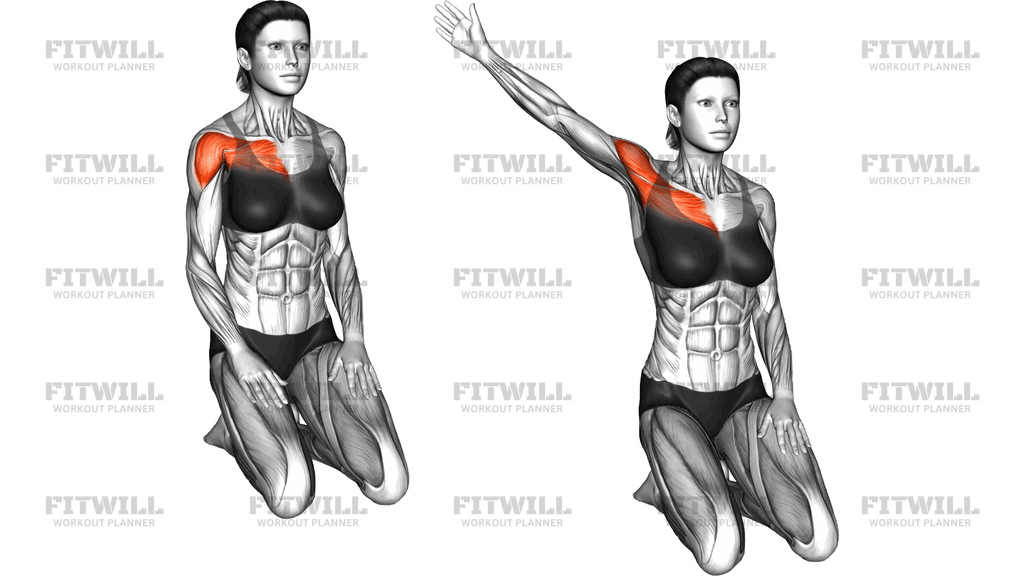
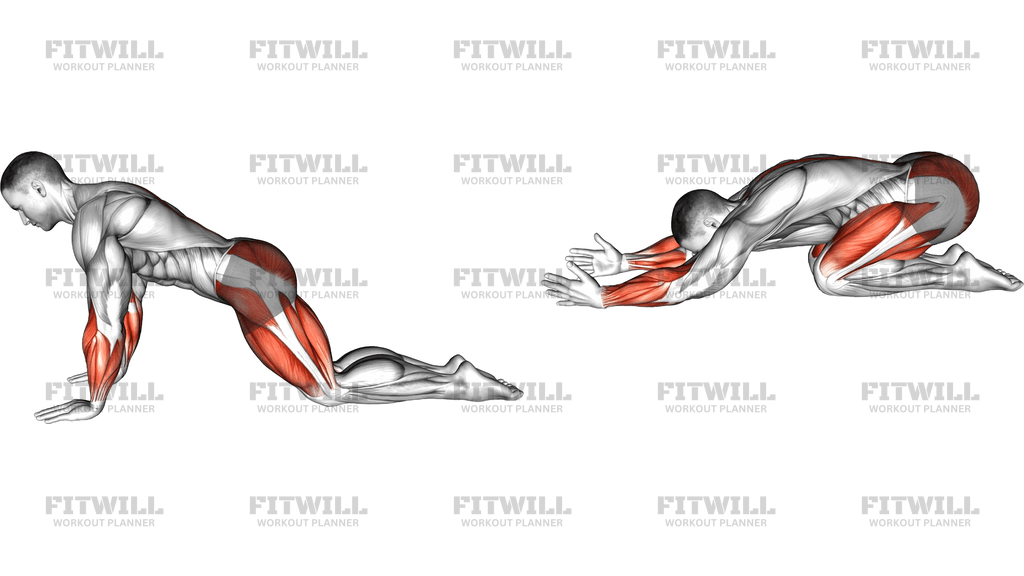
The Sitting Calf Stretch With Towel is a simple, self-assisted stretch that targets the muscles along the back of the lower leg. You sit on the floor with one leg extended in front of you, loop a towel around the ball of your foot, and gently pull the ends of the towel toward you so your toes draw back toward your shin. The highlighted area in the movement is the calf itself, with the gastrocnemius taking most of the load when the knee stays straight.
This stretch is especially useful for runners, cyclists, hikers, and anyone who spends long hours standing or wearing heeled shoes, all of which tend to leave the calves short and tight. It is also a common rehabilitation and maintenance tool for people managing calf stiffness after training, plantar heel discomfort, or limited ankle mobility. Because the towel does the work of your hands, you can control the intensity precisely and hold the position comfortably for 20 to 60 seconds.
The setup matters more than most people expect. Keeping the stretched knee fully straight biases the stretch toward the gastrocnemius, the two-headed muscle that crosses both the knee and ankle. If you soften or bend the knee, tension shifts down toward the soleus, which sits beneath it and only crosses the ankle. Both versions are valuable, and slightly different angles let you bias one or the other without changing equipment.
To execute it well, sit tall rather than slumped, keep the extended leg relaxed but not locked, and pull the towel back in small increments instead of one sharp tug. A useful cue is to move the toes toward your shin rather than dragging the whole leg toward your chest. Breathe steadily and let the tissue release over time; forcing the stretch usually just makes the calf guard against you. A mild pull along the back of the lower leg is the goal, never sharp pain at the heel or Achilles.
A few practical points keep it safe and effective. If your hamstrings or lower back complain in a seated position, prop your hips on a folded mat or cushion so your torso can stay upright. Keep the towel wrapped across the ball of the foot and toes, not behind the heel, so the pull targets the calf rather than compressing the heel pad. Stretch after training or a warm shower when the muscle is warm, hold each side two to three times, and repeat on both legs even if only one feels tight.
[ Workout Log & Planner ]
Put your next workout in Fitwill
Keep your plan and training log ready when you are.


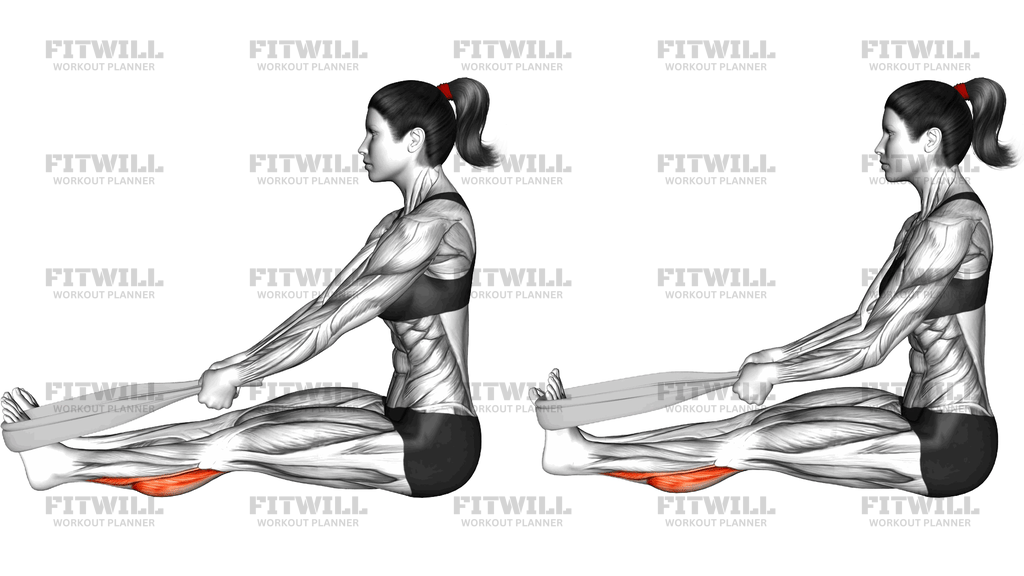
Instructions
- Sit on the floor with both legs extended straight in front of you and your torso upright.
- Loop a towel across the ball of one foot, wrapping it over the toes so it sits securely on the forefoot.
- Hold one end of the towel in each hand with your arms extended toward your foot, and lengthen your spine before you start pulling.
- Keep the stretched knee straight so the calf is fully lengthened from knee to ankle.
- Brace your core lightly and exhale as you slowly pull the towel ends back toward your torso, drawing your toes up toward your shin.
- Stop at the point where you feel a steady, mild-to-moderate stretch along the back of your lower leg, and hold for 20 to 60 seconds.
- Breathe slowly and evenly through the hold, letting the tension ease slightly as the muscle relaxes.
- To emphasize the deeper soleus, slide the towel to the other foot and repeat with the stretched knee slightly bent.
- Release the tension gradually by letting the towel ease forward, then switch legs and repeat for the same number of holds.
Tips & Tricks
- Do not yank the towel back at full speed; a sudden pull can trigger a protective contraction in the calf and actually reduce the stretch.
- If your heel lifts off the floor as you pull, you are pulling too far too fast; ease off until the whole leg stays grounded.
- Slouching toward your foot is a common mistake. Sit tall and let the towel create the dorsiflexion instead of folding your torso.
- If the towel slips off your toes, reposition it so it wraps across the ball of the foot with a full turn over the top of the foot.
- A straight knee emphasizes the gastrocnemius, while a slightly bent knee shifts the pull to the soleus; choose the angle that matches your goal.
- If your hamstrings tighten and your pelvis tucks under, sit on a small cushion or folded mat to tilt your hips forward and free up your torso.
- Expect a first round that feels tight and a second or third hold that feels noticeably looser; repeat holds on the same leg rather than stopping after one.
- Avoid pointing your toes of the non-working leg; keep that foot relaxed and upright so your pelvis stays square.
- Stop if you feel sharp pain at the heel or along the Achilles tendon rather than a broad pull in the belly of the calf.
Frequently Asked Questions
Which muscles does the Sitting Calf Stretch With Towel target?
It primarily targets the gastrocnemius, the large superficial calf muscle, when the knee is held straight. The soleus, which sits beneath it, assists and takes over more of the stretch if you allow the knee to bend slightly.
Why use a towel instead of just reaching for my foot?
A towel lets you keep your back and knees straighter while still applying strong, adjustable tension to the ball of the foot. Many people cannot reach their own toes comfortably, and the towel gives better leverage without straining the lower back.
How does knee position change the Sitting Calf Stretch With Towel?
A straight knee lengthens the gastrocnemius because that muscle crosses the knee joint. Bending the knee relaxes the gastrocnemius and shifts the stretch toward the deeper soleus, so the two positions are complementary rather than interchangeable.
How long should I hold the stretch?
Hold each repetition for 20 to 60 seconds and complete two to three holds per side. If your calves are very tight, start at the shorter end and build duration as the muscle tolerates it.
Is this a good stretch for beginners?
Yes, it is one of the most beginner-friendly calf stretches because the intensity is fully controlled by how hard you pull the towel. Beginners should aim for a mild pull and resist the urge to force the toes back aggressively.
What is the most common mistake in this stretch?
The most common mistake is yanking the towel back quickly or pulling so hard that the heel lifts off the floor. Both reduce the quality of the stretch and can irritate the Achilles area, so pull in small increments with the whole foot grounded.
When should I do the Sitting Calf Stretch With Towel?
It works well after running, cycling, leg training, or any long day on your feet, when the calves are warm. Stretching warm muscle is generally more comfortable and lets you reach a fuller, more tolerable range.
Can I substitute anything if I do not have a towel?
A resistance band, strap, or belt works the same way when looped around the ball of the foot. Choose something non-elastic if you want the pull to stay steady, since stretchy bands require more tension to reach the same angle.
Should I feel the stretch in my Achilles tendon or heel?
The intended sensation is a broad pull through the belly of the calf, not a sharp line of pain at the heel or Achilles. If you feel pinpoint discomfort there, reduce the pull, check that the towel sits on the ball of the foot, and ease the angle back.
Is it safe if I have a history of Achilles problems?
Use a very gentle pull and a short hold, and avoid any position that produces sharp or pinpoint pain at the tendon. If you are recovering from an Achilles injury, check with a qualified health professional before loading the tendon with this stretch.