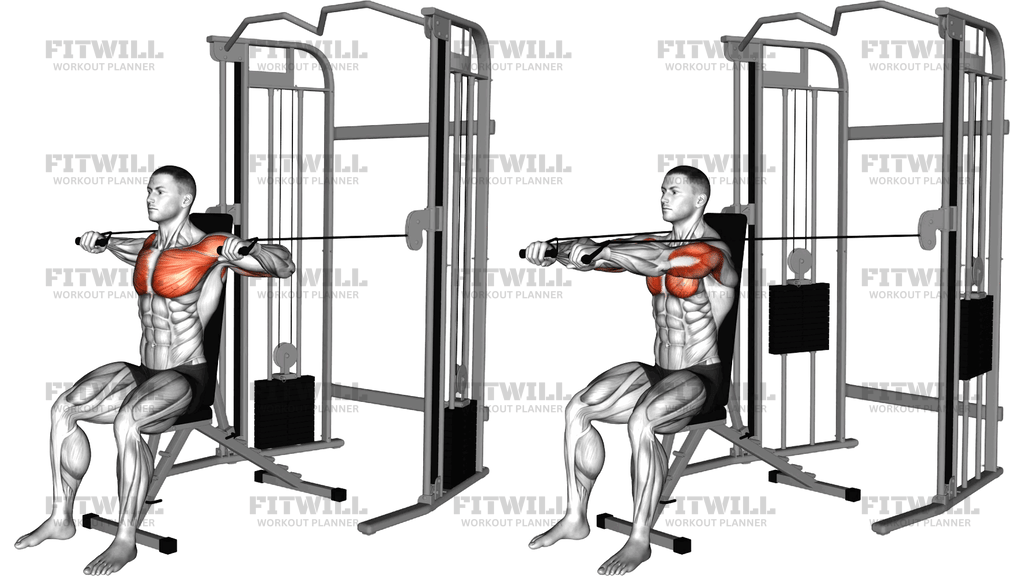
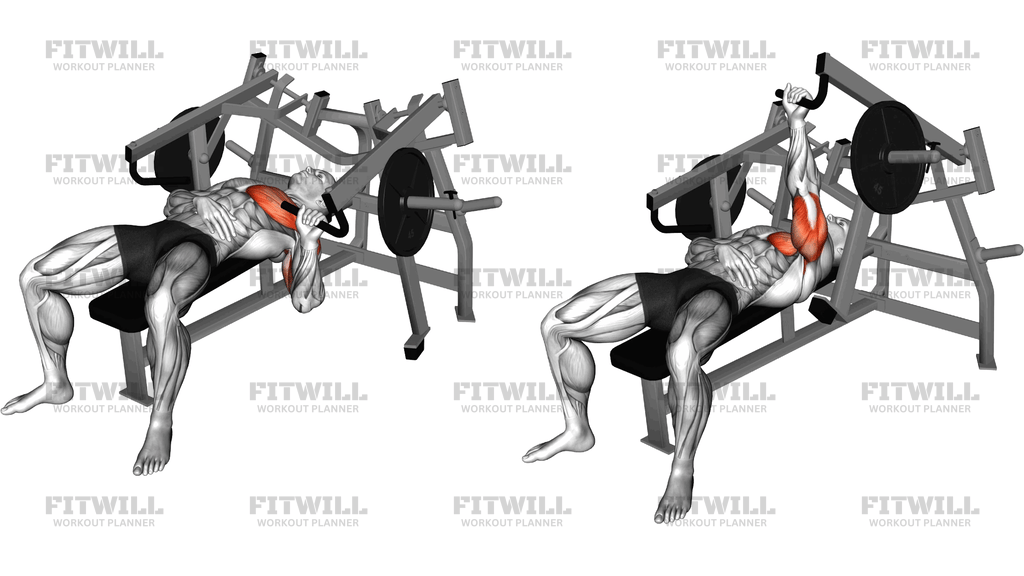
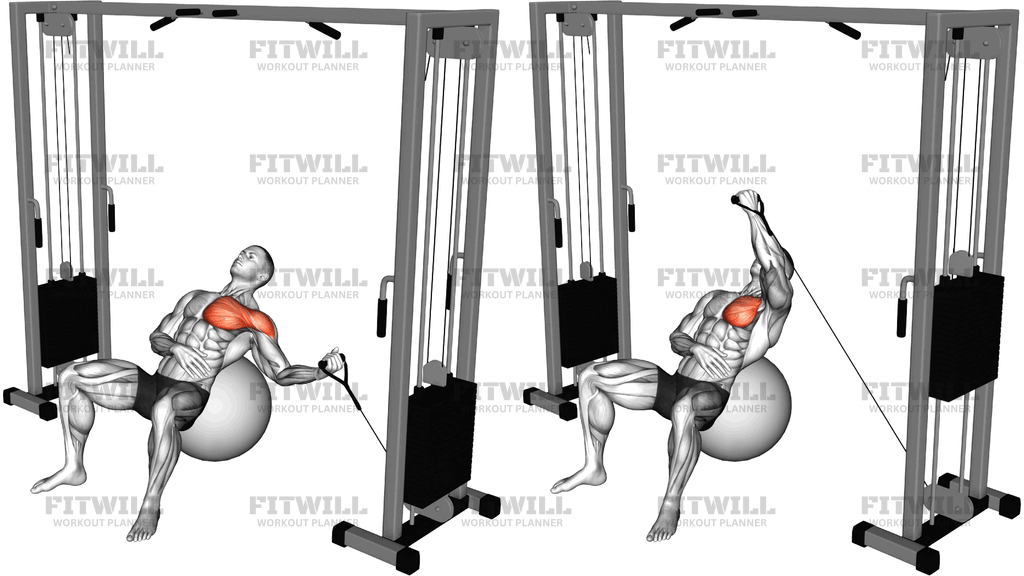
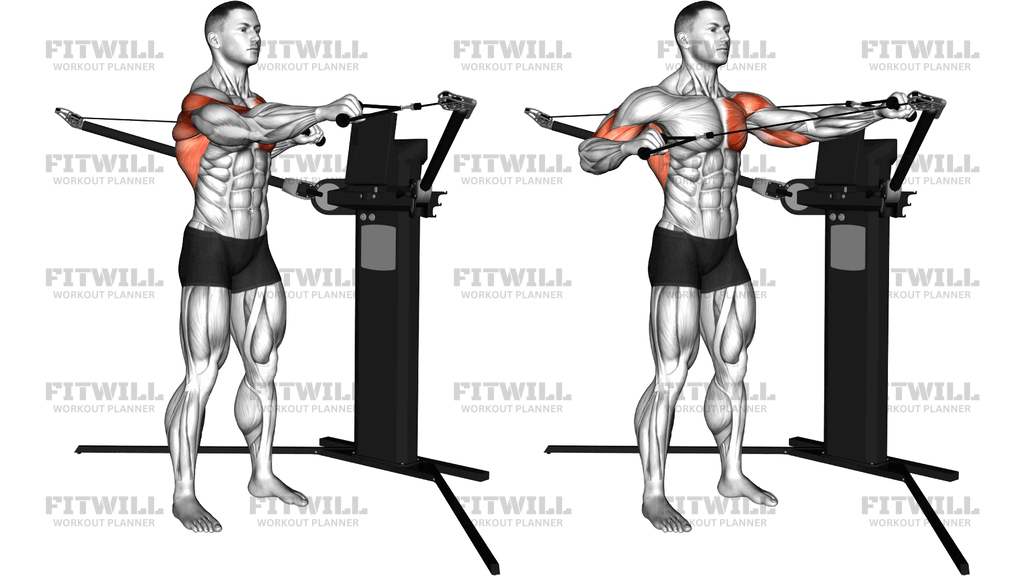
Cable Standing Close Press
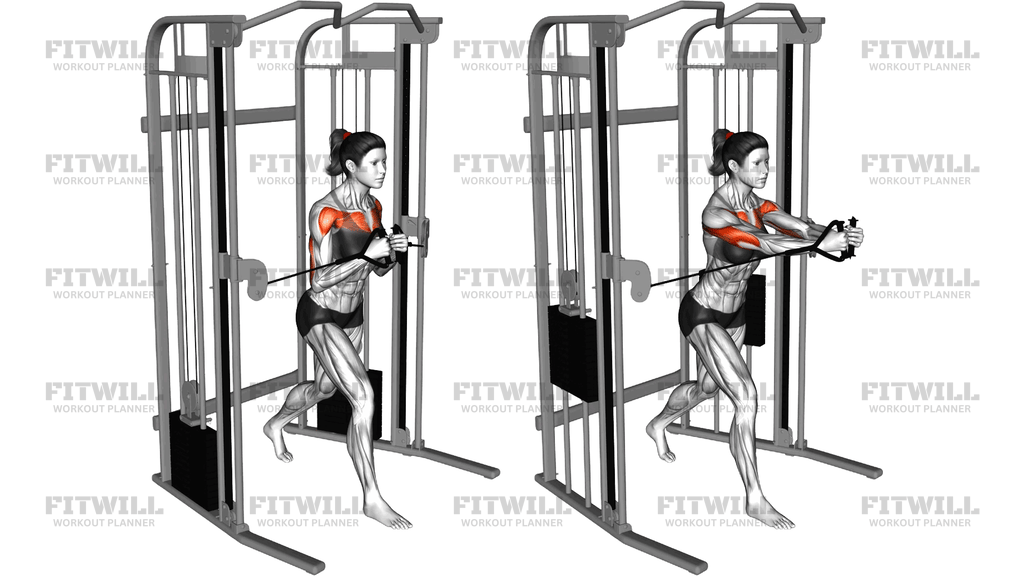
The Cable Standing Close Press is a standing chest press performed on a cable machine, with the cable set at chest height behind you and both hands gripping a single handle attachment kept close together at your sternum. From there you press straight forward until your arms are extended in front of your chest, then control the weight back to your ribs. Because your body is upright and the resistance pulls backward from behind, your chest, front shoulders, and triceps work through the entire range without any rest at the top.
This exercise suits lifters who want constant tension on the chest without lying on a bench, as well as anyone training in a crowded gym where a bench station is unavailable. The narrow, close-grip hand position shifts slightly more emphasis toward the inner chest and triceps compared with a wide press, and the standing stance brings your legs, glutes, and core into play as stabilizers. It is a solid choice for beginners learning the horizontal pressing pattern, and for more experienced lifters as a finisher or as a joint-friendly alternative to heavy barbell pressing.
Setup matters more here than in most presses. The pulley should sit at mid-chest height, and you need to step far enough forward that the cable tension is already present when your hands are at your chest, so the first inch of the press is loaded rather than slack. A staggered stance, with one foot forward and one back, gives you a stable base and keeps the pulling force of the cable from dragging your torso backward. Your ribs should stay stacked over your hips; if you arch your lower back or lean away from the cable, you are borrowing momentum instead of using your chest.
To execute it well, brace your core, draw your shoulder blades down and slightly back, and press the handle forward along a straight line from your sternum. Keep your elbows angled somewhat downward rather than flared high, and finish with your arms extended and hands close together in front of you. Pause briefly, then let the handle travel back with control until your elbows pass just behind your ribs. Exhale as you press, inhale as you return.
Common use cases include home-style functional trainer workouts, accessory work after a main pressing lift, and rehab-style training where free weights feel unstable. Because each repetition starts and ends under tension, moderate weights for higher reps tend to work better here than maximal loads. If you feel the work shifting into your shoulders or lower back, reduce the weight and recheck your stance before adding load again.
[ Workout Log & Planner ]
Put your next workout in Fitwill
Keep your plan and training log ready when you are.


Instructions
- Set the pulley of the cable machine to mid-chest height and attach a single handle.
- Face away from the machine and grip the handle with both hands, one hand over the other, holding it against your sternum.
- Step forward into a staggered stance, front knee softly bent, far enough that the cable is taut before you begin pressing.
- Brace your core, tuck your ribs, and pull your shoulder blades down and back so your chest stays tall.
- Point your elbows slightly downward and keep them tucked close to your ribs rather than flared out wide.
- Press the handle straight forward from your chest until your arms are fully extended, hands staying close together in front of your sternum.
- Pause for a moment at full extension and squeeze your chest without locking your elbows harshly.
- Inhale and let the handle travel back along the same straight line until your hands return to your sternum and your elbows pass just beside your ribs.
- Exhale as you drive into the next repetition, keeping your torso upright and resisting the cable's pull backward.
- Complete your set, then step toward the machine before releasing the handle so the weight stack lowers safely.
Tips & Tricks
- If the cable goes slack at your chest at the start of each rep, you are standing too close to the machine; step forward until tension is present at the bottom.
- Keep both wrists stacked over your forearms during the press; letting the handle bend your wrists back shifts stress into the forearms and shoulders.
- Do not let the cable pull your torso into a backward lean. If you tip backward at the top of the press, lighten the load or widen your staggered stance.
- Avoid shrugging your shoulders up toward your ears as you press; think about pressing your shoulder blades down into your back pockets.
- The close grip tempts people to press with the arms only. Focus on driving your elbows forward so the chest initiates the movement and the triceps finish it.
- Control the return for a two-count. Dropping the handle back quickly is the most common way to lose chest tension in this exercise.
- Keep your head neutral and eyes forward rather than craning to watch the handle, which helps preserve the upright torso position.
- If your lower back feels strain, tighten your glutes slightly and shorten the staggered stance; the brace should come from your hips and core, not your spine.
- Alternate which hand is on top each set so both sides of your chest and shoulders receive balanced work.
Frequently Asked Questions
Which muscles does the Cable Standing Close Press work?
The primary muscles are the chest, specifically the pectoralis major, with strong assistance from the front shoulders and triceps. Your core, glutes, and legs stabilize the standing position throughout each press.
Why is the grip held close together instead of using two separate handles?
Gripping one handle with both hands keeps the hands narrow and forces the elbows to stay tucked, which emphasizes the inner chest and triceps and encourages a straight, controlled pressing path.
Is the Cable Standing Close Press good for beginners?
Yes. The cable provides smooth, adjustable resistance and the staggered stance is easy to balance in, making it a good way to learn the horizontal pressing pattern before progressing to heavier free-weight presses.
How high should I set the pulley?
Set it at mid-chest height so the cable pulls straight back from your sternum. A pulley set too high turns the movement into a downward press, while one set too low makes it resemble an upward fly.
What is the most common mistake with this exercise?
Leaning the torso backward as the weight gets heavy. The cable pulls you rearward, so if your ribs flare and your lower back arches, the chest stops doing the work and the spine absorbs the load.
How does this differ from a bench press?
You are standing, so your core and legs stabilize your torso instead of a bench, and the cable maintains tension at the top of the press where a barbell would rest on locked joints. It is generally trained with moderate loads and higher reps.
What can I use if my gym has no cable machine?
A resistance band anchored behind you at chest height works well, or you can perform a standing narrow-grip push-up with hands close under your chest to train a similar pressing pattern.
How many sets and reps should I do?
Three to four sets of 10 to 15 repetitions works well, since constant cable tension makes the muscle work hard without needing very heavy weight. Rest about 60 to 90 seconds between sets.
Is it safe for my shoulders?
For most people yes, provided you keep your elbows angled slightly downward instead of flared high and stay within a pain-free range. If pressing causes shoulder discomfort, reduce the range slightly and consult a qualified professional before continuing.