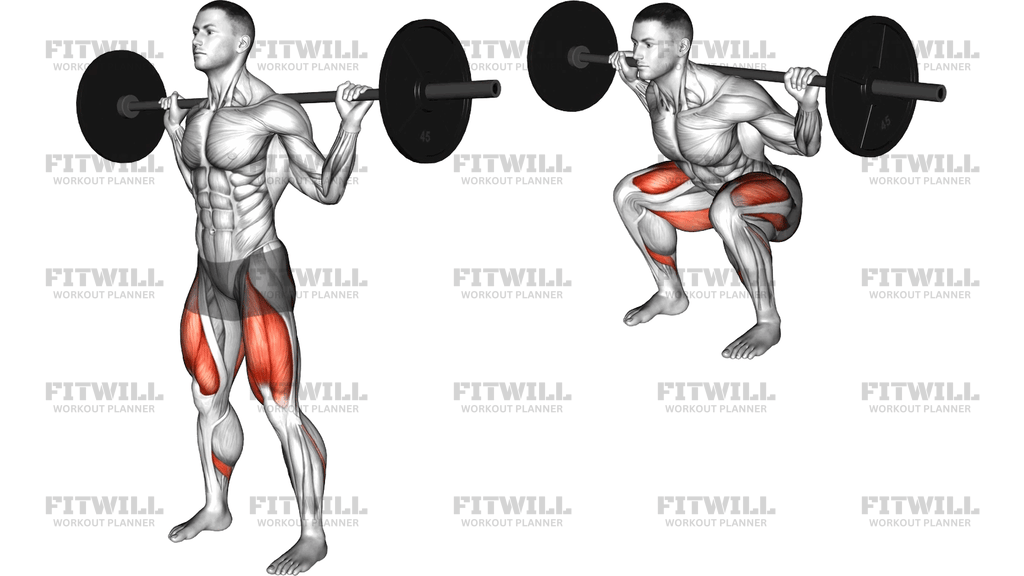
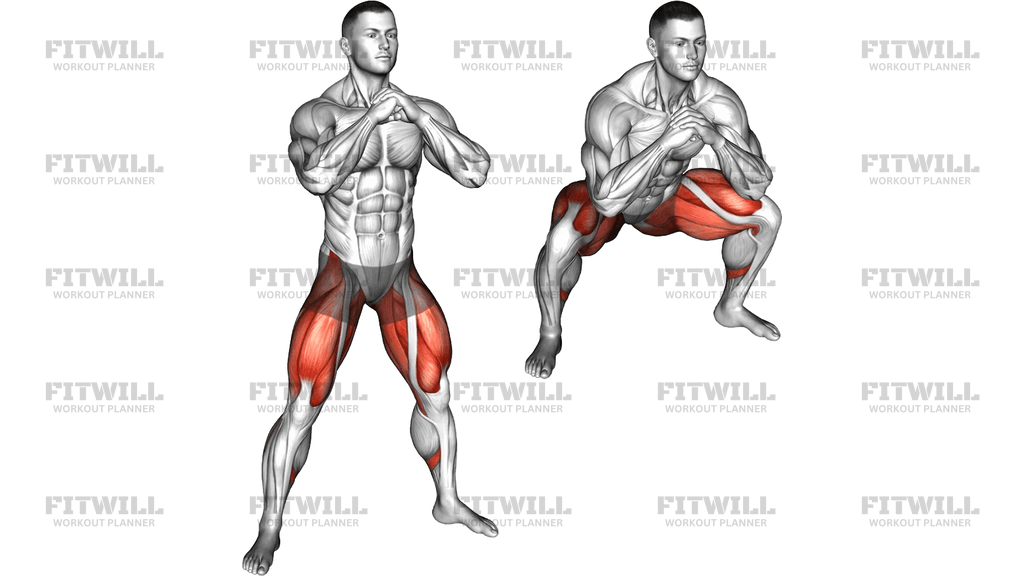
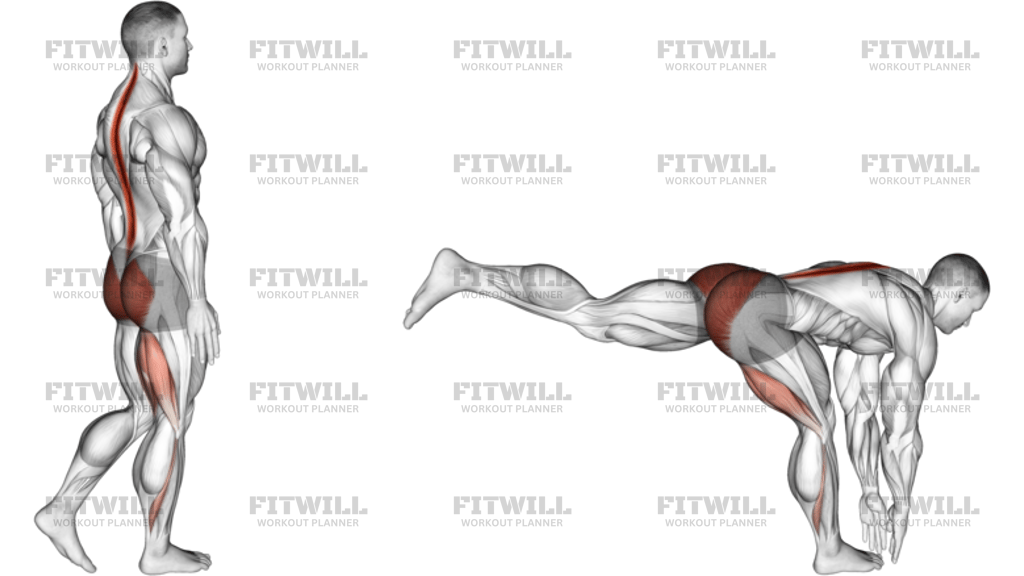
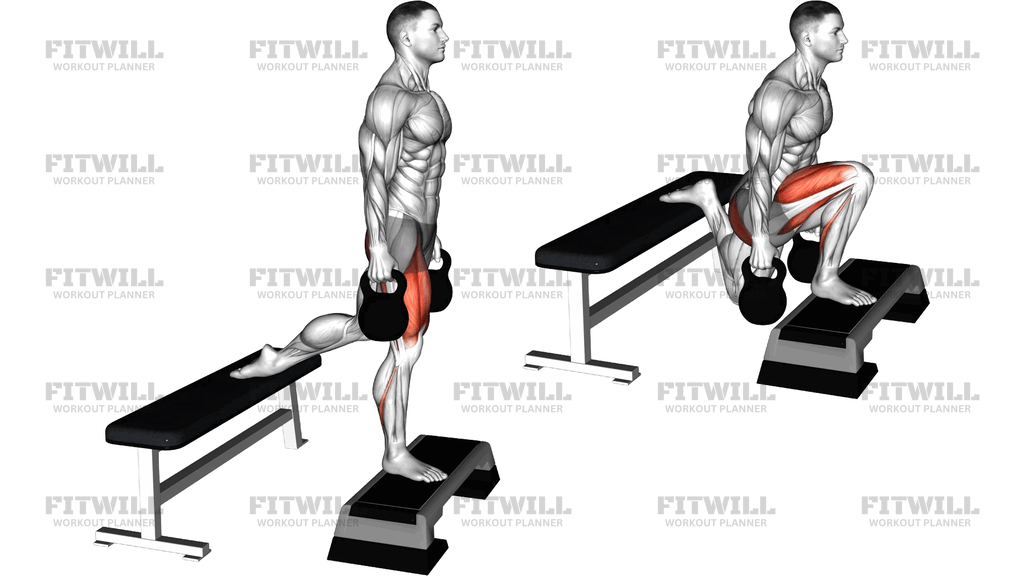
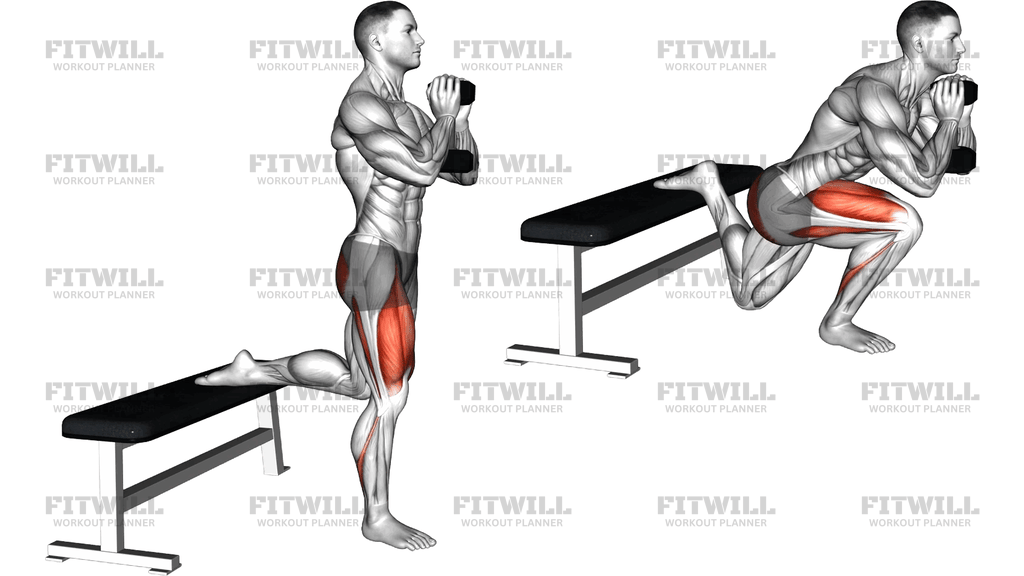
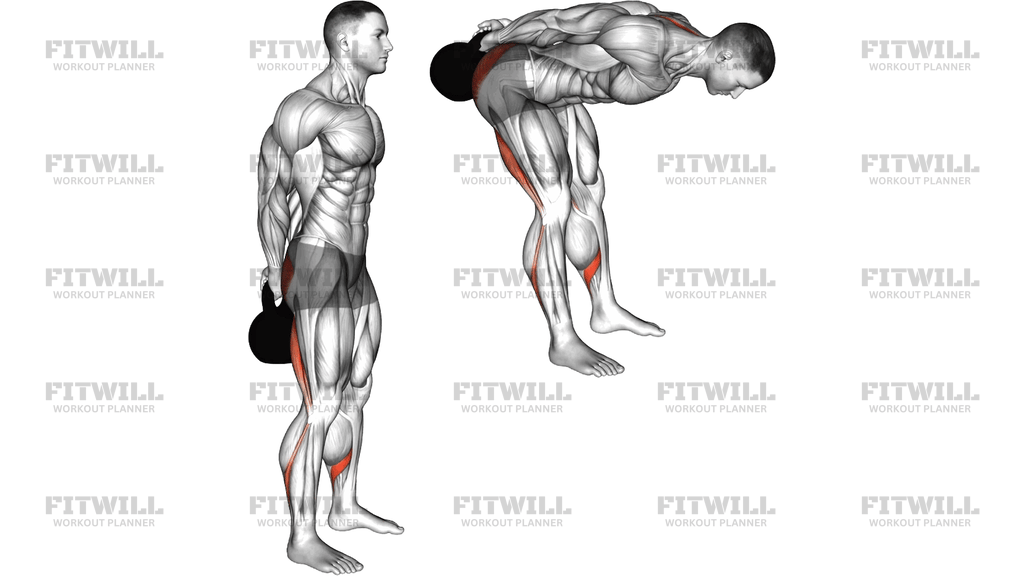
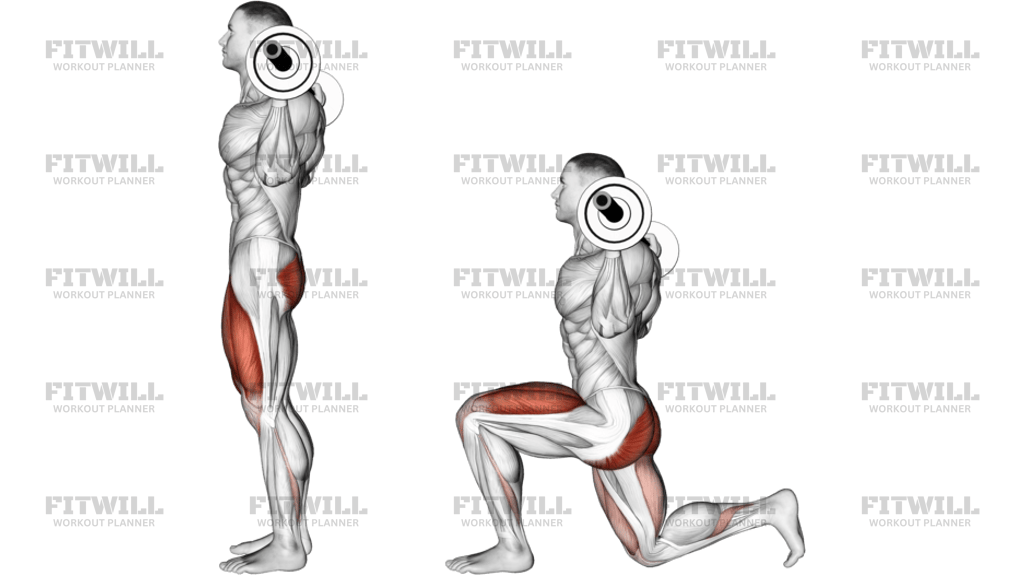
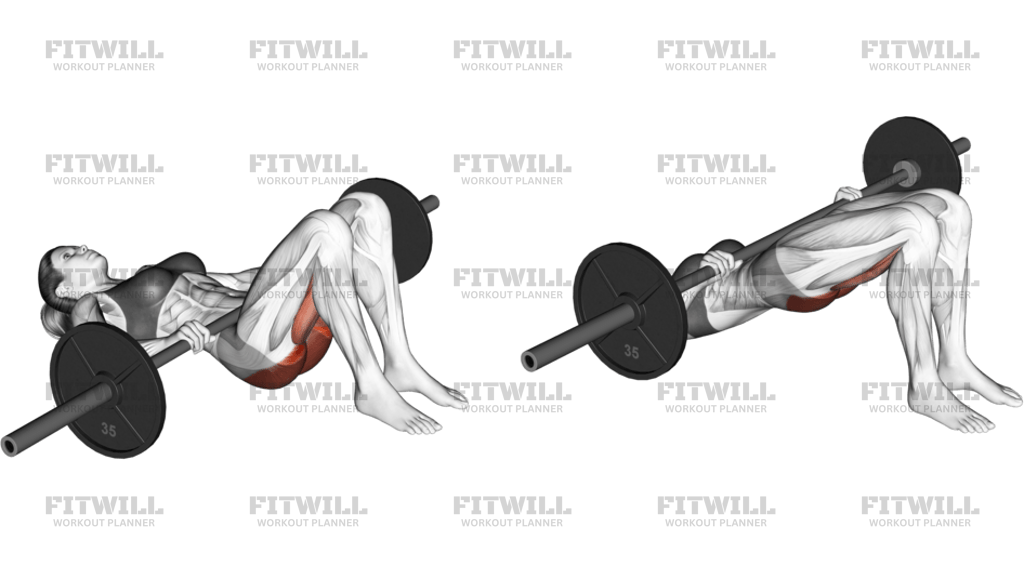
Barbell Single Leg Split Squat
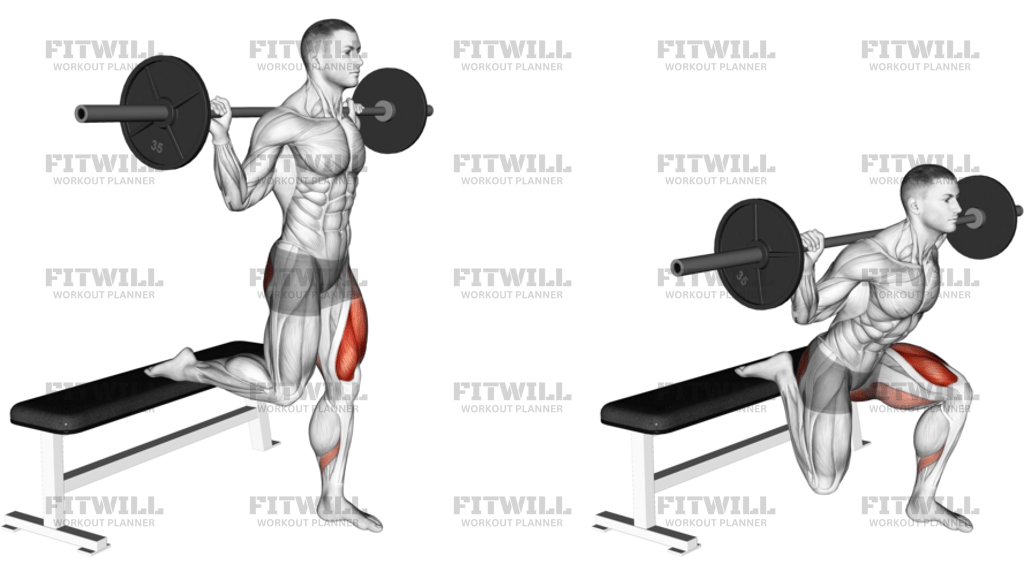
The Barbell Single Leg Split Squat is a loaded split-stance lower-body exercise that keeps both feet planted while one leg does most of the work. With the barbell across the upper back, the front leg controls the descent and drives the return, making the glutes and quads work hard while the rear leg supports balance.
This movement targets the front-side glutes and quadriceps, with help from the hamstrings, adductors, and core. Compared with a walking lunge, the fixed stance makes it easier to repeat the same position and focus on strength, alignment, and depth. The barbell raises the stability demand, so the first priority is a stance that lets the front heel stay planted.
Set the feet far enough apart that you can lower straight down without the front knee being crowded. Keep the torso tall or slightly inclined, brace the trunk, and bend both knees as the rear knee moves toward the floor. Press through the front foot to stand back up, using the rear leg only for balance and light assistance.
Use this split squat as an accessory for glute and leg strength, single-leg balance, or improving left-to-right strength differences. Start lighter than your regular squat because the base of support is narrower. End the set when your front knee loses alignment, your hips twist, or the rear leg starts doing the main lift.
Fitwill
Log Workouts, Track Progress & Build Strength.
Achieve more with Fitwill: explore over 9600 exercises with images and videos, access built-in and custom workouts, perfect for both gym and home sessions, and see real results.
Start your journey. Download today!




Instructions
- Place the barbell across your upper back and stand with one foot forward and the other foot behind you.
- Set the stance long enough that the front heel stays flat when you bend both knees.
- Square your hips forward, brace your core, and keep the bar balanced over your body.
- Lower straight down by bending both knees, letting the rear knee travel toward the floor.
- Keep the front knee tracking over the toes and the front foot fully planted.
- Stop at a depth where the front glute and thigh are loaded without your hips twisting.
- Drive through the front foot to return to the tall split-stance position.
- Complete the planned reps on one side, then switch legs and match the same stance and depth.
Tips & Tricks
- Mark your foot position if needed so both sides use the same split stance.
- Let the rear heel stay lifted naturally; forcing it down can shorten your stance and crowd the front knee.
- Think of the front leg as the engine and the back leg as a kickstand.
- Keep the bar over the middle of your stance instead of drifting onto the front toes.
- Use a controlled descent so the rear knee does not crash into the floor.
- A slight forward lean can increase glute involvement, but do not fold over the front thigh.
- Reduce the load if your front knee wobbles or collapses inward.
- Rest between sides if balance breaks down from fatigue.
Frequently Asked Questions
What does the split squat target?
It mainly targets the glutes and quads of the front leg, with support from the hamstrings, adductors, and core.
Is Barbell Single Leg Split Squat the same as a lunge?
It is similar, but in a split squat the feet stay planted instead of stepping each rep.
Which leg should do most of the work?
The front leg should do most of the lifting while the rear leg provides balance.
Where should the barbell sit?
Keep it across the upper back below the neck, just like a back squat. It should not roll or press into the cervical spine.
How long should my split stance be?
Long enough that the front heel stays down and the rear knee can move toward the floor without pushing the front knee too far forward.
Should I alternate legs every rep?
Most lifters perform all reps on one side before switching so the stance and balance stay consistent.
Why does this feel harder than a regular squat?
The narrower split stance reduces stability and puts more relative work on one leg at a time.
What if I feel it mostly in the rear leg?
Shift more pressure into the front heel and midfoot, lengthen the stance slightly, and use the rear leg only for balance.