Chest Dip
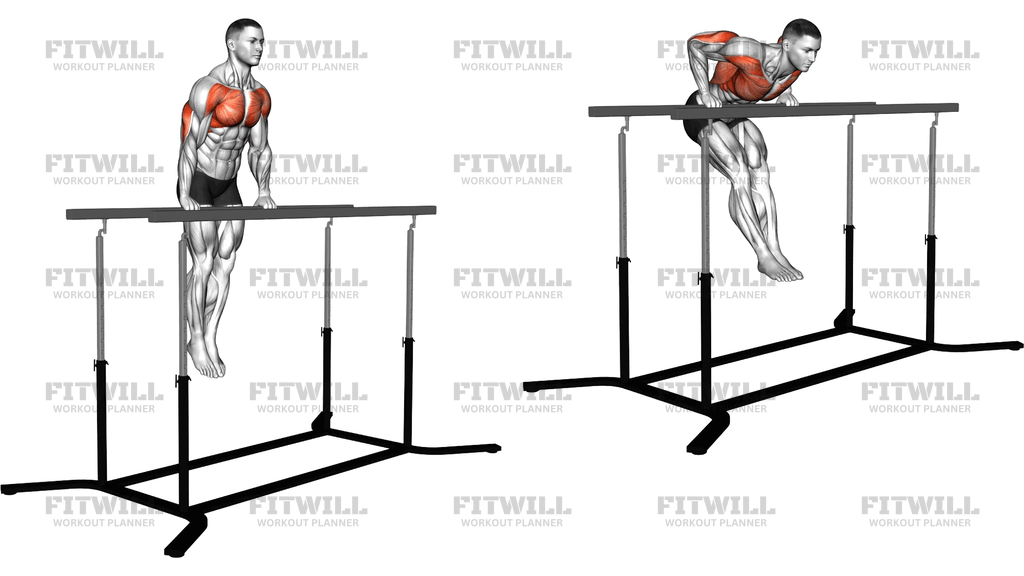
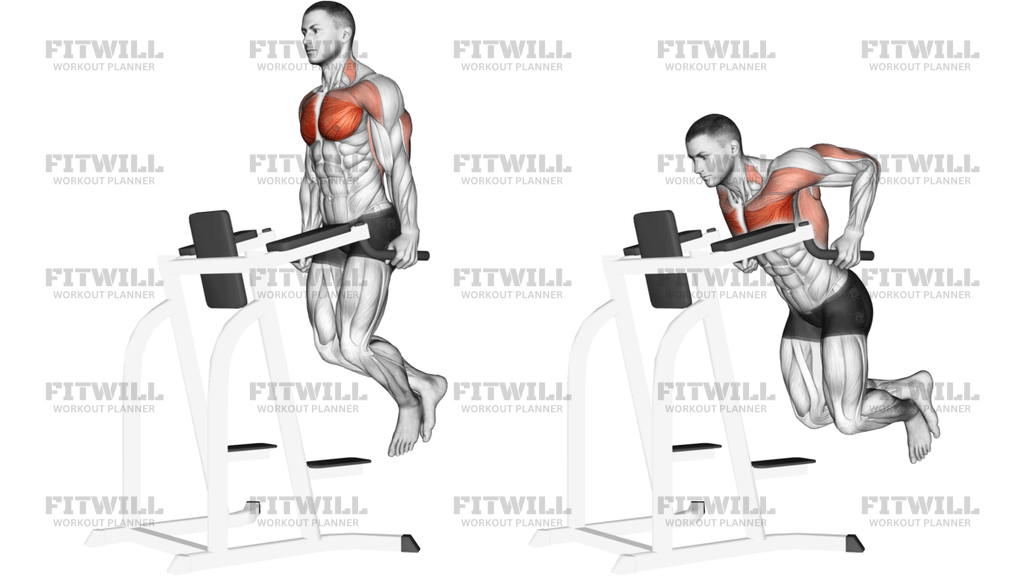
Chest Dip is a bodyweight pressing exercise performed on parallel bars or a dip station, with the torso leaning forward to shift more emphasis toward the chest. The movement starts with the arms straight and the body suspended between the handles, then lowers under control until the elbows bend and the chest is loaded. It is a demanding upper-body exercise that rewards clean positioning more than speed.
The primary emphasis is the pecs, with the triceps and front shoulders assisting through the press. A slight forward lean and controlled elbow bend help shift the work toward the chest instead of turning the movement into a mostly triceps-focused dip. The core helps keep the body from swinging as the legs stay tucked or lightly behind you.
Start by gripping the dip handles firmly and supporting your body with straight arms. Depress your shoulders away from your ears, keep your chest lifted, and cross or bend your legs so they do not swing. Lean the torso slightly forward before the first rep while keeping the wrists stacked over the handles.
Lower yourself by bending the elbows and letting them travel back at a moderate angle. Descend only as far as your shoulders stay comfortable and controlled, usually until the upper arms are near parallel to the floor. Press through the handles to drive your body back up, finishing with strong arms without shrugging the shoulders.
Good chest dips are smooth and quiet, with no kicking, bouncing, or sudden drop into the bottom position. Keep the shoulder blades controlled and avoid sinking so low that the front of the shoulder feels strained. If the full bodyweight version is too hard, use an assisted dip machine, a band, or a shorter range until every rep looks the same.
Use Chest Dip as a compound chest accessory, a bodyweight strength movement, or a progression after push-ups and assisted dips. Add load only after you can complete controlled full-range reps with stable shoulders. Stop the set when your torso becomes vertical, your elbows flare wildly, or your shoulders start to roll forward at the bottom.
[ Workout Log & Planner ]
Put your next workout in Fitwill
Keep your plan and training log ready when you are.


Instructions
- Grip the parallel bars or dip handles and support your body with your arms straight.
- Press your shoulders down away from your ears and keep your chest lifted.
- Bend or cross your legs behind you so they stay quiet during the set.
- Lean your torso slightly forward to bias the movement toward your chest.
- Lower yourself by bending your elbows, keeping them angled back instead of flaring straight out.
- Descend only until your shoulders remain comfortable and your upper arms are around parallel to the floor.
- Press through the handles to raise your body back to the top without shrugging.
- Reset your shoulder position before starting the next controlled repetition.
Tips & Tricks
- Keep a slight forward lean if your goal is to emphasize the chest.
- Do not drop quickly into the bottom position; control the lowering phase.
- Stop the descent before the front of your shoulders feels pinched or strained.
- Keep your shoulders down rather than letting them shrug toward your ears.
- Avoid swinging your legs to help yourself out of the bottom.
- Use assistance or a shorter range if full bodyweight dips break your form.
- Press evenly through both handles so your body does not twist.
- Add weight only after bodyweight reps are smooth, deep enough, and pain-free.
Frequently Asked Questions
What muscles does the Chest Dip work?
Chest Dip mainly works the pecs. The triceps, front shoulders, and core assist as you lower and press your body between the handles.
How do I make dips target my chest more?
Use a slight forward lean, keep the chest lifted, and let the elbows travel back at a moderate angle. Staying too upright usually shifts more work to the triceps.
How low should I go on Chest Dip?
Lower until your shoulders stay comfortable and your upper arms are roughly parallel to the floor. Going deeper is not better if it causes shoulder strain or loss of control.
Are Chest Dips good for beginners?
Full bodyweight chest dips can be too demanding for beginners. Assisted dips, band-assisted dips, or push-ups are better starting points until pressing strength improves.
Why do my shoulders hurt during Chest Dip?
Shoulder discomfort often comes from dropping too low, shrugging, flaring the elbows, or losing chest position. Reduce the range and use assistance if needed.
Can I add weight to Chest Dip?
Yes, but only after you can perform controlled bodyweight reps without shoulder discomfort, swinging, or bouncing at the bottom.
What can I do instead of Chest Dip?
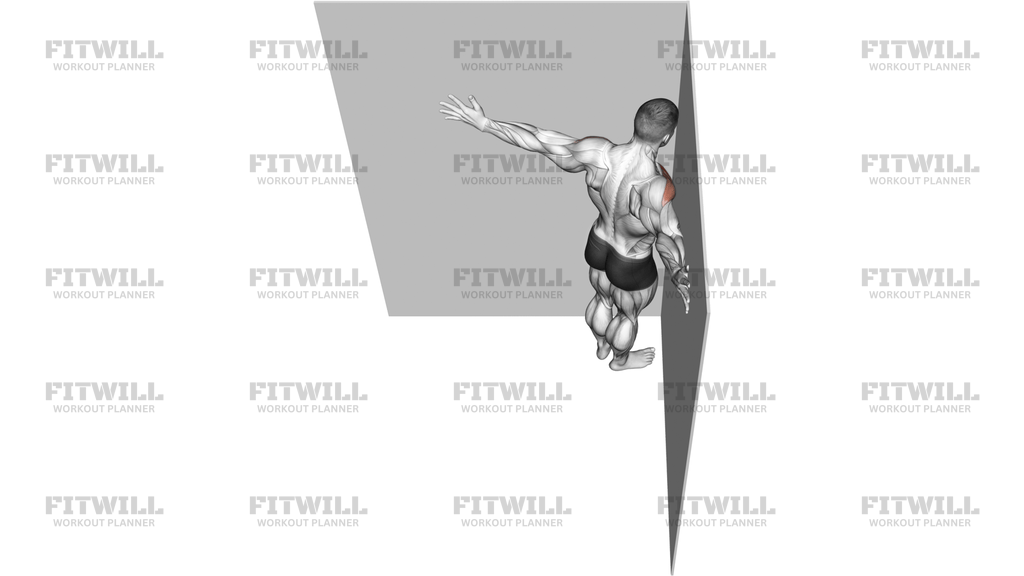
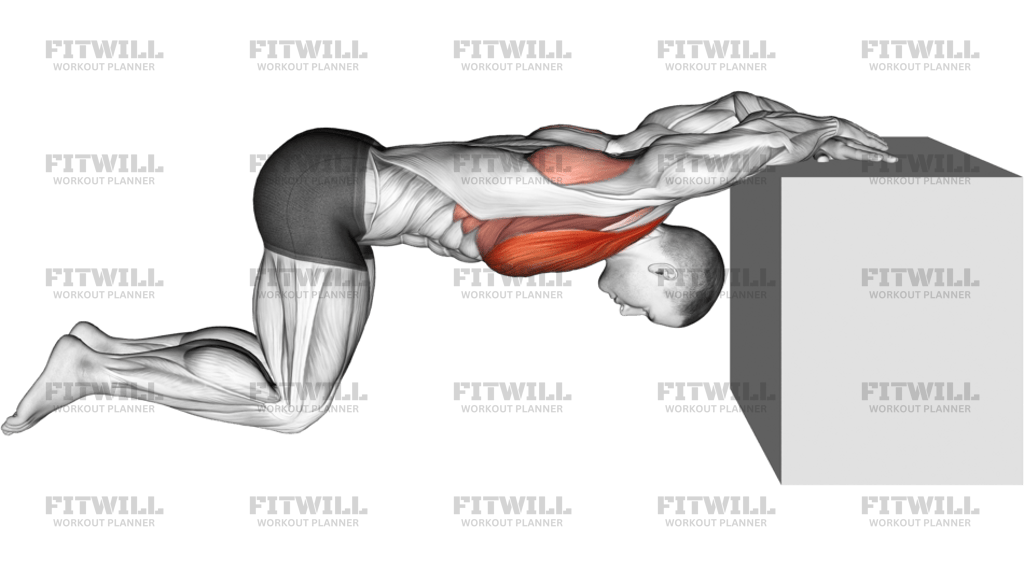
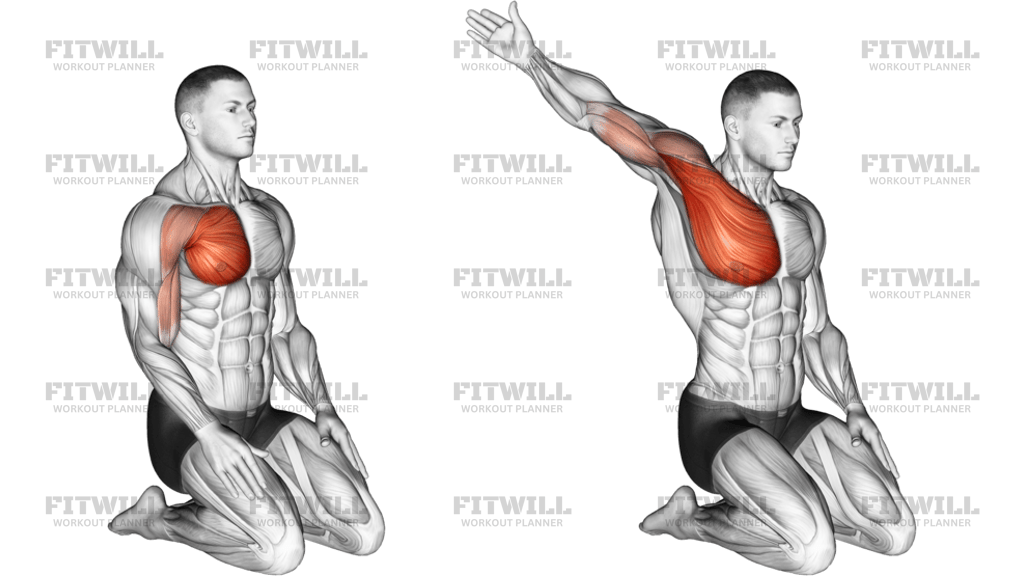
Good alternatives include assisted chest dips, push-ups, dumbbell bench press, machine chest press, and decline push-ups.