Dumbbell Around Pullover
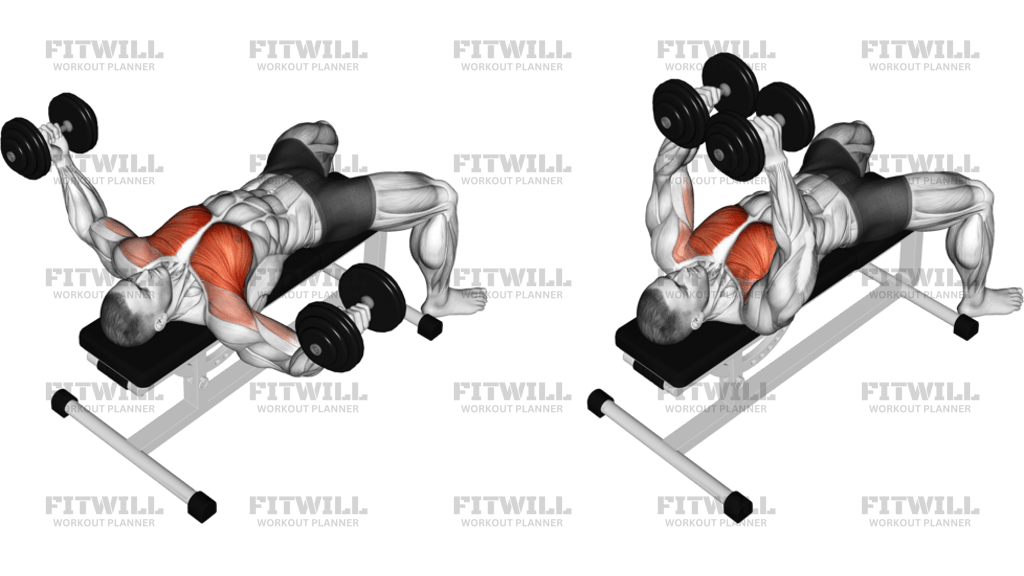
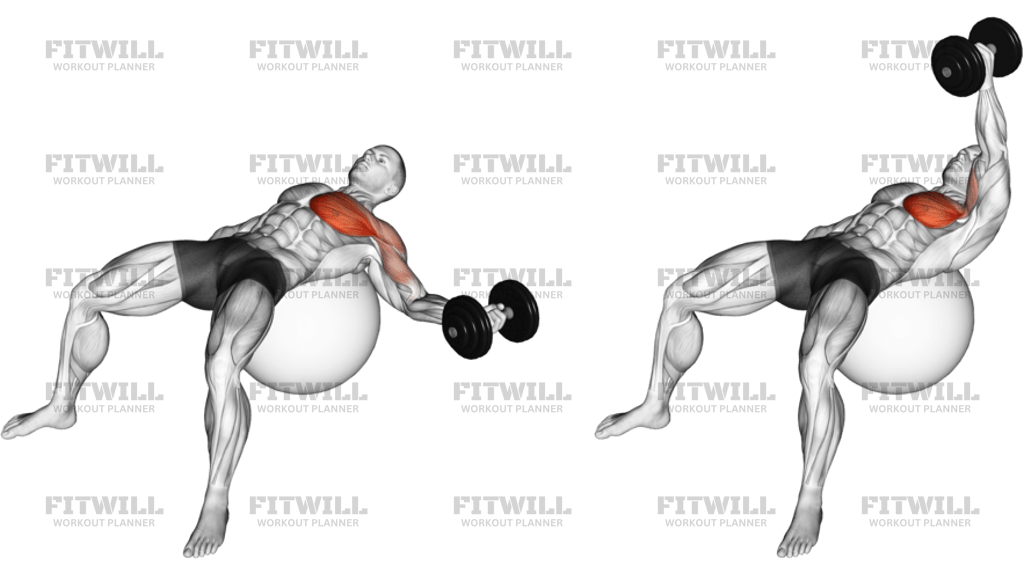
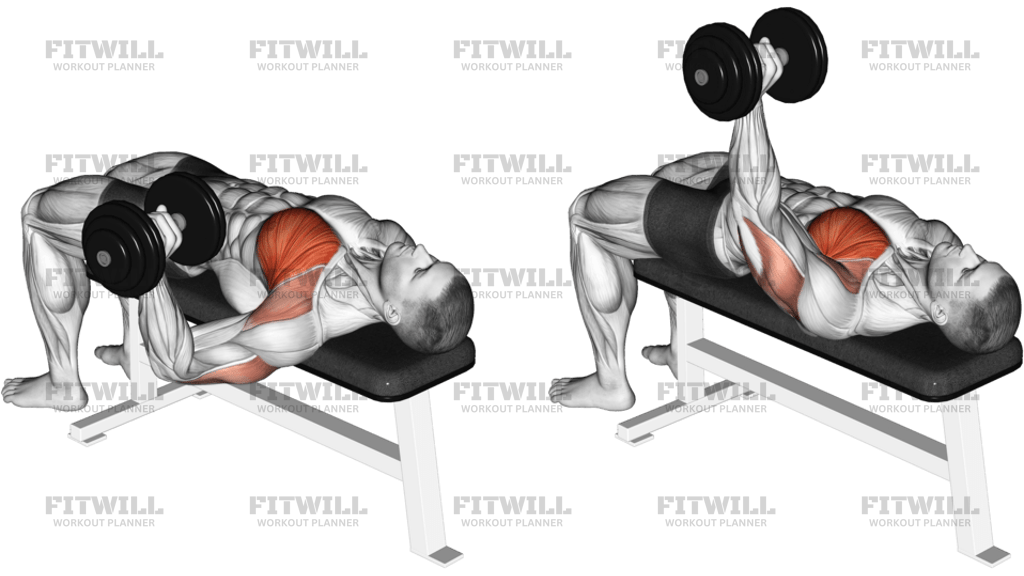
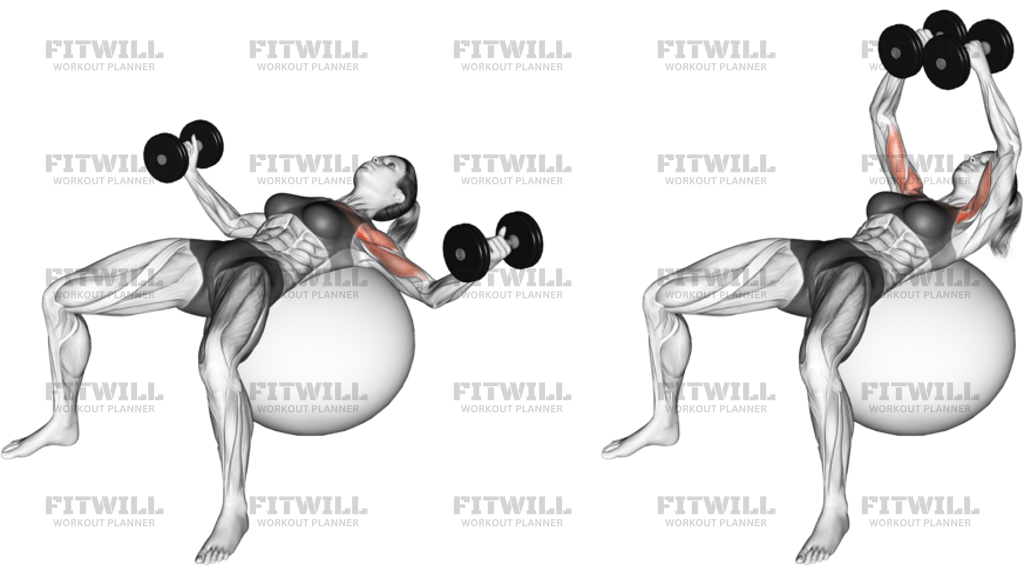
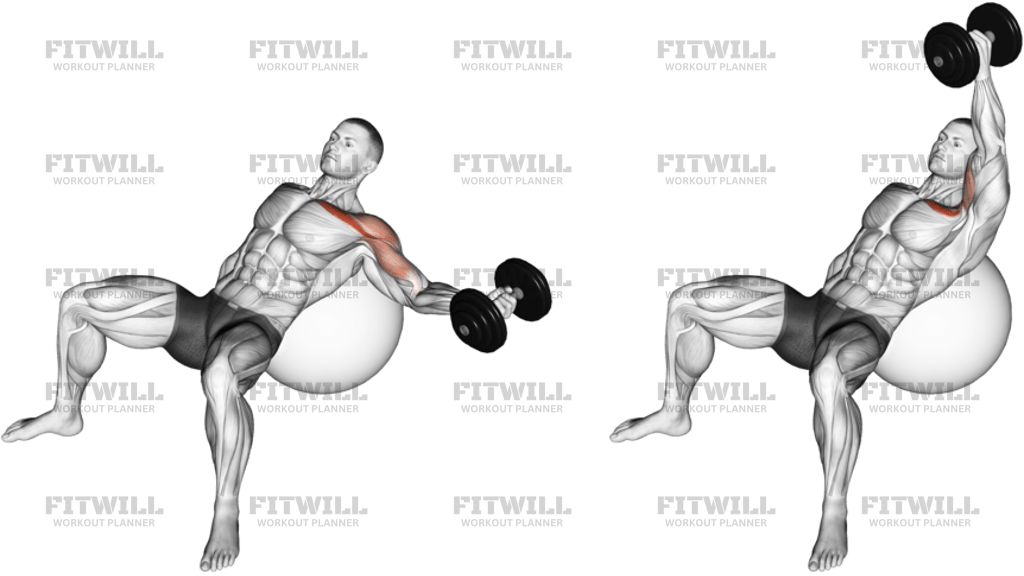
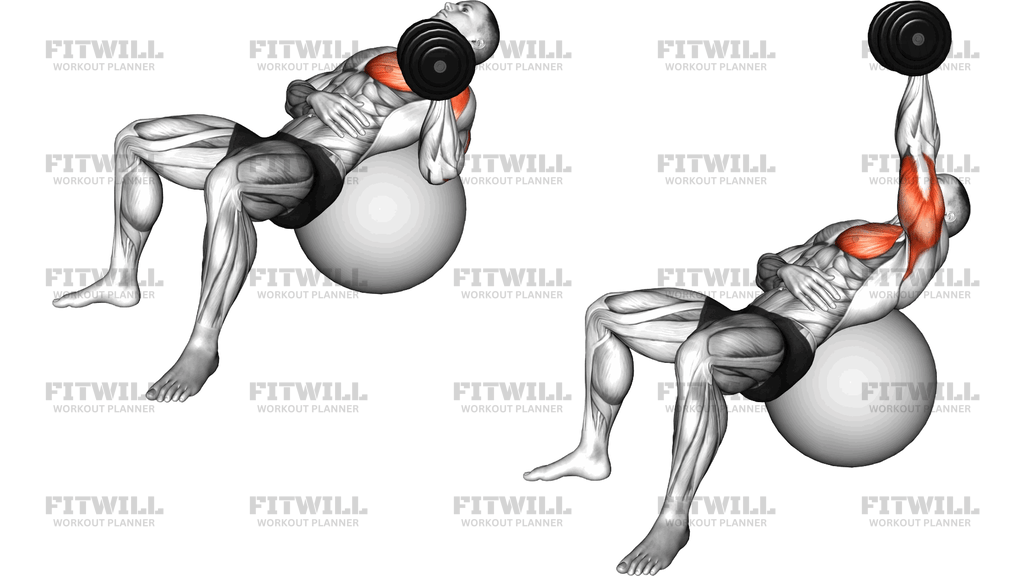
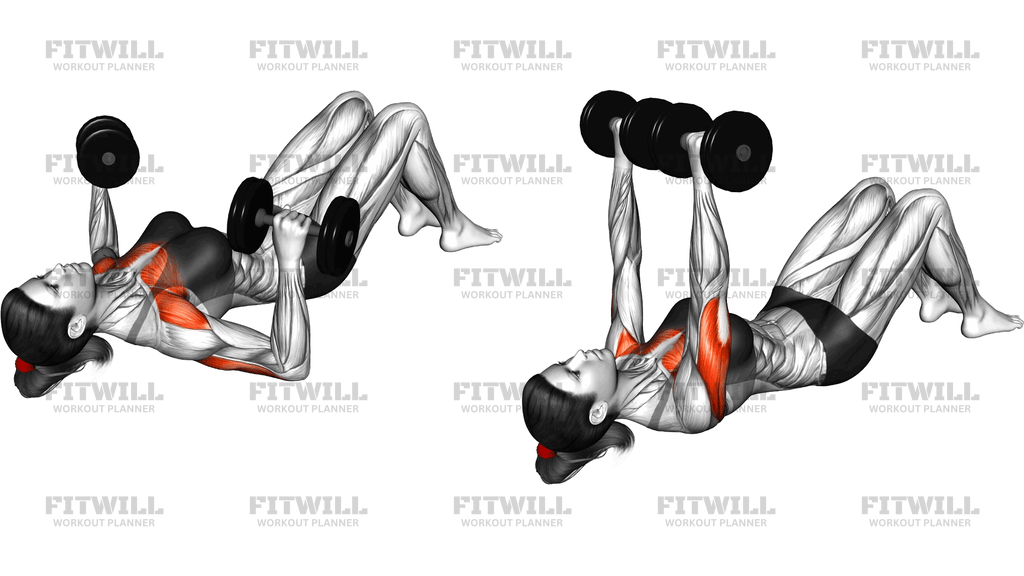
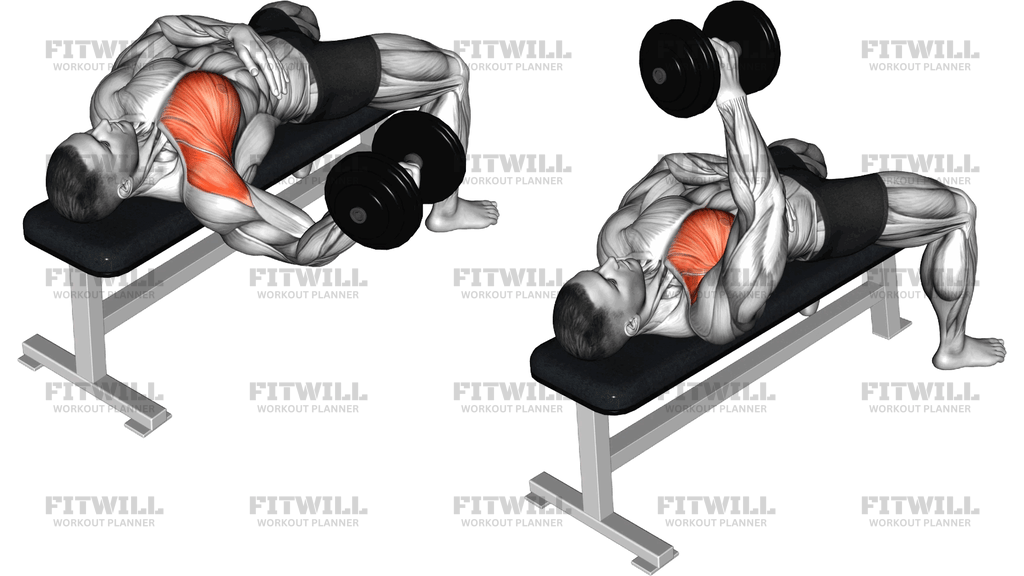
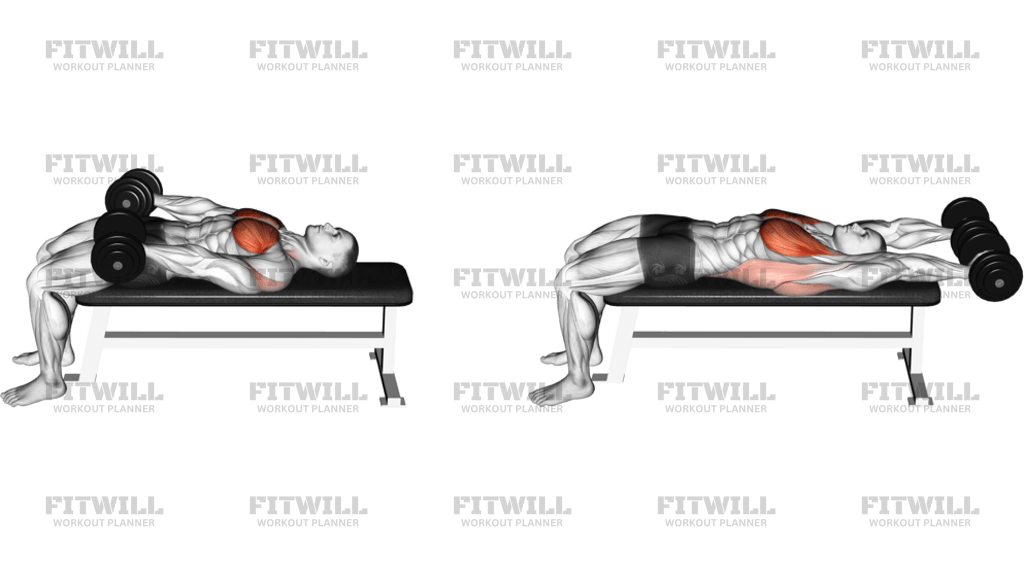
Dumbbell Around Pullover is a lying dumbbell movement that takes the arms from above the chest into a controlled overhead arc and back again. The image shows the lifter flat on a bench with the dumbbells traveling behind the head before returning to the start over the chest. That arc matters: the exercise is about keeping the rib cage set, the elbows softly bent, and the shoulder joint moving smoothly instead of turning the rep into a fast overhead swing.
This variation trains the chest and lats while asking the serratus, triceps, and shoulder stabilizers to keep the shoulder girdle organized through a long range of motion. Because the load moves far from the torso, small setup mistakes change the whole feel of the lift. A stable bench, steady feet, and a controlled start position make the difference between a useful upper-body accessory and a loose shoulder drill.
The best reps begin with the dumbbells stacked over the chest, not drifting behind the shoulders. From there, the weights travel in a wide, even arc until the upper arms are near the line of the ears or you reach your comfortable stretch limit. The return should retrace the same path, with the chest staying lifted but not flared and the lower back staying anchored to the bench.
Use this exercise when you want a chest-and-lat accessory that also challenges overhead control and breathing discipline. It fits well after your main presses or pulls, especially when you want a safer, slower alternative to heavier pullovers or aggressive overhead extensions. Keep the load modest, the tempo deliberate, and the range honest; shoulder comfort always takes priority over chasing a deeper stretch.
[ Workout Log & Planner ]
Put your next workout in Fitwill
Keep your plan and training log ready when you are.


Instructions
- Lie flat on a bench with your feet planted and both dumbbells held directly above your chest.
- Set your shoulders on the bench, brace your midsection, and keep a soft bend in both elbows.
- Start with the weights steady over the sternum instead of letting them drift toward your face or shoulders.
- Inhale and lower the dumbbells together in a wide arc toward the space behind your head.
- Let the upper arms travel back until you feel a strong chest and lat stretch without losing control.
- Keep the elbow angle nearly fixed so the movement comes from the shoulder arc, not from a pressing or curling motion.
- Exhale and reverse the path, bringing the dumbbells back over the chest in the same smooth arc.
- Finish each rep stacked over the chest, pause briefly, and reset your ribs and shoulder position before the next repetition.
Tips & Tricks
- Choose a load that lets you control the bottom stretch; this movement should feel lighter than a dumbbell press.
- Keep the dumbbells moving together so one side does not drift lower and twist the torso.
- Stop the descent when your shoulders start to lose their packed position or the front of the shoulder pinches.
- Think about reaching long through the arms on the way back, not about forcing the weights down with the elbows.
- Keep your lower back from arching as the dumbbells move behind your head; the bench should stay in contact with your ribs and pelvis.
- Use a slower eccentric on the way back if the movement feels jerky or if the dumbbells swing at the bottom.
- If two dumbbells feel awkward, shorten the range before you reduce control or speed.
- Treat the rep like an upper-body arc, not a pullover plus triceps extension combo.
Frequently Asked Questions
What muscles does Dumbbell Around Pullover work?
It mainly trains the chest and lats, with the serratus, triceps, and shoulder stabilizers helping control the overhead arc.
Is Dumbbell Around Pullover good for beginners?
Yes, if you keep the load light and shorten the range. Beginners should learn the flat-bench setup and shoulder arc before chasing a deep stretch.
Should I keep my elbows bent the whole time?
Yes. A small, steady elbow bend keeps the exercise in the pullover pattern instead of turning it into a straight-arm press or a triceps movement.
How deep should I lower the dumbbells behind my head?
Lower only as far as you can keep the shoulders controlled and the ribs from flaring. A comfortable stretch is useful; a pinching shoulder is too deep.
What is the biggest mistake on the bench?
Letting the lower back arch hard while the dumbbells go overhead. Keep the bench contact stable and let the shoulders move through the arc instead.
Should the weights travel in a straight line?
No. They should follow the same smooth arc out and back, from stacked over the chest to behind the head and back again.
Can I use this as chest or back work?
Yes. It can fit either emphasis, but the chest, lats, and serratus all contribute, so the result depends on your setup, range, and tempo.
What should I do if my shoulders feel tight?
Reduce the range first, then lighten the dumbbells. Tight shoulders usually respond better to a smaller arc than to forcing the bottom position.