Dumbbell Bench Press
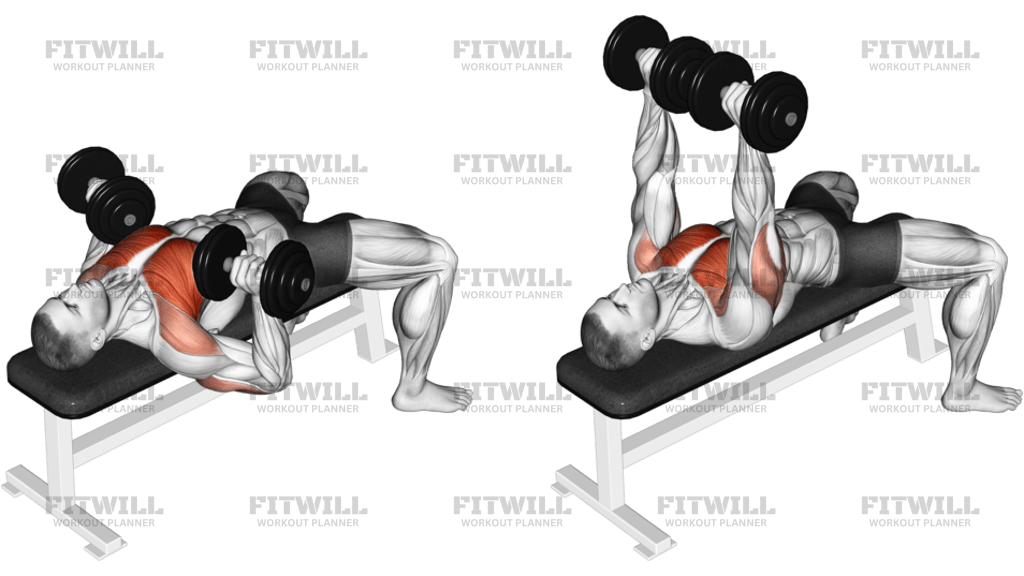
Dumbbell Bench Press is a flat-bench pressing exercise that builds the chest while also asking the front shoulders, triceps, and trunk to stay organized under load. Because each arm works on its own dumbbell, the movement exposes side-to-side differences that a barbell can hide, which makes it useful for both strength work and balanced hypertrophy training.
The setup matters as much as the press itself. With your back supported on a flat bench and your feet planted, you create a stable base that lets the dumbbells travel cleanly from the sides of the chest to a stacked position over the shoulders. If the shoulders are loose, the wrists collapse, or the rib cage flares hard, the lift turns into a shoulder-dominant grind instead of a controlled chest press.
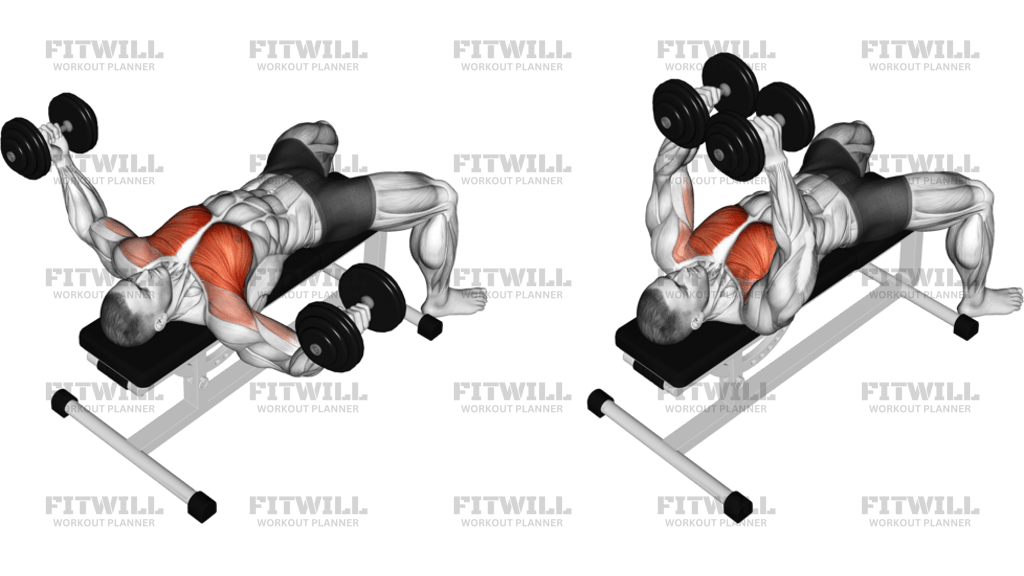
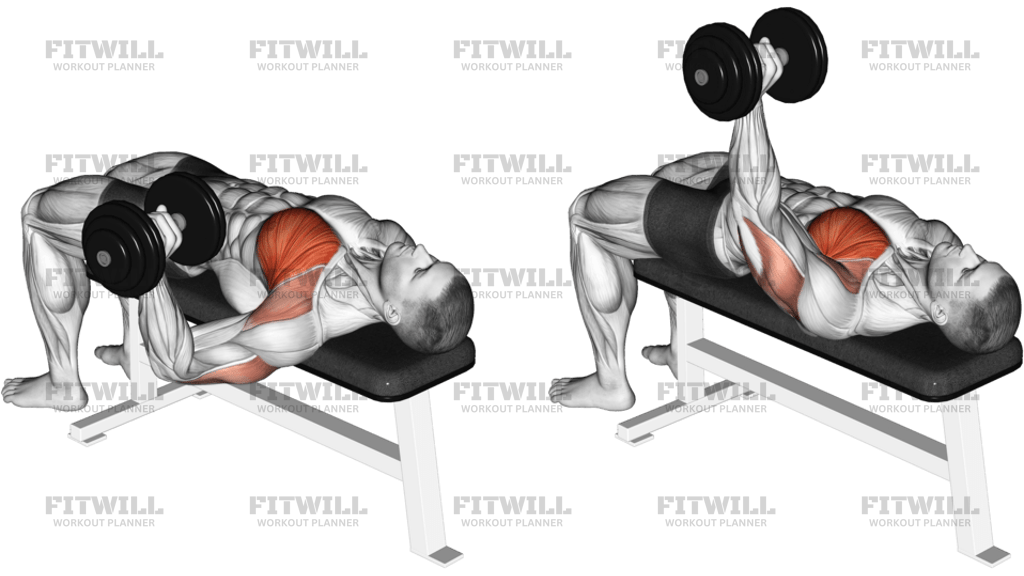
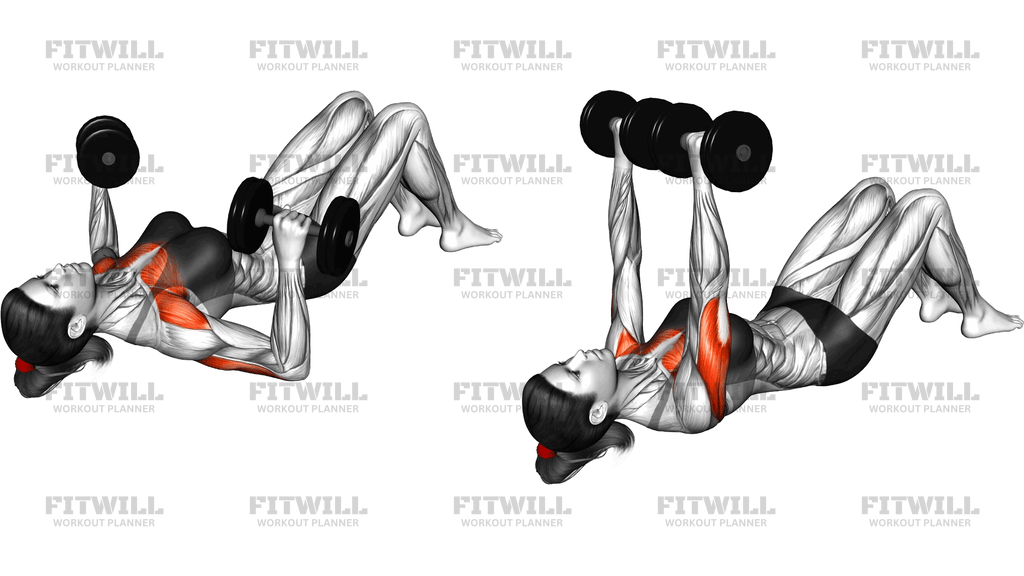
A good Dumbbell Bench Press starts with the dumbbells level and the forearms vertical under the handles. From there, press in a smooth arc so the weights finish above the mid-chest or shoulder line, then lower them slowly until the upper arms reach a comfortable depth just below the torso. The goal is not to bounce the bells off the chest; it is to keep tension through the whole range while the shoulder blades stay set against the bench.
This exercise is a strong main lift for upper-body sessions, especially when you want a little more range of motion and a more natural arm path than a fixed barbell press. It is also useful after heavier barbell work as an accessory movement, or on its own when you want to keep load moderate and focus on symmetry, control, and repeatable technique.
Treat the dumbbells as independent tools, not one connected implement. If one side drifts higher, rotates early, or finishes faster, the press usually becomes uneven and the torso twists to compensate. A clean rep should look steady from the bench, with the wrists stacked, elbows slightly tucked, and the dumbbells returning under control to the same start point every time.
[ Workout Log & Planner ]
Put your next workout in Fitwill
Keep your plan and training log ready when you are.


Instructions
- Lie back on a flat bench with your feet planted firmly on the floor and your shoulder blades gently pulled down and back.
- Hold a dumbbell in each hand at chest level with your forearms vertical, wrists stacked over the handles, and palms facing forward or slightly turned in.
- Set your upper arms slightly below shoulder height so the elbows are tucked about 30 to 45 degrees from your torso.
- Take a breath, brace your midsection, and keep your rib cage from flaring off the bench.
- Press both dumbbells up and slightly inward until your arms are straight above the mid-chest or shoulder line.
- Pause briefly at the top without clanging the dumbbells together or locking your shoulders forward.
- Lower the dumbbells slowly along the same path until you feel a controlled stretch across the chest and the elbows return near bench depth.
- Keep both sides moving evenly, then exhale again as you drive into the next press.
- When the set is done, bring the dumbbells back to your shoulders, sit up with control, and place them down safely.
Tips & Tricks
- Keep the dumbbells stacked directly over the wrist so the handles do not drift back into the fingers during the press.
- A small natural arch is fine, but do not turn the Dumbbell Bench Press into a hard lower-back bridge just to shorten the range.
- If your shoulders feel pinched at the bottom, stop the descent a little higher and keep the elbows closer to your sides.
- Lower with a 2-3 second tempo so the chest stays loaded and the dumbbells do not drop into the bottom position.
- Do not let one dumbbell finish early; uneven lockouts usually mean one shoulder is taking over.
- Keep the dumbbells separated at the top instead of forcing them to touch and lose tension through the chest.
- Choose a load you can start from a dead stop on the bench without losing wrist position or shoulder control.
- If the bench feels unstable, reset your feet before every rep rather than kicking your legs or sliding on the pad.
Frequently Asked Questions
What muscles does Dumbbell Bench Press work?
Dumbbell Bench Press mainly trains the chest, front shoulders, and triceps. Your trunk and upper-back muscles also work hard to keep the dumbbells steady on the flat bench.
Is Dumbbell Bench Press good for beginners?
Yes, if you start light and learn the bench setup first. Beginners usually do best with a load they can lower under control and press without the wrists bending back.
How low should I lower the dumbbells on Dumbbell Bench Press?
Lower until the upper arms are just below the bench line or until you feel a controlled chest stretch. If your shoulders roll forward or the dumbbells dip too deep, shorten the range.
Should the dumbbells touch at the top of Dumbbell Bench Press?
No. Finish with the dumbbells stacked over the chest or shoulders, but keep a small gap so you do not lose tension or let the shoulders drift forward.
What is the biggest form mistake on Dumbbell Bench Press?
The biggest mistake is flaring the elbows and losing wrist alignment, which usually turns the press into a shoulder-dominant lift. Keep the elbows slightly tucked and the forearms vertical under the dumbbells.
Can I use Dumbbell Bench Press instead of barbell bench press?
Yes. Dumbbells are often easier on the shoulders and expose side-to-side differences better, while a barbell usually lets you load heavier. Both are useful, depending on the goal.
Do I need a flat bench for Dumbbell Bench Press?
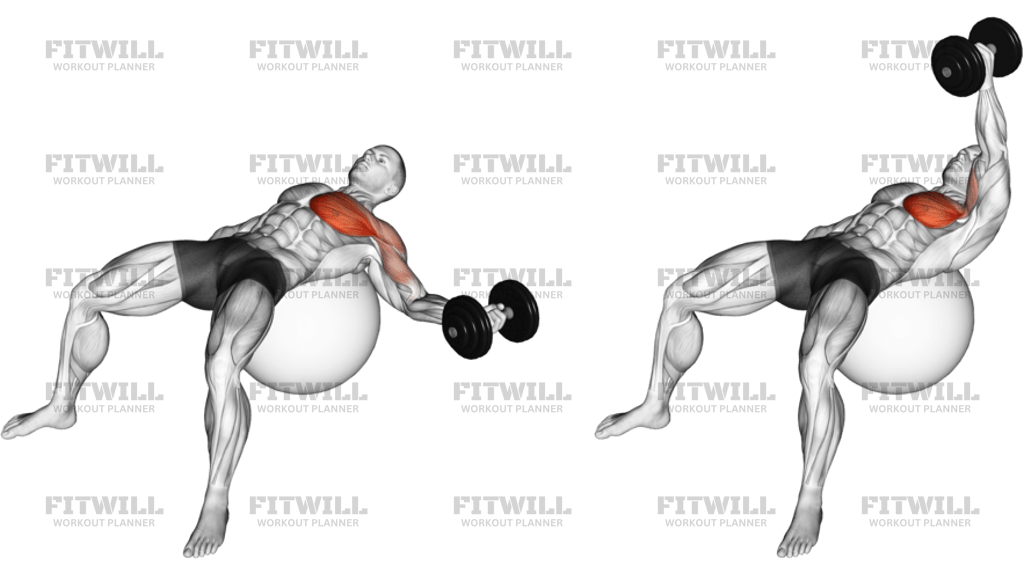
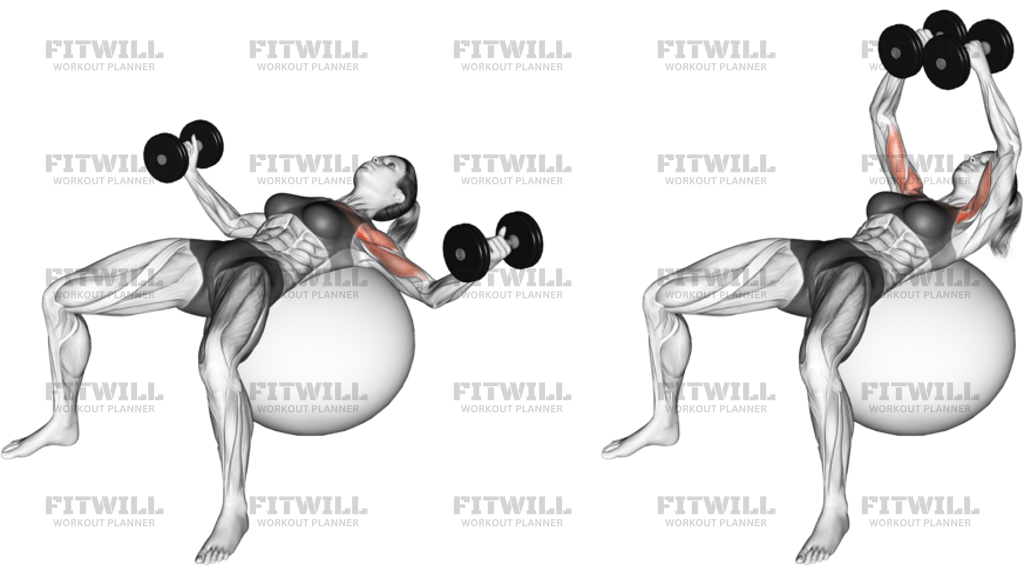
This version is the flat-bench press shown here. An incline bench changes the angle and shifts more work toward the upper chest and front shoulders.
Why do my wrists ache during Dumbbell Bench Press?
Wrist pain usually means the dumbbell is sitting too far back in the hand or the wrist is bent backward. Keep the handle over the heel of the palm and stack the knuckles over the forearm.
Do I need a spotter for Dumbbell Bench Press?
A spotter is smart for heavy sets because dumbbells are harder to bail out of safely than a barbell. If you train alone, keep the load conservative and make sure you can sit up with the bells under control.